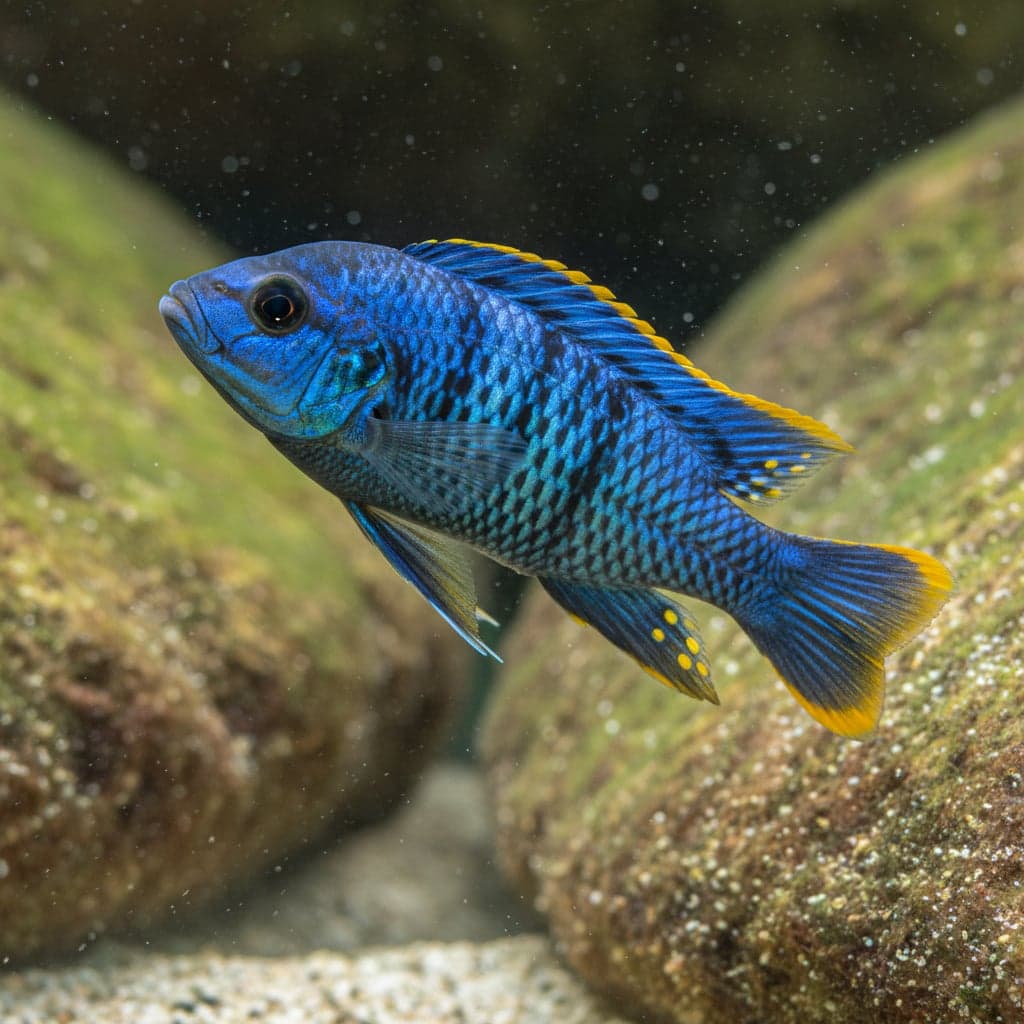
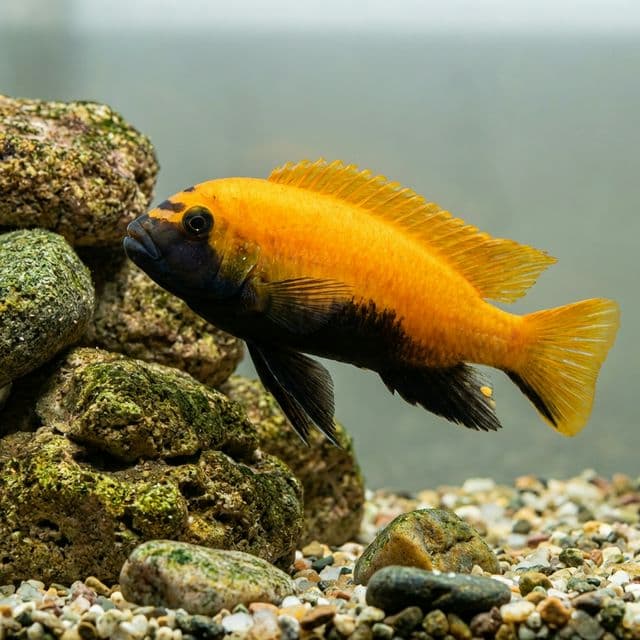
Aurora Cichlid: Maylandia aurora
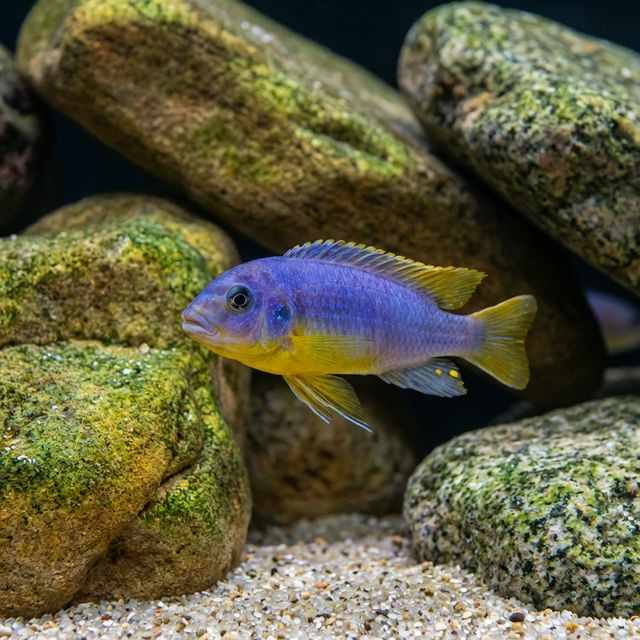
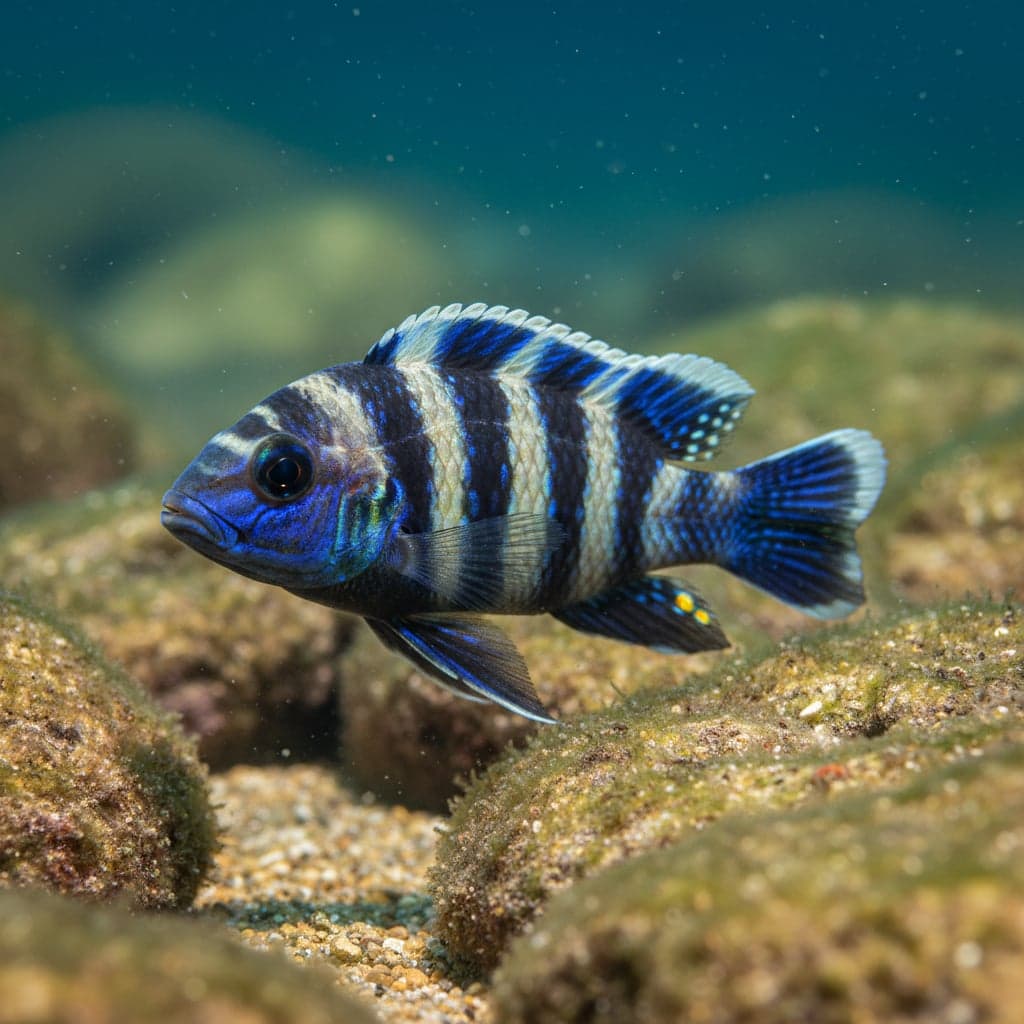
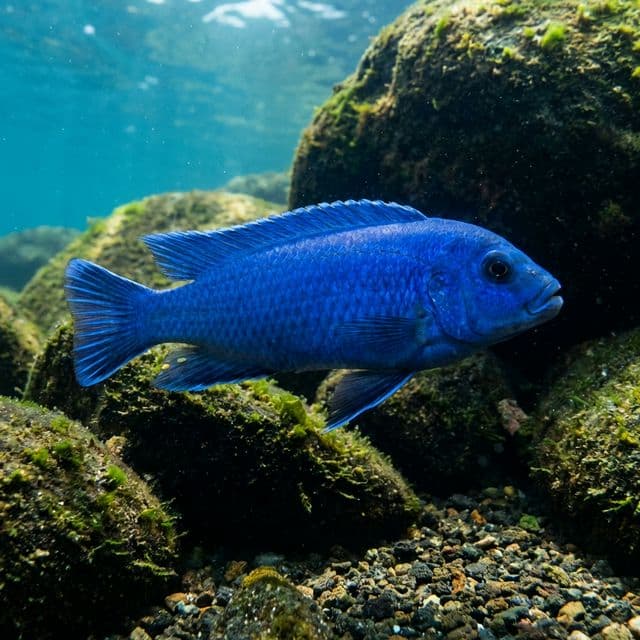
A Mbuna cichlid from Lake Malawi. Males are blue/gold, females are brown. Algae grazer.

Aurora Cichlid
The Aurora Cichlid, scientifically known as Maylandia aurora, is a striking freshwater fish that belongs to the cichlid family. Celebrated for its stunning iridescent coloration, this species exhibits vibrant shades of blue, yellow, and orange, which creates a dazzling display in the aquarium. Adult males are particularly known for their impressive fins and bright hues, while females tend to be slightly less colorful but equally appealing in their own right. The appeal of the Aurora Cichlid extends beyond its visual aspects; it also serves as a charismatic ambassador for the African cichlid community, captivating aquarists around the world.
In the aquarium hobby, Aurora Cichlids are prized not only for their beauty but also for their dynamic personalities. These fish contribute to a vivid underwater landscape and are often highlighted in community tanks for their lively interactions. Their active nature and captivating behaviors make them a favorite choice among aquarists, ranging from beginners to seasoned enthusiasts. Furthermore, they embody a vital part of the aquatic ecosystem in their native habitats, emphasizing the importance of conservation and responsible aquarium keeping.
Natural Habitat & Origin
Aurora Cichlids are native to the rocky shorelines of Lake Malawi, one of the largest and oldest lakes in East Africa. This body of water is well-known for its diverse cichlid species, with the Aurora Cichlid residing primarily in areas characterized by rocky substrates and an abundance of shelter. The water in Lake Malawi is typically clear and alkaline, with a pH ranging from 7.5 to 8.5. The fish thrive in environments that also feature varying degrees of hardness, providing them a natural setting that mimics the conditions found in well-maintained aquariums. Understanding their natural habitat underscores the importance of replicating similar conditions in captivity to promote their health and wellbeing.
The ecological context of Lake Malawi is crucial for the Aurora Cichlid's survival. The unique biodiversity in this region is supported by the lake’s various microhabitats, which enable different species to coexist. The presence of rocky formations allows the Aurora Cichlid to establish territories and engage in social interactions, providing natural breeding and feeding grounds. As such, knowledge of their native environment is indispensable for aquarists aiming to replicate suitable conditions that facilitate their flourishing in home aquariums.
Care Requirements
To ensure the health and longevity of Aurora Cichlids, specific water parameters and tank conditions must be maintained. Ideally, the water temperature should range between 76°F to 82°F (24°C to 28°C), with a pH level between 7.5 and 8.5. Hardness levels are equally significant, ideally maintaining a range of 10-20 dGH, which closely mimics their natural habitat in Lake Malawi. Regarding tank setup, a minimum tank size of 55 gallons is recommended to provide ample swimming space and territories for these active fish.
The ideal substrate for an Aurora Cichlid tank is sand or fine gravel, as this allows them to dig and exhibit natural behavior. Additionally, the incorporation of rocky structures and caves will not only enhance their environment but also provide hiding places, reducing stress and territorial disputes. Moderate to bright lighting is preferable, as it highlights their vibrant colors, though areas with shaded spots created by rocks or plants should also be considered. While live plants may not be necessary, hardy species that can withstand Auroar Cichlid behavior are beneficial, as they can contribute to water quality and provide a more natural atmosphere.
Diet & Feeding
Aurora Cichlids are considered omnivores, thriving on a diet that includes both protein-rich foods and plant matter. In captivity, they do extremely well on high-quality flakes and pellets formulated for cichlids, which should be the staple of their diet. Additionally, incorporating a variety of frozen foods such as brine shrimp, bloodworms, and daphnia can enhance their nutrition and stimulate their natural feeding behaviors. For optimal health, live foods may be offered occasionally, as they provide enrichment and promote color development.
While it's essential to maintain a balanced diet, care should be taken not to overfeed. Smaller, more frequent feedings are preferable, ensuring that uneaten food does not lead to water quality issues. The overall goal is to replicate their natural diet as closely as possible to ensure robust growth and vibrant coloration, creating a well-rounded feeding regimen that supports their active lifestyle.
Behavior & Temperament
The Aurora Cichlid exhibits a dynamic and engaging personality, making them an exciting addition to community tanks. Generally, they are known to be semi-aggressive, particularly during breeding periods or when establishing territory. Males, in particular, can display aggressive behavior towards each other if they feel their territory is being encroached upon. Thus, it is crucial to provide ample space and hiding spots to mitigate territorial disputes and monitor their interactions closely.
When kept in groups, Aurora Cichlids often establish a hierarchy, displaying social behaviors such as chasing and circling. They typically inhabit the middle to upper levels of the aquarium, exhibiting their vibrant colors as they swim freely. While they can be kept with other compatible species, it’s essential to house them with fish that are similarly sized and not overly timid, ensuring a balanced social dynamic within the tank.
Tank Mates
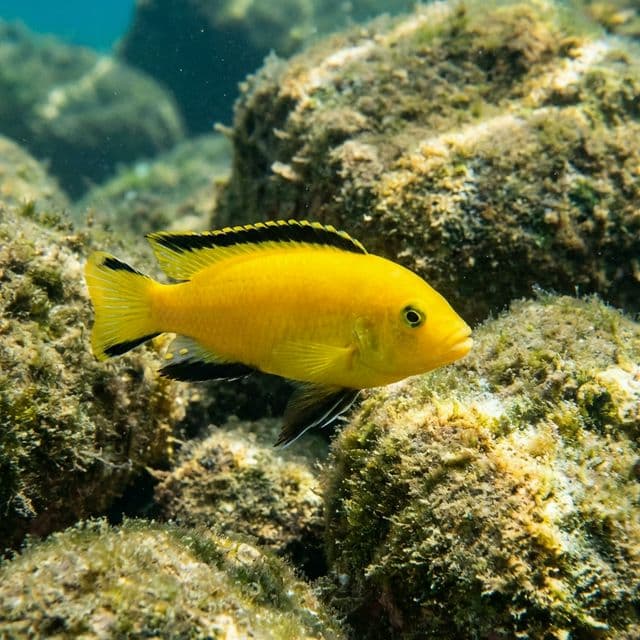
Choosing the right tank mates for Aurora Cichlids is critical to maintaining a peaceful community aquarium. Compatible species include other medium to large cichlids like the Demasoni Cichlid, Yellow Labs (Labidochromis caeruleus), and various Mbuna species that share similar water requirements. Additionally, they can coexist with peaceful fish like large tetras and some species of catfish, provided they are not too tranquil or small.
Species to avoid include overly aggressive cichlids or very small fish that may become targets of aggression. Fish such as Betta fish or small tetras might be too vulnerable and are not recommended as companions. It's vital to consider the size, temperament, and habitat needs of potential tank mates to ensure a harmonious aquarium environment.
Breeding
Breeding Aurora Cichlids can be a rewarding challenge for aquarists. They are mouthbrooders, meaning the female carries the fertilized eggs in her mouth until they hatch, providing protection from predators. To encourage breeding, a separate breeding tank is advisable, with similar water parameters to their main tank. Ensuring good water quality and providing ample hiding spots and a breeding area with flat stones will promote spawning activity.
During the breeding process, males will display territorial behaviors, such as chasing the female and presenting themselves with vibrant colors. Once the female accepts the male, she will lay eggs on a flat surface, and the male will fertilize them promptly. After fertilization, the female will pick up the eggs in her mouth and incubate them for about three weeks until they hatch into fry. Providing a well-balanced diet and high-quality foods will significantly improve the fry's chances of survival and promote rapid growth during this critical period.
Common Health Issues
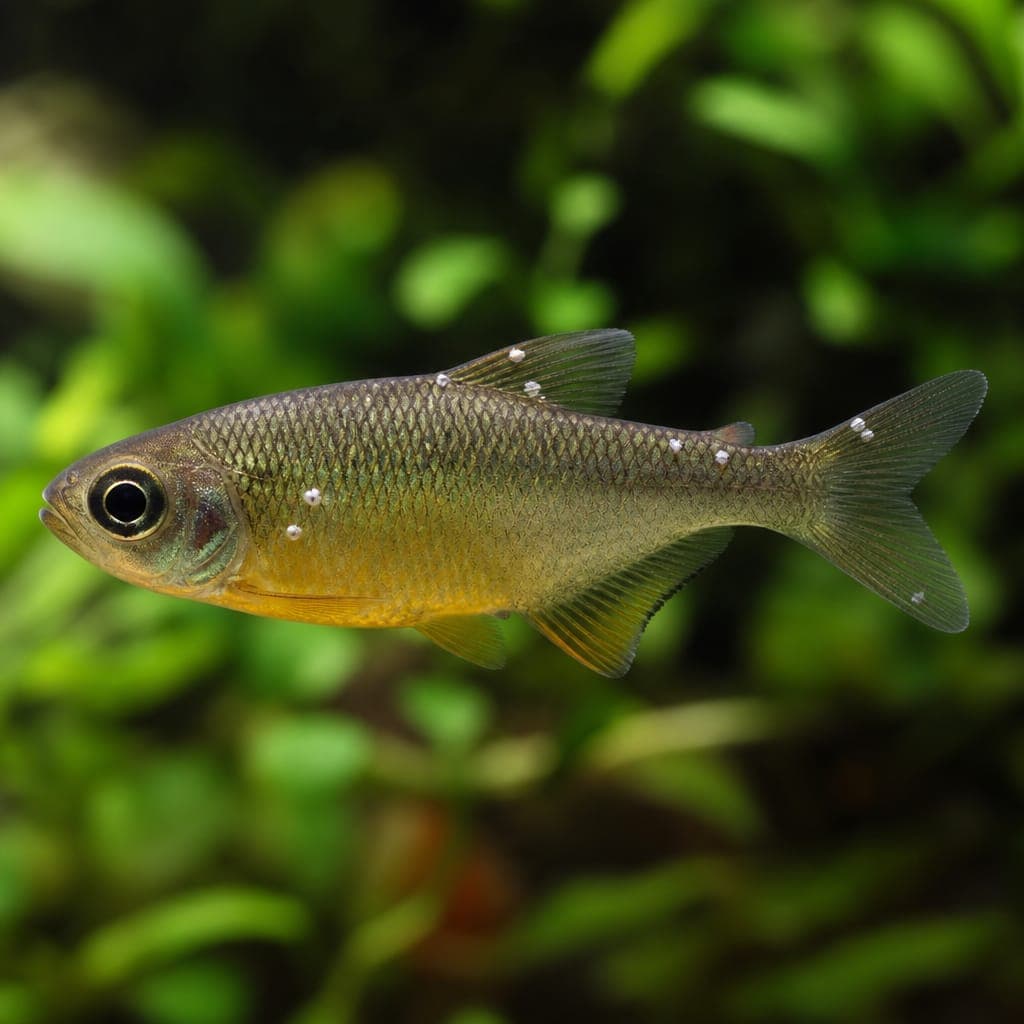
Aurora Cichlids are generally hardy fish; however, they can be prone to certain health issues, such as Ich (Ichthyophthirius multifiliis), fin rot, and stress-related complications. To prevent these diseases, it is crucial to maintain optimal water parameters, perform regular water changes, and monitor tank conditions closely. Quarantine new arrivals, offer a varied diet, and avoid overcrowding so territorial stress stays low. Watch for white spots, frayed fins, rapid breathing, or sudden colour fading, and treat affected fish promptly in a hospital tank. Keep ammonia and nitrite at zero and perform partial water changes on a schedule. With stable conditions and early intervention, your Aurora Cichlids remain hardy, colourful, and free of recurring disease for years.