The Axolotl: Ambystoma mexicanum
A neotenic salamander that stays in its larval form forever. With its permanent smile, feathery gills, and regeneration abilities, the Axolotl is nature at its most fascinating.
Axolotl
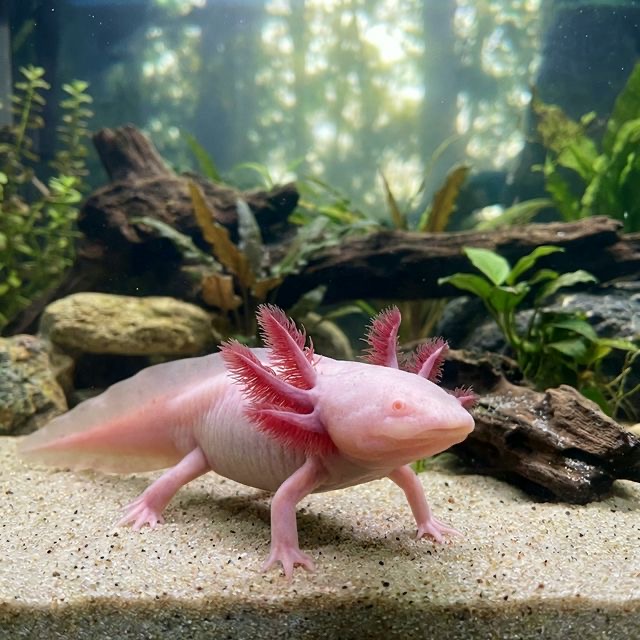
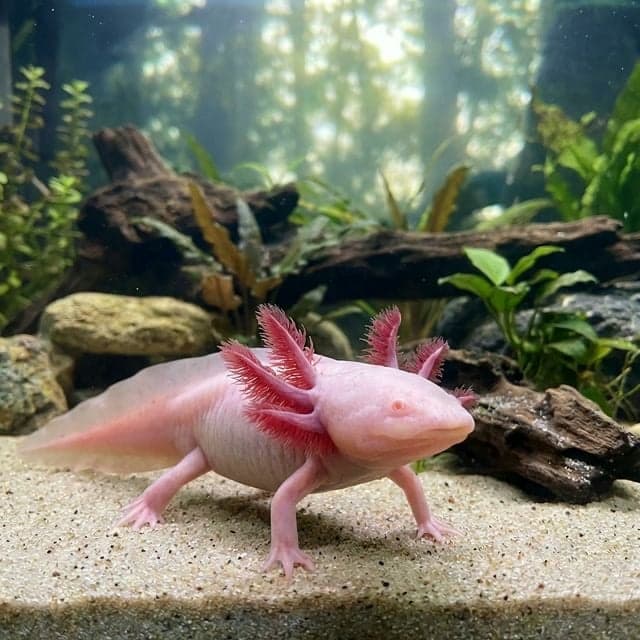
The Axolotl (Ambystoma mexicanum) is a unique and captivating creature that has become increasingly popular in the aquarium hobby due to its striking appearance and intriguing biology. Often referred to as a "Mexican walking fish," although it is not a fish but an amphibian, the Axolotl is distinguished by its external gills that resemble feathery fronds and its wide, smile-like mouth. Its body can exhibit a range of colors, including the wild-type, which presents a dark, mottled coloration, and various leucistic and albino morphs showcasing shades of pink and white. With its remarkable regenerative abilities, allowing it to regrow limbs and even parts of its heart and brain, the Axolotl holds significant scientific interest, making it a centerpiece for both aquarists and researchers alike.
In the aquarium hobby, the Axolotl presents a stunning visual attraction that can enhance the aesthetic value of both home tanks and public displays. Their curious and somewhat quirky behaviors, such as floating and tilting their heads while observing their environment, add to their charm. The Axolotl's relatively low-maintenance care requirements and unique needs also make it an ideal candidate for those looking to expand their aquatic collection with something out of the ordinary. As a representative of biodiversity and an emblem of conservation efforts, the Axolotl serves as a reminder of the importance of preserving our natural habitats.
Natural Habitat & Origin
The Axolotl originates from the ancient lake system of Xochimilco near Mexico City, Mexico. This unique amphibian is predominantly found in freshwater environments characterized by shallow lakes, canals, and wetlands. These habitats are known for their dark, murky waters, often classified as blackwater due to the presence of decomposing vegetation and organic matter. The Axolotl thrives in environments that provide ample shelter, such as submerged vegetation and debris, allowing these creatures to hide from potential predators while maintaining their aquatic lifestyle.
In its natural habitat, the Axolotl is a nocturnal creature, preferring to remain hidden during the daylight hours. Alas, habitat loss and environmental degradation have led to a significant decline in Axolotl populations, contributing to its status as an endangered species. This makes their presence in aquariums not only a matter of aesthetic appeal but also a commitment to raising awareness about conservation efforts for this unique amphibian.
Care Requirements
Caring for an Axolotl requires a suitable environment tailored to its specific needs. The ideal water parameters for an Axolotl include a pH of 6.5 to 8.0, a temperature between 16°C to 20°C (60°F to 68°F), and a water hardness of 5 to 20 dGH. To maintain these conditions, a high-quality filtration system that does not create strong currents is essential, as Axolotls prefer calm waters. The minimum tank size for one Axolotl should be at least 20 gallons to provide enough space for swimming and hiding, with larger tanks recommended for multiple individuals.
For substrate, bare bottom or fine sand is preferable to minimize the risk of impaction, as Axolotls are known to ingest larger particles while foraging. Lighting should be subdued, as bright lighting can stress these creatures; instead, consider using floating plants to create shade. Plant life, though not essential, can enhance the tank's aesthetic and provide hiding spots, with options like Anubias, Java Fern, and Hornwort being highly recommended.
Diet & Feeding
The Axolotl is primarily carnivorous and benefits from a varied diet that includes both live and frozen foods. They thrive on a diet of high-protein offerings such as earthworms, bloodworms, and small fish. Specialized pellet food designed for carnivorous amphibians can also be included in their diet. Providing a variety of textures and types of food helps mimic their natural feeding habits and promotes overall health.
Due to their size and feeding behavior, Axolotls may take longer to consume their food, so care must be taken not to leave uneaten food in the tank for too long, as this can lead to water quality issues. It is essential to feed juvenile Axolotls smaller food items, gradually increasing the size as they grow. An important aspect of feeding is to deliver food at a consistent schedule—feeding them every 2-3 days is generally adequate, ensuring they receive enough nutrients without overfeeding.
Behavior & Temperament
Axolotls are generally solitary and non-aggressive creatures, making them an excellent choice for home aquariums. They do not exhibit strong schooling habits, as they prefer to explore their surroundings independently. In their natural environments, they tend to stay near the bottom, utilizing their gills and bodies to adapt to their lifestyle as aquatic hunters.
Socially, Axolotls are relatively docile but may display some territorial behavior toward one another, especially if they feel crowded. When kept in groups, it is crucial to provide adequate space and multiple hiding spots to reduce stress and potential conflicts. Vertical placement within the tank is not a common behavior for Axolotls, as they usually spend their time at the bottom, making careful consideration of tank depth and structure essential for their well-being.
Tank Mates
When considering tank mates for Axolotls, it's crucial to choose species that will not pose a threat or compete for resources. Suitable tank mates include small, peaceful fish like white cloud mountain minnows, or certain types of dwarf shrimp that can coexist without aggression or risk of being eaten. These species typically swim higher in the water column, ensuring they remain out of harm's way from the Axolotl's hunting instincts.
On the flip side, Axolotls should never be housed with aggressive fish, large species, or those with fin displays, like bettas, as they may try to nip at or attack the Axolotl. Likewise, fast-swimming fish such as guppies or tetras are also unsuitable, as they may cause stress to the sluggish Axolotl. To maintain harmony in the aquarium, always assess the temperaments and sizes of potential tank mates before making introductions.
Breeding
Breeding Axolotls in captivity involves creating specific conditions that mimic their natural breeding environment. During the spawning season, which typically occurs when water temperatures rise slightly, male Axolotls will perform courtship displays by swimming in circles and enticing females to follow. Females can lay hundreds of eggs, which they attach to plants or surfaces within the tank.
For successful breeding, maintain water temperatures around 18°C to 20°C (64°F to 68°F), and ensure the tank is well-planted with plenty of hiding spaces. After about two weeks, the eggs will hatch into larvae, at which point it is essential to provide adequate nutrition through baby brine shrimp or finely crushed pellets. Careful monitoring of water quality and the provision of adequate space for the growing larvae are critical components for successfully raising Axolotl offspring.
Common Health Issues
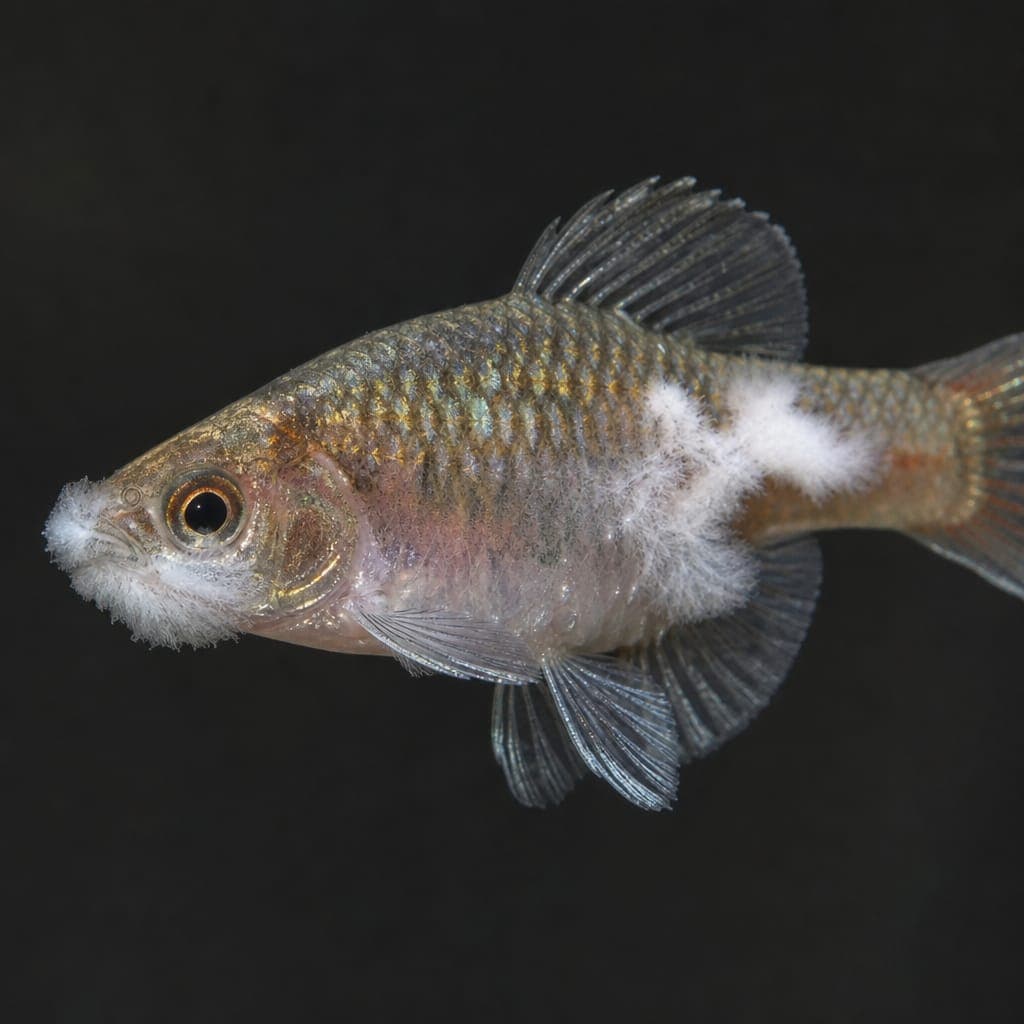
Axolotls are generally hardy but can fall prey to certain health issues, particularly if tank conditions are not optimal. Common diseases include bacterial infections, fungal infections, and parasite infestations, often exacerbated by poor water quality or stress. Symptoms may include abnormal swimming behavior, visible lesions, or discoloration of the skin.
To help prevent these problems, keep temperatures cool and stable, maintain excellent water quality, and avoid rough substrate or sharp décor that can injure their delicate skin and gills. Quarantine new tank mates carefully, and seek veterinary advice promptly if lesions or lethargy appear.