Bamboo Shrimp: Atyopsis moluccensis
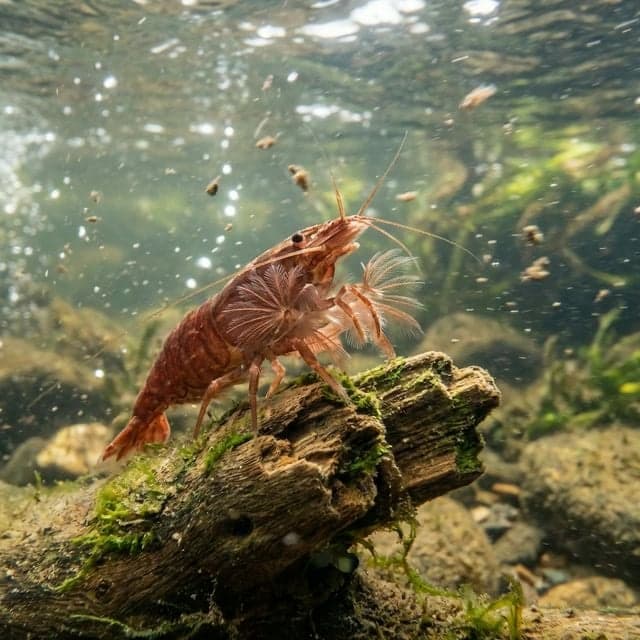
A gentle giant filter-feeder that fans the water current with specialized "catching mitts." One of the most peaceful and fascinating invertebrates available.
Bamboo Shrimp
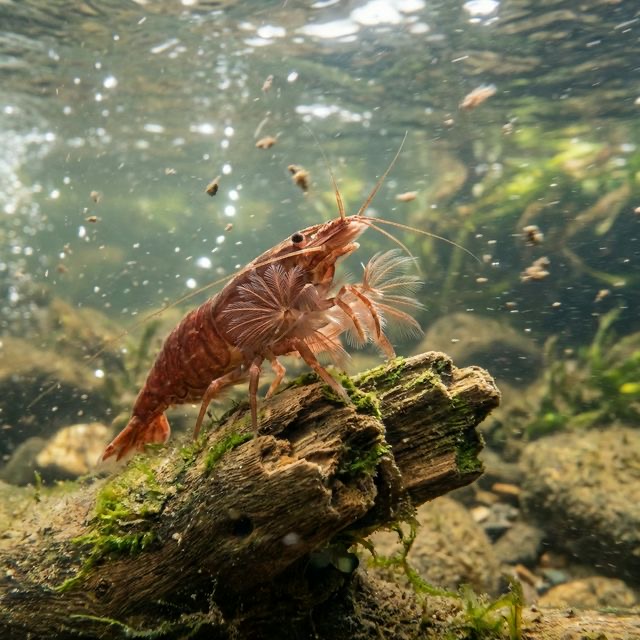
The Bamboo Shrimp (Atyopsis moluccensis) is a fascinating freshwater crustacean that has garnered significant interest among aquarists due to its unique appearance and captivating behaviors. Commonly known for its striking coloration, which can range from pale blue to vibrant yellow and brown, the Bamboo Shrimp boasts long, delicate antennae and an intricate structure that resembles a mini-filtering fan. This visual appeal is further enhanced by its ability to blend seamlessly into the environments of densely planted aquariums, making it an attractive addition to both community tanks and specific biotope setups.
In the aquarium hobby, the Bamboo Shrimp holds particular significance due to its role as a natural scavenger and algae-eater. Its fascinating filter-feeding habit allows it to effectively clean the water while feeding on particulate matter, contributing to overall tank health. Aquarists appreciate the Bamboo Shrimp not only for its functionality as a cleaner but also for its intriguing behavioral display, as it gracefully waves its fan-like appendages in the water column. With the right care and environment, the Bamboo Shrimp can thrive, providing both aesthetic value and ecological benefits to any aquarium.
Natural Habitat & Origin
The Bamboo Shrimp is native to the waterways of Southeast Asia, primarily found in regions such as Indonesia, Malaysia, and Thailand. This species typically inhabits freshwater rivers, streams, and associated wetlands, where it seeks refuge among submerged rocks, roots, and dense vegetation. The natural waters of these regions are often characterized by soft, acidic blackwater or clearwater environments, exhibiting low mineral content and varying levels of organic matter that contribute to the shrimp's survival and health.
In its natural habitat, the Bamboo Shrimp thrives in warm conditions, often found in temperatures ranging from 24°C to 28°C (75°F to 82°F). The presence of abundant plant life provides both shade and food sources, as their feeding habits rely on particulate matter that collects in these lush environments. Understanding the Bamboo Shrimp's natural context is crucial for replicating its ideal living conditions in captivity.
Care Requirements
When caring for Bamboo Shrimp, it's essential to maintain specific water parameters to ensure their well-being. The ideal pH level ranges from 6.5 to 7.5, with a water hardness of 2-15 dGH. Temperatures should be kept between 24°C to 28°C (75°F to 82°F) to mimic their natural tropical habitat. A well-maintained aquarium providing stable conditions will significantly enhance their health and longevity.
For tank setup, a minimum size of 20 gallons is recommended to allow adequate swimming space and territory. The substrate should be soft and sandy to avoid harming their delicate bodies. Dense planting with live aquatic plants such as Java moss, Anubias, or Hornwort, along with suitable hiding spots like driftwood or rocks, will create an appealing environment for the Bamboo Shrimp. Lighting should be moderate, allowing plants to thrive while providing enough visibility for the shrimp to carry out its activities.
Diet & Feeding
Bamboo Shrimp are primarily omnivorous and thrive on a varied diet. In the wild, they are filter feeders, consuming small particles suspended in the water. In a home aquarium setting, they can be fed a mixture of high-quality flake foods, crushed pellets, and specialized shrimp foods that contain spirulina or other algae. Additionally, offering frozen or live foods such as daphnia, brine shrimp, or bloodworms can provide essential nutrients and encourage natural foraging behaviors.
Because Bamboo Shrimp primarily feed through filtering, maintaining excellent water quality is crucial. This ensures that their food source is abundant and contributes to a healthy environment. It's also advisable to feed multiple small portions throughout the day rather than a single large feeding, allowing for the shrimp to take in food more consistently and engaging their natural feeding instincts.
Behavior & Temperament
The Bamboo Shrimp is generally peaceful and can coexist well with a variety of tank mates. While they are not considered schooling animals, they enjoy the company of their kind and should ideally be kept in groups of three or more. Their temperament is curious and relatively non-aggressive, making them suitable for community tanks with other peaceful species.
These shrimp have a unique vertical placement behavior in the tank, often found sitting on surfaces like decorations or plants. They can also be seen suspended in the water column, where they gracefully wave their fan-like appendages to capture food particles. Observing their feeding is one of the highlights of keeping Bamboo Shrimp, as their natural elegance adds significant value to any aquarium display.
Tank Mates
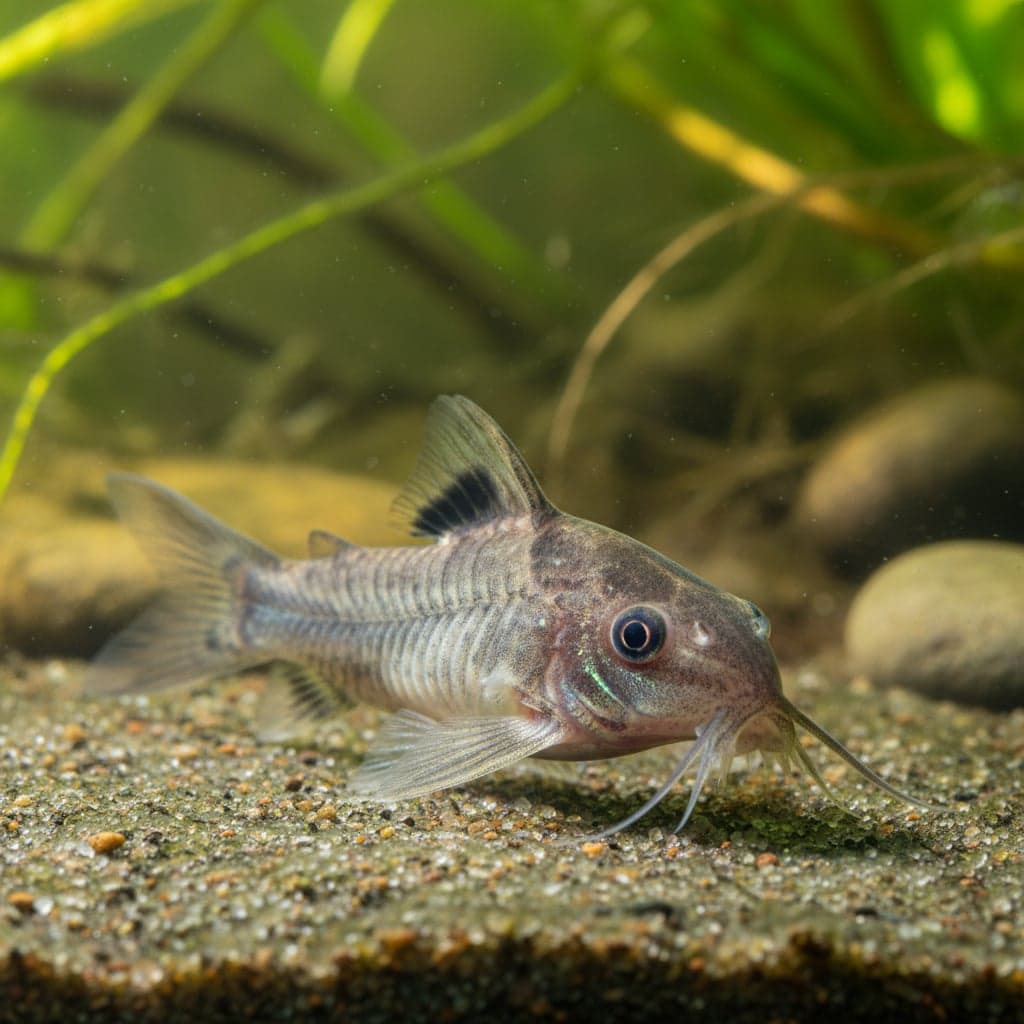
Finding compatible tank mates for Bamboo Shrimp is essential for creating a harmonious aquarium environment. Ideal tank mates include small, peaceful fish such as Neon Tetras, Rasboras, Corydoras Catfish, and small Wrasses. They can also share space with other non-aggressive invertebrates, including Snails and other small Shrimp species, provided that the tank is spacious and well-planted.
However, it is crucial to avoid placing them with larger or more aggressive fish, such as Cichlids or larger Gouramis, which might see the Bamboo Shrimp as food or a threat to their territory. Keeping an eye on the dynamics of the tank can help ensure a peaceful coexistence, allowing for a thriving underwater ecosystem.
Breeding
Breeding Bamboo Shrimp in captivity is challenging but rewarding for dedicated aquarists. Spawning typically occurs when the female is carrying fertilized eggs, which are carried beneath her tail until they hatch into larvae. The young Bamboo Shrimp are planktonic and require brackish water conditions to survive during their larval stage; therefore, a separate breeding tank with appropriate salinity and specific care is recommended for successful breeding.
To encourage breeding, it's essential to provide an ideal environment with stable water conditions, plenty of hiding spots, and a varied diet to help enhance the health of the shrimp. Once the larvae develop into juvenile shrimp, they can be reintroduced back into the main tank to grow into adult Bamboo Shrimp.
Common Health Issues
Bamboo Shrimp are generally hardy; however, they may face specific health issues that aquarists should be aware of. Common ailments include shell disease or molting difficulties, primarily due to poor water quality or inadequate calcium levels in the diet, which can lead to weakened exoskeletons. To prevent these health issues, maintaining high water quality through regular water changes and testing is essential.
Bamboo Shrimp can also be susceptible to parasites like larvae or other disease organisms. Providing a stress-free environment with sufficient hiding spots and a stable aquarium ecosystem can significantly reduce the risk of these diseases. Regular monitoring and maintaining optimal tank conditions will help keep your Bamboo Shrimp healthy and thriving.