Banded Green Chromide: Etroplus suratensis
A large, brackish water cichlid from India. Peaceful and herbivorous.
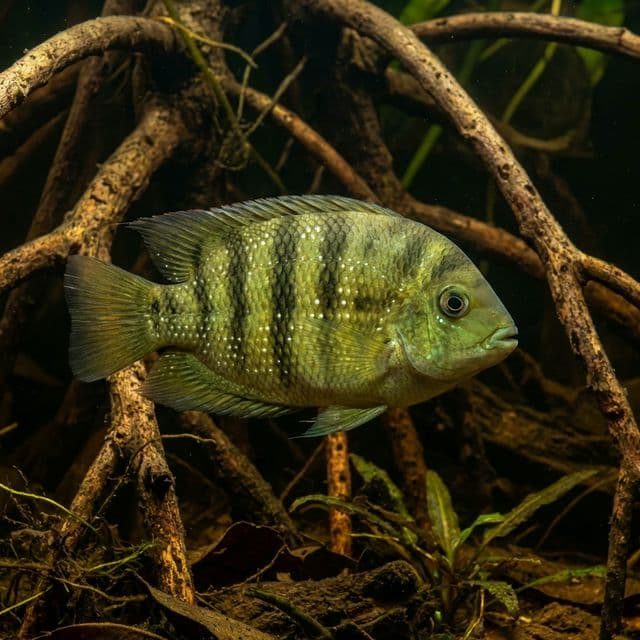
Banded Green Chromide
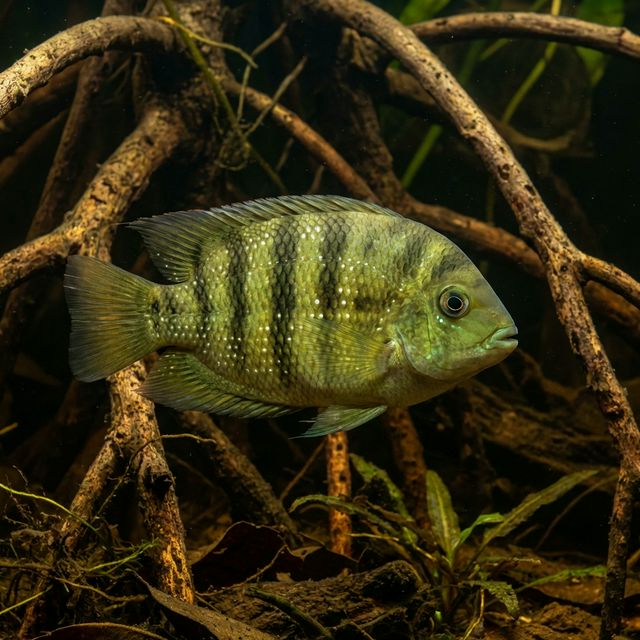
The Banded Green Chromide, or Etroplus suratensis, is a captivating South Asian cichlid that has garnered significant attention in the aquarium hobby due to its striking coloration and unique behaviors. This fish features a vibrant green body adorned with prominent black vertical stripes, which serve not only as a visual attraction but also as a means of communication and camouflage in its natural environment. The Banded Green Chromide can grow up to 12-16 inches (30-40 cm) in length, which makes it a fish for large aquariums only. Its eye-catching appearance and engaging personality make it a popular choice among aquarists looking to create a dynamic and visually striking display.
In addition to its visual appeal, the Banded Green Chromide holds cultural significance in some regions, especially in its native habitat of India and Southeast Asia. It is often found in local fisheries and is recognized for its adaptability to various freshwater environments, making it a resilient species. The Banded Green Chromide is not only aesthetically pleasing; it also plays a role in submerged vegetation maintenance, thereby contributing to the health of its ecosystem. As a result, knowledge of this species is essential for enthusiasts who wish to replicate their natural environment in an aquarium setting while ensuring the fish thrive in captivity.
Natural Habitat & Origin
The Banded Green Chromide is predominantly found in the freshwater bodies of India, Sri Lanka, and parts of Southeast Asia, including the coastal brackish waters. It typically inhabits rivers, lakes, and lagoons characterized by slow-moving waters and abundant vegetation. These habitats often consist of both clearwater and blackwater environments, where the latter is enriched with tannins and organic materials, creating a more acidic condition conducive to the species. The presence of plants and substrate in these habitats not only provides shelter but also contributes to the ecological balance required for their survival.
The Banded Green Chromide thrives in environments with varying levels of salinity, allowing it to adapt across multiple aquatic systems. The diverse nature of its habitat signifies its importance as a species capable of enduring different water qualities. As such, understanding its natural habitat is crucial for aquarium keepers looking to emulate similar conditions, emphasizing the significance of pH levels, filtration, and the type of substrate used in home tanks.
Care Requirements
Caring for the Banded Green Chromide requires attention to specific water parameters to ensure their well-being. The ideal pH range for this species is between 6.5 and 7.5, with a temperature preference of 75 to 82 degrees Fahrenheit. While this fish can tolerate moderate levels of hardness, a range of 6 to 12 dGH is recommended to maintain optimal health. In terms of tank setup, a minimum tank size of 50 gallons is advisable, allowing ample swimming space and territories for each fish.
The substrate should be soft and sandy, simulating its natural habitat, while ensure that sharp edges are avoided to protect their sensitive bodies. A low to moderate lighting setup is preferred, coupled with plenty of hiding spots created using rocks, driftwood, and plants like Anubias or Java Fern. The presence of live plants is crucial, as it mimics their natural environment and provides cover and grazing opportunities, contributing to a stress-free aquatic habitat.
Diet & Feeding
The Banded Green Chromide is an omnivorous species that thrives on a varied diet. In captivity, it benefits from high-quality flake foods, pellets, and a mix of frozen or live options such as brine shrimp, bloodworms, and daphnia to ensure balanced nutrition. A diet rich in both protein and plant-based matter is crucial, as it aids in maintaining their vibrant coloration and overall health. It is advisable to feed these fish multiple small portions throughout the day rather than one large meal to prevent overfeeding and water quality deterioration.
Regularly incorporating fresh vegetables into their diet, such as blanched spinach or zucchini, can promote healthy digestion and provide essential nutrients. As the Banded Green Chromide can display varying feeding behaviors, monitoring their eating habits is vital; if one fish seems to dominate feeding time, it may be necessary to restructure feeding to ensure all individuals receive adequate nutrition.
Behavior & Temperament
The Banded Green Chromide exhibits a peaceful yet social demeanor, favoring a semi-aggressive disposition, particularly during breeding periods. Typically, they thrive in groups, and it is recommended to keep them in small shoals. Their schooling habits are essential for maintaining a natural social structure, promoting more dynamic interactions among tank mates. The Banded Green Chromide is known to establish territories, especially males, so providing enough space and hiding spots is vital to prevent aggression and territorial disputes.
In terms of placement within the tank, this species is often found swimming at various levels of the aquatic environment. However, they show a preference for lower to mid-water sections, where they can actively forage among rocks and plants. It's essential for aquarists to observe their behavior to ensure a harmonious community, as inadequate space or resources can lead to increased aggression.
Tank Mates
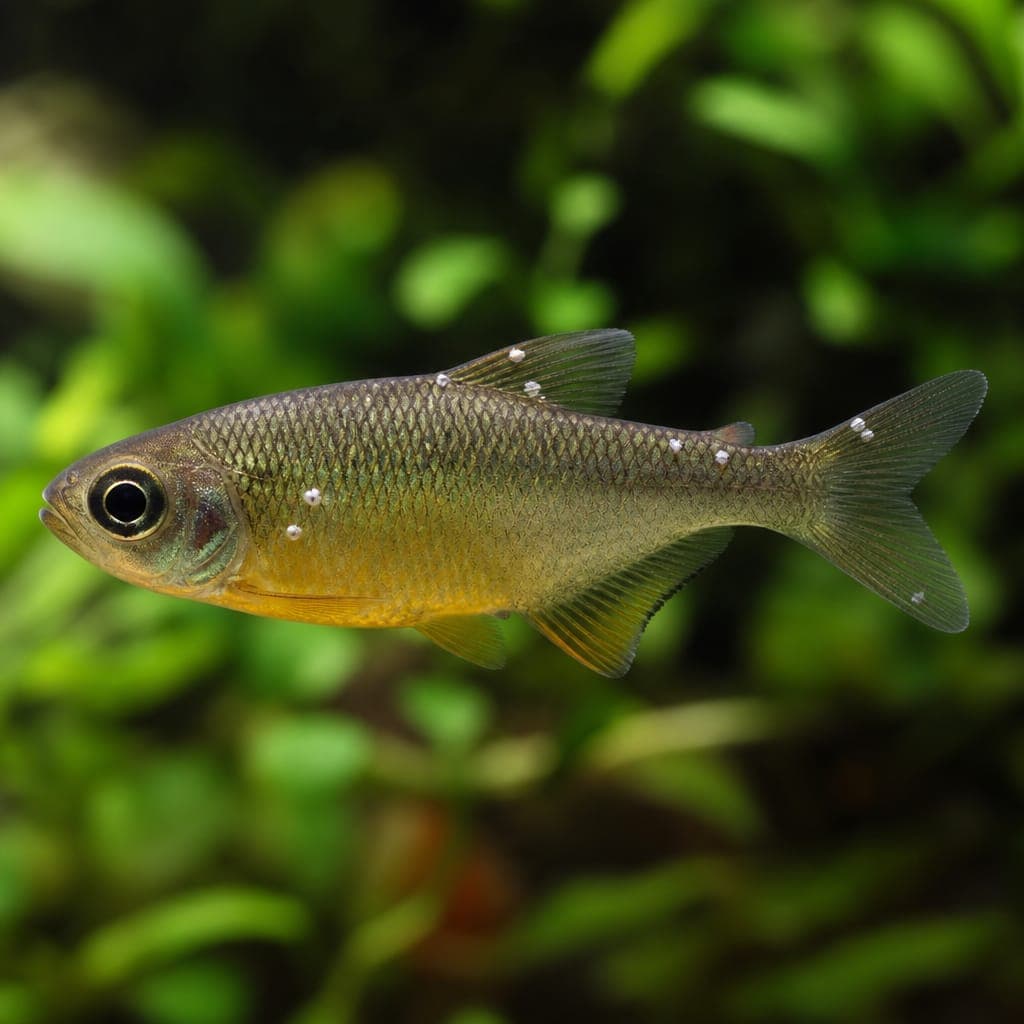
Choosing appropriate tank mates for the Banded Green Chromide is critical for a peaceful aquarium environment. Compatible species include other medium-sized cichlids such as the Rainbow Cichlid and the Convict Cichlid, as well as community fish like Rasboras, Tetras, and Loaches. Bottom-dwelling fish such as Corydoras or species like the Bristlenose Pleco are also good companions. It is essential to avoid overly aggressive or territorial fish, such as large South American cichlids or those known for bullying smaller species, to maintain harmony within the tank.
In addition, it is best to avoid keeping the Banded Green Chromide with species that require vastly different water conditions or those that are known to be fin nippers, which could stress this species and lead to health issues.
Breeding
Breeding the Banded Green Chromide in captivity can be a rewarding experience, although it may require careful observation and preparation. This species typically spawns on flat surfaces, such as rocks or plant leaves. To encourage breeding, it is essential to provide a separate breeding tank with ideal conditions, including slightly elevated temperatures (around 78-82°F) and stable water parameters. High-quality food should also be offered to promote health and vigor among potential breeding pairs.
Once spawning occurs, the female will lay up to several hundred eggs, which she and the male will guard protectively. After hatching, the fry will require intensive care, including the provision of infusoria or finely crushed flake food until they grow large enough to accept larger foods. Ensuring proper tank conditions and seamless monitoring will lead to successful breeding and ensure the health of the offspring.
Common Health Issues
Like all fish species, the Banded Green Chromide can be susceptible to various health issues if not properly cared for. Common ailments include ich (white spot disease), bacterial infections, and fin rot. Regular maintenance of water quality is crucial in preventing these issues, along with quarantining new arrivals to avoid introducing diseases into your main tank.
To further prevent health problems, ensure that the tank is adequately filtered and that a consistent routine for water changes is followed. Monitoring the fish for any signs of stress or unusual behavior is key, as early detection allows for prompt treatment. Additionally, providing a varied diet and stable tank conditions can bolster their immune systems and keep them thriving over the long term.