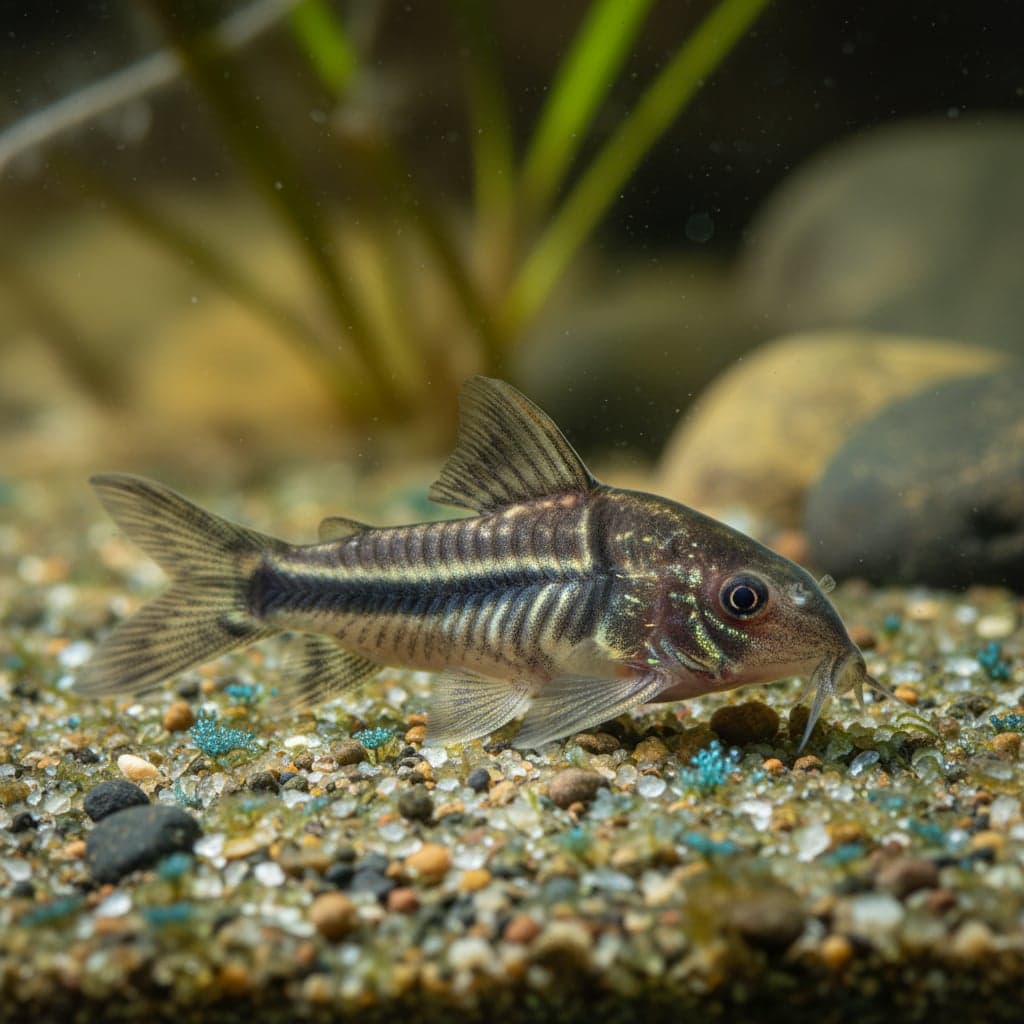
Barilioides Barb: Enteromius fasciolatus
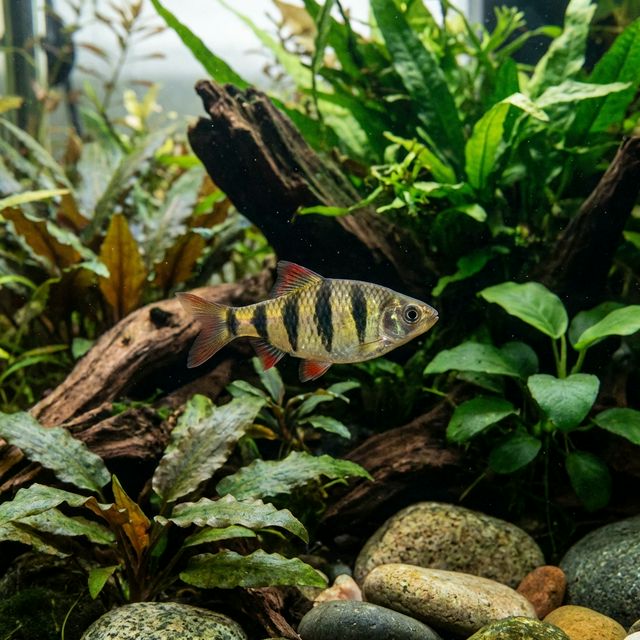
Also known as the Blue Banded Barb. A striking African barb with vertical blue bars.
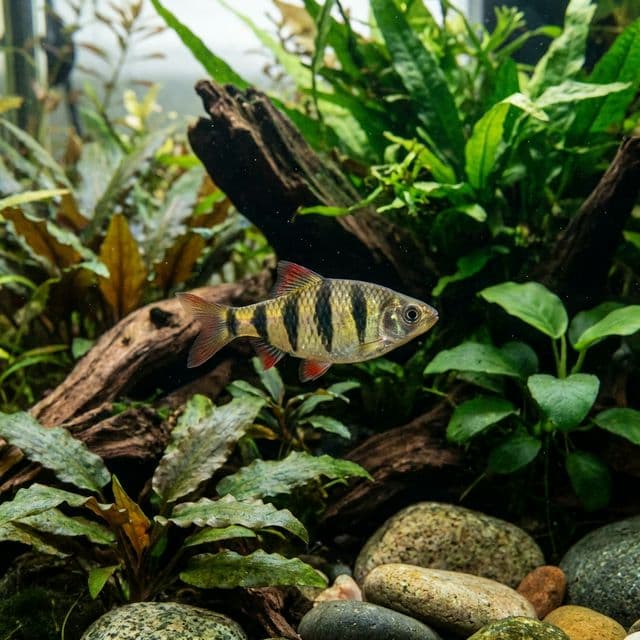
Barilioides Barb
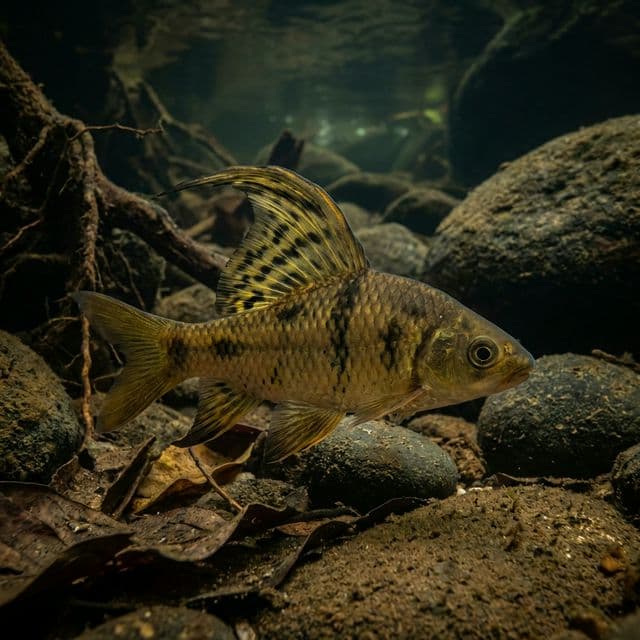
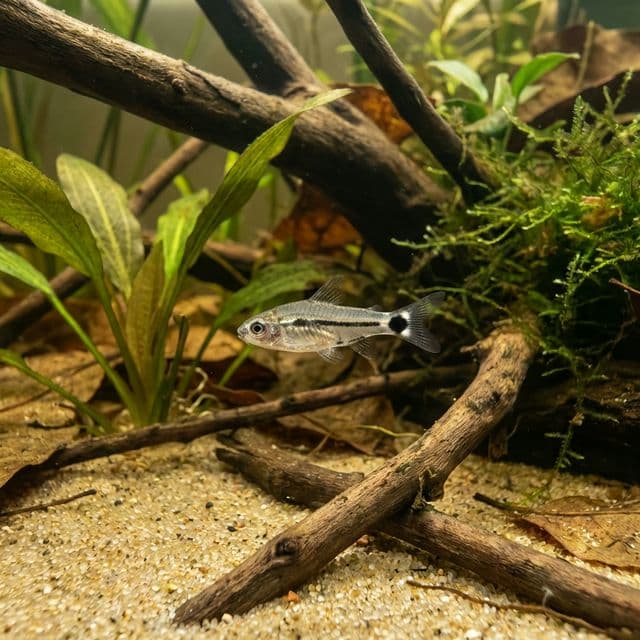
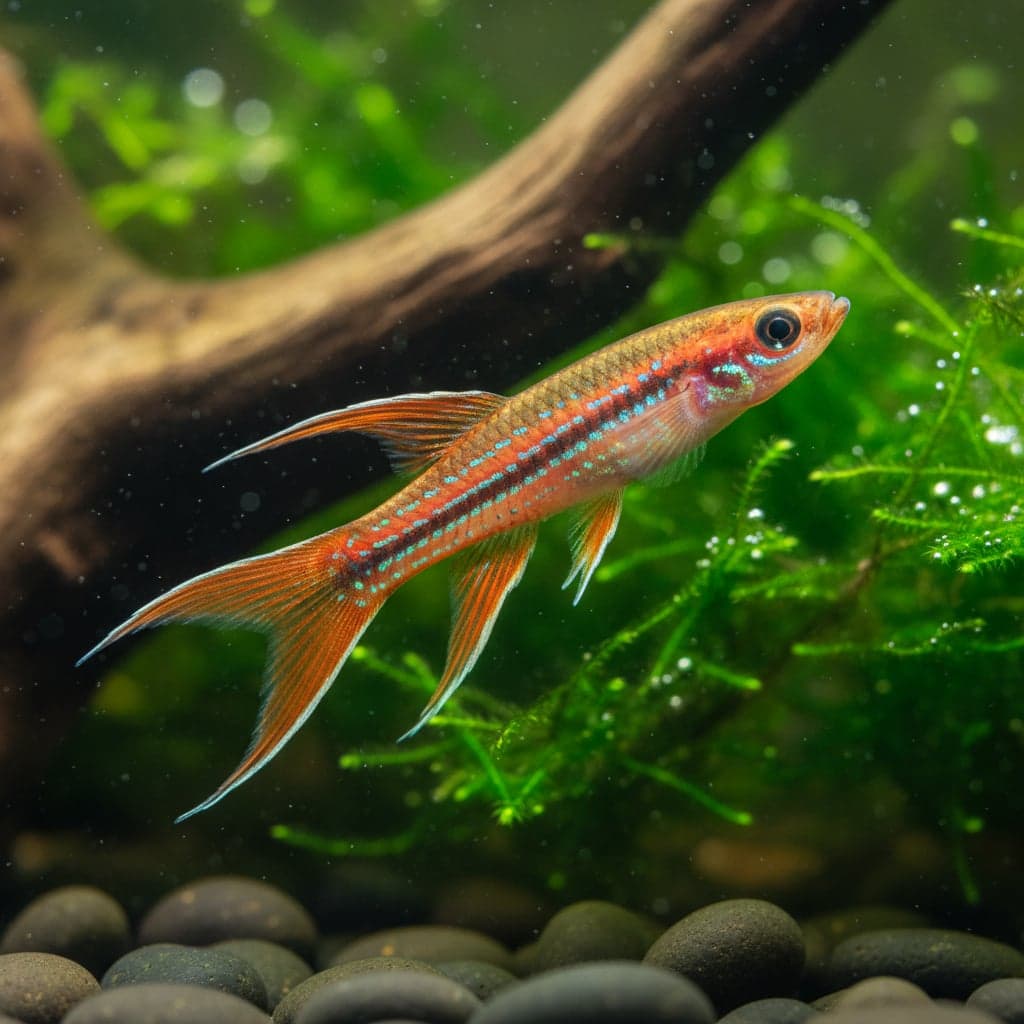
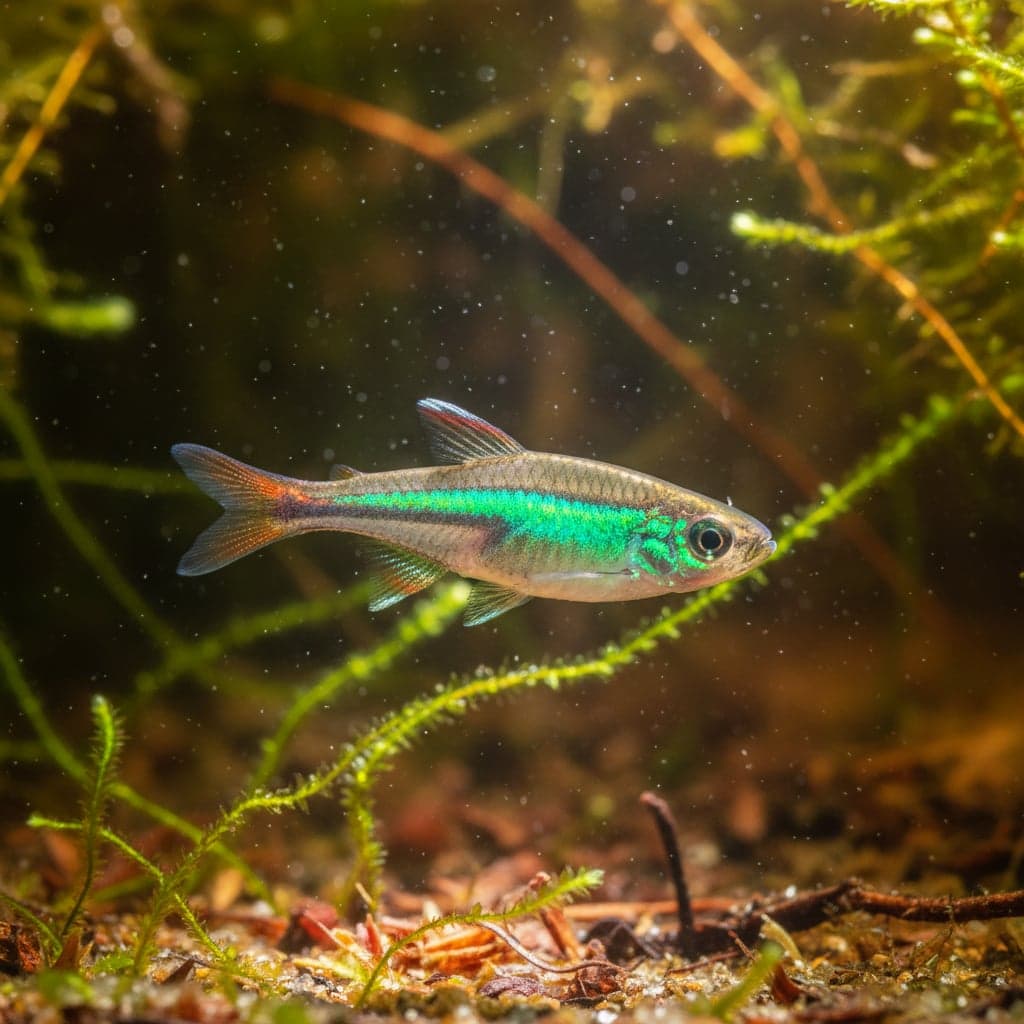
The Barilioides Barb, scientifically known as Enteromius fasciolatus, is a captivating freshwater fish that captures the hearts of aquarium enthusiasts due to its striking appearance and lively behavior. This fish is characterized by its elongated body and vibrant coloration, often adorned with bold black stripes that run along its sides, complemented by shimmering scales that reflect changing light. The visual appeal of the Barilioides Barb is further enhanced by its dynamic swimming style, which adds energy to community tanks. With its playful demeanor and aesthetic charm, the Barilioides Barb has become a popular choice among both beginner and advanced aquarists, enriching the biodiversity and vibrancy of aquaristic displays.
In terms of ecological significance, the Barilioides Barb plays a vital role in its native ecosystems by contributing to the balance of aquatic life. It feeds on various microorganisms and plant matter, thus contributing to the health of its natural habitat. The popularity of the Barilioides Barb in the aquarium trade has also led to a greater awareness of the need for sustainable wild capture practices and habitat preservation. This, combined with its adaptability and resilience, has helped the fish thrive in domestic tanks, making it not only a beautiful addition to any aquarium but also a species that underscores the importance of responsible aquaristic practices.
Natural Habitat & Origin
The Barilioides Barb originates from the warm, flowing rivers and streams of the Congo Basin in Central Africa, an area renowned for its rich aquatic biodiversity and unique ecological conditions. These habitats are typically characterized by slow-moving waters that are often heavily vegetated, creating a perfect setting for the Barilioides Barb to thrive. The water in these regions is usually soft and slightly acidic, presenting a blackwater environment rich in organic matter from decaying leaves and timber. Such conditions facilitate the natural behaviors of these fish, allowing for ample hiding spots and areas for foraging.
In the wild, Barilioides Barbs are commonly found in schools, providing safety in numbers as they navigate through their densely vegetated habitats. This geographical and environmental context indicates the importance of replicating similar conditions in captivity, thus ensuring that the species remains healthy and active in aquarium settings. Providing an environment that mirrors their natural habitat helps maintain their stress levels and enhances overall well-being.
Care Requirements
When considering the care requirements for Barilioides Barbs, certain water parameters are essential for their health. The ideal temperature range for these fish is between 24°C to 28°C (75°F to 82°F), with a recommended pH level of 6.0 to 7.5 and a hardness of 5 to 15 dGH. Maintaining the water quality is critical, as these fish are sensitive to fluctuations, particularly regarding ammonia and nitrite levels. A well-cycled aquarium with excellent filtration and regular water changes is necessary to ensure optimal living conditions.
For tank setup, a minimum tank size of 45 liters (12 gallons) is advisable to provide ample swimming space, as Barilioides Barbs enjoy exploring their environment. Choosing a fine, soft substrate is beneficial, as it mimics the sandy riverbeds from which they originate. Additionally, incorporating live plants, driftwood, and rocks can create hiding spots, further enriching their habitat. Lighting should be moderate to ensure plant growth while replicating the dappled light conditions found in their natural surroundings. Providing these elements not only promotes a healthy environment but also allows the Barilioides Barb to express natural behaviors.
Diet & Feeding
The Barilioides Barb is an omnivorous species with a diverse diet in its natural habitat, consuming everything from small insects and zooplankton to plant matter. In an aquarium setting, they should be offered a varied diet to ensure optimal health and coloration. High-quality flakes or pellets specifically designed for tropical fish can serve as base food, but supplementing this with frozen or freeze-dried options such as bloodworms, brine shrimp, or daphnia can enhance their diet. Additionally, providing fresh vegetables like blanched spinach or zucchini can promote healthy digestion.
Feeding should take place multiple times a day in small amounts to prevent overfeeding and maintain water quality. It is essential to observe the Barilioides Barbs during feeding to ensure all fish are receiving their share of food, especially in community tanks where competition for food can occur. This balanced and varied approach to feeding will encourage vibrant coloration and robust health in your Barilioides Barbs.
Behavior & Temperament
Barilioides Barbs are social and active fish that thrive in groups, exhibiting natural schooling behavior. Ideally, they should be kept in groups of at least six to eight individuals to prevent stress and loneliness, which can lead to shy and withdrawn behavior. When kept in a well-established school, they display playful interactions and can engage in lively swimming, often darting in and out of plants and decorations within the tank.
In terms of aggression, Barilioides Barbs are generally peaceful and can coexist with a variety of other species. However, they may display mild territorial behavior during breeding or if they feel crowded. It is not uncommon to witness them exploring various vertical levels of the aquarium; they often prefer mid to higher levels of the tank while feeling secure among plants or driftwood. Ensuring that their social needs are met will result in a vibrant addition to community tanks.
Tank Mates
When selecting tank mates for Barilioides Barbs, it is essential to choose species that share similar water requirements and temperament. Compatible species include small to medium-sized fish such as Tetras (e.g., Neon Tetra, Rummy Nose Tetra), rasboras, and other barbs like Cherry Barbs. Fish like Gouramis and peaceful cichlids can also coexist well, provided that tank space is sufficient to reduce stress levels.
However, species to avoid would include overly aggressive or fin-nipping fish, such as larger Cichlids, Betta Fish, and any other fish known for territoriality or belligerent behavior. Additionally, very small fish might be at risk of being viewed as food by Barilioides Barbs, so care should be taken to select appropriate companions that will coexist harmoniously and contribute to a thriving aquatic ecosystem.
Breeding
Breeding Barilioides Barbs in captivity can be a rewarding experience, albeit with some specific requirements for successful spawning. These fish become sexually mature at around six months of age, and during breeding, males display brighter coloration and more pronounced fins to attract females. To encourage spawning behavior, a separate breeding tank should be set up, ideally at around 24°C to 26°C (75°F to 78°F) with soft and slightly acidic water.
The spawning process usually involves the female laying eggs on flat surfaces or among plant leaves, with males closely following to fertilize the eggs. It is recommended to provide spawning mops or fine-leaved plants to give the eggs a safe space. After spawning, parents should be removed from the breeding setup to prevent them from eating the eggs or fry. The eggs typically hatch within 24-36 hours, and once the fry free themselves from the egg sac, they can be fed infusoria and finely crushed flakes. With the right conditions and care, aquarists can enjoy watching the cycle of life unfold from these enchanting fish.
Common Health Issues
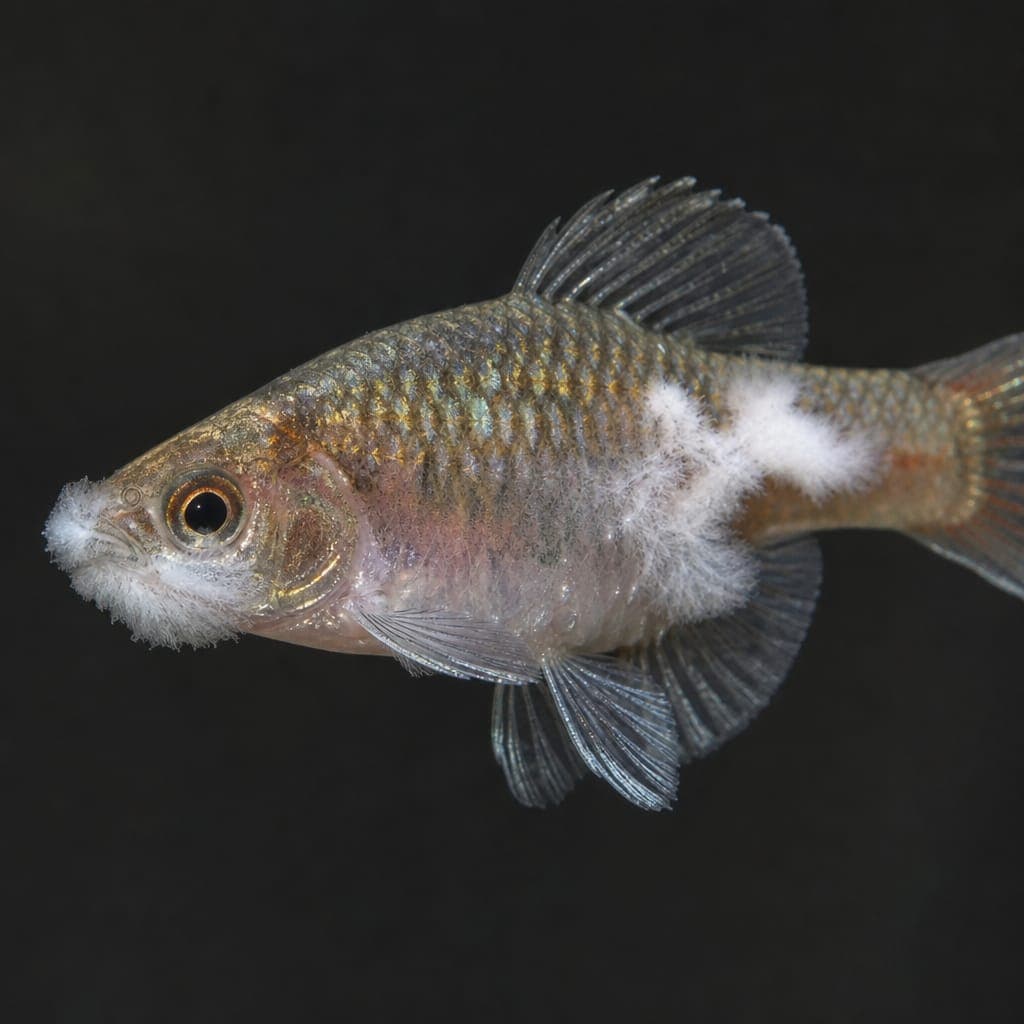
While Barilioides Barbs are generally hardy, they can be susceptible to certain ailments when water quality slips or the school is stressed. Ich, fin rot, and fungal infections are the most common issues; treat early while correcting ammonia, nitrite, and overcrowding. Quarantine newcomers, keep a tight lid on jumpers, and offer a varied omnivore diet to support immunity. Regular water changes and stable temperatures reduce outbreaks. Watch for white spots, clamped fins, or listless schooling, and act promptly so Barilioides Barbs stay energetic, colorful shoalers in a planted community tank.