Beckford's Pencilfish: Nannostomus beckfordi
A classic pencilfish. Males spar colorfully without doing damage. Excellent dither fish.
Beckford's Pencilfish
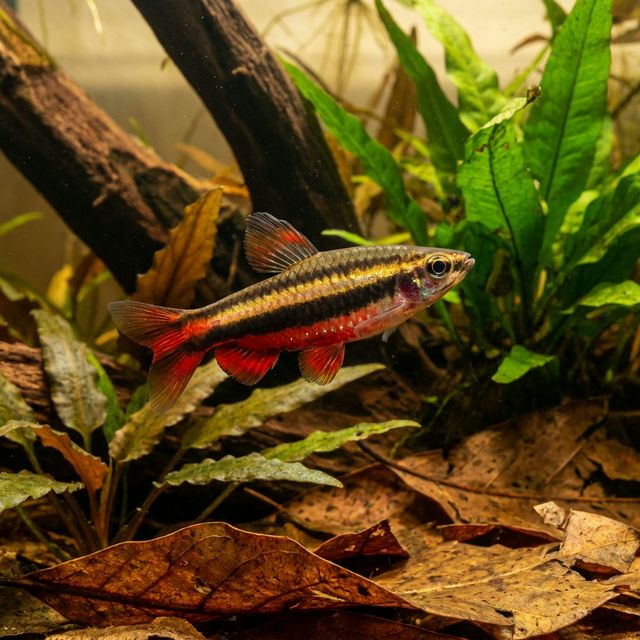
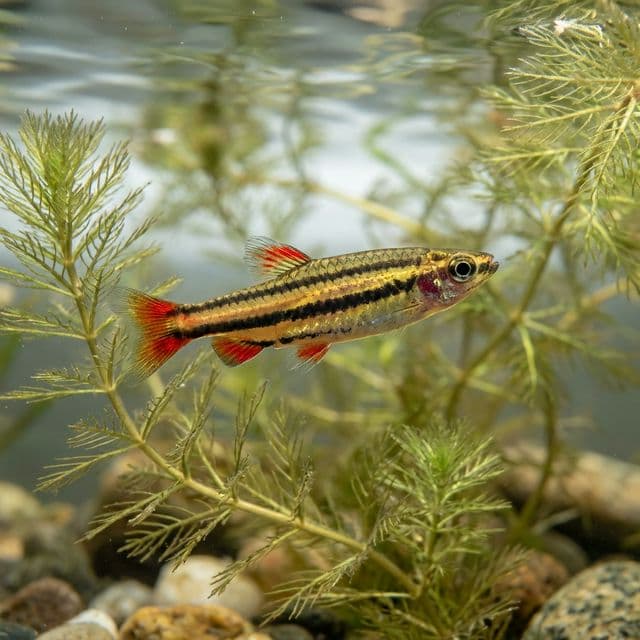
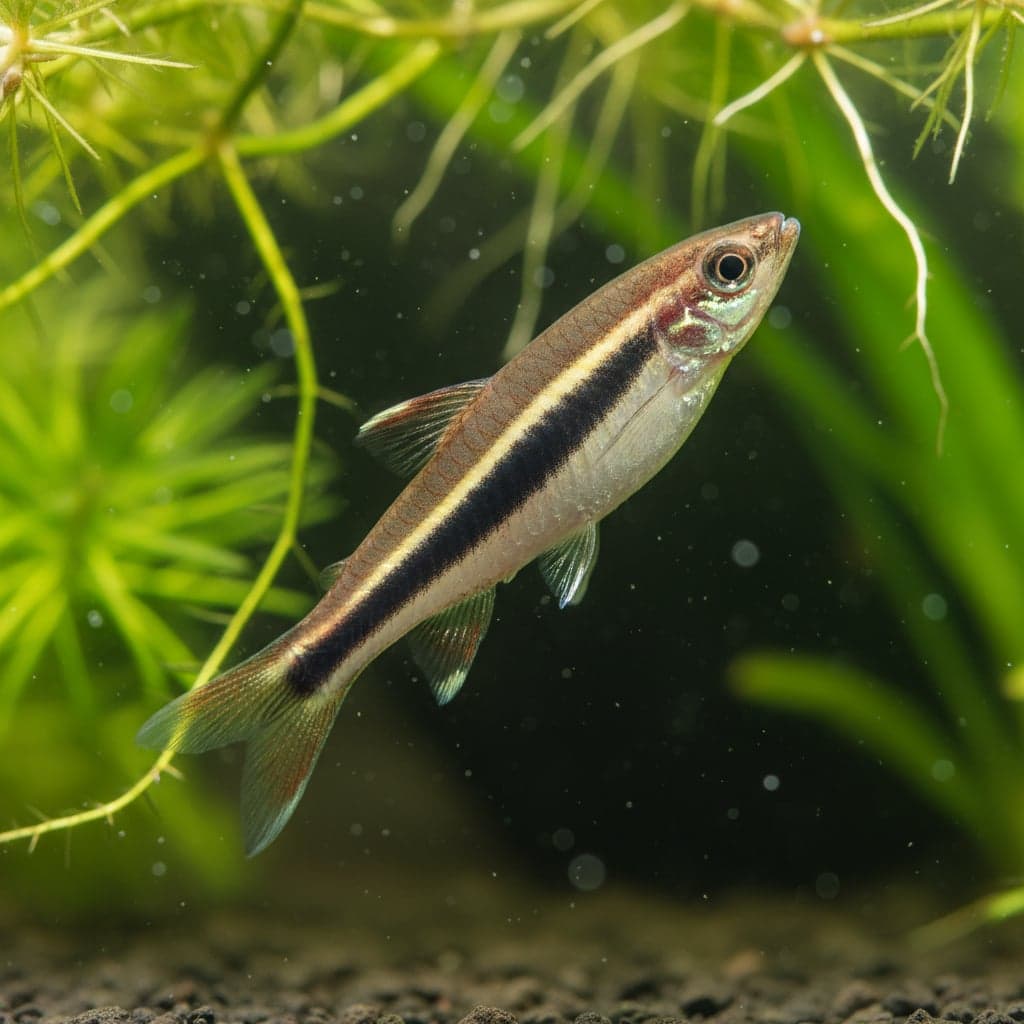
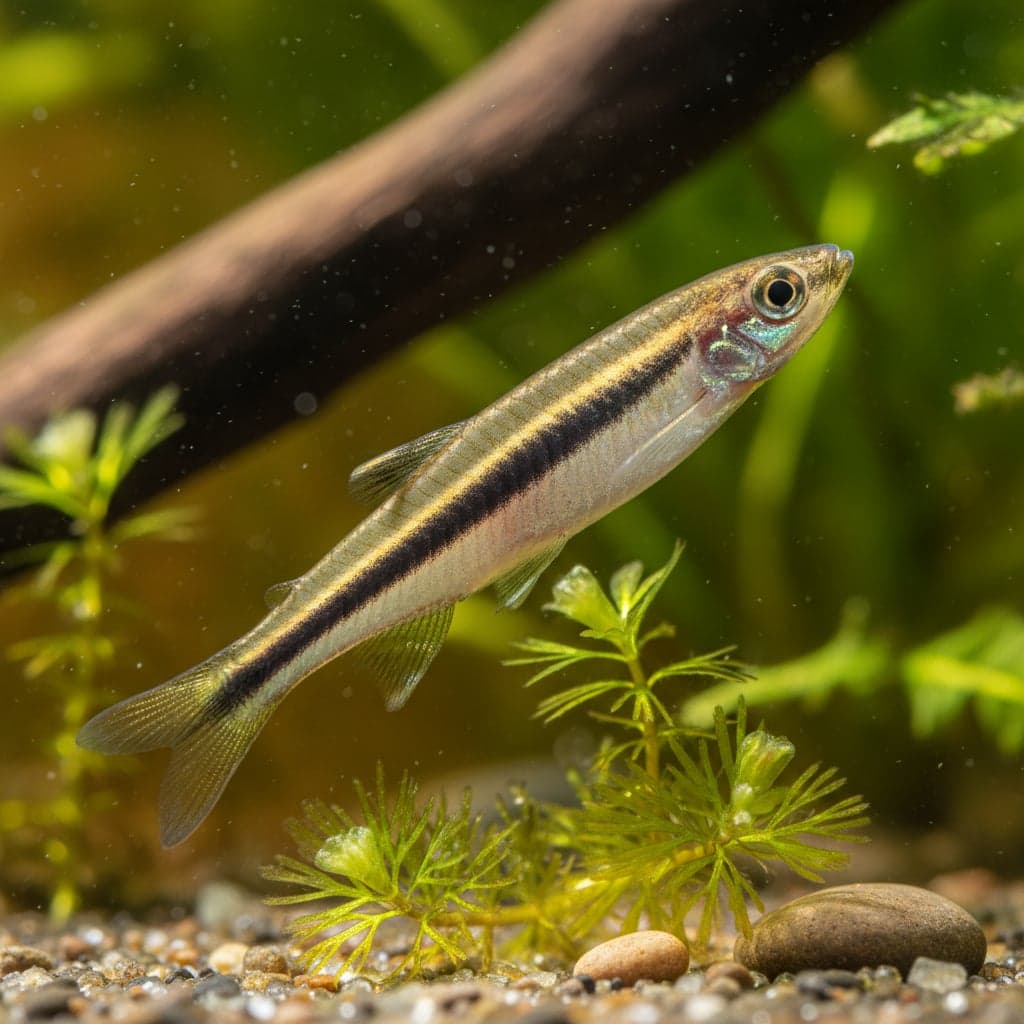
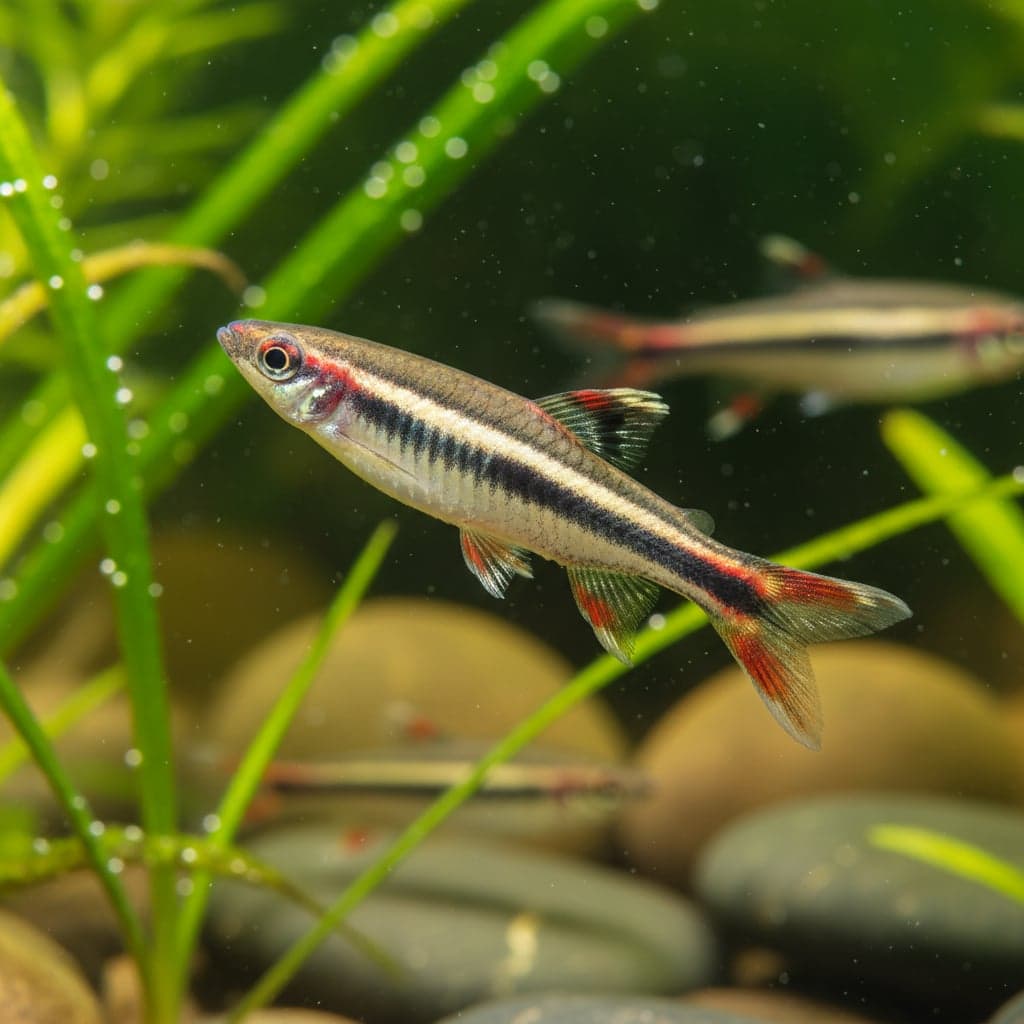
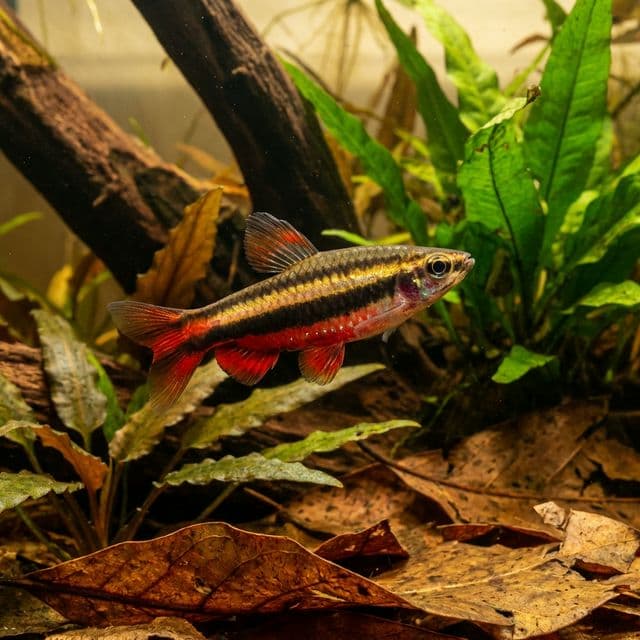
Beckford's Pencilfish, scientifically known as Nannostomus beckfordi, is a captivating and slender freshwater fish that appeals to both novice and seasoned aquarists. This species is characterized by its elongated, pencil-like body, which can reach about 2 inches in length. The striking coloration features a golden-yellow hue interspersed with vertical dark stripes that add to its aesthetic allure. With its delicate fins and graceful swimming style, Beckford's Pencilfish not only enhances the visual appeal of community tanks but also adds an element of dynamic movement, making it a favorite among aquarists.
In the aquarium hobby, Beckford's Pencilfish holds a special significance due to its peaceful nature and adaptability to diverse setups. Its sociable behavior encourages it to thrive in groups, which brings out its natural schooling tendencies. This species is often considered a perfect introduction to the world of small, community-friendly fish, enhancing the overall biodiversity and beauty of an aquarium. It is also a symbol of the unique aquatic biodiversity found in South American rivers, emphasizing the importance of preserving such habitats.
Natural Habitat & Origin
Beckford's Pencilfish originates from the lush waterways of the Amazon Basin, particularly in the countries of Guyana, Suriname, and Brazil. This fish thrives in slow-moving streams and floodplains with abundant vegetation, where it can find refuge and forage for food. The natural habitat of Beckford's Pencilfish is predominantly blackwater, characterized by its tannin-stained waters that come from decaying leaf litter and organic matter. This environment hosts varying water parameters, often leading to soft, acidic conditions rich in nutrients vital for the overall health of the ecosystem.
In their native habitats, Beckford's Pencilfish are often found near the bank areas where dense plant life offers both shelter from predators and a hunting ground for small invertebrates. It's crucial for aquarium keepers to replicate such conditions, ensuring that Beckford's Pencilfish feel secure and acclimatize well in captivity.
Care Requirements
When caring for Beckford's Pencilfish, maintaining specific water parameters is essential for their well-being. Ideally, the water should have a pH of 6.0 to 7.5, a temperature range of 75°F to 80°F, and a hardness of 2 to 15 dGH. These conditions closely mimic their native habitat, fostering healthy growth and reducing stress.
Tank setup plays a crucial role in the care of Beckford's Pencilfish. A minimum tank size of 20 gallons is recommended, allowing ample space for schooling behavior. The substrate should be fine, sandy, or smooth gravel to prevent injury to their delicate bodies. Providing plenty of plant cover, such as floating plants and dense vegetation, creates a sense of security and allows for natural behaviors. Lighting should be soft, as bright lights can stress them; using a dimmable LED system or shaded areas from plants is ideal.
Diet & Feeding
Beckford's Pencilfish are omnivorous and benefit from a varied diet that mimics their natural forage. In captivity, they should be offered high-quality flakes or micro pellets designed for small fish, supplemented with live or frozen foods like brine shrimp, daphnia, and bloodworms to promote optimal health and coloration. Care should be taken not to overfeed, as these small fish have delicate digestive systems. A well-rounded diet ensures growth and enhances their natural brilliance, leading to vibrant colors and activity within the aquarium.
Feeding Frequency
Feeding Beckford's Pencilfish twice a day in small amounts is ideal. This approach allows them to forage naturally without compromising water quality, which is crucial as they are sensitive to parameters that may fluctuate due to excess waste.
Behavior & Temperament
Beckford's Pencilfish exhibit a peaceful temperament, making them ideal for community tanks. They are schooling fish and should be kept in groups of at least six or more to encourage natural behaviors and reduce stress. Their social nature means they regularly interact within their groups, often seen swimming in synchronized movements throughout the middle levels of the water column.
While generally non-aggressive, Beckford's Pencilfish can display mild territorial behavior if kept in smaller groups or spaces. They prefer to occupy the middle layer of the tank but will occasionally venture near the surface or near the substrate during feeding or foraging. Regular observation is encouraged to ensure harmony within the tank.
Tank Mates
Selecting suitable tank mates is essential for the well-being of Beckford's Pencilfish. Compatible species include:
- Tetras (such as Neon Tetras, Rummynose Tetras)
- Rasboras (like Harlequin Rasboras)
- Smaller Gouramis (such as Sparkling Gouramis)
- Corydoras Catfish
- Other peaceful small fish
Species to avoid include larger or aggressive fish that may perceive Beckford's Pencilfish as prey or compete for resources, such as angelfish, cichlids, or large barbs. Keeping them with similar-sized, peaceful fish encourages a harmonious community environment.
Breeding
Breeding Beckford's Pencilfish can be a rewarding endeavor, although it requires specific conditions to encourage spawning. It is best to set up a separate breeding tank with soft, acidic water (pH 6.0 to 6.5, temperature around 78°F). Using a substrate of fine mesh or marbles will prevent eggs from being consumed by adult fish.
The spawning process involves the female laying eggs among plants, typically in the early morning. Post-spawning, the adults should be removed, as they may eat the eggs. It is crucial to maintain stable water conditions during the incubation period, with eggs hatching within 24 to 36 hours. The fry can be fed infusoria immediately after the yolk sack is absorbed, transitioning them to finely crushed flakes as they grow.
Common Health Issues
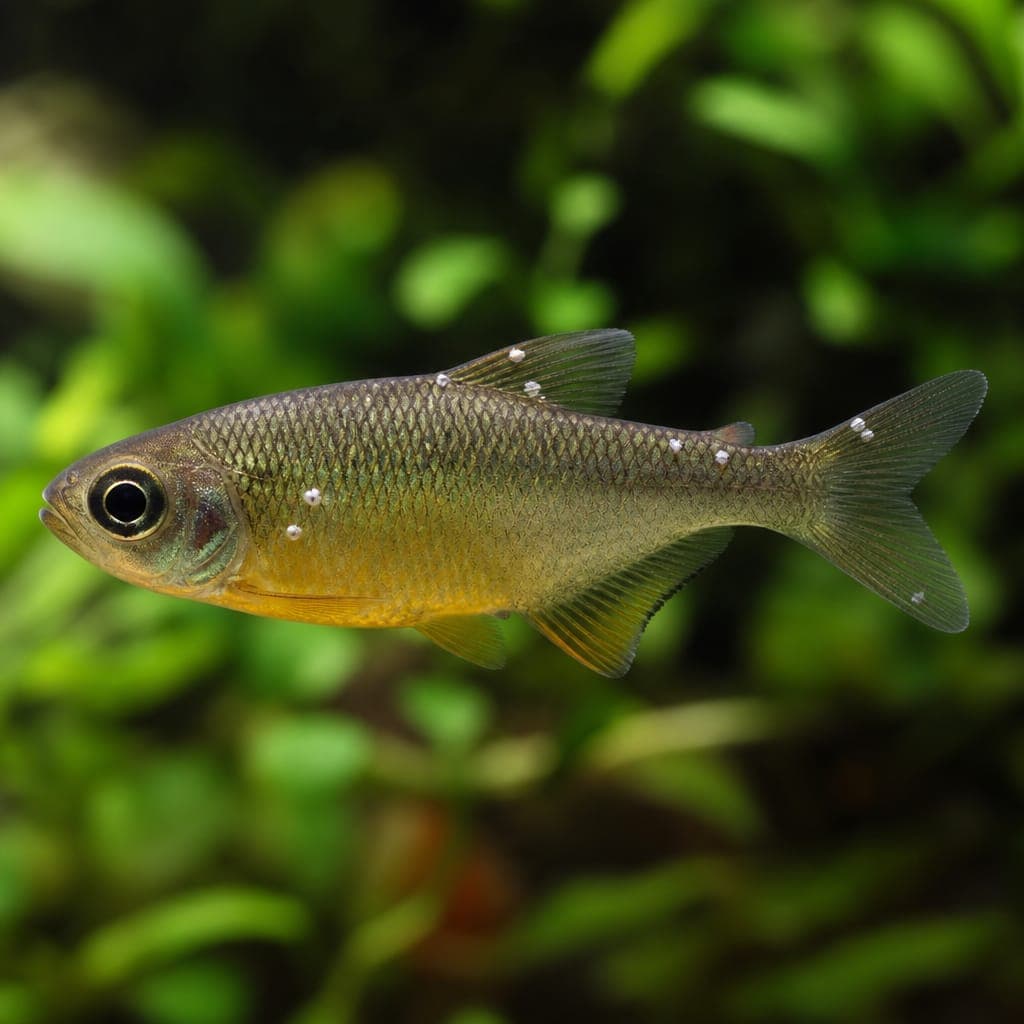
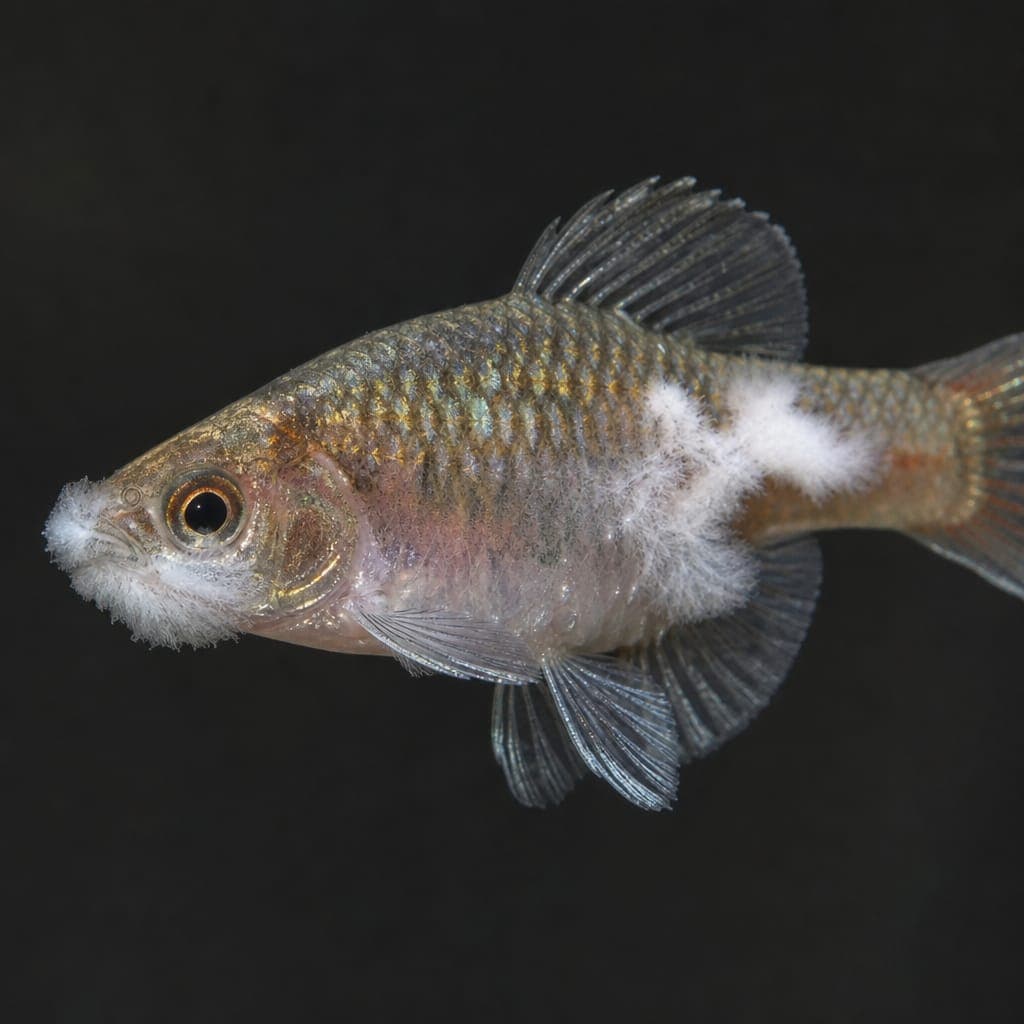
Beckford's Pencilfish are generally hardy; however, they can be susceptible to common freshwater diseases. Issues such as Ich, fin rot, and fungal infections can arise, especially if water conditions fluctuate or if they are stressed.
Prevention Tips
To prevent health issues, maintain stable water parameters and perform regular water changes. Quarantining new fish before introduction into the tank can minimize the spread of disease. Observing the fish for any signs of illness, such as changes in behavior or physical appearance, allows for early intervention and treatment, thereby promoting a thriving, healthy environment.