Bennett's Sharpnose Pufferfish
A 10cm toby that nips fins, corals and clams. Characterful and hardy, and emphatically not reef safe.
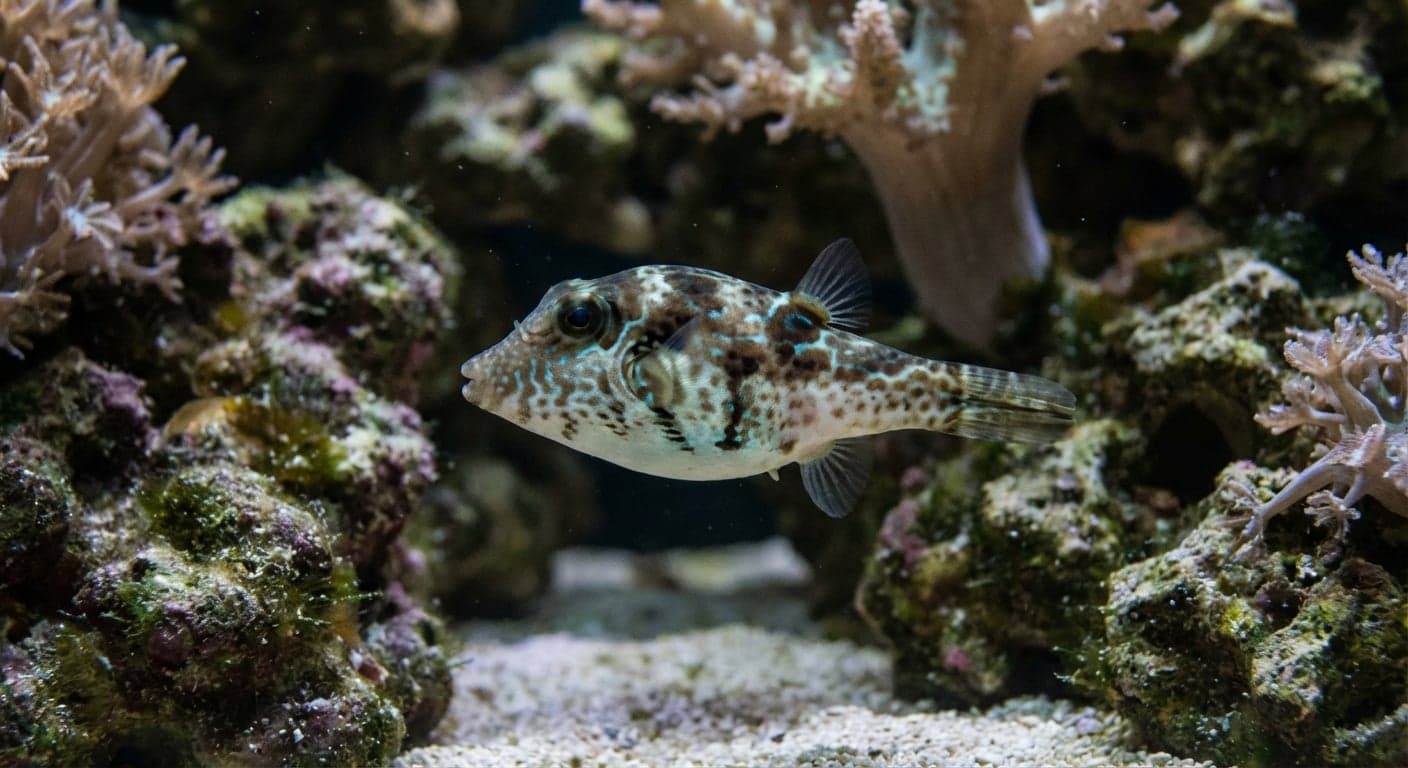
Bennett's Sharpnose Pufferfish
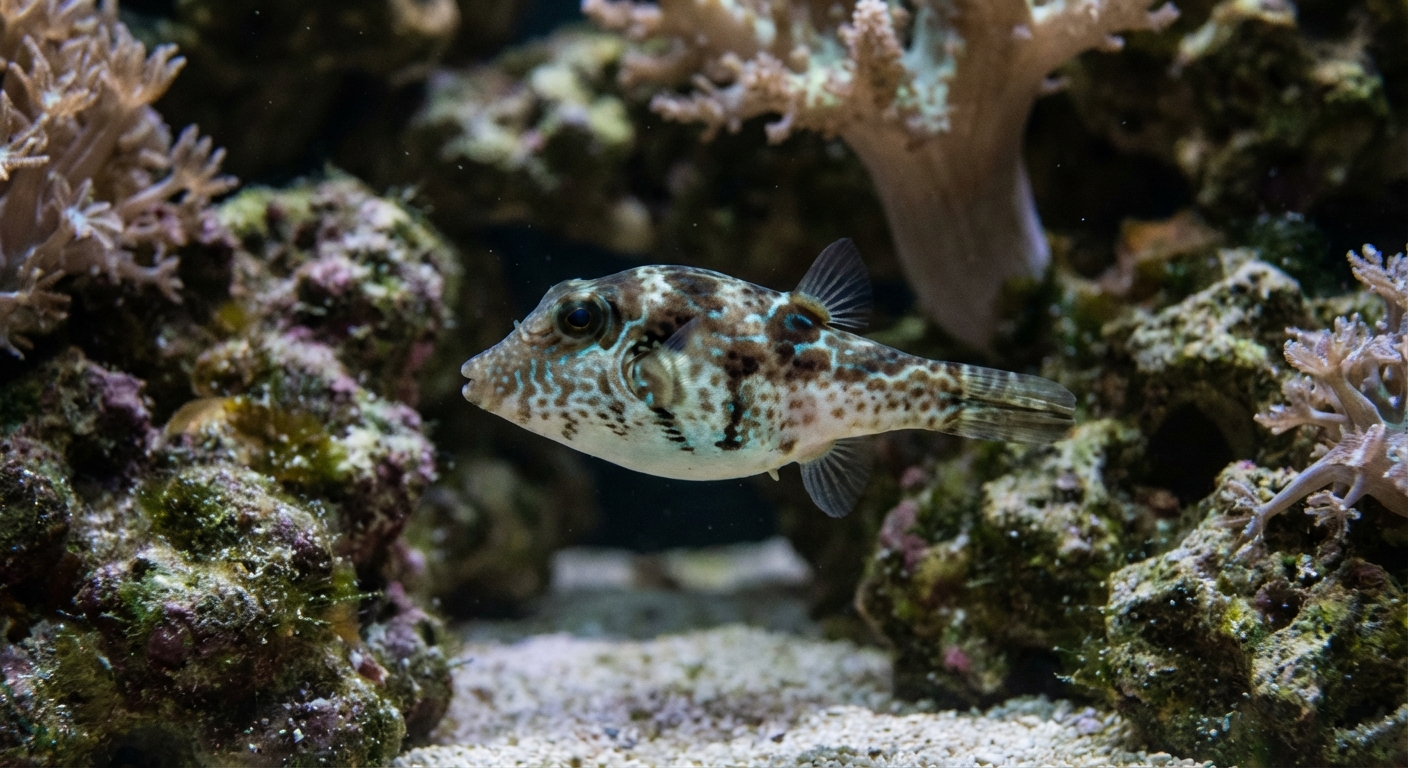
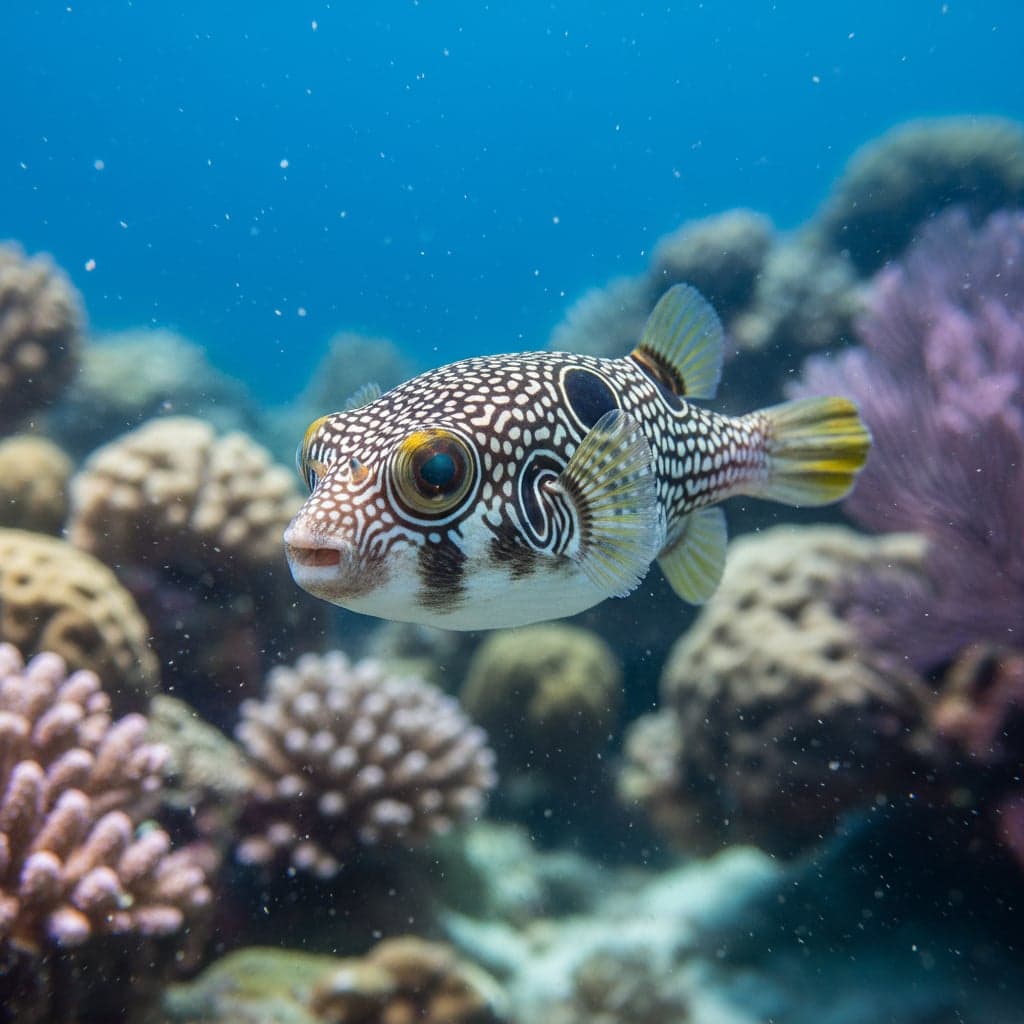
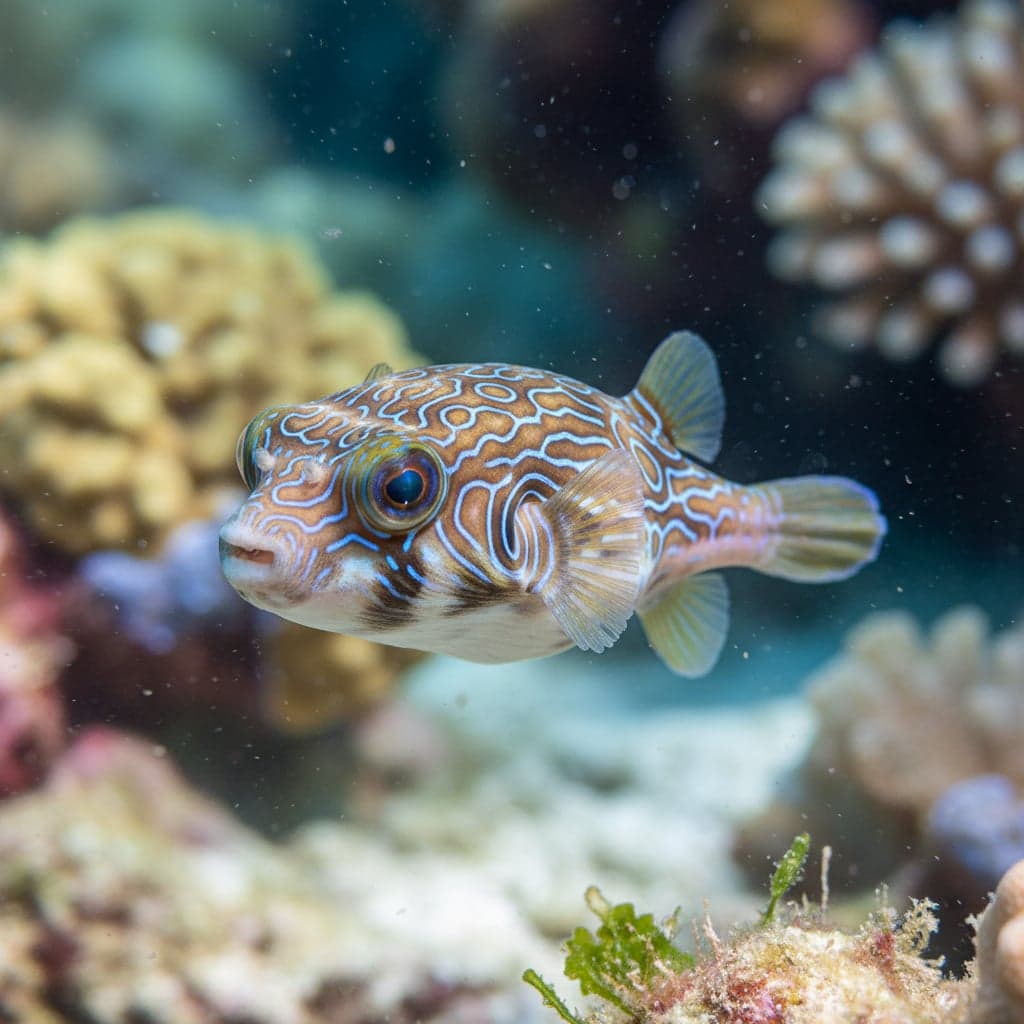
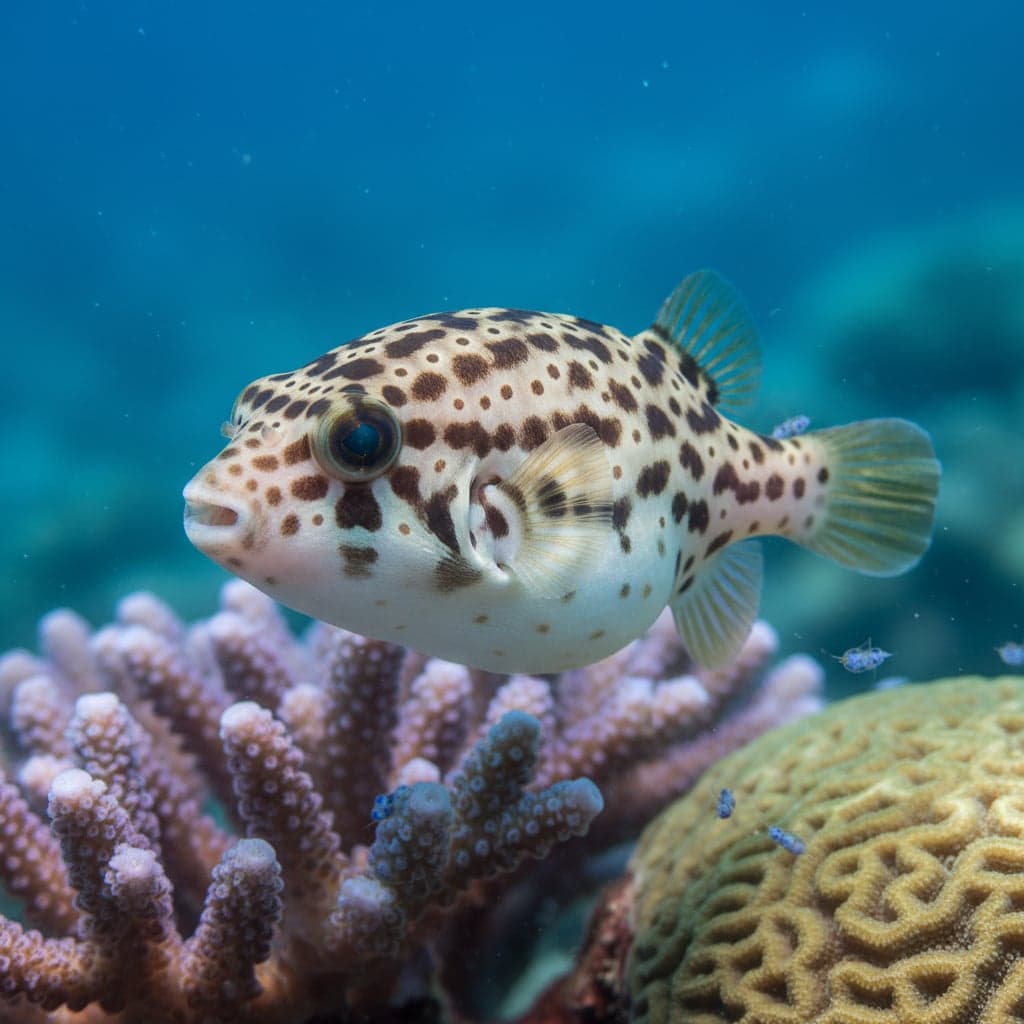
The Bennett's Sharpnose Pufferfish, scientifically known as Canthigaster bennetti, is a striking species that belongs to the Tetraodontidae family. Native to the coral reefs of the Indo-Pacific region, this small pufferfish is cherished among aquarists due to its vivid coloration and unique body shape. Adult specimens typically grow to a length of about 4 inches, with their bodies characterized by vibrant yellows and blues, speckled with dark spots that create a mesmerizing visual appeal. This puffer's charming appearance, combined with its playful demeanor, makes it a captivating addition to both reef and specialty aquariums.
In the aquarium hobby, Bennett's Sharpnose Pufferfish holds significant value not only for its aesthetic qualities but also for its intriguing behavior. Its distinct ability to inflate its body as a defense mechanism adds a dynamic element to the tank, showcasing its adaptability in the face of perceived threats. Known for its curious nature, this fish can be both entertaining and engaging, making it a popular choice for seasoned aquarists looking to create a vibrant marine system. Its moderate care requirements further enhance its desirability, appealing to both novice and experienced fish keepers alike.
Natural Habitat & Origin
Bennett's Sharpnose Pufferfish is primarily found in the warm, shallow waters of the coral reefs in the Indian Ocean and the western Pacific Ocean, particularly around the islands of Fiji, Australia, and the Solomon Islands. This species thrives in environments characterized by clear, warm waters, often residing in areas with abundant coral growth where it can find shelter and foraging opportunities. Typically residing at depths ranging from 1 to 30 meters, Bennett’s Sharpnose Pufferfish prefer habitats that provide both food sources and protection from stronger currents.
The natural habitat of this pufferfish is often composed of rocky substrates interspaced with coral formations that create vertical structures for exploration. The species is often found darting among the reef structures, showing a preference for areas enriched with algae, small invertebrates, and other potential food items. The clear waters of its native habitat contrast sharply with the often turbulent and turbid environments found in other aquatic ecosystems, further highlighting the importance of replicating these pristine conditions in captivity.
Care Requirements
To ensure the health and well-being of Bennett's Sharpnose Pufferfish, specific water parameters must be maintained. The ideal pH range for this species is between 8.1 and 8.4, with a temperature maintained between 75°F to 82°F (24°C to 28°C). Additionally, the aquarium should have a salinity level of around 1.020 to 1.025, as well as moderate hardness, ideally between 10 to 20 dGH.
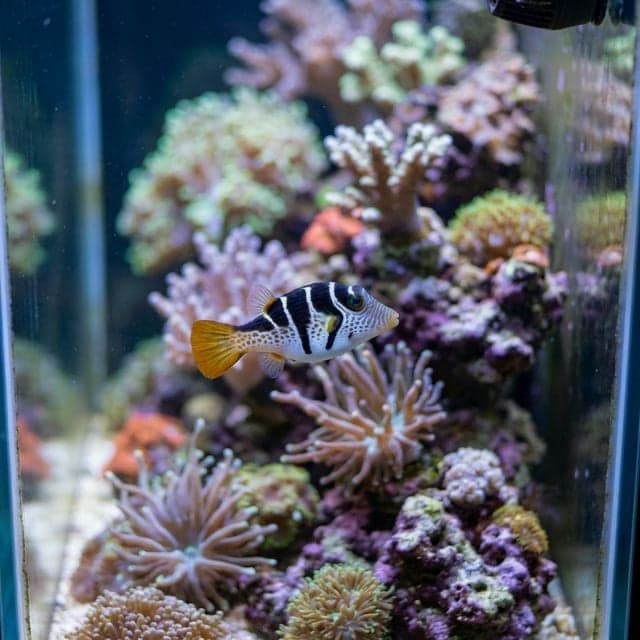
When setting up a tank for Bennett's Sharpnose Pufferfish, a minimum tank size of 120 litres (30 gallons) is recommended for this 10cm Canthigaster toby — enough swimming room for a nippy sharpnose without treating it like a large predator. The substrate should ideally be a fine coral sand or crushed reef sand to mimic its natural environment. Incorporating live rock and creating hiding spots with various coral arrangements can enhance the tank's aesthetic while promoting a sense of security for the fish. Moderate lighting is sufficient, with the incorporation of hardy marine plants or macroalgae—such as Chaetomorpha or Caulerpa—to help maintain water quality while creating biotope-like conditions.
Diet & Feeding
The Bennett's Sharpnose Pufferfish is primarily an omnivore, though its diet leans more heavily towards carnivorous preferences. In the wild, they consume a varied diet comprising algae, small invertebrates, and crustaceans. In captivity, it is crucial to provide a balanced diet that closely matches their natural feeding habits. High-quality flakes and pellets designed specifically for marine fish can serve as a base diet; however, offering a variety of frozen or live foods such as brine shrimp, mysis shrimp, and various types of ocean-derived protein sources like krill will promote optimal health and coloring.
To encourage good digestive health, it is recommended to supplement their diet with algae sheets or spirulina-based foods, as these provide essential vitamins and minerals. It is important to feed this species at least 2-3 times a day, ensuring that the portions are appropriate for the size of the fish to reduce waste accumulation and maintain water quality.
Behavior & Temperament
Bennett's Sharpnose Pufferfish exhibits curious and playful behavior, frequently exploring its tank environment. In terms of social behavior, these pufferfish are generally not aggressive towards other species; however, they can exhibit territorial tendencies, particularly in smaller setups or if they feel threatened. They are known to establish a hierarchy among tank mates, and while they can sometimes be kept with other peaceful species, caution should be exercised to ensure the safety of all inhabitants.
Being a primarily bottom-dwelling species, Bennett's Sharpnose Pufferfish spend a significant amount of time near the substrate or near hiding spots but will occasionally venture higher in the water column when foraging. Their unique swimming patterns and ability to puff up can be mesmerizing, making them a focal point in any marine aquarium.
Tank Mates
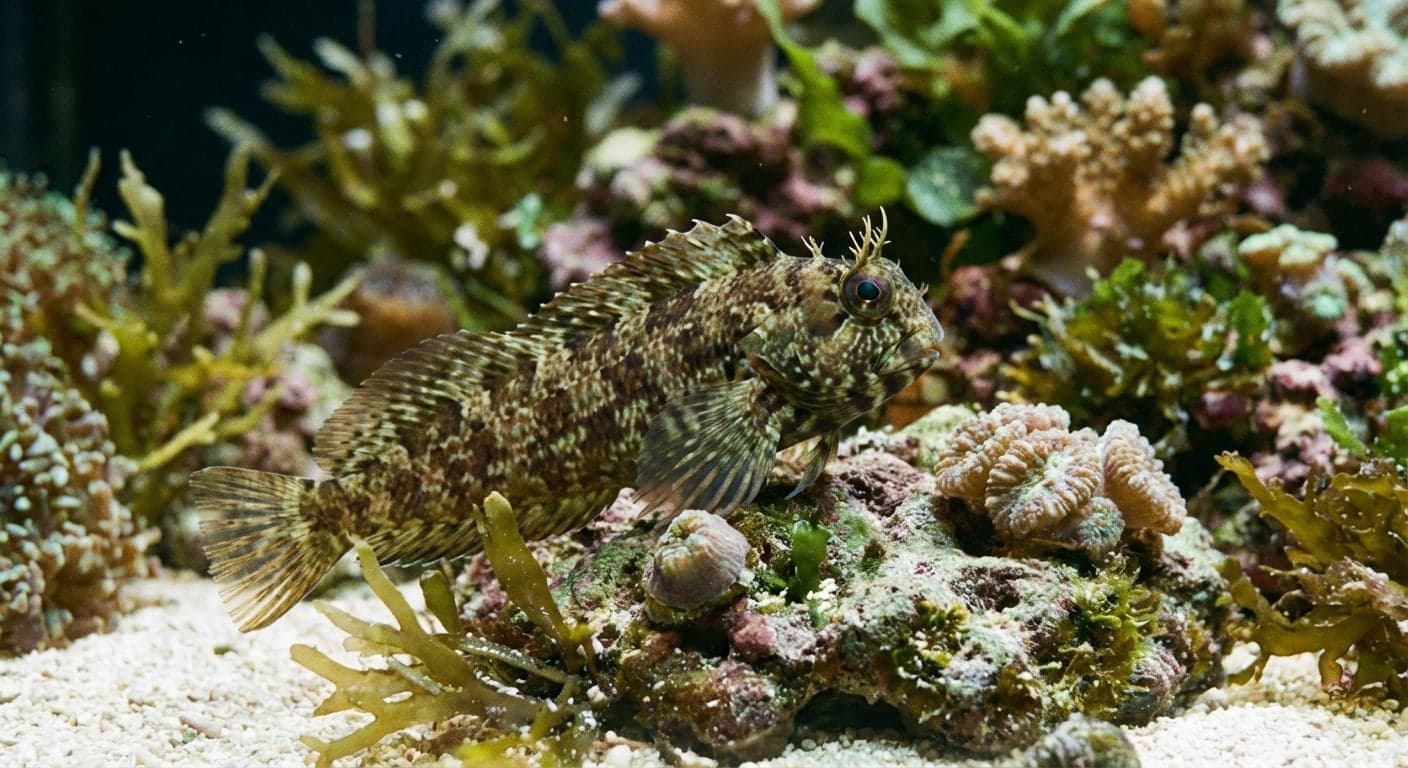
When selecting tank mates for the Bennett's Sharpnose Pufferfish, it is essential to choose species that are compatible in temperament and size. Peaceful community fish such as clownfish, gobies, blennies, and small wrasses can coexist harmoniously with this pufferfish. Additionally, larger invertebrates such as sea cucumbers and certain cleaner shrimp can be helpful in maintaining the tank's cleanliness without posing a threat to the pufferfish.
Conversely, it is crucial to avoid species that are aggressive or possess long fins, such as angelfish and bettas, as these could provoke territorial aggression from the puffer. Similarly, small, delicate fish such as neon tetras or small shrimp species may become targets for the puffer's inquisitive feeding behavior. Therefore, establishing a peaceful community with caution can lead to a successful aquarium environment.
Breeding
Breeding Bennett's Sharpnose Pufferfish in captivity can be challenging, primarily due to the difficulty in replicating their natural spawning conditions. In the wild, these fish engage in a unique courtship display that involves the male displaying vibrant colors and chasing the female. For successful breeding in captivity, it's crucial to have a well-maintained tank with stable water parameters, ample hiding spots, and a suitable diet to encourage spawning behavior.
To initiate breeding, providing a spacious environment with stable conditions is necessary. This may include variations in water temperature and potential changes in dietary offerings to stimulate reproductive behavior. When spawning occurs, the female can lay several hundred eggs on flat surfaces, which will require close monitoring to ensure the safety of the eggs from tank mates. Post-spawning, creating conditions favorable for larvae to thrive, such as reducing current and providing appropriate food sources, is essential for rearing the young.
Common Health Issues
Bennett's Sharpnose Pufferfish, like many marine species, can be susceptible to certain health issues if their environment is not properly managed. Common diseases affecting this species include marine ich, velvet disease, and bacterial infections. To prevent these conditions, maintaining stable water parameters, regularly testing water quality, and performing routine tank maintenance are paramount.
In addition to water quality, monitoring the diet closely to ensure nutritional balance will bolster the immune system of the Bennett's Sharpnose Pufferfish against opportunistic infections. Offer a varied diet of hard-shelled invertebrates to wear down their continuously growing teeth, and avoid soft foods exclusively. Quarantine new livestock, watch for white spots, dusty velvet films, or labored breathing, and treat promptly in a hospital setup. Stable salinity, strong filtration, and low nitrate levels further support resilience. With attentive care, Bennett's Sharpnose Pufferfish remain inquisitive, hardy marine personalities rather than chronically stressed fish.