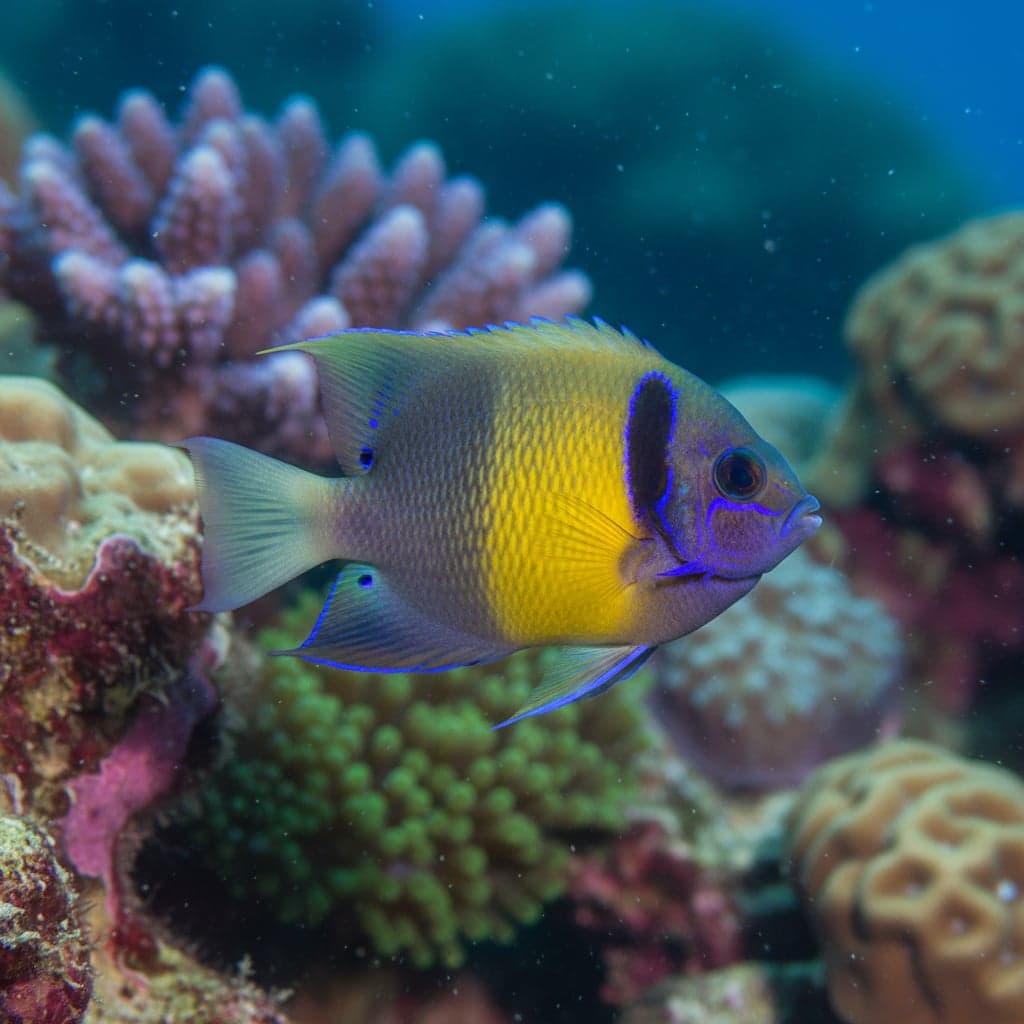
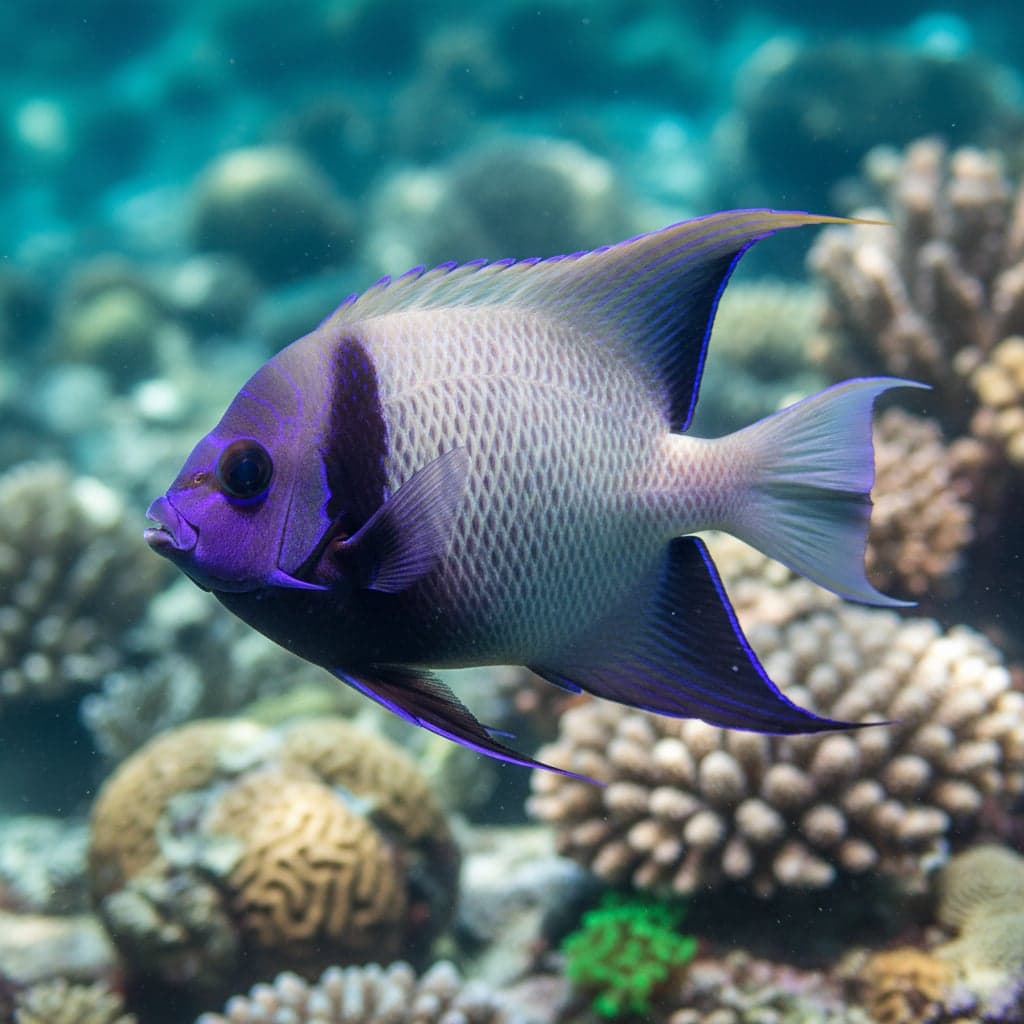
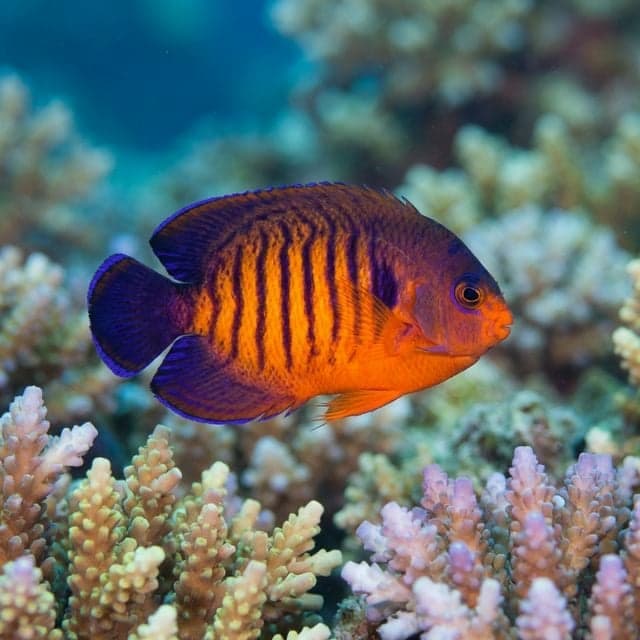
Bicolor Angelfish
A 15cm dwarf angelfish with a poor shipping survival record — buy one that is already eating. Needs 250L+ and will nip coral.
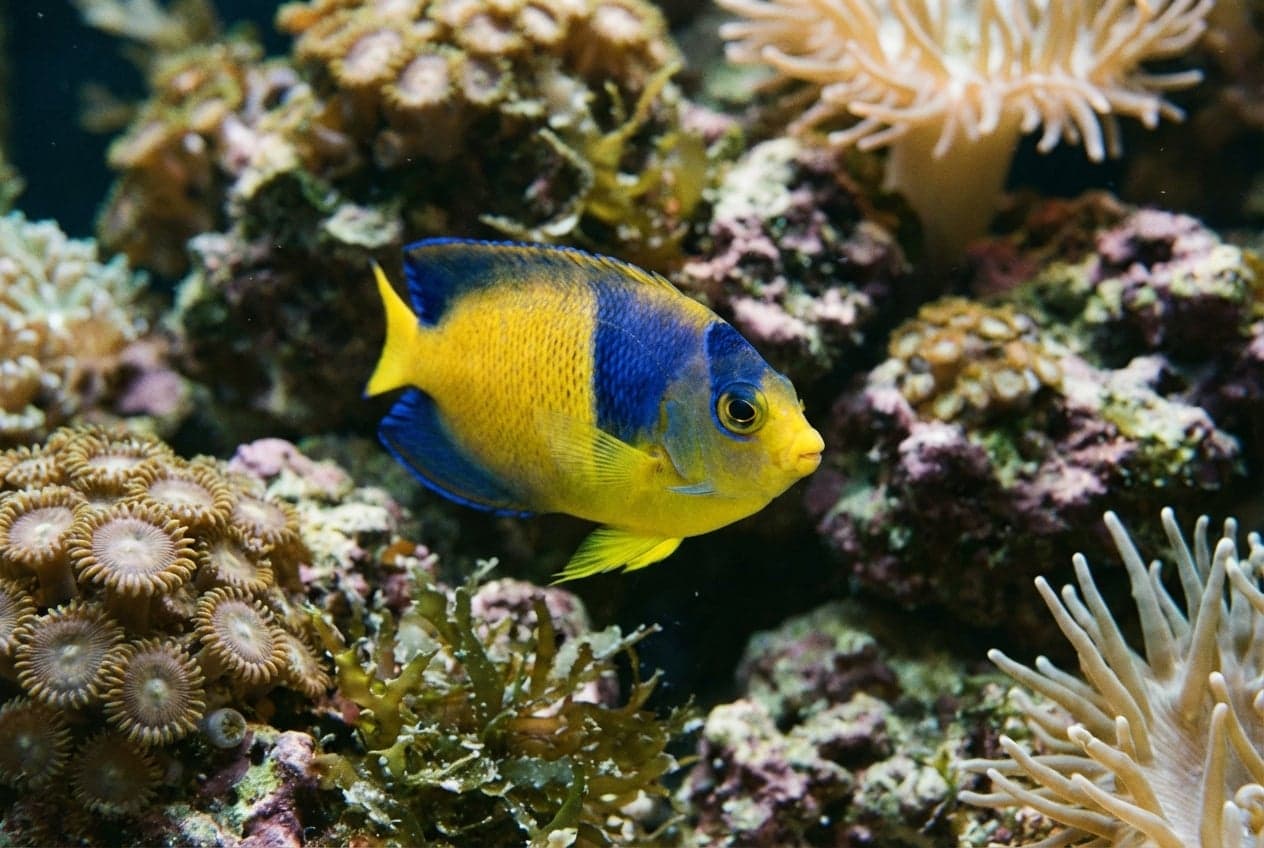
Bicolor Angelfish
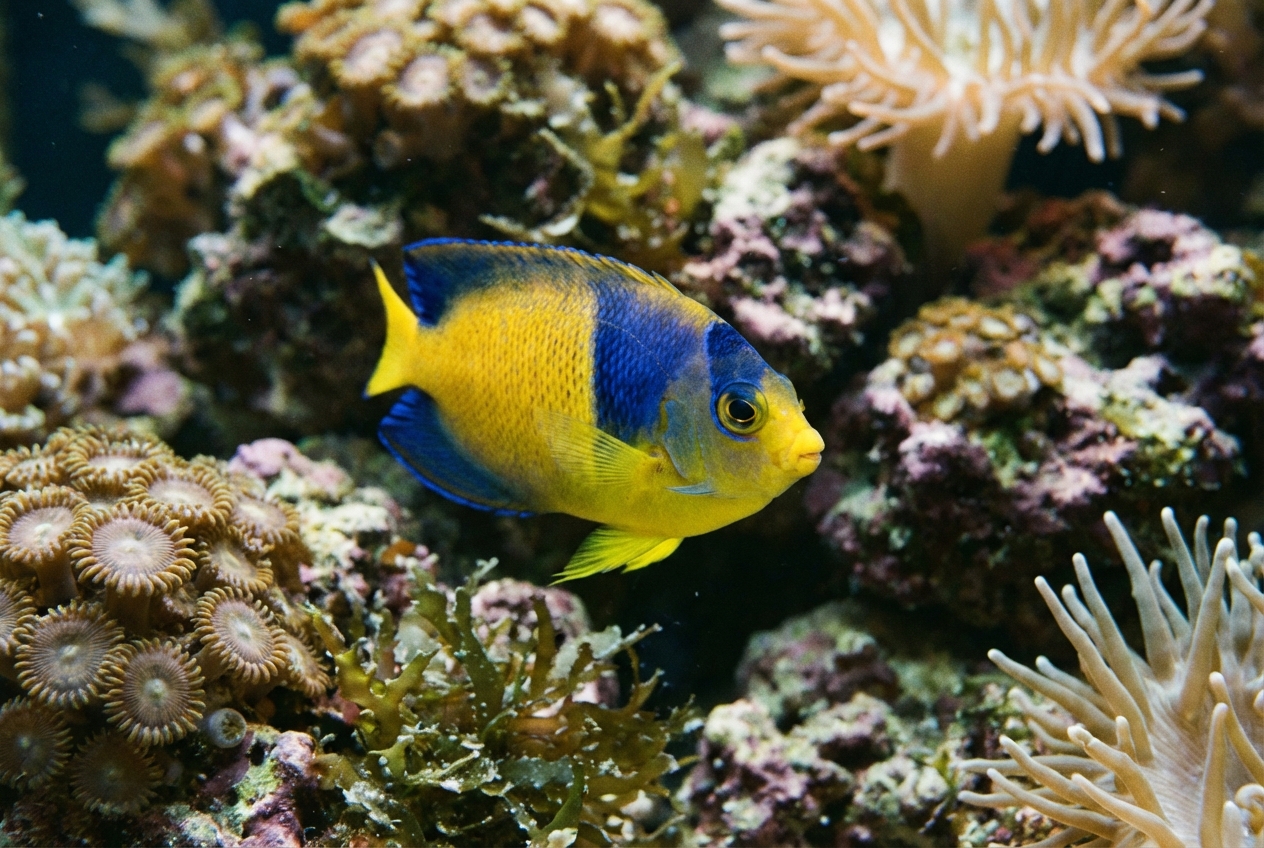
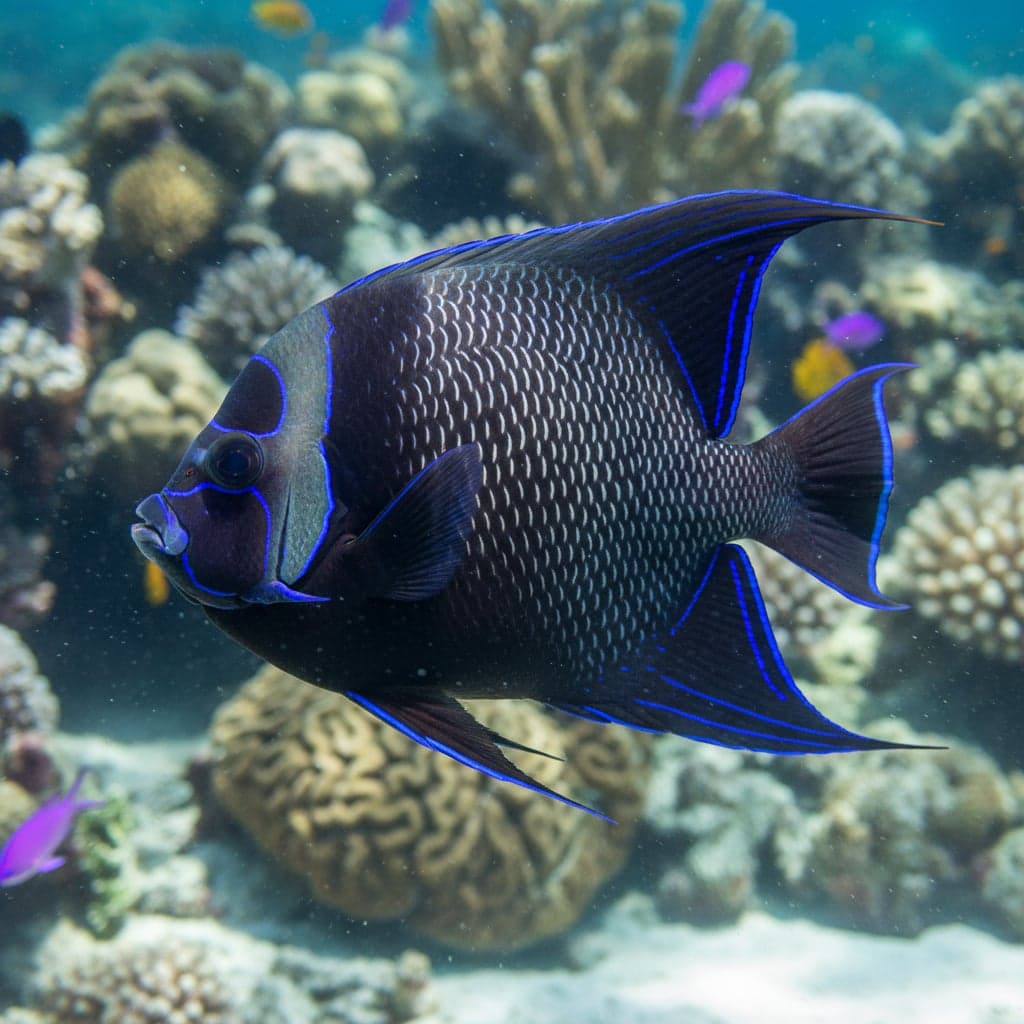
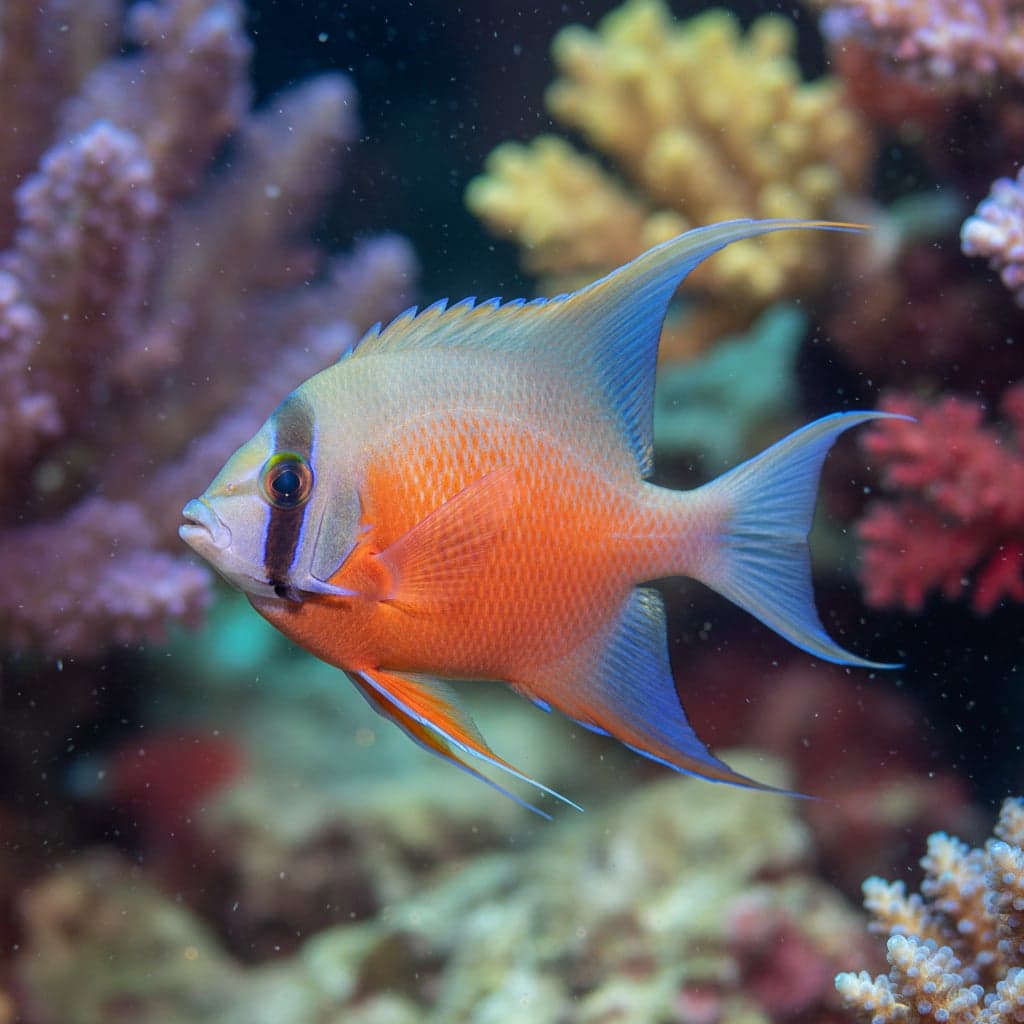
The Bicolor Angelfish (Centropyge bicolor) is a mesmerizing marine species native to the coral reefs of the Indo-Pacific region. Renowned for its strikingly vivid coloration, the Bicolor Angelfish exhibits a brilliant blue body that transitions into a bright yellow tail and belly, creating a stunning visual appeal that captivates aquarium enthusiasts. This unique coloration not only serves as an aesthetic marvel in home aquariums but also highlights its evolutionary adaptation in the wild, allowing it to blend into the vibrant reef environment while seeking shelter from predators.
In the aquarium hobby, the Bicolor Angelfish holds significant allure due to its relatively hardy nature and captivating behavior. It thrives in well-maintained reef tanks, making it a prized addition for both novice and seasoned aquarists. Aside from its visual appeal, the Bicolor Angelfish is a significant contributor to marine biodiversity, playing an essential role in the reef ecosystem through its grazing habits. When properly cared for, this fish adds dynamism and elegance to any marine setup, making it a popular choice for aquarists aiming to create a lively underwater habitat.
Natural Habitat & Origin
The Bicolor Angelfish is indigenous to the warm waters of the coral reefs in the Indo-Pacific region, specifically found in areas ranging from the Red Sea to the central Pacific, including locations like Fiji, Samoa, and the Solomon Islands. Preferring shallow waters, this species typically resides at depths of about 10 to 40 meters, where they can be found darting among the coral structures in search of food and shelter. The natural habitat is characterized by clear, warm water, with an abundance of coral and rocky substrates that provide ample hiding spots and grazing areas.
The Bicolor Angelfish is commonly found in both lagoon and outer reef environments, which are generally rich in marine life. This species thrives in the dynamic ecosystem provided by these habitats, where it can navigate the crevices and overhangs to maintain a varied diet of algae and small invertebrates. The presence of clean, well-circulated water with low to moderate wave action is essential for their health and well-being.
Care Requirements
Maintaining optimal water parameters is crucial for the health of the Bicolor Angelfish. Ideal conditions include a pH level between 8.1 and 8.4, a water temperature ranging from 75°F to 82°F (24°C to 28°C), and a specific gravity between 1.020 and 1.025. The hardness of the water should be kept within 8 to 12 dGH. A well-cycled aquarium is necessary, as this fish is sensitive to fluctuations in water quality.
For tank setup, a minimum tank size of 250 litres (65 gallons) is recommended for this 15cm Centropyge; it needs that volume for territory and will nip coral. The substrate can be a mix of sand and crushed coral to simulate its natural habitat. Lighting should be moderate to high, promoting the growth of algae, which serves as a part of its diet. Incorporation of live rock and corals, along with hiding spots made from PVC pipes or caves, will help replicate its natural environment and offer security while encouraging natural behaviors.
Diet & Feeding
The Bicolor Angelfish is primarily an omnivore, with a diverse diet that includes algae, small crustaceans, and detritus found on the reef. To ensure optimal health, it is essential to provide a balanced diet comprising quality marine flakes, pellets specially formulated for marine fish, and a variety of live or frozen foods such as brine shrimp, mysis shrimp, and spirulina. Regular feeding of vegetable-based foods, including seaweed or blanched greens, can help maintain color vibrancy and overall health.
Feeding should occur two to three times a day, but care should be taken not to overfeed, as this can lead to water quality issues and obesity in the fish. It's best to provide small amounts of food that the Bicolor Angelfish can consume within a few minutes, thus ensuring that uneaten food does not decompose in the aquarium.
Behavior & Temperament
The Bicolor Angelfish is known for its active and curious demeanor, making it a lively addition to any marine aquarium. Although they are generally peaceful, they can exhibit territorial behavior, especially towards other angelfish and similar-sized species. Adult Bicolor Angelfish may establish and defend a territory within the tank, so it is best to keep them in a spacious environment to minimize conflicts.
This species typically occupies the mid to lower levels of the aquarium, frequently searching for food among the tank’s decor. While they can be kept in groups, it is ideal to house only one male in a tank to prevent aggressive interactions, particularly during breeding behavior. They may also display a tendency to nip at corals and sessile invertebrates, so careful planning of their tank mates and habitat is essential.
Tank Mates
When selecting tank mates for the Bicolor Angelfish, it's important to consider both species compatibility and the behavior of the fish involved. Compatible tank mates include other peaceful aquarium species such as clownfish, gobies, wrasses, and certain damselfish. Larger, passive fish such as tangs or butterflyfish may also coexist well. Avoid keeping multiple angelfish of similar sizes together, as this can result in aggression.
Species to avoid include highly aggressive or territorial fish like triggers, large wrasses, and aggressive cichlids, which may pose a threat to the Bicolor Angelfish. Additionally, small or delicate species should be reconsidered, as they might become targets for nipping. Overall, selecting a diverse community of compatible fish will help create a harmonious aquarium environment.
Breeding
Breeding the Bicolor Angelfish in captivity can be challenging and requires specific conditions to encourage spawning. This species exhibits a monogamous mating system, where a pair forms strong bonds and engages in courtship displays. To initiate breeding, it is essential to replicate their natural environment, providing stable water conditions, plenty of hiding spots, and ample food to promote healthy spawning behavior.
The Bicolor Angelfish typically spawns during dawn, laying eggs on flat surfaces such as rocks or corals. The eggs are adhesive and will adhere to the substrate, where both parents will exhibit protective behavior. After about 5 to 7 days, the eggs will hatch into larvae, which will require suitable rearing conditions in a separate tank equipped with appropriate filtration and food for the fry. Successful breeding is often dependent on the experience of the aquarist and the maintenance of ideal environmental conditions.
Common Health Issues
The Bicolor Angelfish, while relatively hardy, can be susceptible to various health issues, particularly if water conditions are not optimal. Common health problems include ich (marine white spot disease), marine velvet, and bacterial infections. Ich manifests as white spots on the body and fins, typically arising from stress or poor water quality. Marine velvet, caused by a parasitic infection, leads to a gold dust-like appearance and can be fatal if not treated promptly.
Preventive measures include ensuring stable water parameters, regular tank maintenance, and quarantine procedures for any new arrivals to avoid introducing pathogens. Providing a well-balanced diet and minimizing stress through proper tank setup can also enhance the Bicolor Angelfish's overall immune system. Regular monitoring of the fish’s appearance and behavior allows early detection of disease. Act quickly at the first sign of white spots, gold dust, or clamped fins, and isolate affected individuals when needed. With pristine water, careful quarantine, and a balanced diet, Bicolor Angelfish remain striking, healthy reef inhabitants for years.