Fish

Bicolour Blenny

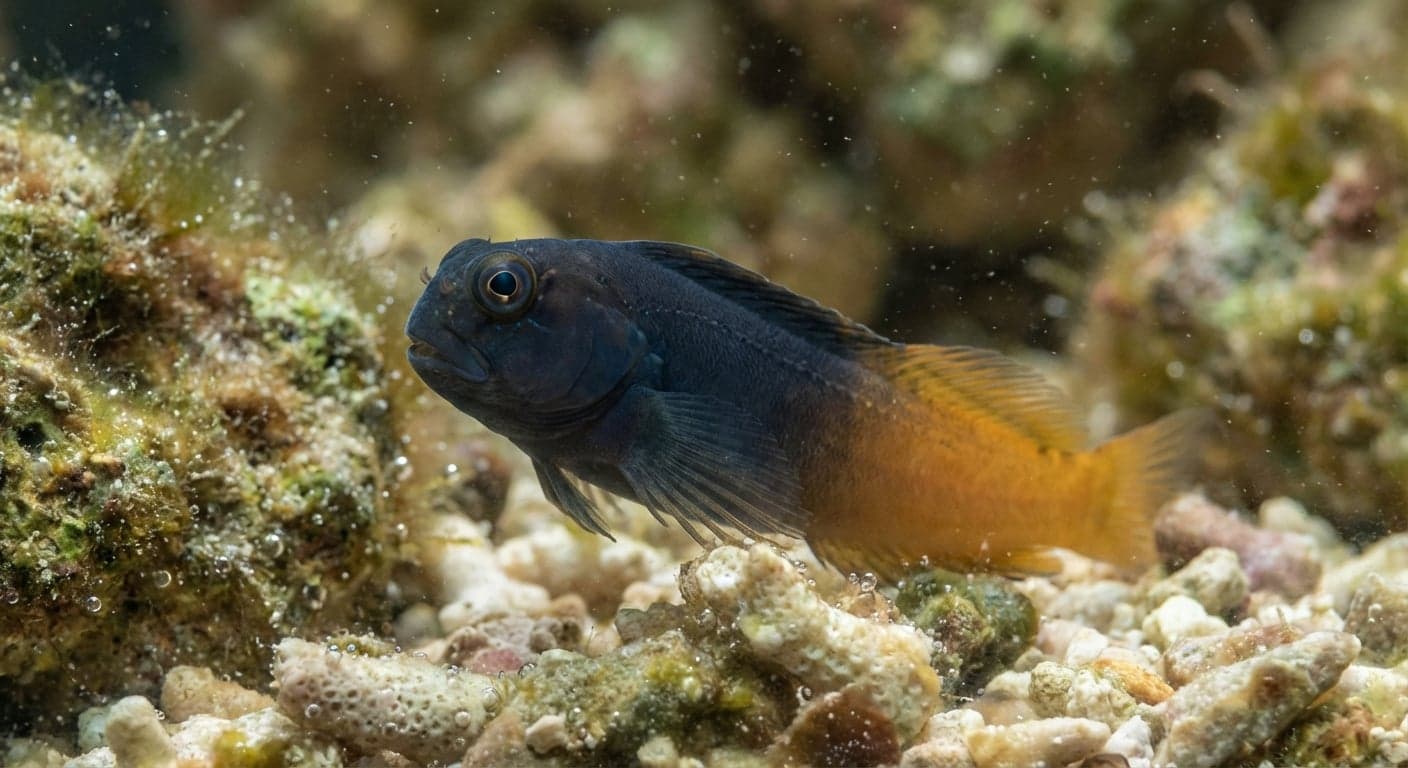
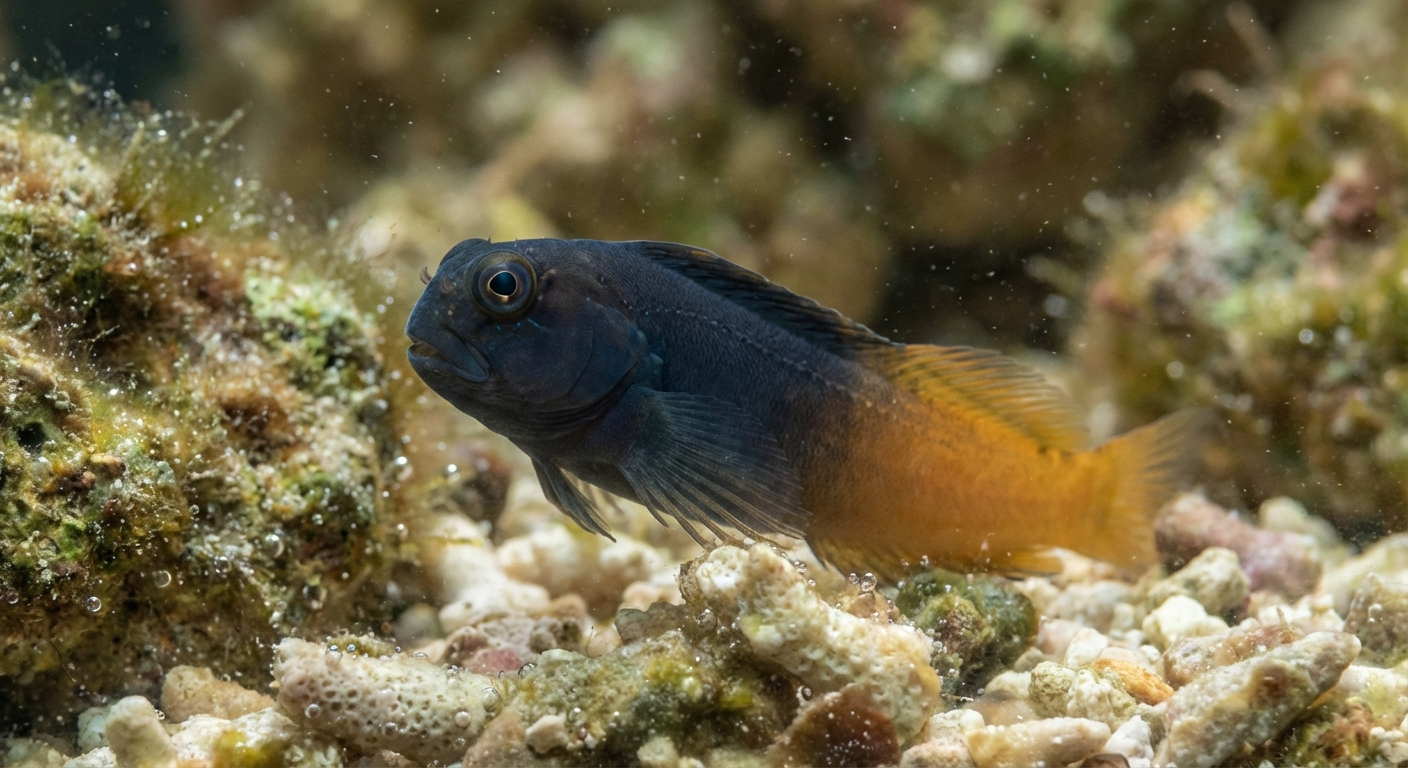
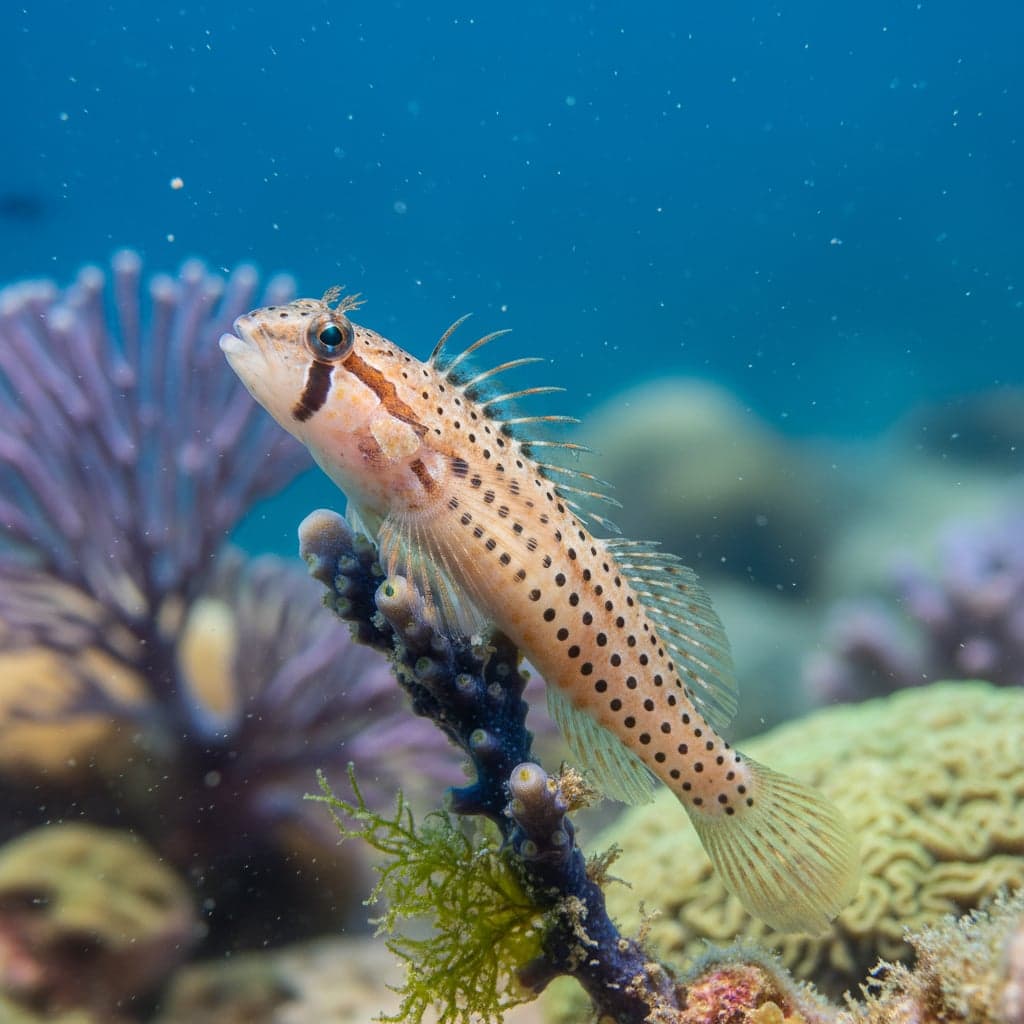
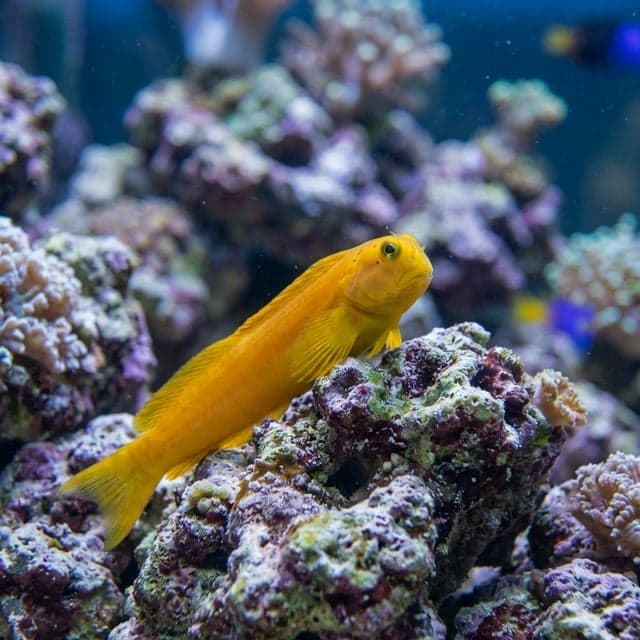
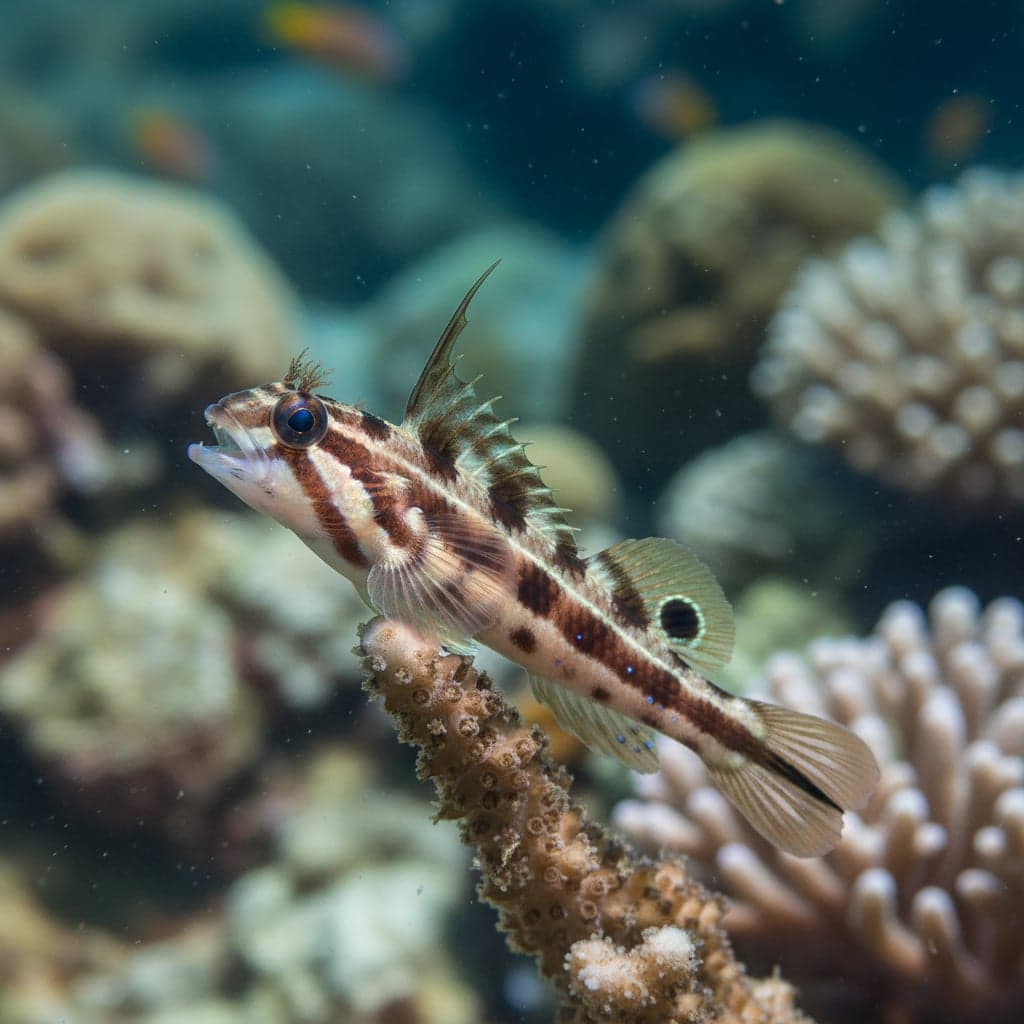
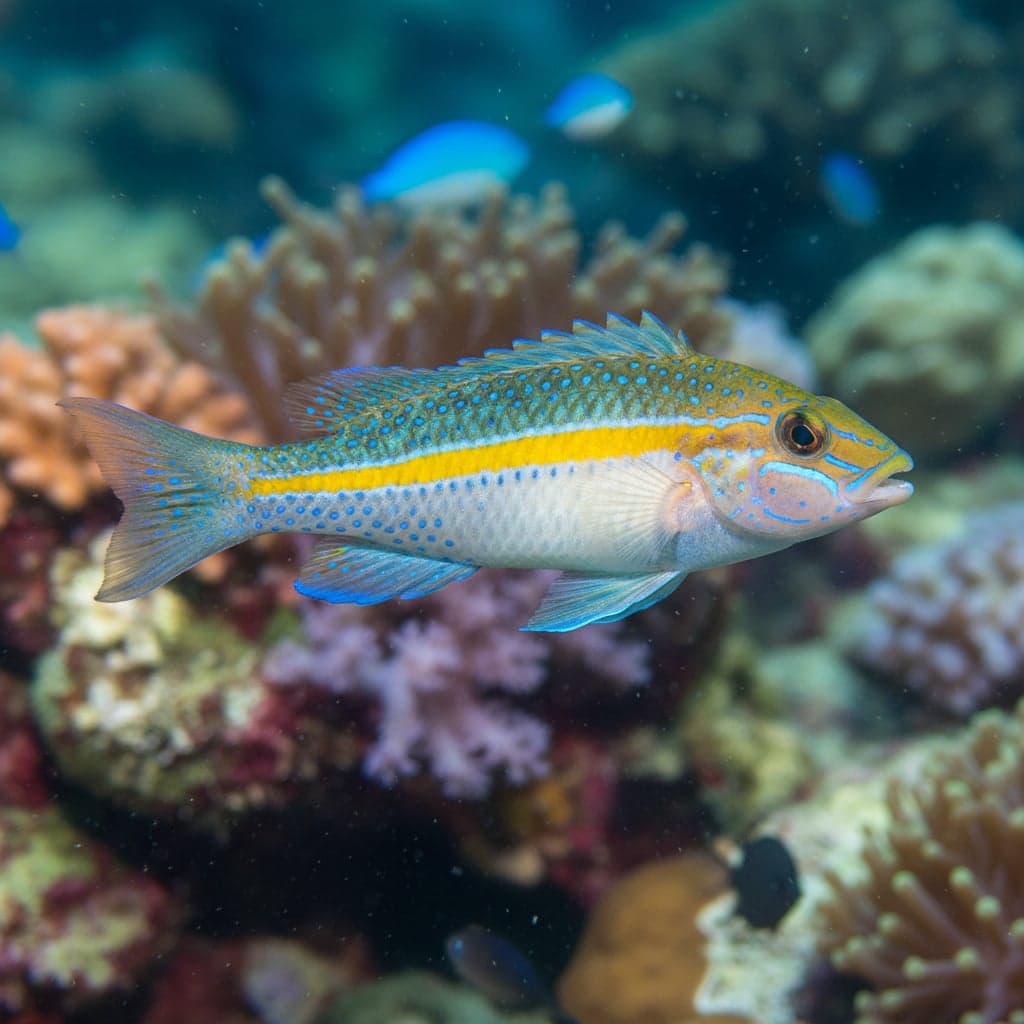
The Bicolour Blenny (Ecsenius bicolor) is a stunning saltwater fish known for its unique appearance and behavior.

Studio Scaped
Bicolour Blenny

Bicolour Blenny

The Bicolour Blenny, scientifically known as Ecsenius bicolour, is a popular choice among marine aquarium enthusiasts due to its vibrant coloration and energetic personality. Native to the Indo-Pacific region, this captivating fish showcases a striking combination of yellow and blue hues, which not only enhance its visual appeal but also serve as an exceptional focal point in reef tanks. The Bicolour Blenny's charming demeanor, characterized by its inquisitive nature and playful behavior, further solidifies its status as a treasured addition to both novice and seasoned aquarists' collections.

Apart from its aesthetic allure, the Bicolour Blenny plays a vital role in the aquarium hobby by contributing to the ecosystem of a marine tank. As an algae-eater, it helps maintain the health of the tank by grazing on nuisance algae, thereby promoting a balanced environment. This natural behavior, paired with its non-aggressive temperament, makes the Bicolour Blenny not only a beautiful addition to a display tank but also a functional one, supporting a sustainable aquatic ecosystem.

Natural Habitat & Origin

The Bicolour Blenny hails from the coral reefs and rocky substrates of the Indo-Pacific Ocean, including areas around the Great Barrier Reef, the Red Sea, and various islands of the Pacific like Fiji and Tonga. This species is typically found at depths ranging from 1 to 30 meters, frequenting both clear and slightly turbid waters, often near corals where it can find cover from potential predators. The environment of the Bicolour Blenny is crucial for its survival, offering a dynamic ecosystem loaded with natural shelters and food sources.

In these rich habitats, the Bicolour Blenny thrives among coral formations and rocky crevices, where it can utilize its adept swimming and climbing abilities to navigate and forage. The presence of algae on these reefs is particularly beneficial as it forms a significant part of the blenny’s diet. The preservation of such environments is essential for maintaining healthy populations of this beautiful fish in both the wild and in captivity.

Care Requirements

To ensure the longevity and health of a Bicolour Blenny in captivity, it is crucial to replicate its natural habitat as closely as possible. Ideally, the water parameters should be maintained at a temperature of 24-28°C (75-82°F), a pH of 8.1-8.4, and a salinity of 1.020-1.025. A minimum tank size of 30 gallons is recommended to provide ample swimming space and territory. The substrate should consist of fine sand or gravel, while decorations can include live rock and caves to offer hiding spaces and perching areas.

Lighting is another essential aspect of the tank setup, as Bicolour Blennies prefer a well-lit environment that mimics their natural habitat. Additionally, incorporating live plants such as macroalgae can enhance both the aesthetics and the health of the aquarium. Proper filtration and water movement are vital to ensure a clean and well-oxygenated environment, supporting the overall wellbeing of this species.

Diet & Feeding

The Bicolour Blenny is primarily an herbivore, with a diet that consists mainly of algae, but it can also benefit from a varied intake of other food types. A high-quality marine algae-based flake or pellet food should form the cornerstone of its diet. Supplementing this with frozen or live foods such as brine shrimp or mysis shrimp can ensure a balanced nutritional profile, promoting optimal health. It is also advisable to provide regular feedings of green foods, including spirulina or blanched veggies, to encourage natural grazing behavior.

Incorporating feeding routines that mimic natural foraging patterns will not only satisfy their dietary needs but also stimulate them mentally. An effective approach is to spread food throughout the tank to encourage swimming and exploration, which is crucial for maintaining their activity levels.

Behavior & Temperament

The Bicolour Blenny exhibits a generally peaceful and inquisitive temperament but can display territorial behaviors, especially when it comes to its chosen hiding spots or perches. It is not a schooling fish, preferring to establish its territory rather than form schools. In a community tank setting, it is best to keep only one Bicolour Blenny to avoid aggressive encounters with potential rivals.

This species tends to inhabit the lower to mid-levels of the tank, often perching on rocks and coral while surveying its environment. While they can tolerate a range of tankmates, the Bicolour Blenny's behavior can change in response to the presence of more aggressive species.

Tank Mates

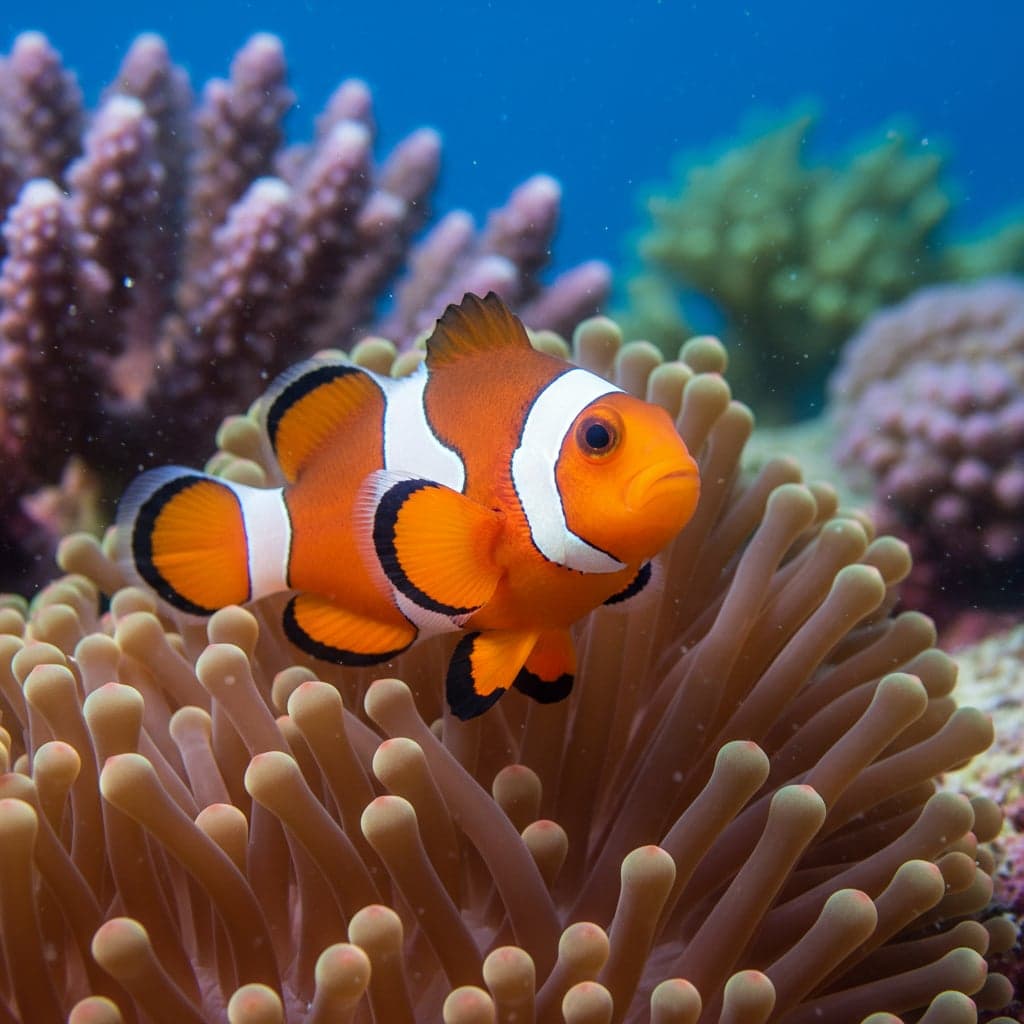
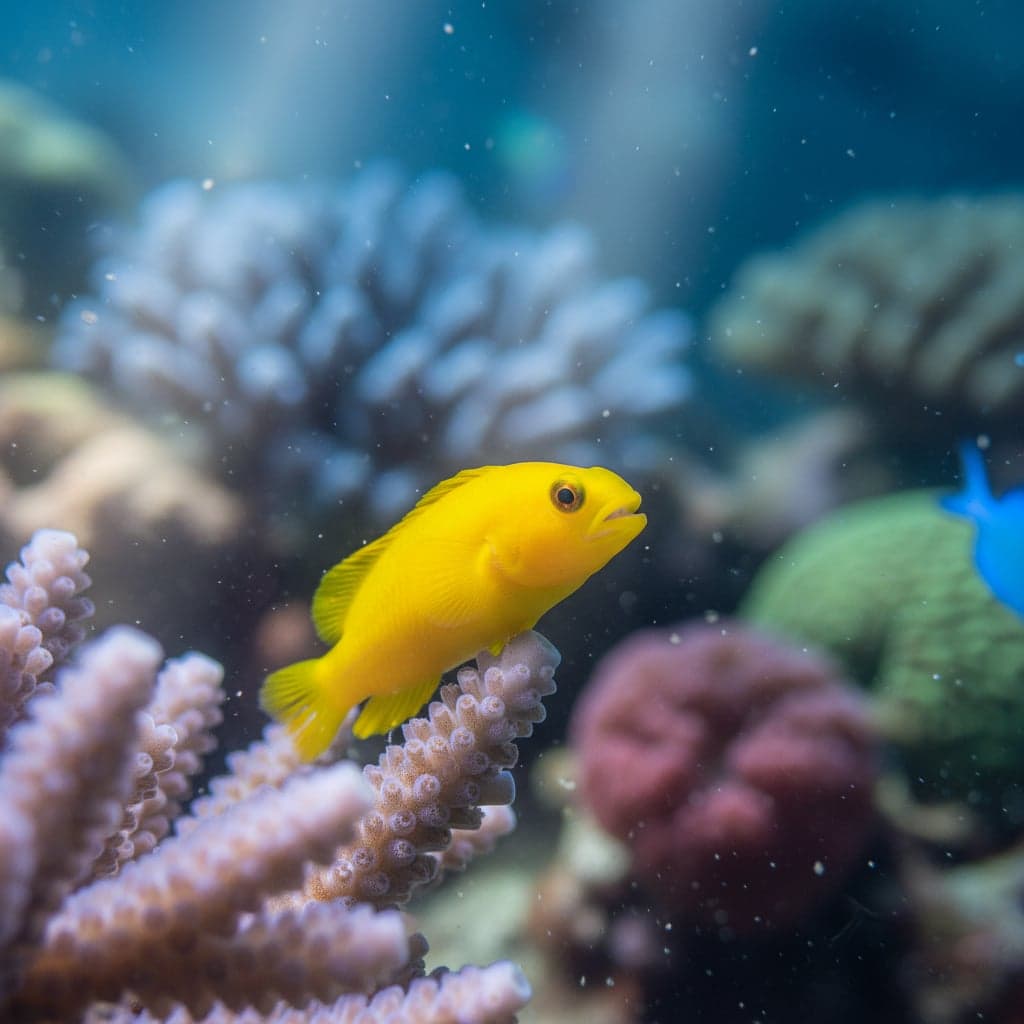
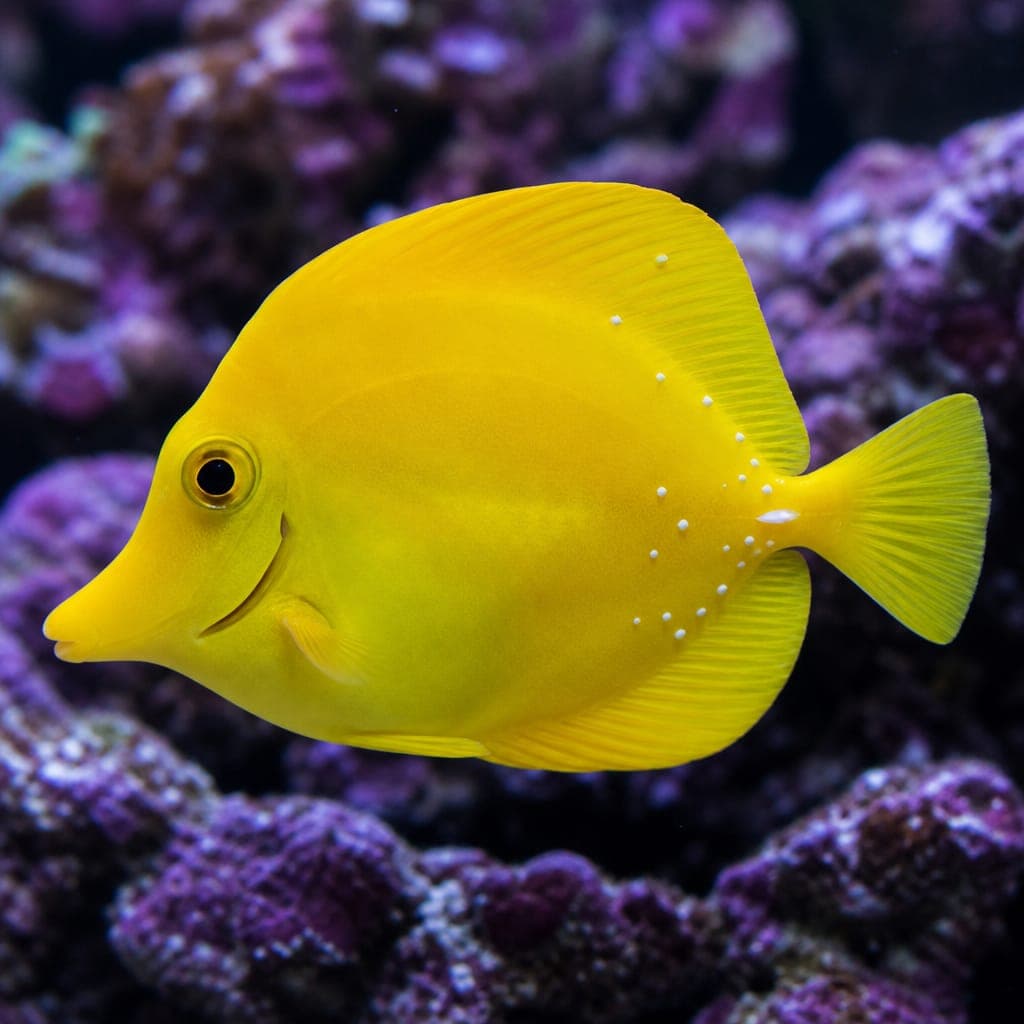
When selecting tank mates for the Bicolour Blenny, it is important to prioritize peaceful species to maintain harmony in the aquarium. Compatible tank mates include small reef-safe fish such as clownfish, gobies, and certain species of tangs. It is advisable to avoid larger, more aggressive fish, such as lionfish or triggers, as well as other blenny species, to prevent territorial disputes. Additionally, shrimps and snails can coexist well with the Bicolour Blenny, provided they do not resemble its potential competitors in size or appearance.

By selecting a diverse range of community-friendly species, aquarists can create a vibrant and lively aquarium atmosphere while ensuring the Bicolour Blenny feels secure and confident in its environment.

Breeding

Breeding Bicolour Blennies in captivity can be a rewarding endeavor for experienced aquarists. These fish exhibit specific spawning behaviors where males establish territories and attract females by performing various displays. To successfully breed them, a well-maintained breeding tank with stable water parameters and hiding spots is essential. The ideal environment should include structures like caves or overhangs where the female can lay eggs.

The female typically lays eggs on flat surfaces, and the male will subsequently fertilize them. After spawning, the male takes on the role of guarding the eggs until they hatch, usually within 4-7 days, depending on the water temperature. Fry care can be challenging as they require special food like finely crushed algae or infusoria. Setting up a separate rearing tank will significantly improve the fry's chances of survival.

Common Health Issues

The Bicolour Blenny can be susceptible to certain health issues, primarily due to stress factors, poor water quality, or inadequate diet. Common diseases include ich, marine velvet, and flukes. To prevent these ailments, maintaining optimal water parameters and keeping the tank clean is essential. Regular water testing and changes can help prevent the buildup of harmful toxins.

In addition, it is crucial to provide a balanced diet rich in vitamins and minerals to boost the blenny's immune system. Quarantining any new additions to the tank can help minimize the risk of introducing pathogens. By being proactive in management and care, aquarists can significantly reduce the likelihood of health issues arising with the Bicolour Blenny.

ADA
Aqua One
Chihiros
Dennerle
EHEIM
Fluval
Oase
Seachem
Tropica
Twinstar
UNS
ADA
Aqua One
Chihiros
Dennerle
EHEIM
Fluval
Oase
Seachem
Tropica
Twinstar
UNS
ADA
Aqua One
Chihiros
Dennerle
EHEIM
Fluval
Oase
Seachem
Tropica
Twinstar
UNS
ADA
Aqua One
Chihiros
Dennerle
EHEIM
Fluval
Oase
Seachem
Tropica
Twinstar
UNS