Black Band Cory: Osteogaster zygatus
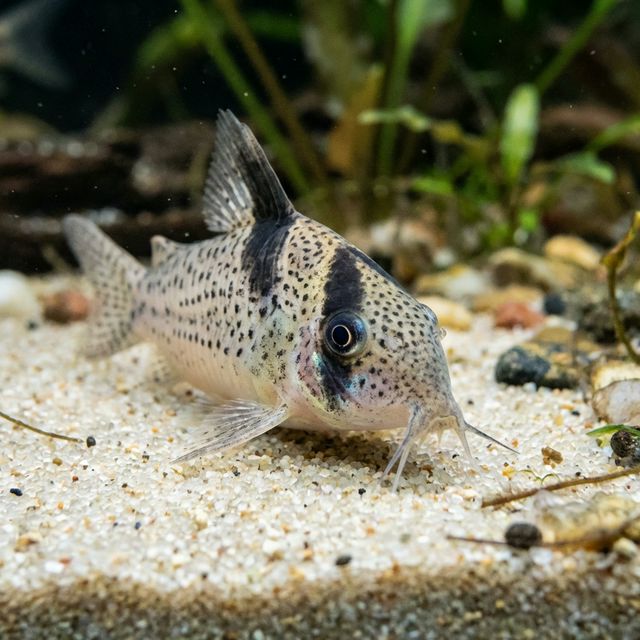
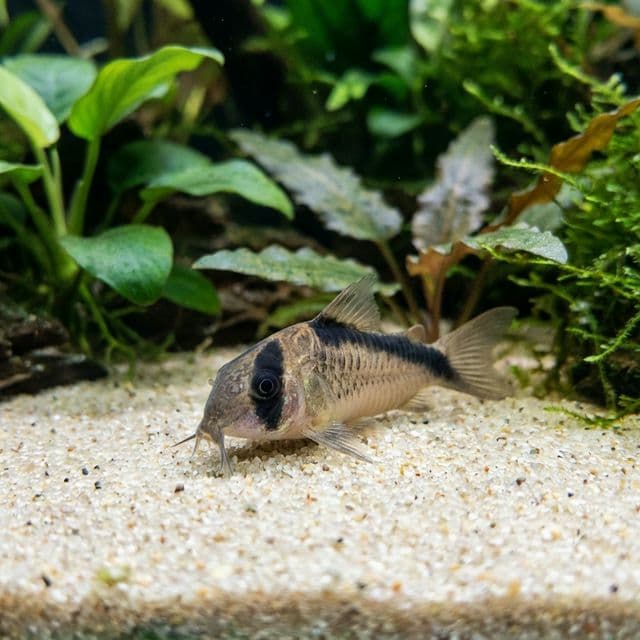
Very similar to the Bandit Cory but slightly different body shape. Peaceful and cute.

Black Band Cory
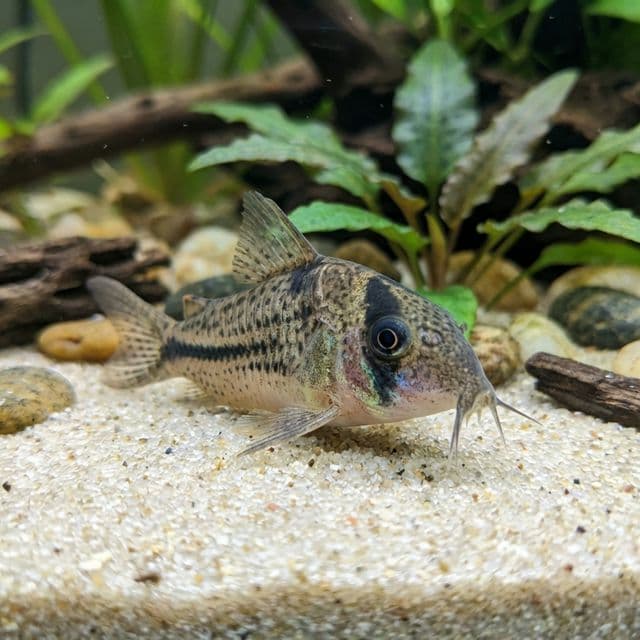
The Black Band Cory, scientifically known as Osteogaster zygatus, is a captivating species of freshwater fish that holds a special place in the aquarium hobby. Characterized by its distinctive black stripes that encircle its body, this small catfish adds a unique aesthetic appeal to community tanks, making it a popular choice among aquarists. Its slender appearance, coupled with a pale or light background color, provides a striking contrast that enhances the visual dynamics of any aquascape. As a peaceful and sociable species, the Black Band Cory is not only admired for its beauty but also for its engaging behaviors, making it a favorite among both novice and experienced fish keepers.
In addition to its aesthetic appeal, the Black Band Cory represents a rich biodiversity within freshwater ecosystems. This species plays a significant role in the ecological balance by scavenging detritus from the substrate in their natural habitat. Its presence is a reminder of the importance of maintaining healthy aquatic ecosystems and the need for responsible aquarium practices. The Black Band Cory showcases the harmony that can exist in well-maintained home aquariums, further solidifying its status as a valuable species in the aquarium hobby.
Natural Habitat & Origin
The Black Band Cory is native to the Amazon Basin in South America, specifically found in countries such as Brazil and Peru. These fish inhabit a variety of freshwater environments, including slow-moving streams, rivers, and floodplains. Characterized by their natural surroundings, the Black Band Cory thrives in blackwater habitats where the water is stained by tannins from decaying leaves and organic matter. This type of environment typically has low visibility, soft, acidic waters, and abundant vegetation, providing shelter and foraging opportunities.
The waters in which Black Band Corys are found tend to be warmer, with temperatures ranging from 24°C to 28°C (75°F to 82°F). The pH levels in their natural habitats are usually acidic to neutral, hovering around 6.0 to 7.5, with low hardness values that mimic the delicate conditions required for optimal health. Understanding these natural parameters is crucial for aquarists aiming to replicate their habitat and promote the well-being of this enchanting species.
Care Requirements
To successfully keep Black Band Corys in an aquarium, it is essential to create an environment that closely resembles their natural habitat. A minimum tank size of 20 gallons is recommended, providing ample space for these social fish to school. A soft substrate, such as fine sand or smooth gravel, is ideal, as it allows the cory to forage without risking injury to their delicate barbels. Proper filtration is necessary to maintain clean water, and moderate lighting is advisable, along with plenty of hiding spots created by live plants or decorations to reduce stress for this shy species.
In terms of water parameters, Black Band Corys thrive in soft, acidic water with a pH range of 6.0 to 7.5. Temperature should be maintained between 24°C and 28°C (75°F to 82°F), and water hardness should be low, ideally between 2 to 10 dGH. Regular water changes—about 25% weekly—will help maintain optimal conditions and diminish the risk of disease. Additionally, incorporating floating plants can help diffuse light and mimic the dappled sunlight found in their natural habitats.
Diet & Feeding
Black Band Corys are omnivorous, meaning they feed on a diverse range of foods in their natural habitat. Their diet typically consists of detritus, algae, and small invertebrates. In captivity, it is essential to provide a varied diet to ensure their health and vitality. High-quality sinking pellets designed for catfish are an excellent staple, as they will sink to the bottom where Corys prefer to feed. Additionally, offering a mix of flake foods, frozen foods like bloodworms or brine shrimp, and occasional live foods will promote optimal nutrition and enhance their color and overall health.
It's important to feed them small amounts multiple times a day, rather than a single large feeding, to prevent overfeeding and maintain water quality. Supplementing their diet with blanched vegetables such as peas and zucchini can also provide essential nutrients. Ensuring a balanced diet not only supports the health of Black Band Corys but also encourages their natural foraging behaviors, enriching their overall aquarium experience.
Behavior & Temperament
The Black Band Cory is known for its gentle and sociable nature, making it an excellent addition to community tanks. These fish are highly social and should ideally be kept in groups of at least six to promote their natural schooling behavior. Within a school, they display playful interactions, often darting about the tank while foraging together. Despite their small size, they exhibit a level of curiosity and intelligence that can be entertaining to observe.
In terms of vertical placement, Black Band Corys are predominantly bottom dwellers but are not afraid to venture into the mid-levels of the tank, especially when seeking food. They are not aggressive, making them suitable tank mates for a variety of species. However, they may become timid if kept with overly boisterous fish. Thus, it's essential to create a harmonious environment that allows Black Band Corys to thrive alongside other peaceful species.
Tank Mates
Selecting suitable tank mates for Black Band Corys is crucial for creating a peaceful aquarium community. Best companions include other peaceful schooling fish such as tetras (e.g., Neon Tetras, Rummy Nose Tetras), rasboras, and peaceful barbs. Layering the tank with various species of small shrimp can enhance the dynamics, provided they are also non-aggressive. Other compatible species include Guppies, Platies, and smaller livebearers.
Conversely, it is important to avoid housing Black Band Corys with aggressive or overly large fish that may view them as food or exhibit territorial behavior. This includes cichlids, large barbs, and fast-moving fish that may outcompete them for food. Keeping the community tank diverse, yet peaceful, will ensure that Black Band Corys lead a stress-free and enriching life.
Breeding
Breeding Black Band Corys in captivity can be a rewarding experience for aquarists willing to create the right conditions. Spawning typically occurs when the water temperature is slightly elevated, along with improved water quality through regular changes. The ideal breeding conditions include a separate breeding setup with a spawning mat or fine-leaved plants where females can lay eggs. The water should be soft, with a temperature around 24°C to 26°C (75°F to 78°F) and a pH of approximately 6.0 to 6.5.
During spawning, females will lay adhesive eggs on surfaces, and males will fertilize them shortly after. It’s advisable to remove adult fish from the breeding tank after spawning to prevent them from consuming the eggs. Within a few days, the eggs will hatch, and the fry can be fed infusoria or finely crushed flakes until they grow large enough for small pellets. With patience and proper care, aquarists can successfully breed Black Band Corys, contributing to their sustainability in the hobby.
Common Health Issues
While generally hardy, the Black Band Cory can be prone to certain health issues, particularly in suboptimal water conditions. Common ailments include ich (white spot disease), fin rot, and bacterial infections. Maintaining excellent water quality through regular testing and changes is crucial for prevention. Quarantine new fish, avoid overcrowding, and respond quickly to early symptoms so Black Band Corys stay active and healthy.