Black-banded Rainbowfish: Melanotaenia nigrans
A classic Australian rainbowfish with a broad black lateral stripe. Peaceful and active.
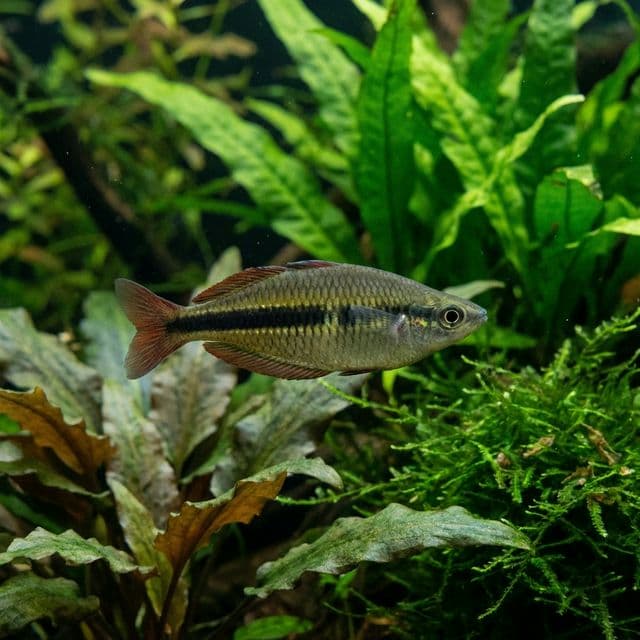
Black-banded Rainbowfish
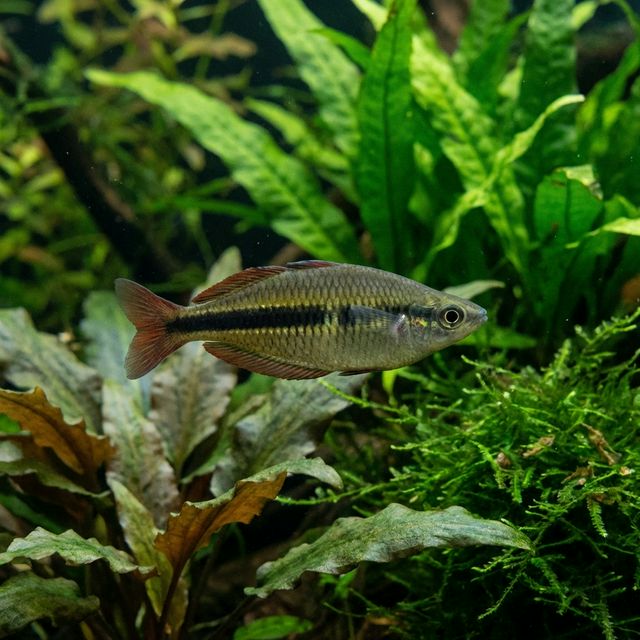
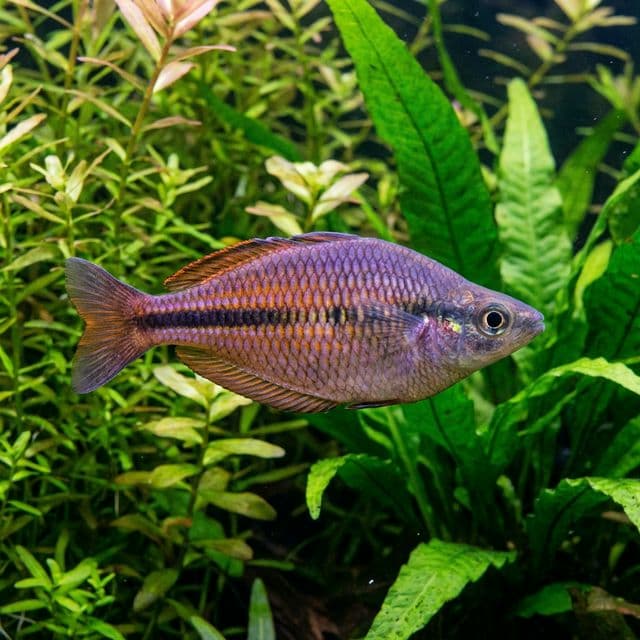
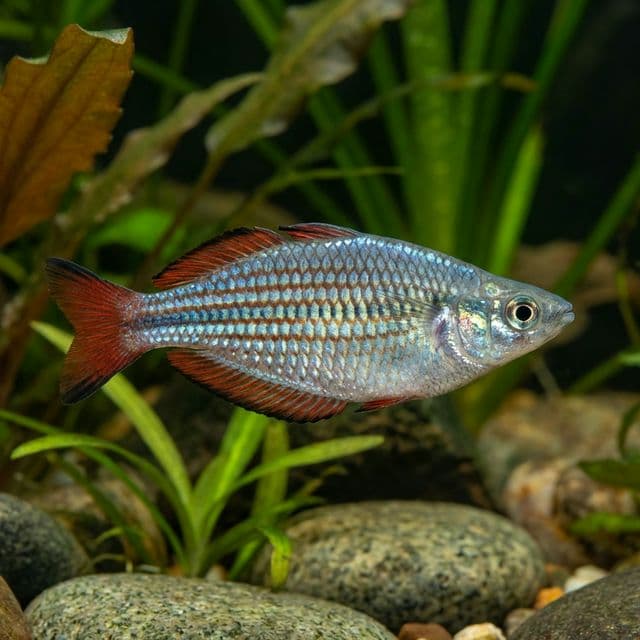
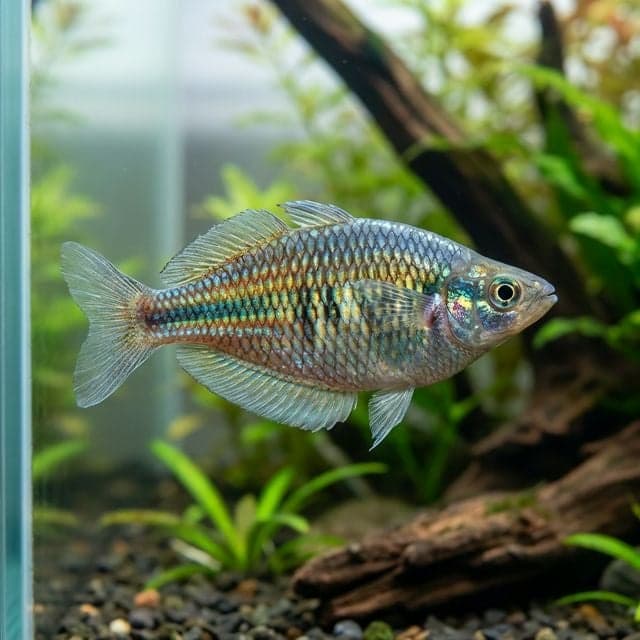
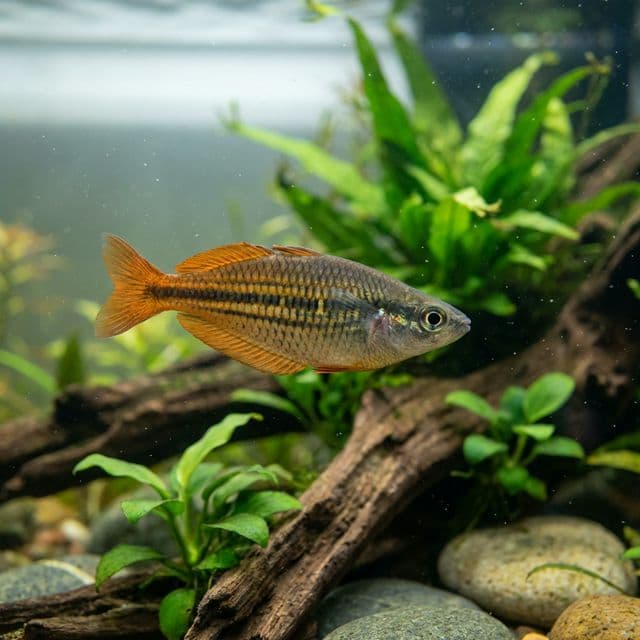
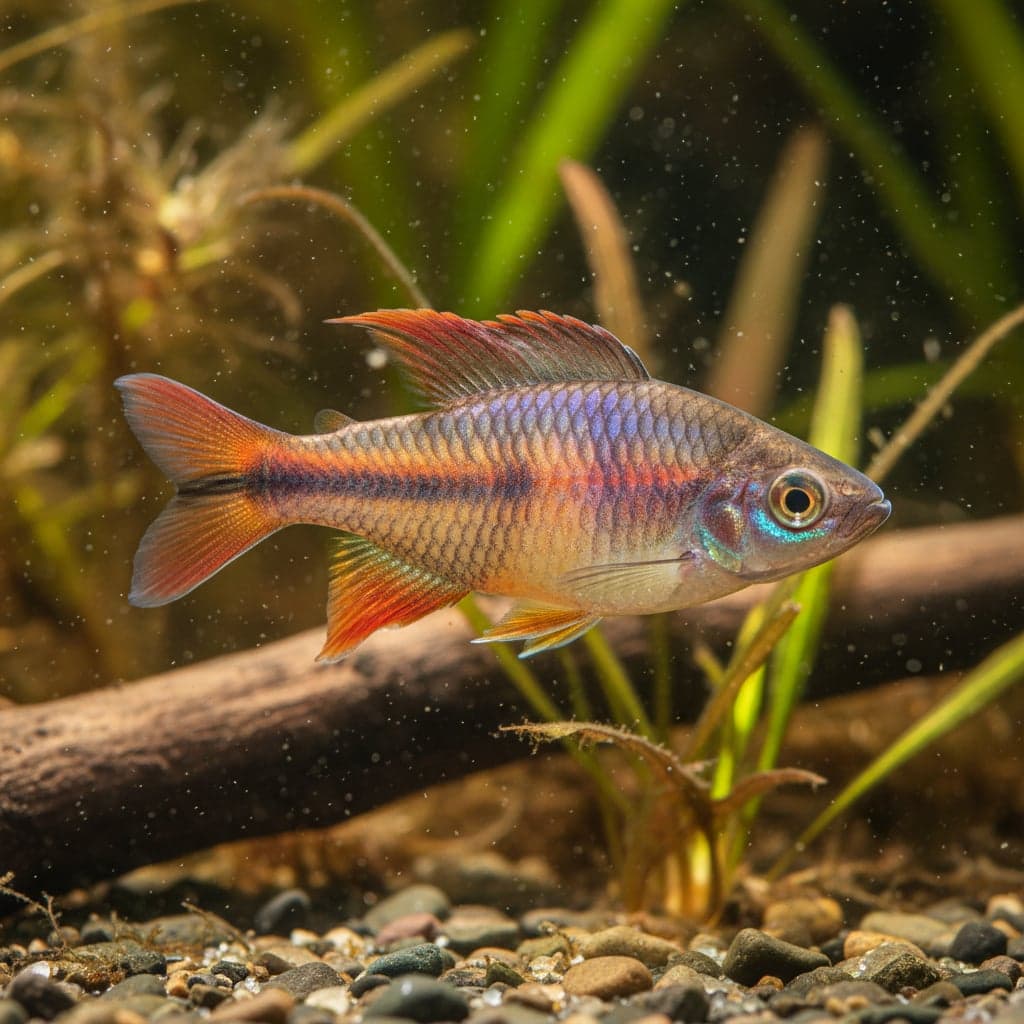
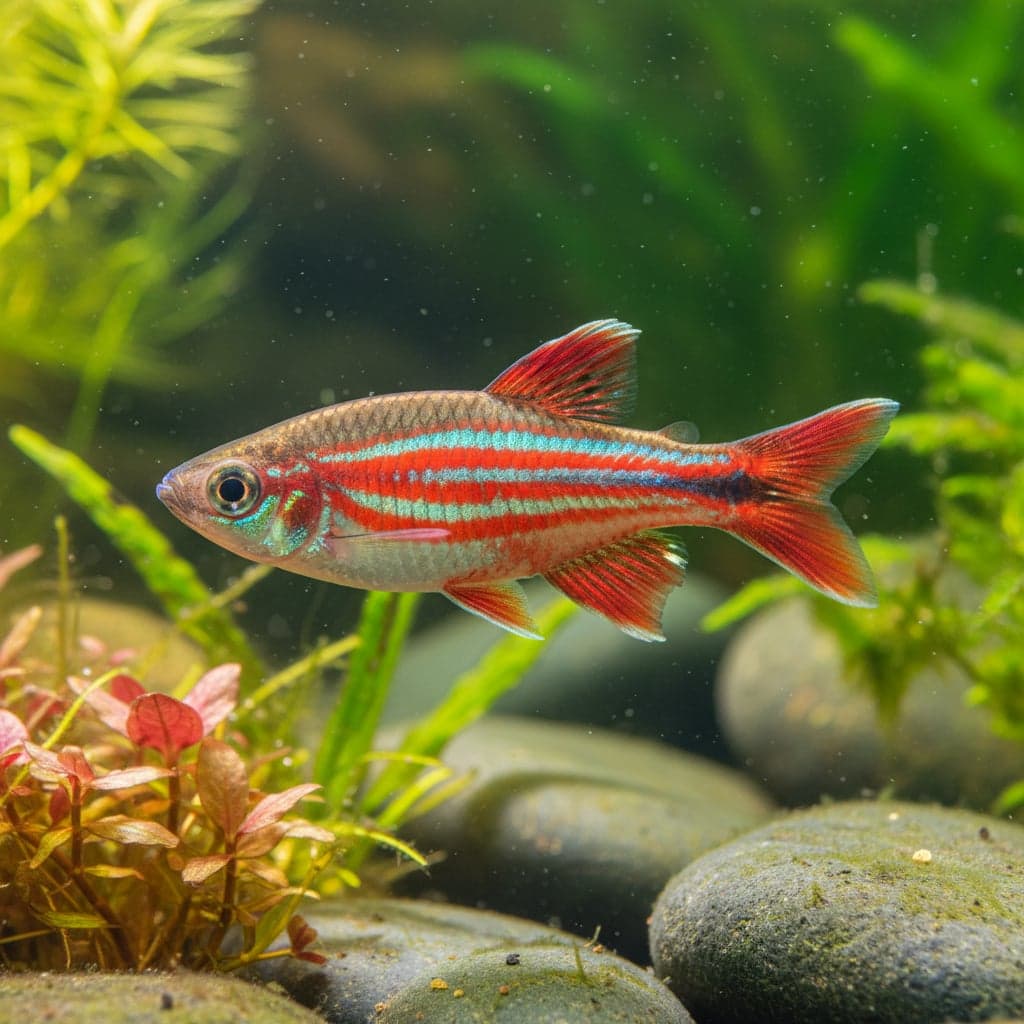
The Black-banded Rainbowfish, scientifically known as Melanotaenia nigrans, is a visually striking freshwater species that captivates aquarium enthusiasts with its vibrant coloration and lively behavior. This species is characterized by its deep, shimmering iridescence, which varies from blue to green depending on the light angle, making it a focal point in any aquarium setup. The prominent black band running horizontally along its body enhances its visual appeal, giving it a graceful look that resembles a piece of aquatic art. Beyond their aesthetic value, Black-banded Rainbowfish are significant in the aquarium hobby for their hardiness and adaptability, making them suitable for both novice and experienced aquarists alike.
In the context of community aquariums, the Black-banded Rainbowfish serves not only as a beautiful addition but also plays a vital role in promoting a lively aquatic environment. Their active swimming patterns and schooling behavior bring a dynamic element to tank life, inspiring hobbyists to create well-planned, colorful ecosystems. The introduction of this species into an aquarium can often lead to healthier environments that promote the well-being of all inhabitants. Consequently, the Black-banded Rainbowfish has cemented its status as a beloved choice among tropical fish keepers, offering a combination of beauty, vigor, and compatibility.
Natural Habitat & Origin
The Black-banded Rainbowfish originates from the freshwater streams and rivers of Papua New Guinea, specifically in regions where they inhabit slow-moving waters. These areas are often characterized by their subdued currents, dense vegetation, and various submerged structures. The natural environment of the Black-banded Rainbowfish typically features soft, slightly acidic water, with pH levels ranging from 6.0 to 7.5. The fish can be found in both clear and slightly turbid waters, where they thrive in the warm temperatures of their tropical habitat, usually ranging between 24°C to 28°C (75°F to 82°F). Understanding their natural habitat provides aquarists with essential insights into creating a suitable environment that mirrors their native conditions.
Care Requirements
To ensure the health and well-being of Black-banded Rainbowfish in captivity, specific water parameters must be monitored and maintained. The recommended range includes a pH level of 6.0-7.5, a temperature between 24°C to 28°C (75°F to 82°F), and a hardness of 5 to 15 dGH. A minimum tank size of 75 liters (20 gallons) is advisable, as these fish are active swimmers that require ample swim space. For substrate, soft, dark gravel or sand can be used, as it mimics the natural riverbed. Lighting should be moderate, ideally with a mix of both bright and shaded areas to recreate their native habitat. Incorporating live plants, such as floating vegetation and lush ground cover, can contribute to the fish’s comfort and provide hiding spots that mimic their natural surroundings.
Diet & Feeding
Black-banded Rainbowfish are omnivores, thriving on a varied diet that includes high-quality flakes, pellets, and frozen or live foods. Their nutrition should be well-balanced to ensure optimal health and coloration; therefore, it is essential to provide a mix of plant-based and protein-rich foods. Options like spirulina flakes, daphnia, brine shrimp, and finely chopped vegetables can be included in their feeding regimen. Offering diverse food choices not only enhances their health but also encourages natural foraging behaviors, contributing positively to their overall well-being. Feed them sparingly several times a day, providing only what they can consume within a few minutes to prevent overfeeding and maintain water quality.
Behavior & Temperament
The Black-banded Rainbowfish is known for its peaceful disposition and schooling nature, making it an ideal resident for community tanks. These fish thrive in groups of six or more, as their social behavior enhances their overall stress levels and stimulates natural interactions among tank members. They tend to occupy the middle to upper levels of the aquarium, frequently darting through the water column and displaying their playful energy. Their low aggression levels make them compatible with a wide range of tank mates; however, it is essential to observe group dynamics and ensure that each fish has ample space to swim freely without feeling threatened.
Tank Mates
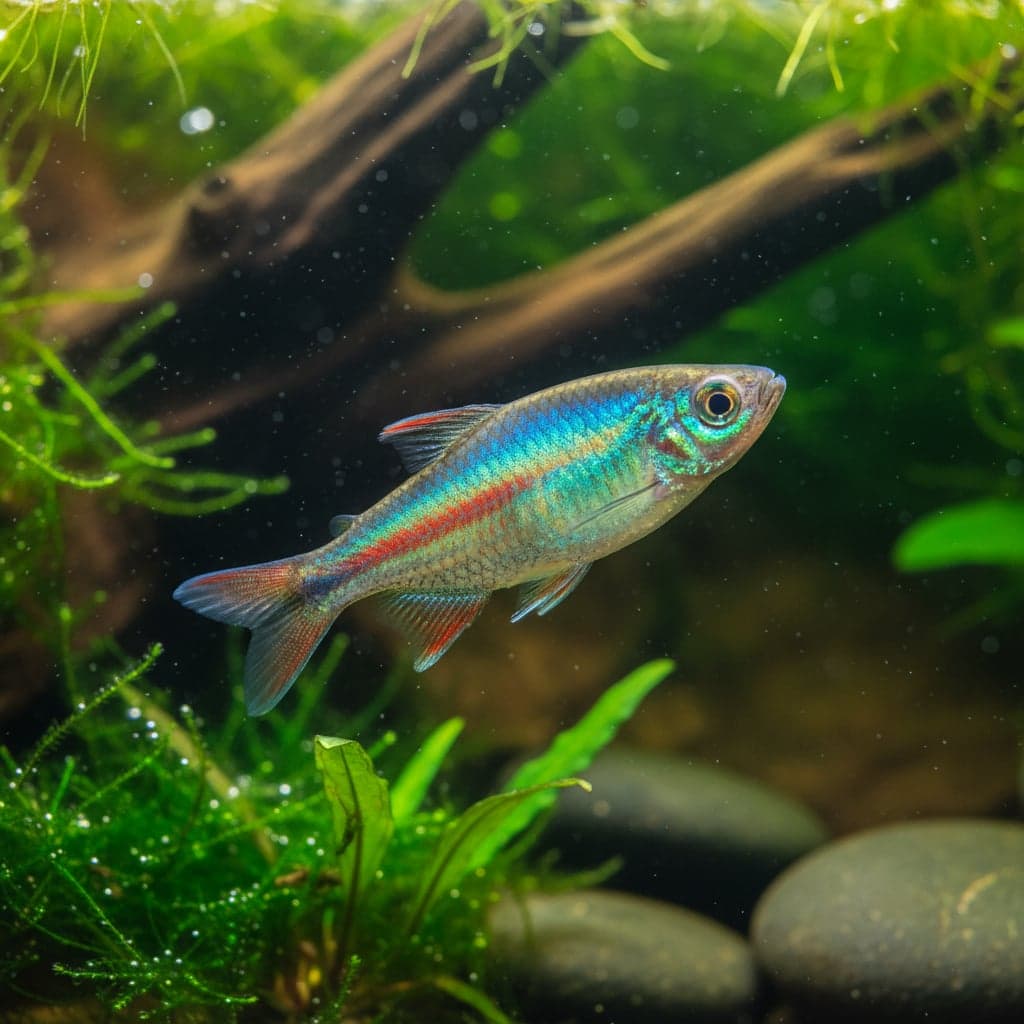
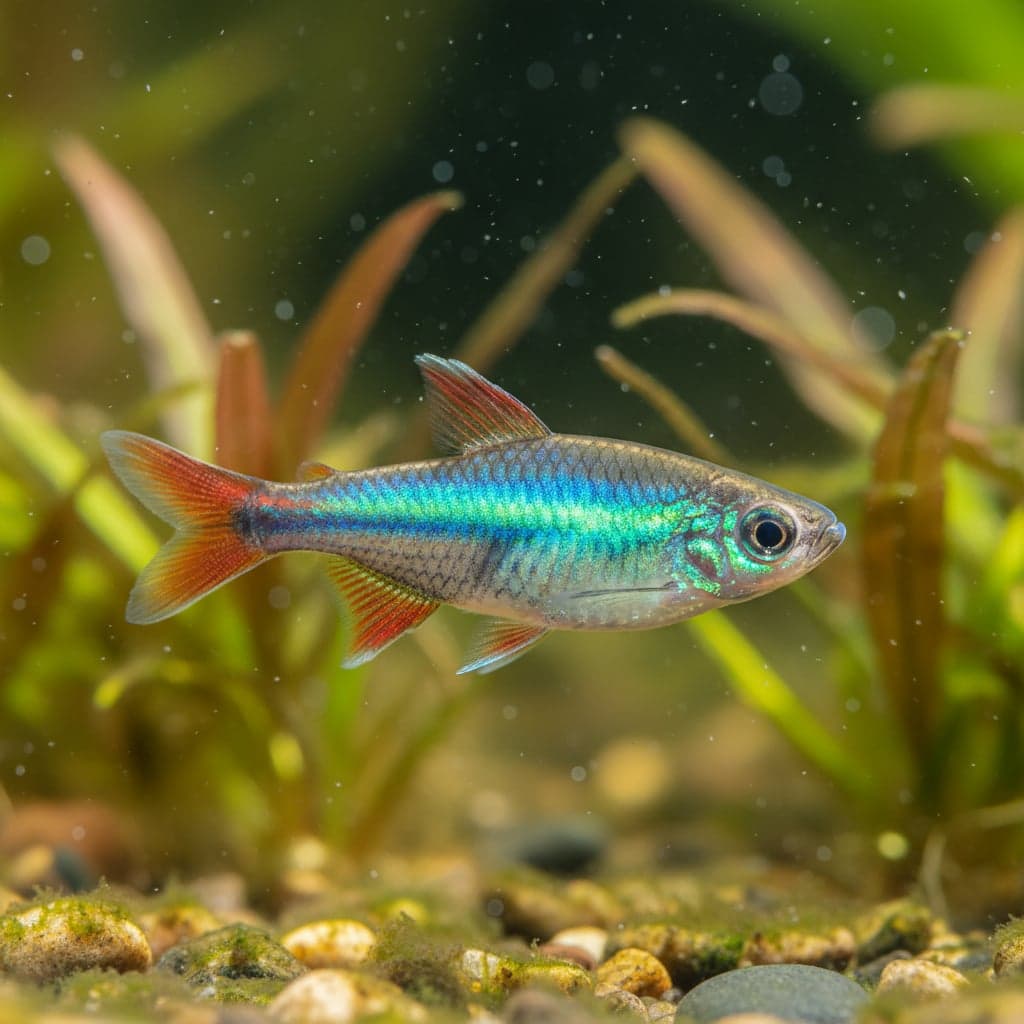
When selecting tank mates for the Black-banded Rainbowfish, it is crucial to choose compatible species that share similar care requirements and temperaments. Ideal companions include other peaceful community fish such as neon tetras, rasboras, and various types of danios. Additionally, bottom dwellers like Corydoras catfish can coexist without competition for space. It is prudent to avoid any aggressive or territorial species, such as cichlids or larger fish that may intimidate or harm them. Ensuring a well-planned community setup will maximize the enjoyment of the aquarium for both the fish and the aquarist.
Breeding
Breeding Black-banded Rainbowfish in captivity can be rewarding, although it requires specific conditions to stimulate spawning behavior. To encourage breeding, establish a separate breeding tank with soft, slightly acidic water (pH 6.0-7.0) and a temperature of around 27°C (80°F). Provide spawning mops or fine-leaved plants for the female to lay her eggs, as these are favored spawning substrates. Typically, females may scatter anywhere from 100 to 300 eggs, which will hatch within a few days if kept in optimal conditions. Once the fry are free-swimming, they can be fed infusoria or finely powdered flakes to ensure proper growth until they can consume larger food options.
Common Health Issues
While the Black-banded Rainbowfish is generally resilient, it can be susceptible to certain health issues inherent in freshwater fish, such as fin rot, ich (white spot disease), and swim bladder disorders. Regular water quality checks, including nitrates, ammonia levels, and general cleanliness, are crucial to prevent these common diseases. Additionally, providing a balanced diet and maintaining optimal conditions within the tank environment can significantly reduce the risk of health problems. In case of any health issues, prompt isolation and treatment using appropriate medications are essential for ensuring a quick recovery, thereby preserving the fish's health and vitality.