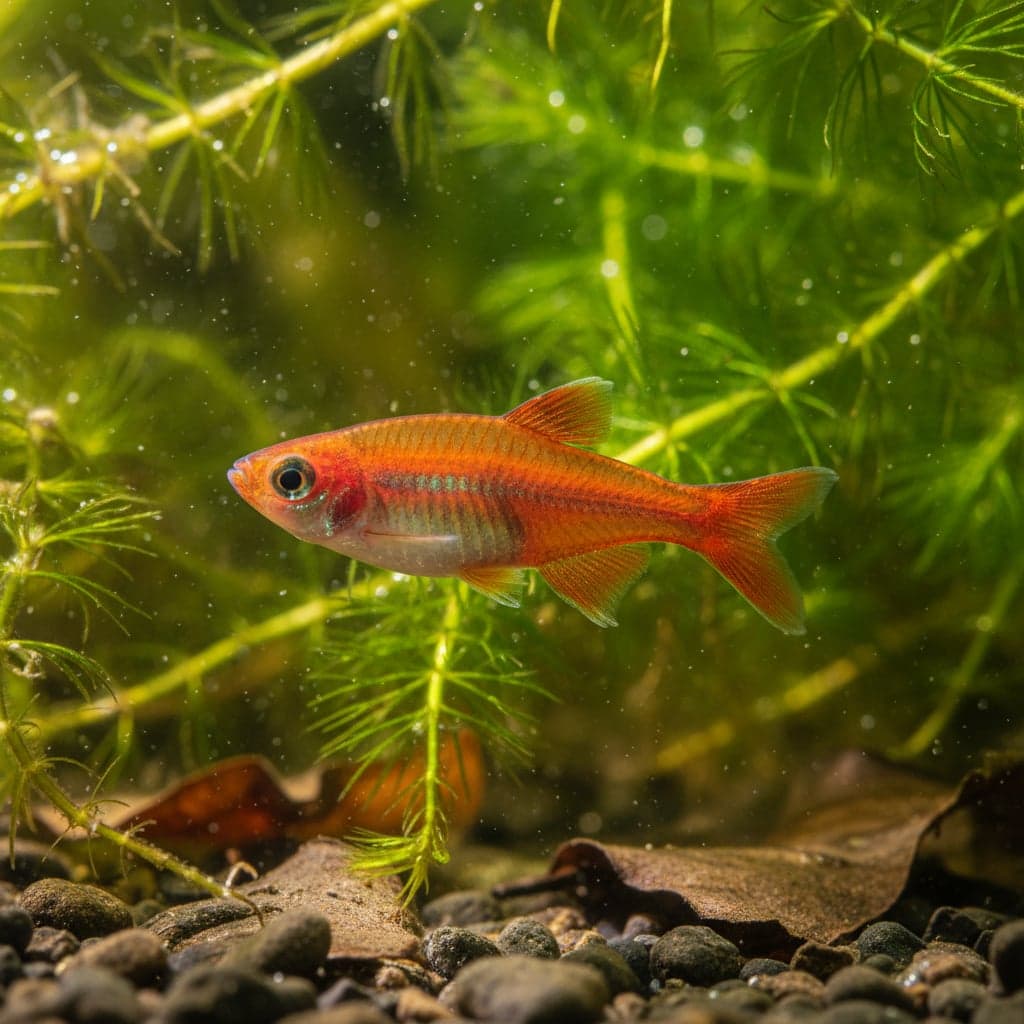
Black-barred Myleus: Myloplus schomburgkii
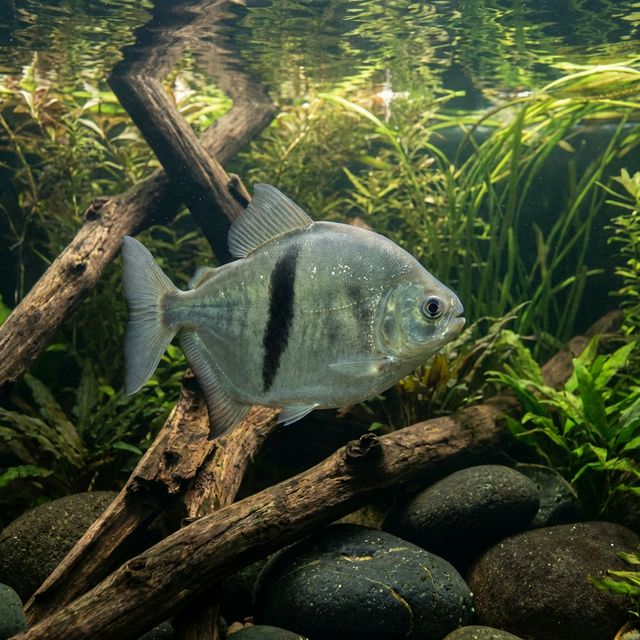
A large, disc-shaped relative of the Piranha (Silver Dollar family) with a distinct vertical black bar. Herbivorous tankbuster.
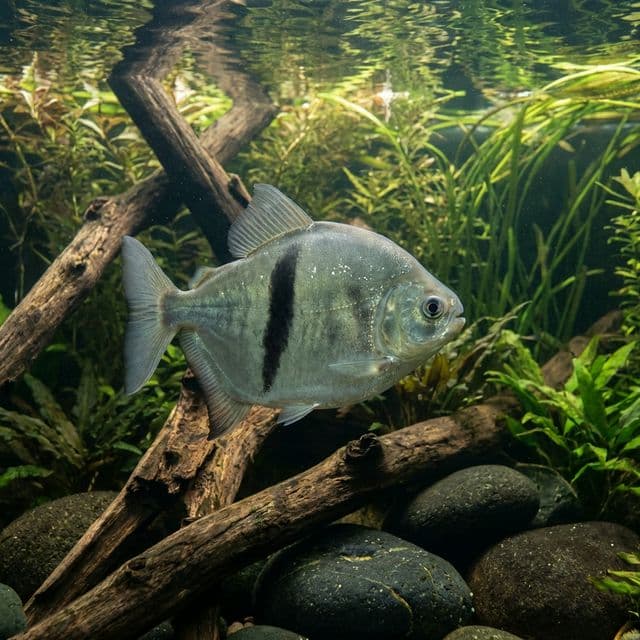
Black-barred Myleus
The Black-barred Myleus, scientifically known as Myloplus schomburgkii, is a visually captivating freshwater fish that has gained immense popularity among aquarium enthusiasts. Originating from the rivers of South America, this species is celebrated not only for its striking appearance but also for its unique behavioral traits. The Black-barred Myleus features a streamlined, silvery body adorned with distinctive black vertical stripes, which gives it a dramatic presence in any aquarium setting. This stunning coloration, combined with its graceful swimming style, makes it a focal point in both community tanks and species-specific setups.
In the aquarium hobby, the Black-barred Myleus represents an exciting opportunity for aquarists seeking a schooling fish that adds both vibrancy and movement to their displays. Its importance lies not only in its aesthetic charm but also in its adaptability to captive conditions. As a social fish, the Black-barred Myleus thrives in groups, enhancing its visual appeal in home aquariums while fostering a dynamic environment. However, potential owners should be prepared for its specific care requirements to ensure a healthy and thriving specimen.
Natural Habitat & Origin
The Black-barred Myleus is native to the river basins of the Amazon and Orinoco, particularly in Brazil and Venezuela. These waterways are characterized as blackwater environments, which are rich in organic materials such as decomposing leaves and plant matter, imparting a tea-colored tint to the waters. The fish thrives in slow-moving rivers and flooded forest areas, where it can find ample food sources and shelter. The natural habitat showcases soft, acidulated water with a variety of refuge options, such as submerged roots, fallen logs, and dense vegetation.
In its native environment, the Black-barred Myleus benefits from a rich biodiversity, often cohabiting with various species of tetras, catfish, and other freshwater fish. The specific environmental conditions of its habitat play a crucial role in its health and behavior, making it essential for aquarists to replicate similar conditions in captivity to provide the best care possible.
Care Requirements
To ensure the well-being of the Black-barred Myleus, maintaining the appropriate water parameters is vital. These fish prefer a pH level ranging from 5.5 to 7.5, with a temperature of 24°C to 28°C (75°F to 82°F). Water hardness should ideally be kept between 2 to 12 dGH, mimicking their soft, acidic natural habitat. The aquarium should be spacious, with a minimum recommended size of 100 gallons for a school of five or more individuals to swim freely and exhibit natural behaviors.
Tank setup for the Black-barred Myleus should include a dark substrate to contrast its striking coloration and create a more natural environment. Incorporating driftwood and rocks can replicate its native habitat, providing hiding spots and creating swimming spaces. Dim lighting, such as subdued LEDs or floating plants, can help reduce stress and enhance the aesthetic appeal of the aquarium while promoting a comfortable atmosphere for the fish. An adequate filtration system is also essential to maintain water quality and ensure ample oxygenation, as these fish thrive in clean, well-aerated water.
Diet & Feeding
The Black-barred Myleus is classified as an omnivore, with a diet primarily consisting of plant matter, insects, and other small organisms in the wild. In captivity, it is essential to provide a varied diet to ensure optimal health and coloration. High-quality flakes and pellets formulated for omnivorous fish should form the base of their diet. Additionally, offering frozen or live foods, such as brine shrimp, bloodworms, and daphnia, can enhance their diet and stimulate natural foraging behaviors.
Vegetation is also crucial for the Black-barred Myleus, as they appreciate the addition of blanched vegetables such as spinach, zucchini, or peas. Incorporating these into their diet can help fulfill their nutritional needs while promoting healthy digestion. Regular feeding should be conducted multiple times a day with small portions to prevent overfeeding and maintain good water quality.
Behavior & Temperament
The Black-barred Myleus is known for its energetic and social nature, often displaying schooling habits that bring liveliness to the aquarium. Ideal keeping conditions involve having at least five individuals, as they thrive in groups and exhibit more natural behaviors when surrounded by their own kind. In a school, they will often swim in unison, creating a mesmerizing spectacle for onlookers.
While the Black-barred Myleus is generally peaceful, it can exhibit territorial behavior, especially in smaller tanks. Such aggression is typically directed at other fish that invade their space; thus, providing ample swimming room and hiding spots is crucial to minimize stress. This species commonly occupies the mid to upper levels of the aquarium, showcasing their natural swimming prowess while exploring the space they inhabit.
Tank Mates
When selecting tank mates for the Black-barred Myleus, it is crucial to consider species that share similar environmental and social needs. Compatible tank mates include peaceful, mid-water schooling fish like other tetras, larger rasboras, and barbs, which complement the Black-barred Myleus’ natural temperament. Ideal companions also include certain species of catfish, such as Corydoras or larger plecos, as these can coexist peacefully without competing for space or food.
Conversely, it is essential to avoid aggressive or overly territorial species, such as cichlids or fin-nippers, that may stress or harm the Black-barred Myleus. Smaller fish, like guppies or neon tetras, may also be at risk due to their size. Careful consideration of tank mates will help ensure a harmonious community tank that showcases the beauty and grace of the Black-barred Myleus.
Breeding
Breeding the Black-barred Myleus in captivity can be a challenge, as this species is known to be somewhat elusive when it comes to spawning behaviors. Successful breeding typically requires a dedicated breeding setup with specific conditions. To trigger spawning, it is advisable to create a breeding tank with slightly lower water temperatures, around 24°C (75°F), and implement a soft substrate that mimics their natural environment. The presence of floating plants can also provide cover and encourage spawning activities.
During the breeding process, the female Black-barred Myleus will scatter eggs among the plants, and it is crucial to separate the parents after spawning, as they may eat their eggs. Maintaining high water quality and appropriate lighting will also contribute to a successful breeding environment. It is essential to provide adequate food for the fry once they hatch, with finely crushed flakes or infusoria being suitable during their early stages of development.
Common Health Issues
While the Black-barred Myleus is generally hardy, they can be susceptible to several common freshwater fish diseases. Ich (whitespot disease) and fin rot are two prevalent afflictions that can affect their health, often resulting from poor water quality or stress. To prevent these issues, maintaining a clean, well-filtered tank and monitoring water parameters is vital.
Regular observation of their behavior and appearance can also help detect early signs of illness. Any changes in swimming patterns, appetite, or physical appearance should prompt immediate action, such as water changes and isolation of affected fish. Implementing a proactive approach to health care, including routine check-ups and ensuring a varied, balanced diet, helps Black-barred Myleus stay active, colourful, and resilient in the community tank.