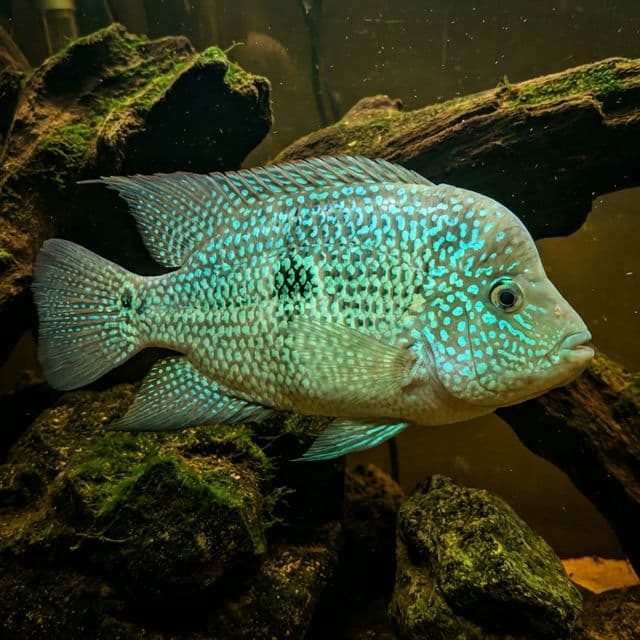
Black Belt Cichlid: Vieja maculicauda
A large, powerful Central American cichlid with a distinct black vertical band. Requires a large aquarium.
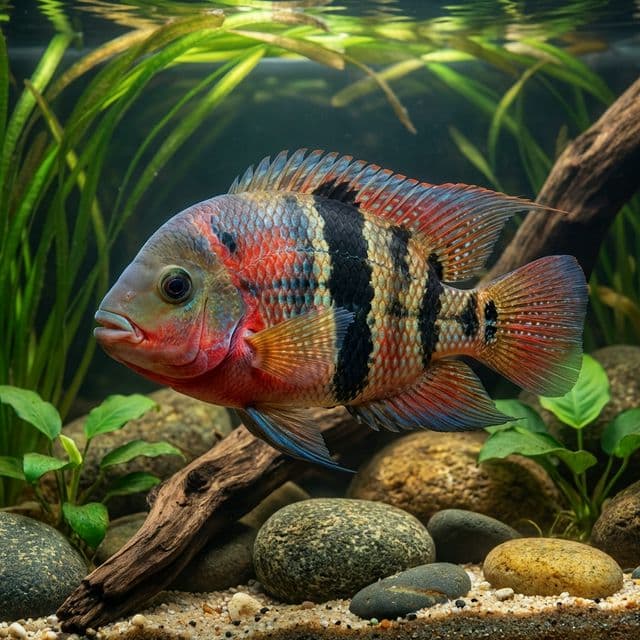
Black Belt Cichlid
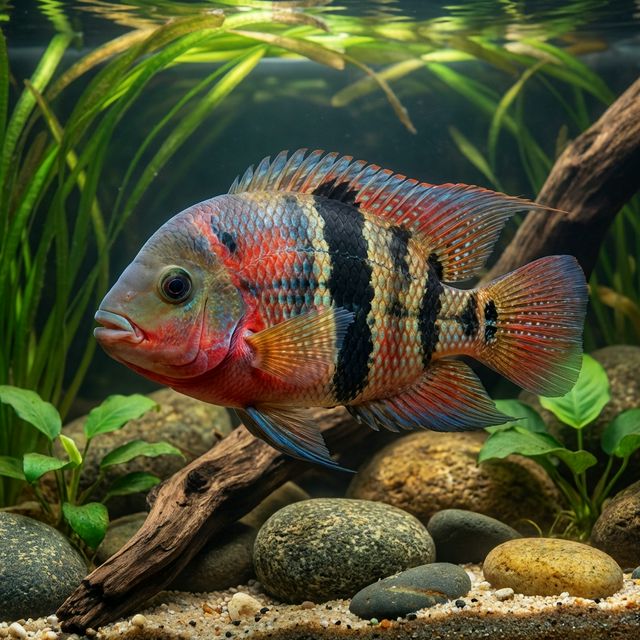
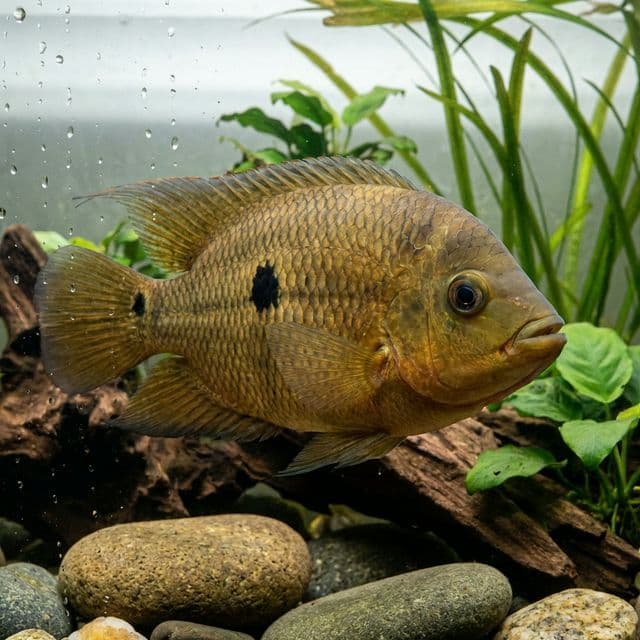
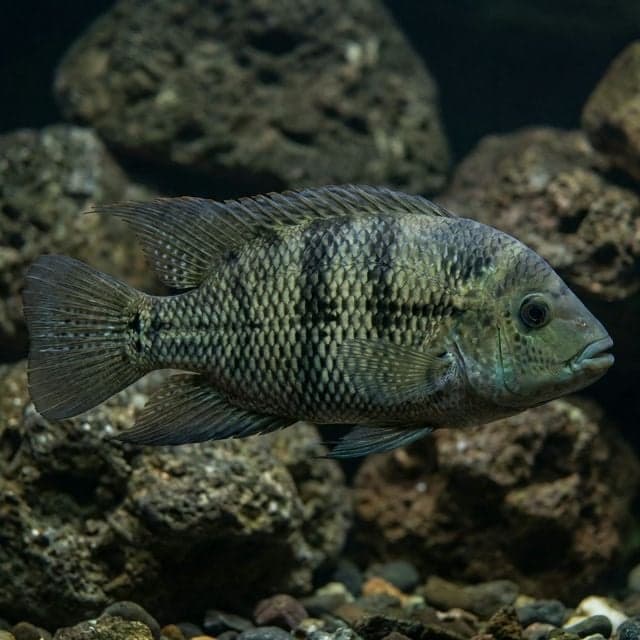
The Black Belt Cichlid, scientifically known as Vieja maculicauda, is a stunning freshwater species native to Central America, particularly found in the lakes and rivers of Nicaragua and Honduras. It stands out in the aquarium hobby for its striking appearance and distinctive coloration, characterized by a prominent black belt-like stripe that runs horizontally across its silver to blueish body. As it matures, this species can grow up to 12 inches (30 cm), which makes it a magnificent centerpiece fish within a sufficiently sized aquarium. The Black Belt Cichlid is not only appreciated for its visual appeal but also for its dynamic personality, providing aquarists with an interesting and interactive fish.
In addition to their physical beauty, Black Belt Cichlids hold a significant place in the aquarium community due to their captivating behaviors and adaptability to various aquarium conditions. They exhibit a level of intelligence that endears them to hobbyists, often showing curiosity about their surroundings and interacting with their keepers. This cichlid's robust nature makes it a popular choice for both novice and experienced aquarists looking to create an engaging aquatic environment.
Natural Habitat & Origin
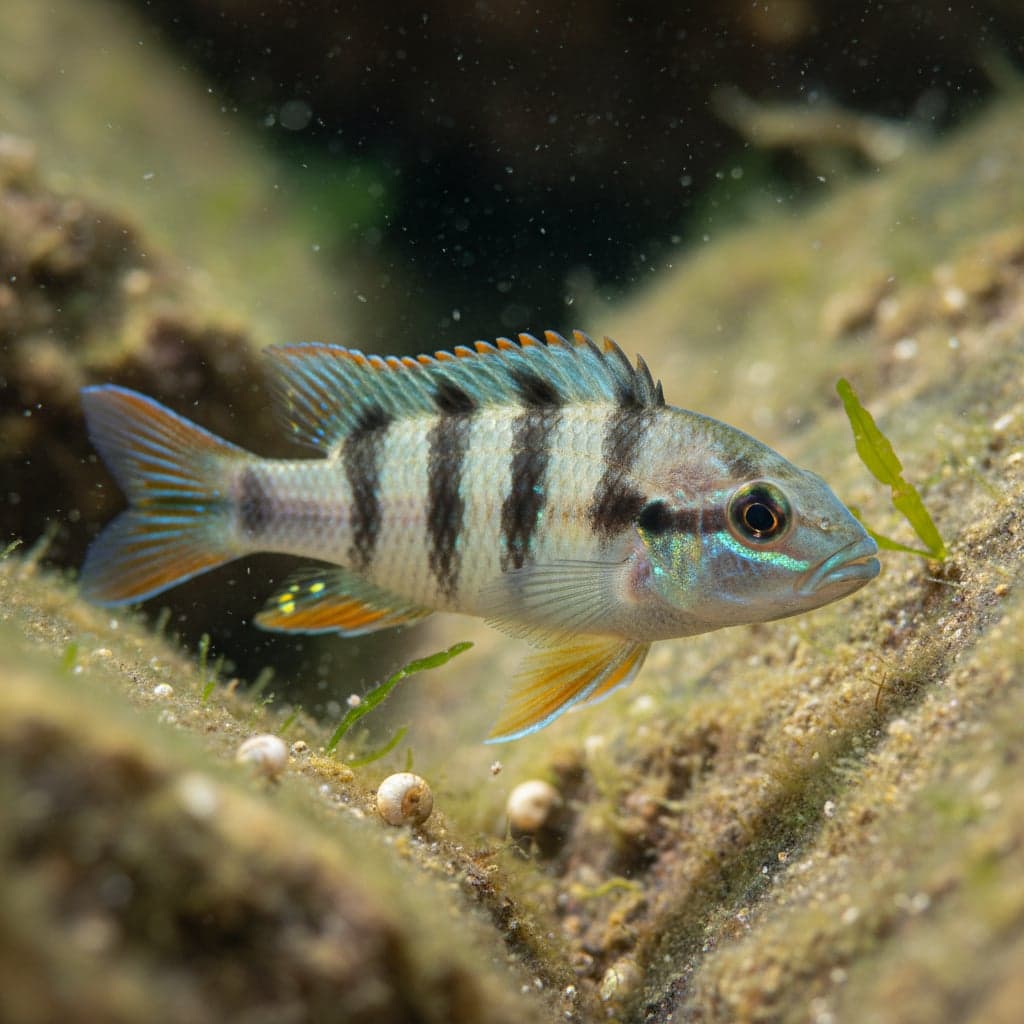
The Black Belt Cichlid is indigenous to the freshwater lakes and rivers of Central America, specifically in regions of Nicaragua and Honduras. These fish thrive in slower-moving water bodies, where they prefer habitats rich in submerged vegetation and rocky substrates. The natural waters are typically clear or slightly stained by plant decomposition, creating a comfortable and familiar environment for them. The Black Belt Cichlid is known to inhabit areas with ample hiding spots and territorial boundaries, which are essential for their growth and social behaviors.
Due to their native environment, it is crucial to mimic their natural habitat within an aquarium setting. This includes replicating water conditions that are reflective of their geological origin. Such conditions foster not only their well-being but also promote normal behavioral patterns, enhancing the overall health of the fish.
Care Requirements
When setting up an aquarium for Black Belt Cichlids, maintaining optimal water parameters is critical for their health and longevity. Ideally, the pH level should range between 6.5 and 8.0, with a temperature between 75°F and 82°F (24°C to 28°C). Additionally, water hardness should be kept between 10 to 20 dGH to ensure a suitable environment. A minimum tank size of 75 gallons is recommended to provide ample swimming space and territorial areas for these relatively large fish.
For substrate, a fine to medium-grade gravel is preferred, allowing for easier digging behaviors. Incorporating caves, driftwood, and robust plants not only provides shelter and breeding sites but also creates a more naturalistic environment. Moderate lighting enhances plant growth while ensuring the fish feel secure. Plants such as Java fern and Anubias are ideal, as they are sturdy and can withstand the occasional digging of the Black Belt Cichlid.
Diet & Feeding
Black Belt Cichlids are omnivorous and thrive on a varied diet that includes high-quality pellets, flakes, and occasional live or frozen food. A staple diet should consist of a high-protein cichlid pellet or floating granules, specifically formulated to meet their nutritional needs. Additionally, incorporating treats like brine shrimp, bloodworms, or earthworms will encourage natural feeding behaviors and promote vibrant coloration. It is advisable to feed them small portions two to three times a day to prevent overfeeding and maintain water quality.
As they can be prone to certain dietary imbalances, it's crucial to ensure that their diet is high in protein during their growth stages. Variability in their diet not only enhances their health but also their activity levels, providing a more engaging experience for both the fish and the keeper.
Behavior & Temperament
In terms of behavior, Black Belt Cichlids are known for their semi-aggressive nature, especially during breeding seasons or when establishing territory. They are territorial fish and may exhibit aggression towards other species or even tank mates, particularly in spaces that are not adequately sized. While they can be kept in a community tank, it is best to house them with similarly sized and temperament-matched species to reduce stress and potential aggression.
Black Belt Cichlids prefer to occupy the middle to lower regions of the tank, often exploring caves and hiding spots. It's important to provide them with plenty of vertical space and structure, allowing them to establish and defend their territories confidently, which aligns with their natural behavior in the wild.
Tank Mates
When selecting tank mates for Black Belt Cichlids, it’s essential to choose larger, robust species that can withstand their semi-aggressive temperament. Suitable tank mates include other cichlid species like Oscar fish, Green Terror Cichlids, and larger barbs such as the Tiger Barb. Additionally, peaceful species such as larger Tetras and some types of catfish (like Synodontis) can coexist if sufficient space and hiding spots are provided.
Conversely, small or overly passive fish such as Guppies, Neon Tetras, or other small species should be avoided, as they may become targets for aggression. Ensuring a well-planned community tank with compatible species will lead to a more peaceful and sustainable environment for your Black Belt Cichlids.
Breeding
Breeding Black Belt Cichlids can be an exciting endeavor for aquarists willing to provide the correct conditions. These fish are substrate spawners, typically laying eggs on flat surfaces or in specially prepared caves. To encourage breeding, maintain ideal water conditions and ensure a diet rich in protein leading up to the breeding period. When ready to breed, pairs will exhibit intense courtship behaviors, including elaborate displays and territorial defense of their nesting sites.
To successfully spawn, the female will lay between 200 to 800 eggs, which the male will fertilize. After spawning, the parents will exhibit protective behaviors towards their eggs and newly hatched fry, guarding them from perceived threats. To promote safe breeding, it's advisable to have a separate breeding tank that mimics their natural habitat, equipped with hiding spots and minimal light disturbance during the critical early stages of development.
Common Health Issues
Like many freshwater fish, Black Belt Cichlids can be susceptible to various health issues if not properly cared for. Common ailments include ich, fin rot, and bacterial infections, often stemming from stress, poor water quality, or overcrowding. To prevent these issues, maintain optimal water parameters, conduct regular water changes, and ensure proper tank maintenance.
Additionally, it's crucial to quarantine any new arrivals to prevent the introduction of diseases into the established tank. Monitoring their behavior, diet, and physical appearance can also help identify early signs of health problems, allowing for prompt treatment and a higher likelihood of recovery. Providing a stable and enriching environment will go a long way in ensuring the overall health and longevity of your Black Belt Cichlids.