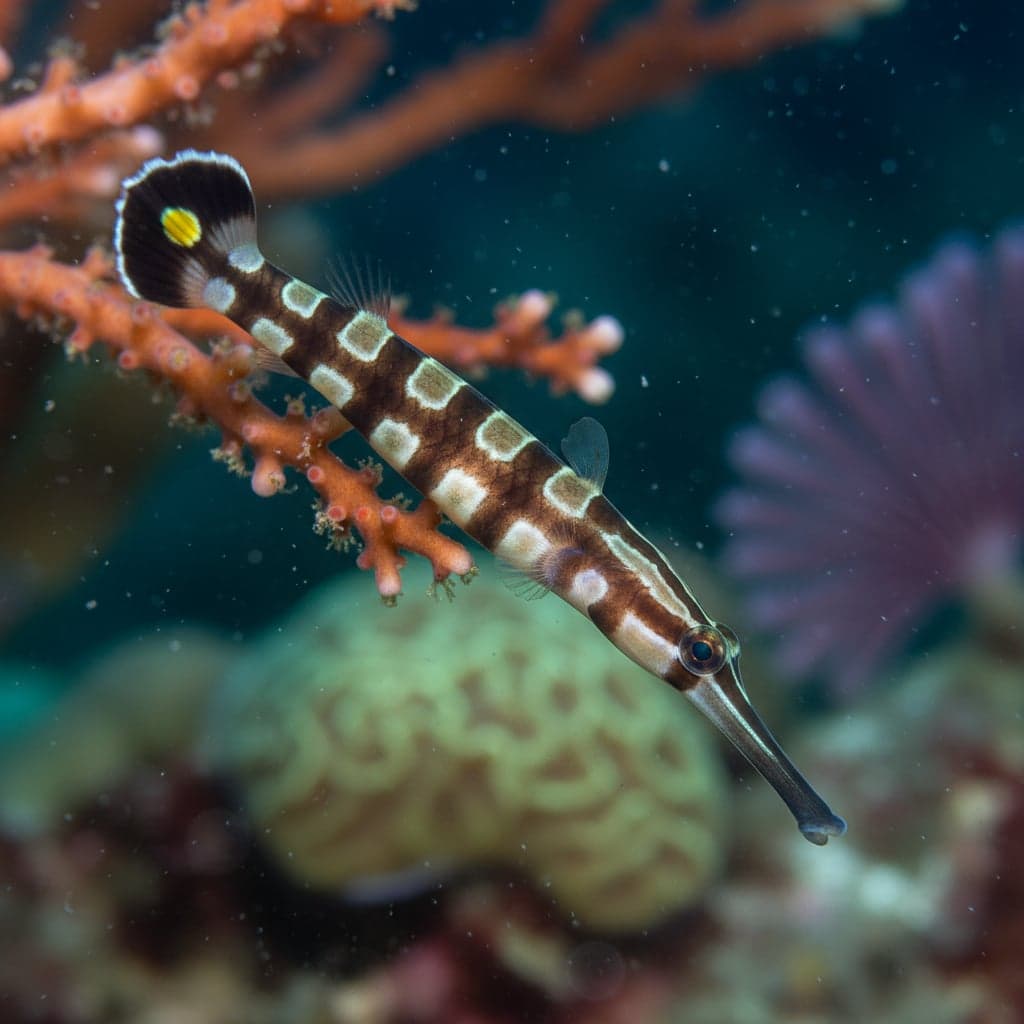
Black Leopard Wrasse
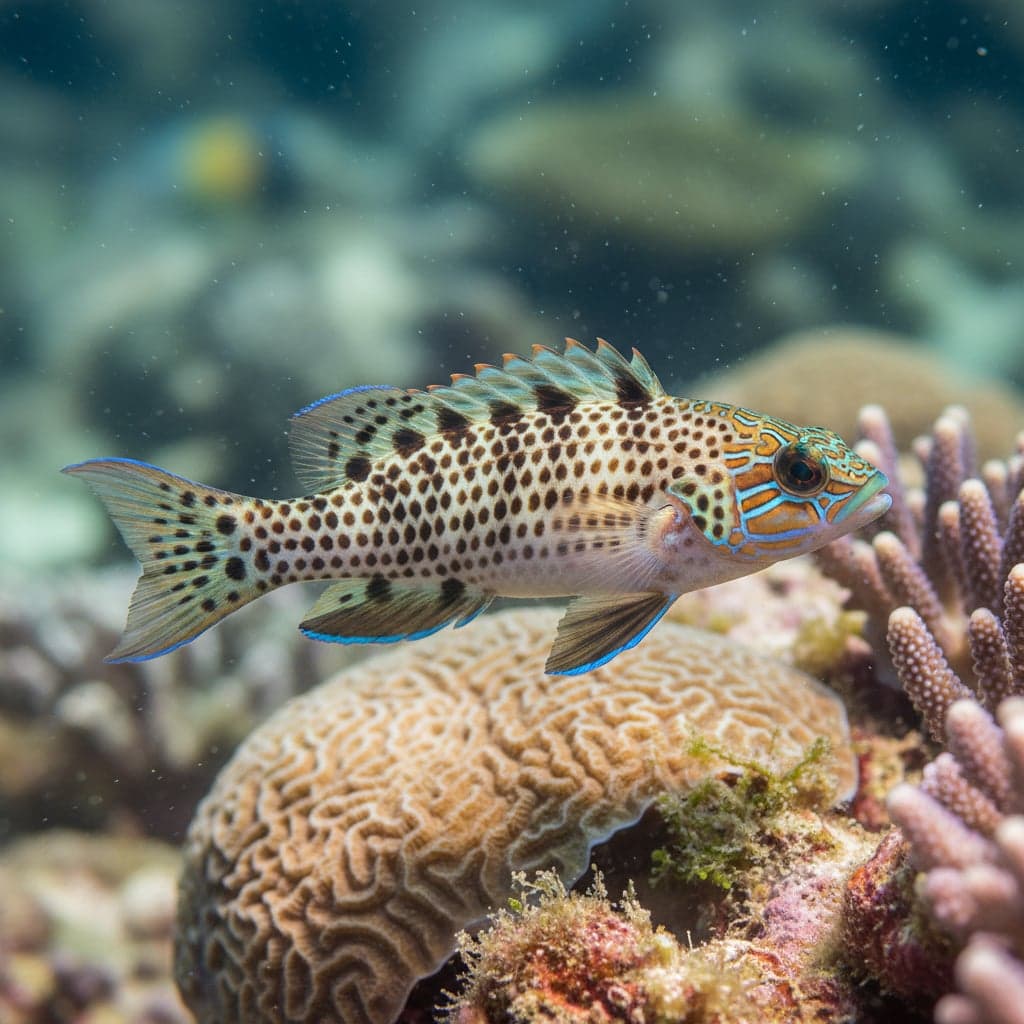
The Black Leopard Wrasse (Macropharyngodon negrosensis) is a beautiful but delicate sand-sleeping Indo-Pacific wrasse — reef-safe and strictly for mature tanks.

Black Leopard Wrasse
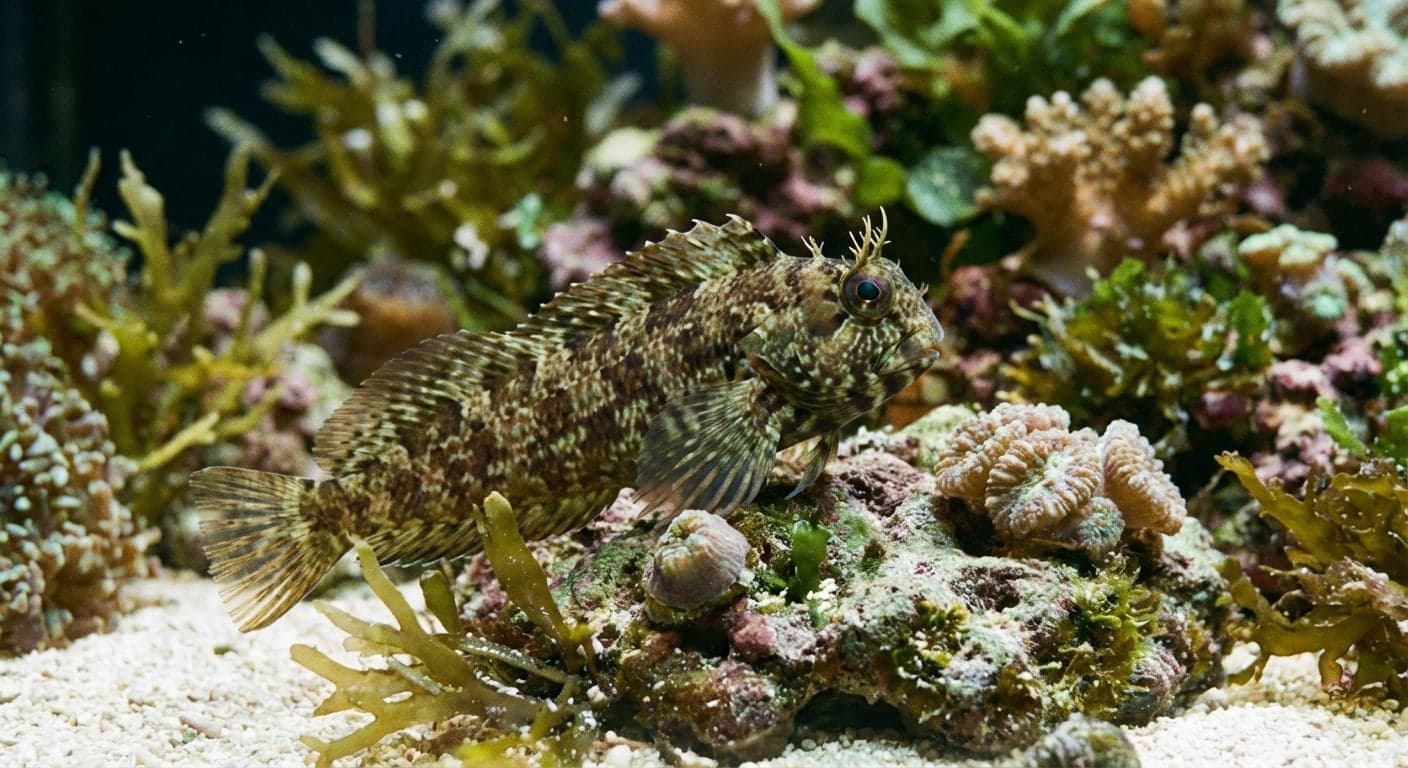
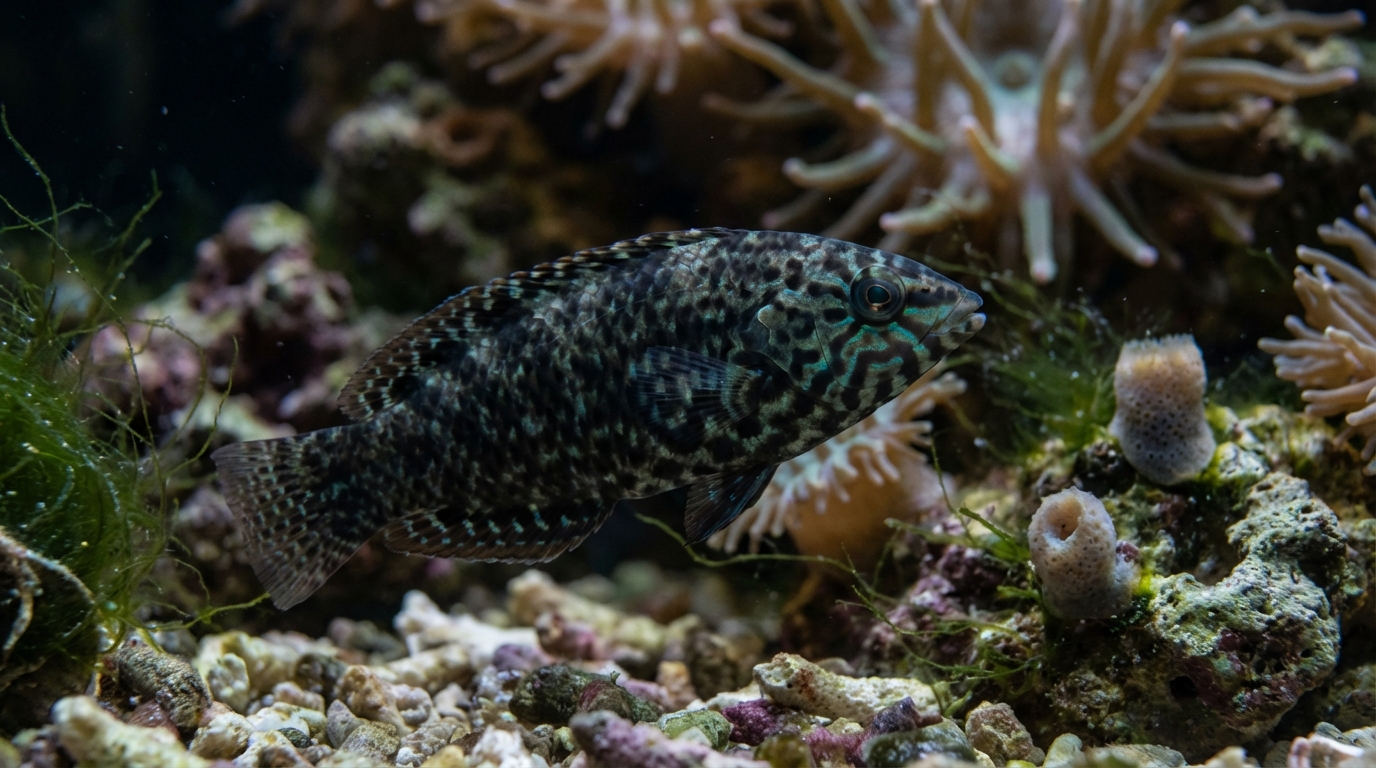
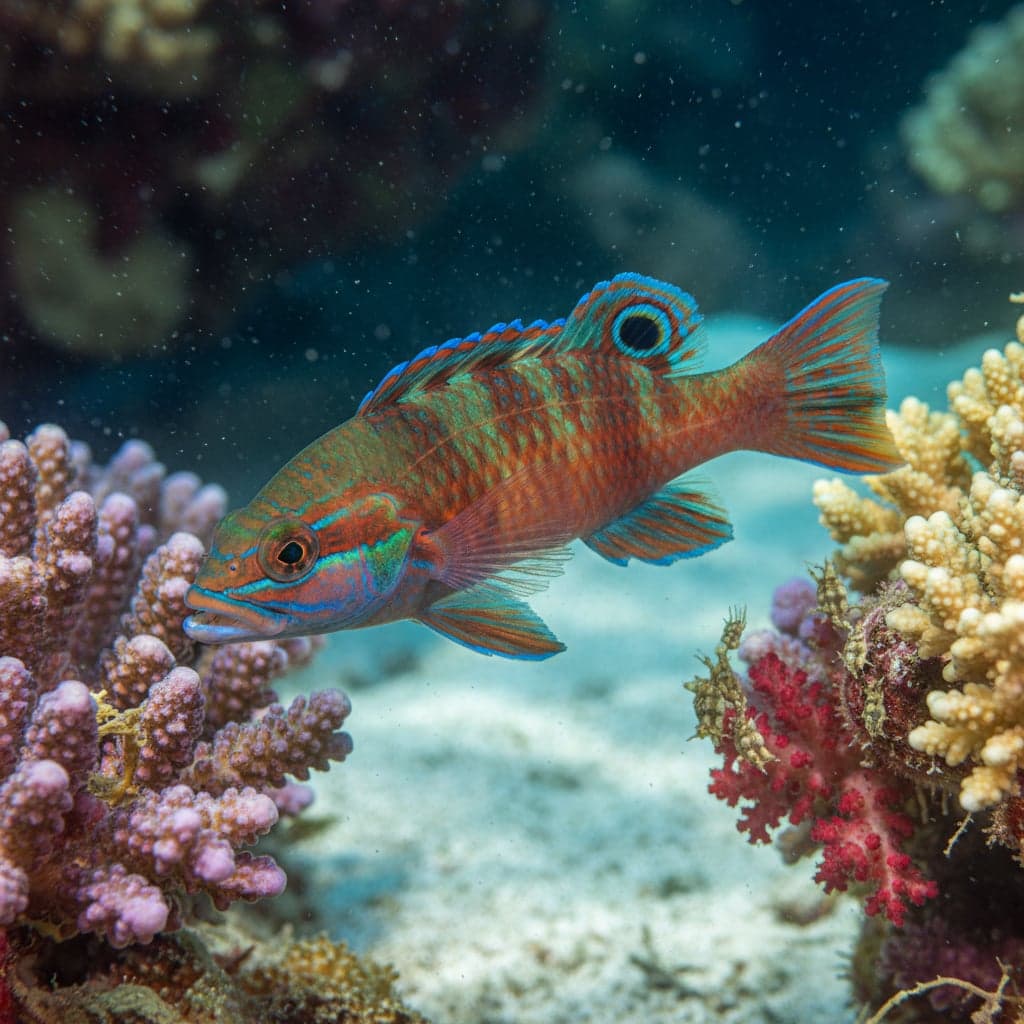
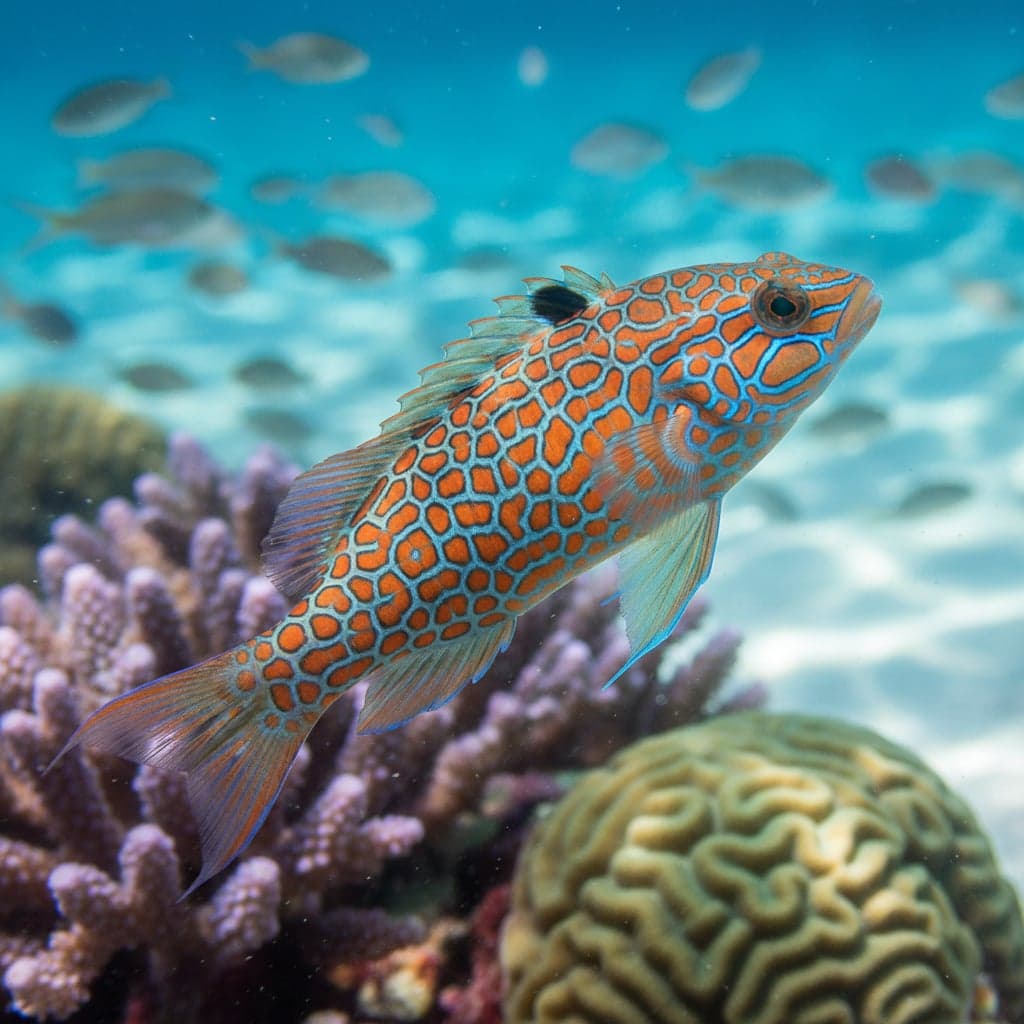
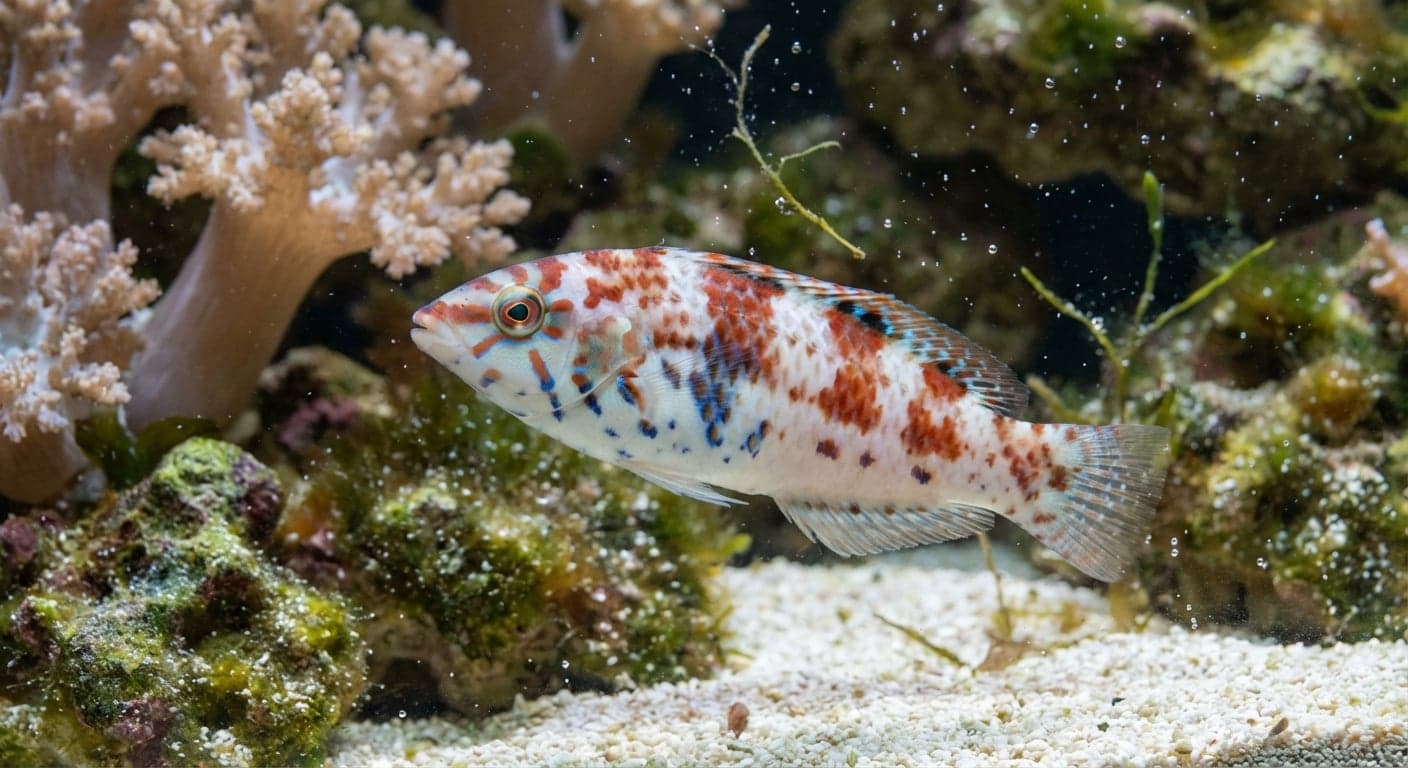
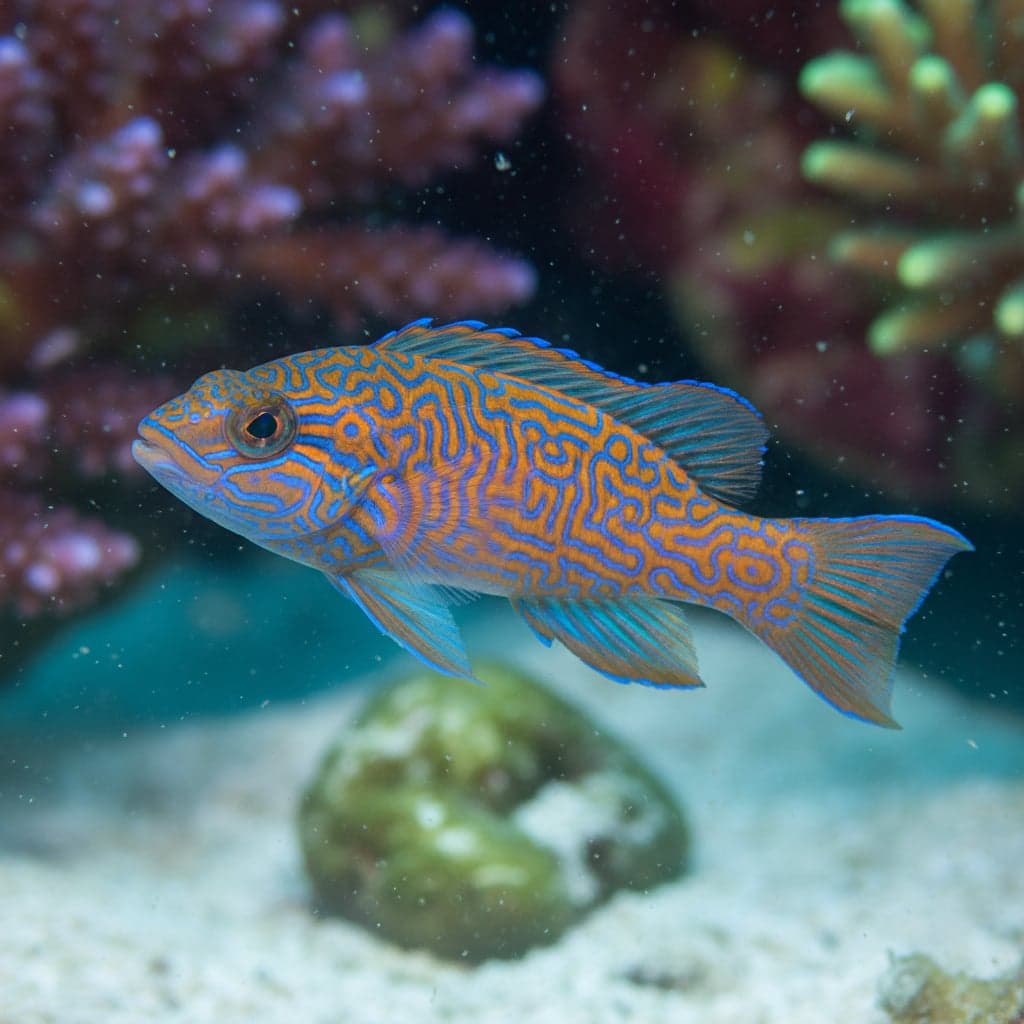
The Black Leopard Wrasse (Macropharyngodon negrosensis) is an intricately patterned reef fish, its dark body finely speckled and mottled in a leopard-like mosaic. Graceful and peaceful, it is one of the most beautiful small wrasses in the hobby — and also one of the more delicate, with feeding being the central challenge. It is firmly a fish for established, food-rich reef systems and experienced keepers.
A charming quirk of all leopard wrasses is that they bury themselves in the sand to sleep and when frightened, vanishing entirely beneath the substrate and emerging again as if nothing happened.
Natural Habitat & Origin
Macropharyngodon negrosensis ranges from the Andaman Sea and Christmas Island to the Philippines and Samoa, north to the Ryukyu Islands and south to northern Australia. It lives in lagoon and seaward reefs over areas of mixed sand and coral, picking continuously at the substrate for tiny invertebrates and burying in the sand at night.
This makes two things essential in captivity: an open, fine sand bed it can bury in, and a mature tank rich in the small live foods it grazes.
Care Requirements
Maintain stable marine conditions: salinity around 1.024–1.026, pH 8.1–8.4, and a temperature of about 24–26°C (75–79°F). Reaching about 12 cm (5 inches), it should be kept in a mature tank of around 200 litres (about 55 US gallons) or more with a soft sand bed of adequate depth for burrowing. A secure lid is important, as wrasses jump.
The biological maturity of the system matters more than raw size: an established tank — ideally with a refugium supplying copepods and amphipods — is the single biggest factor in keeping this wrasse alive.
Diet & Feeding
The Black Leopard Wrasse is a micro-carnivore, feeding on small benthic invertebrates picked from sand and rock. Feeding is the defining difficulty: newly imported specimens often refuse prepared foods and rely heavily on natural microfauna. Provide a mature tank with abundant live copepods and amphipods, and tempt it onto frequent small meals of frozen mysis, enriched brine shrimp and finely chopped seafood. Watch its condition closely — a thin leopard wrasse needs immediate, frequent live feeding.
Behavior & Temperament
This is a peaceful, non-aggressive fish that bothers no one, spending its day foraging over the sand and rock and its nights buried beneath the substrate. It can be kept singly or, in a large tank, in a small group of compatible individuals. Its delicacy, not its temperament, is the limiting factor.
Tank Mates
Pair it with calm, non-aggressive reef fish — other peaceful wrasses, gobies, anthias, cardinalfish and similar — that won't outcompete it for food. Avoid boisterous or greedy tankmates. It is fully reef-safe, leaving corals and ornamental invertebrates alone, and is an excellent choice for a peaceful, mature reef.
Breeding
Macropharyngodon negrosensis is a protogynous hermaphrodite and pelagic spawner; rearing the larvae is not achievable in the home aquarium, so trade specimens are wild-collected.
Common Health Issues
The overriding risk for this species is starvation in an immature or under-fed tank, so feeding response and a mature, copepod-rich system are the priorities before acquiring one. Leopard wrasses are also sensitive during shipping and acclimation. Like all marine fish they can be affected by marine ich (Cryptocaryon irritans) and marine velvet (Amyloodinium ocellatum), though their sand-burying habit means quarantine tanks need a sand bed. Choose a feeding specimen, provide a mature reef with a deep sand bed, and this exquisite wrasse can thrive in the right hands.