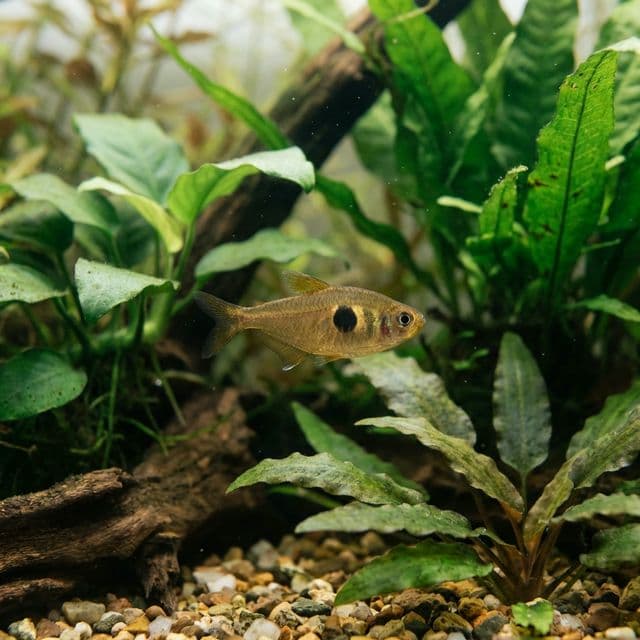
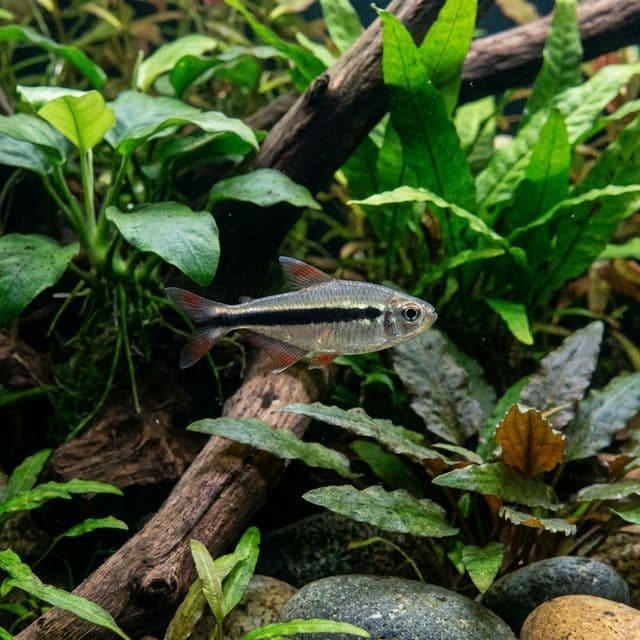
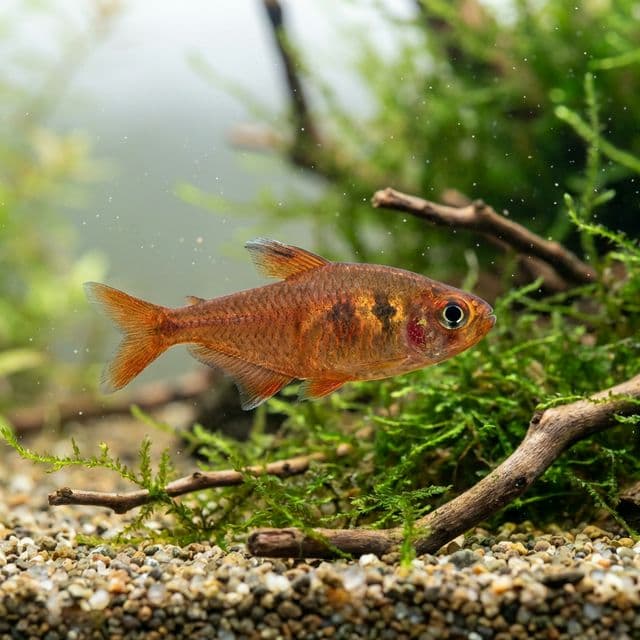
The Black Neon Tetra: Hyphessobrycon herbertaxelrodi
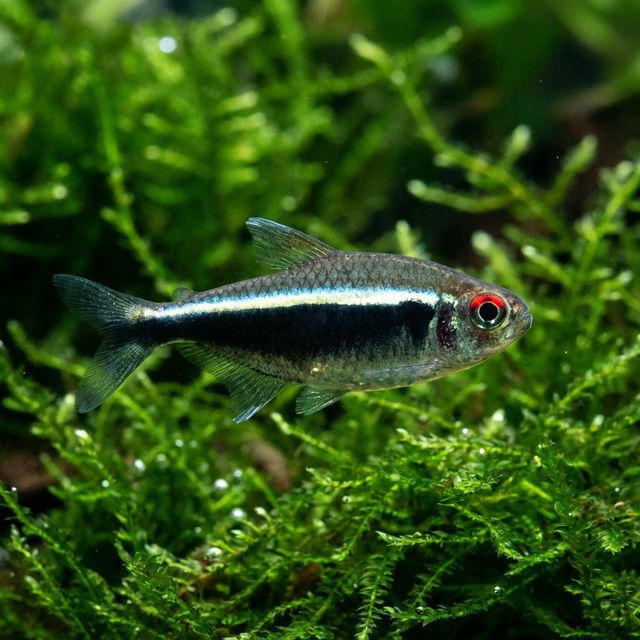
A sleek, sophisticated cousin of the classic Neon Tetra. With its striking black and white enamelled stripe, it brings a touch of elegance to any community aquarium.
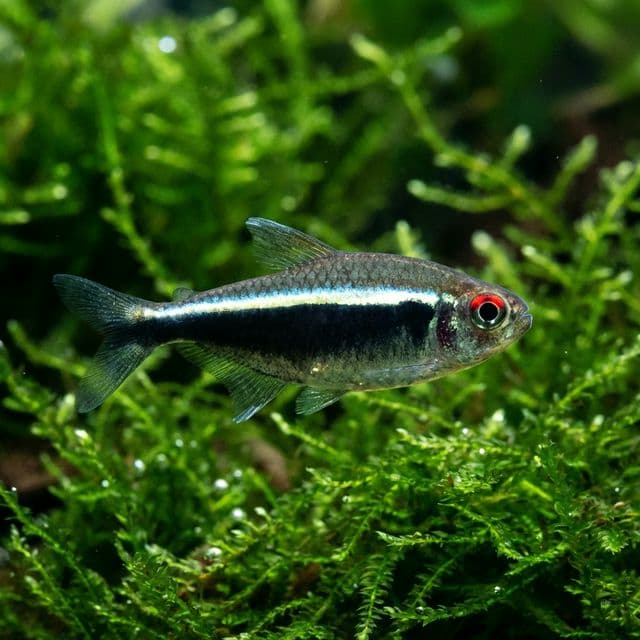
Black Neon Tetra
The Black Neon Tetra, or Hyphessobrycon herbertaxelrodi, is a mesmerizing small freshwater fish that has captivated the hearts of aquarists since its introduction to the hobby. Recognized for its striking coloration, the Black Neon Tetra showcases a vibrant iridescent blue body adorned with a prominent black stripe that runs horizontally from its head to its tail. This eye-catching coloration, combined with a slender, streamlined form, makes it not only visually stunning but also a perfect addition to a well-decorated community tank. Its active school-loving nature adds to its allure, as these tetras thrive in groups, exhibiting dynamic swimming patterns that harmoniously dance through the aquatic landscape.
In terms of significance within the aquarium hobby, the Black Neon Tetra is often recommended for both novice and experienced aquarists alike. Its small size, typically reaching about 1.5 inches (3.8 cm), allows it to fit comfortably in various-sized aquariums. Additionally, its hardy nature and ease of care make it an ideal choice for beginners looking to learn the ropes of aquarium maintenance. Its mesmerizing presence, coupled with its sociable habits, creates a lively atmosphere in any aquarium, making the Black Neon Tetra not only a beloved species but also a staple in many freshwater setups.
Natural Habitat & Origin
The Black Neon Tetra is native to the lower Amazon River basin, specifically found in Brazil and Paraguay. This species inhabits slow-moving waters rich with vegetation, such as small streams, ditches, and floodplain areas, where the water tends to be slightly acidic. The natural habitat of the Black Neon Tetra is characterized by blackwater conditions, which are low in nutrients and high in tannins from decomposing plant matter. This creates an environment with soft, stained waters where light is dimmed due to the presence of organic materials, resulting in a unique ecosystem filled with intricate hiding spots and abundant food sources.
In the wild, the Black Neon Tetra coexists with various other species that provide a balanced, thriving community, which can be replicated in captivity. The combination of slightly acidic water, cool temperatures, and heavy vegetation supports their growth and reproductive cycles, making it essential for aquarists to take inspiration from these natural settings when establishing their own tanks.
Care Requirements
To successfully keep Black Neon Tetras, maintaining the appropriate water parameters is crucial. They thrive in slightly acidic to neutral pH levels ranging from 6.0 to 7.5, with a water hardness between 2 to 12 dGH. An ideal temperature range for these fish is between 72°F and 80°F (22°C to 27°C). Regular water changes, a well-maintained filter, and the use of high-quality water conditioner are recommended to ensure optimal conditions.
When it comes to tank setup, provide a minimum tank size of at least 10 gallons to accommodate a small school of Black Neon Tetras. The substrate can be dark, soft sand or fine gravel to mimic their natural habitat. Incorporating plenty of live plants, such as Java Moss, Anubias, and floating plants, increases the sense of security and creates hiding spots for the fish. Additionally, gentle lighting should be utilized to replicate the dim conditions of their natural environment, which further enhances the colors of these beautiful fish.
Diet & Feeding
Black Neon Tetras are omnivorous, which means they enjoy a varied diet comprising both plant and animal matter. In captivity, they can thrive on high-quality flake foods designed for tropical fish, which form the cornerstone of their diet. It's also beneficial to supplement their diet with high-protein foods such as finely chopped frozen or live foods, including daphnia, brine shrimp, and bloodworms. This variety ensures they receive balanced nutrition and promotes healthy growth and vibrant coloration.
To prevent overfeeding, it's advised to provide small portions two to three times a day, ensuring that all food is consumed within a few minutes. Proper feeding practices not only contribute to the overall health of the fish but also help maintain water quality in the aquarium.
Behavior & Temperament
Black Neon Tetras are known for their social and peaceful nature, making them excellent additions to community aquariums. They are schooling fish that feel most secure when kept in groups of at least six individuals. Swimming in well-structured, cohesive schools, these tetras exhibit charming behavioral displays, darting and gliding through the tank in an active and harmonious manner. Their peaceful temperament means they typically pose no threat to other small, non-aggressive fish, although care should be taken to avoid tank mates that are overly boisterous or territorial.
In terms of vertical placement, the Black Neon Tetra generally occupies the mid-level and upper portions of the aquarium, frequently swimming among floating plants or near the surface. Providing ample horizontal swimming space along with plant cover will encourage natural behaviors and reduce stress.
Tank Mates
When selecting tank mates for Black Neon Tetras, it's crucial to choose species that share similar water and behavioral requirements. Compatible species include small, peaceful fish such as Neon Tetras, Harlequin Rasboras, Guppies, Corydoras Catfish, and various shrimp species like Cherry Shrimp or Amano Shrimp. Avoid keeping larger or aggressive fish with them, such as Cichlids or Betta fish, as they may pose a threat. Additionally, ensure the tank is not overcrowded since this can lead to stress and competition for resources.
It is also important to introduce tank mates gradually, allowing each species to acclimate to their new environment while monitoring for signs of aggression or stress among residents. This careful approach will promote a harmonious community tank atmosphere.
Breeding
Breeding Black Neon Tetras in captivity can be a challenging yet rewarding experience. To successfully spawn these fish, it is essential to set up a separate breeding tank of around 10 gallons containing a fine-leaved spawning medium, such as Java Moss or spawning mops, to give the fish a suitable area to lay eggs. Lowering the water level and keeping the temperature slightly higher, around 78°F (26°C), while ensuring soft, slightly acidic water will stimulate spawning conditions.
During the breeding process, a healthy breeding pair will engage in courtship displays, with the female laying eggs on the spawning medium while the male fertilizes them. Once spawning is complete, it is advisable to remove the adults immediately, as they may consume the eggs. The eggs will typically hatch within 24 to 36 hours, and the fry will require infusoria or crushed flake food for the initial weeks of growth before transitioning to bigger foods.
Common Health Issues
Like many aquarium fish, Black Neon Tetras can be susceptible to a variety of health issues. Common ailments include ich (white spot disease), fin rot, and velvet disease. To prevent these maladies, it is important to maintain stable water parameters and perform regular water changes. Quarantining new fish before introducing them into the main tank is also a critical preventive measure to minimize the risk of disease transmission.
Additionally, maintaining a clean tank environment, providing a balanced diet, and minimizing stress through proper tank conditions and suitable tank mates are vital aspects of promoting the overall health of Black Neon Tetras. Monitoring their behavior for signs of distress or illness will allow aquarists to act promptly should any health issues arise, ensuring these stunning characins live long and vibrant lives in the aquarium. Black Neon Tetras are generally resilient when kept in stable, cycled conditions, but sudden drops in temperature or spikes in ammonia can weaken their immune defenses. With diligent weekly maintenance, gentle filtration, and a peaceful school to provide security, your Black Neon Tetras will remain active, healthy, and brilliant centerpieces in your community aquascape.