Black Ruby Barb: Pethia nigrofasciata
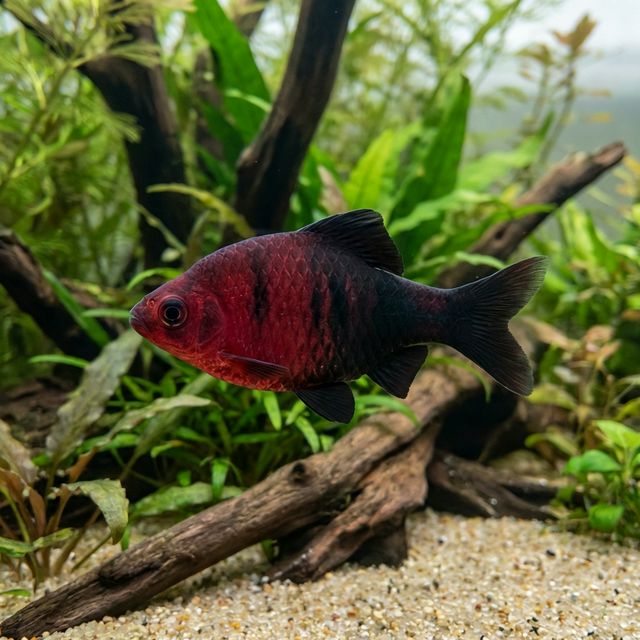
A stunning barb where males turn deep ruby red and black in breeding dress. Peaceful alternative to Tiger Barbs.
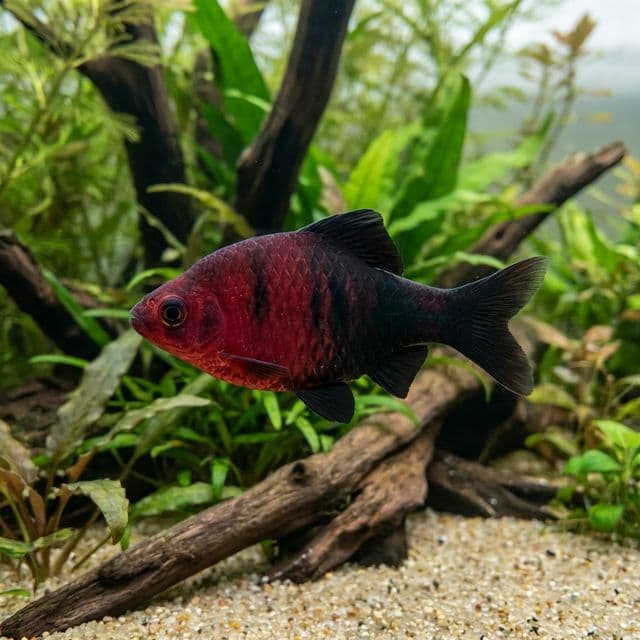
Black Ruby Barb
The Black Ruby Barb, scientifically known as Pethia nigrofasciata, is a visually striking freshwater fish that captivates aquarists with its vibrant coloration and active personality. Originating from the rivers and streams of Southeast Asia, this fish displays a stunning blend of metallic hues, with a predominantly ruby-red body accentuated by bold black markings. This striking appearance makes it a popular choice among aquarium enthusiasts looking to add a lively splash of color to their tanks. Beyond its aesthetic appeal, the Black Ruby Barb holds ecological significance, as it helps maintain the natural balance in its habitat by feeding on algae and small invertebrates.
In the aquarium hobby, the Black Ruby Barb is prized not only for its unique coloration but also for its engaging behavior and adaptability. These fish are known to be relatively hardy, making them suitable for both novice and experienced aquarists alike. Their active nature provides visual interest, as they often dart around the tank in schools, displaying their vibrant colors. As schooling fish, they thrive best in groups, which can create a dynamic and engaging environment in a home aquarium. Overall, the Black Ruby Barb is a fantastic addition to a community tank, offering both beauty and ecological charm.
Natural Habitat & Origin
The Black Ruby Barb is native to the freshwater rivers and streams of Southeast Asia, particularly in Burma (Myanmar) and Thailand. These habitats are characterized by slow-moving waters rich in vegetation and organic debris, providing an ideal environment for this fish to thrive. The waters tend to be slightly acidic with a soft mineral content, creating a blackwater or clearwater system rich with tannins from decaying plant matter. This environment allows the Black Ruby Barb to flourish, as it is adapted to those specific conditions, which mimic the intricate ecosystems found in their natural habitat.
Black Ruby Barbs are commonly found in dense aquatic vegetation, where they seek refuge from predators and forage for food. The plant cover not only offers security but also aids in their diet, as these fish consume algae and small invertebrates that are abundant in such environments. The delicate balance of their natural habitat plays a crucial role in their behavior, feeding habits, and overall health, making it essential for aquarists to replicate these conditions in captivity.
Care Requirements
To keep Black Ruby Barbs thriving in an aquarium, maintaining appropriate water conditions is vital. The ideal water parameters for these fish include a pH level between 6.0 to 7.5, a temperature range of 22°C to 27°C (72°F to 81°F), and a hardness level of 5 to 15 dGH. A well-maintained aquarium setup is equally important, with a minimum tank size of 20 gallons recommended for a small group of Black Ruby Barbs. This size allows for adequate swimming space and reduces territorial disputes.
The tank substrate should consist of fine gravel or sand to mimic their natural environment, allowing for easy burrowing and digging behavior. When setting up the tank, include plenty of plants, wood, and rocks to create hiding places and mimic their natural habitat. Soft, subdued lighting helps make the tank feel welcoming and encourages the Black Ruby Barb’s natural behavior. Ensuring a well-filtered environment with moderate water flow will promote water quality and keep the inhabitants happy and healthy.
Diet & Feeding
Black Ruby Barbs are omnivorous fish that thrive on a varied diet. Their natural feeding habits include a mix of plant material, algae, and small invertebrates, making it essential to provide a balanced diet in captivity. High-quality flakes or pellets specifically formulated for tropical fish serve as a great base diet. To enhance their nutrition, supplement their diet with frozen or live foods such as brine shrimp, daphnia, and bloodworms, which can contribute to vibrant coloration and overall health.
To maintain optimal health, feed Black Ruby Barbs once or twice a day, ensuring that the food is consumed quickly to prevent water quality degradation. In addition, offering a variety of foods not only keeps them interested but also enhances their natural foraging behavior, promoting overall well-being and vibrancy.
Behavior & Temperament
Black Ruby Barbs are known for their energetic and social nature, making them lively additions to a community tank. These fish thrive in groups and are best kept in schools of at least six to eight individuals. In larger groups, their schooling behavior becomes more pronounced, providing opportunities for fascinating interactions as they swim together and explore their environment. While generally peaceful, Black Ruby Barbs can display mild territorial behavior, especially among males during breeding or when asserting dominance.
In terms of tank placement, Black Ruby Barbs are mid-tier swimmers, often found occupying the middle layers of the water column. They actively engage in swimming and foraging, providing a dynamic aspect to the aquarium display. Their sociable disposition and playful nature contribute to a lively aquascape, and they tend to coexist well with many other community fish that share similar temperament.
Tank Mates
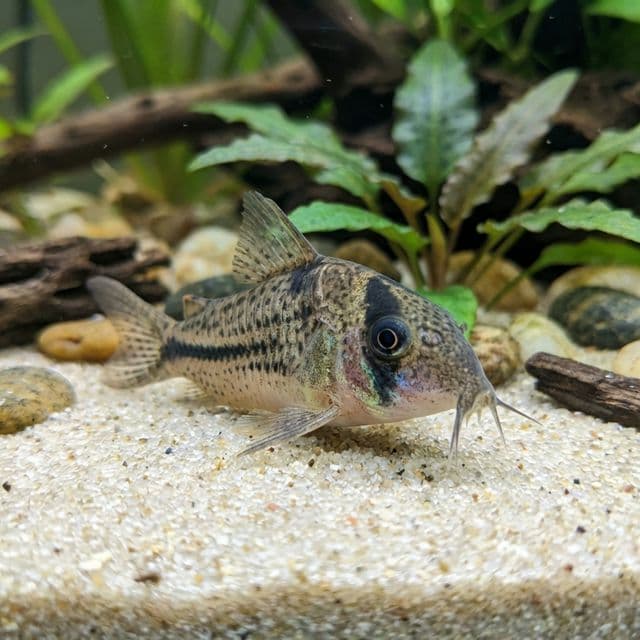
Choosing compatible tank mates for Black Ruby Barbs is essential for creating a harmonious aquarium environment. Ideal companions include other peaceful community fish such as tetras (e.g., Neon or Rummy Nose Tetras), rasboras, Corydoras catfish, and certain species of dwarf cichlids. Their sociable and active nature allows them to coexist well with similarly peaceful and schooling fish.
However, there are certain species to avoid when selecting tank mates for Black Ruby Barbs. Aggressive fish, such as cichlids (especially larger, more territorial varieties), fin nippers like barbs and some species of bettas, and larger carnivorous fish can pose a threat to the Black Ruby Barb. Maintaining a peaceful community tank that adheres to the compatibility guidelines ensures a stress-free environment for all aquatic inhabitants.
Breeding
Breeding Black Ruby Barbs in captivity can be a rewarding endeavor, although it requires specific conditions to replicate their natural spawning behavior. To encourage mating, separate a breeding pair and place them in a breeding tank with soft, slightly acidic water (pH 6.0 to 6.5) and a temperature of around 26°C to 28°C (78°F to 82°F). The breeding tank should have fine-leaved plants or spawning mops where the eggs can be deposited.
During the spawning process, the male will display courtship behaviors, such as color intensification and swimming around the female to entice her. After spawning, the female can lay up to 300 eggs. It's vital to remove the adult fish after spawning, as they may consume the eggs. The eggs typically hatch within 24 to 48 hours, and the fry can begin to consume infusoria or finely crushed flakes shortly after they become free swimming. Providing a suitable environment and caring for the fry can lead to successful breeding outcomes.
Common Health Issues
While Black Ruby Barbs are generally hardy, they can be susceptible to certain health issues that are common in aquarium fish. Ich, a parasitic infection characterized by small white spots on the skin and fins, is one such concern. Maintaining optimal water conditions and treating promptly with appropriate medications can prevent serious infestations. Additionally, fin rot can occur in less-than-ideal water quality, resulting in frayed or disintegrating fins. Regular water changes and maintaining proper filtration are effective prevention measures.
Another health concern is the risk of stress-related illnesses, which can manifest as clamped fins, faded coloration, or lethargy when water quality dips or tank mates are incompatible. A varied diet, stable parameters, and prompt quarantine of new fish go a long way toward keeping these colorful barbs healthy.