Black Toraja Goby: Mugilogobius sarasinorum
An interesting freshwater goby from Sulawesi. Active and territorial.
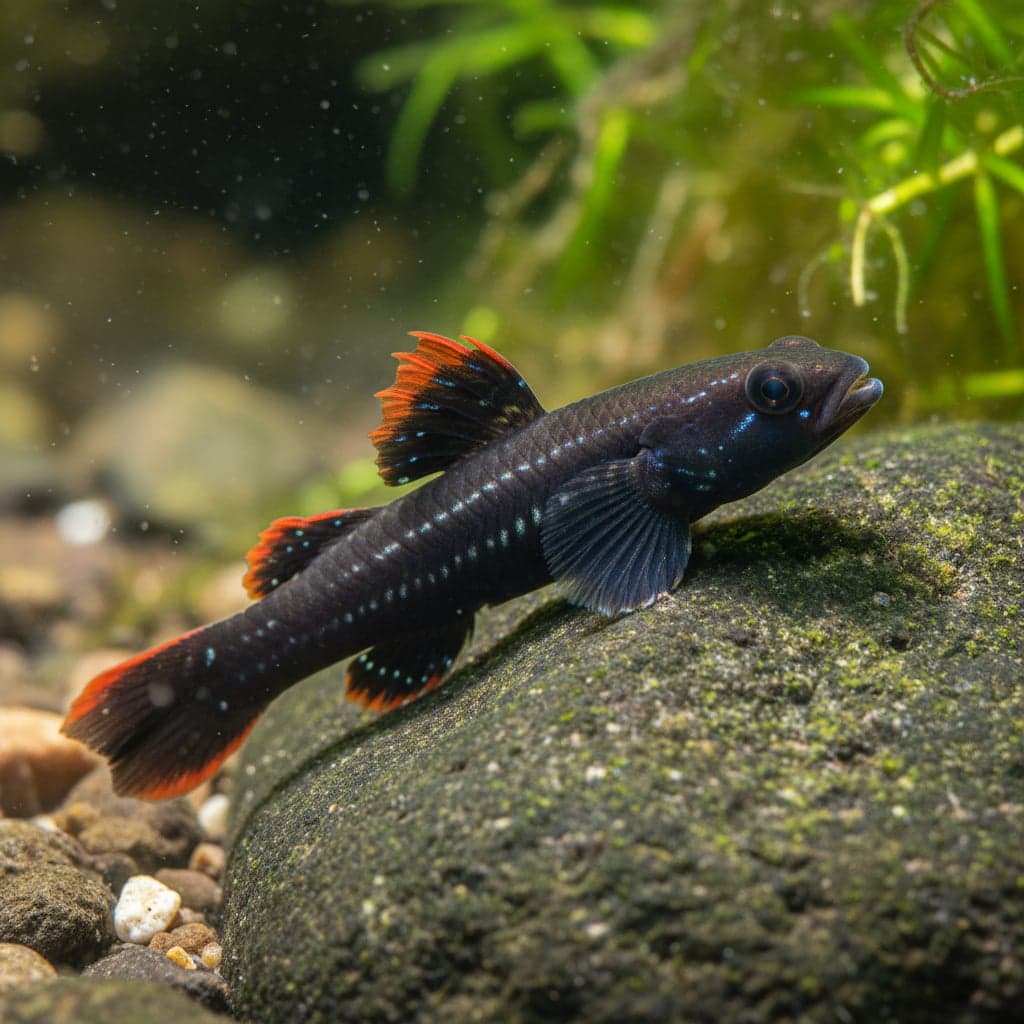
Black Toraja Goby
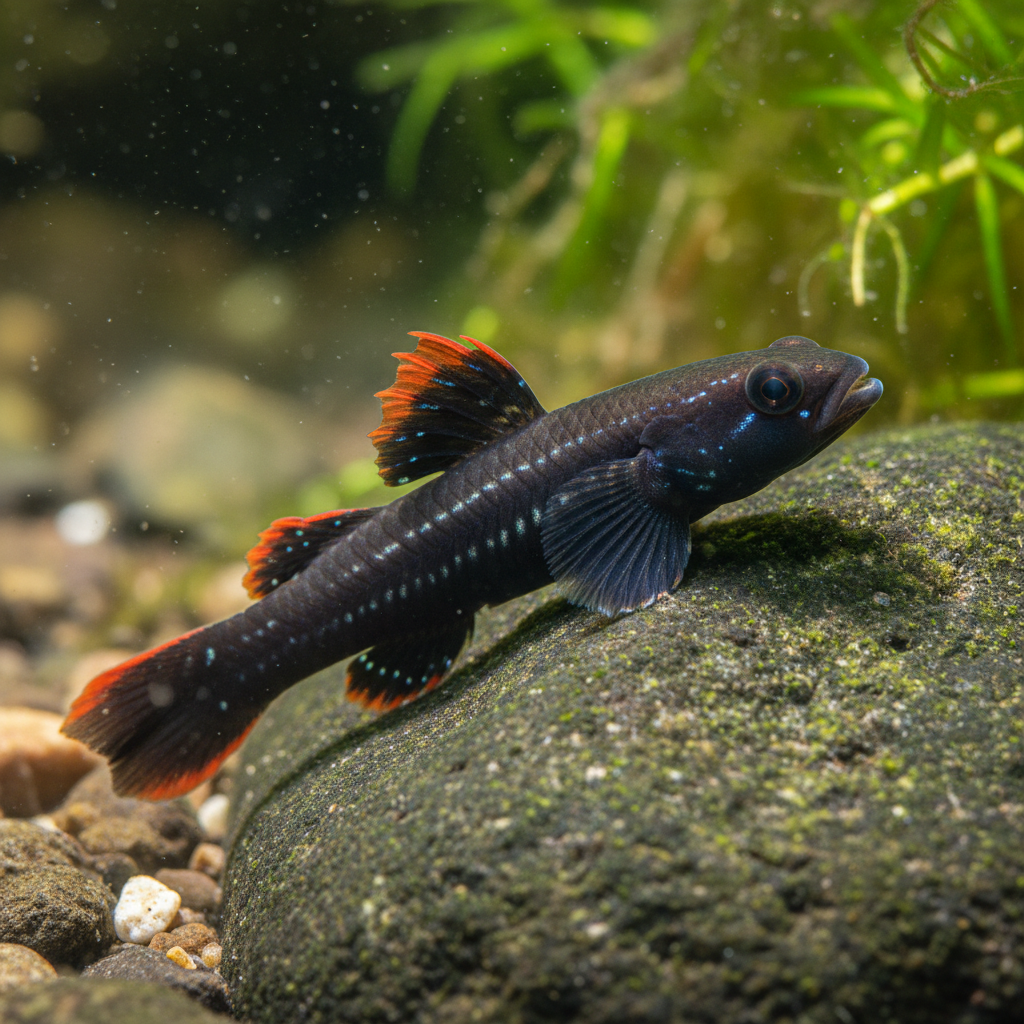
The Black Toraja Goby (Mugilogobius sarasinorum) is a visually striking freshwater fish that hails from the enchanting streams and rivers of Indonesia. With its elongated body and beautiful coloration ranges from deep black to shimmering bronze, this species captures the attention of fish enthusiasts and aquarists alike. The striking contrast of its bright coloration against the dark substrate of a well-set aquarium creates a stunning visual appeal. This unique goby is increasingly recognized in the aquarium hobby not only for its aesthetic value but also for its engaging behaviors, making it a popular choice for both novice and experienced aquarists alike seeking a captivating addition to their tanks.
In addition to its aesthetic significance, the Black Toraja Goby carries ecological value due to its role in its natural habitat. These fish are often indicators of water quality and ecosystem health, reflecting their habitat's conditions through their presence and behaviors. The Black Toraja Goby's role in the aquarium trade also highlights ongoing conservation efforts, as many enthusiasts prioritize breeding and caring for species that might otherwise be threatened in the wild. This not only enhances biodiversity in aquarium settings but also helps raise awareness about preserving natural habitats.
Natural Habitat & Origin
The Black Toraja Goby originates from the Toraja region of Sulawesi, Indonesia, where it thrives in freshwater environments characterized by intricate rock formations, submerged vegetation, and gradual currents. These fish are typically found in blackwater rivers that are rich in tannins from decomposing plant matter, which impart a dark coloration to the water. The soft, acidic conditions that prevail in their natural habitat create an optimal environment for these gobies, which can be sensitive to sudden changes in water quality.
In its native ecosystem, the Black Toraja Goby inhabits waters with a pH range of about 6.0 to 7.0 and a temperature between 24°C and 28°C (75°F to 82°F). Such specific habitat requirements make recreating these conditions crucial when keeping this species in the home aquarium. Additionally, the blackwater characteristics of their natural habitat promote diverse microbial life, which plays a role in their health and behavior.
Care Requirements
To ensure the well-being of the Black Toraja Goby in captivity, it's essential to mimic its natural habitat closely. A minimum tank size of 30 gallons is recommended for a small group, as these fish thrive in social settings. The substrate should consist of fine, dark sand or gravel, as this mimics the riverbeds of their natural environment and allows them to dig and forage comfortably. Lighting should be subdued to replicate the dappled light found in their native blackwater streams, with floating plants or tall aquarium plants serving to diffuse direct light.
Water parameters are critical for maintaining the health of the Black Toraja Goby. Ideally, the pH should be maintained at 6.0 to 7.0, with a temperature range of 24°C to 28°C (75°F to 82°F) and a hardness of 2 to 8 dGH. Regular water changes and the use of a good-quality filtration system will help keep the water clean and the parameters stable, ensuring a healthy environment for these delicate fish.
Diet & Feeding
The Black Toraja Goby is primarily an omnivore, benefiting from a varied diet that includes high-quality flakes, pellets, and a mixture of frozen or live foods. A good feeding regimen should incorporate small live foods like brine shrimp and daphnia, which appeal to their natural hunting instincts, as well as spirulina-based foods that provide essential nutrients for overall health. It's important to provide multiple types of food to ensure a balanced diet and to avoid nutritional deficiencies.
Feeding these fish multiple times a day in small quantities helps to replicate their natural foraging behavior. Avoid overfeeding, as this can lead to water quality issues that negatively impact the fish. Monitoring their eating habits is crucial, as a sudden lack of appetite could indicate stress or illness.
Behavior & Temperament
In terms of behavior, the Black Toraja Goby is known for its peaceful demeanor, making it an excellent candidate for community aquariums. They are social fish that enjoy the presence of their kind, so it is advisable to keep them in small groups of at least three to five individuals. While they are primarily bottom-dwellers, the Black Toraja Goby exhibits a penchant for exploring the mid-water regions of the aquarium, especially when searching for food, adding dynamic movement and activity to the tank.
Though generally peaceful, male Black Toraja Gobies can show territorial behavior during breeding or when establishing dominance. Additionally, they are not aggressive toward other species; however, their small size makes it important to choose tank mates that are not overly aggressive or large enough to pose a threat. Providing ample hiding spots and vertical space will help to minimize stress among individuals.
Tank Mates
Selecting appropriate tank mates for the Black Toraja Goby involves choosing species that share similar water conditions and temperament. Compatible tank mates include small, peaceful fish such as Neon Tetras, Rasboras, or small catfish like Corydoras species. Additionally, shrimp such as Amano or Cherry Shrimp can coexist well with this goby due to their peaceful nature.
It is advisable to avoid housing them with large, aggressive species, as well as predatory fish that may consider the Black Toraja Goby as a meal. Species such as Cichlids, larger Barbs, and aggressive Betta fish should not be introduced to the same aquarium, as they can cause stress or harm to the goby.
Breeding
Breeding the Black Toraja Goby in captivity can be a rewarding experience, provided the right conditions are met. Spawning typically occurs when water quality is pristine, and the tank environment mimics their natural habitat. A separate breeding tank with a dark substrate, gentle filtration, and slightly lower water levels can encourage spawning behaviors.
During breeding, the male will establish a territory and engage in courtship displays to attract females. These fish are known to lay their eggs in crevices or on flat surfaces, with the female usually laying clutches of eggs that the male fertilizes soon after. Post-spawning, it is often advisable to remove the adults from the breeding tank to protect the eggs from being eaten.
Common Health Issues
While the Black Toraja Goby is generally hardy when kept under the right conditions, they can be prone to certain health issues. Common ailments include ich, fin rot, and other parasitic infections, often caused by environmental stress or poor water quality. To prevent these issues, maintaining stable and appropriate water parameters, keeping the tank clean, and providing a balanced diet are essential. Additionally, acclimating new fish properly before introducing them to an established tank can help mitigate the risk of introducing diseases.
Regular observation is crucial for early detection of health issues; look out for signs such as lethargy, loss of appetite, or visible lesions. If problems arise, prompt action and treatment using appropriate medications can help ensure the longevity of your Black Toraja Goby.