Blockhead Cichlid: Steatocranus casuarius
Also known as the Buffalo Head or Lionhead Cichlid. A rheophilic African cichlid that "hops" along the bottom.

Blockhead Cichlid
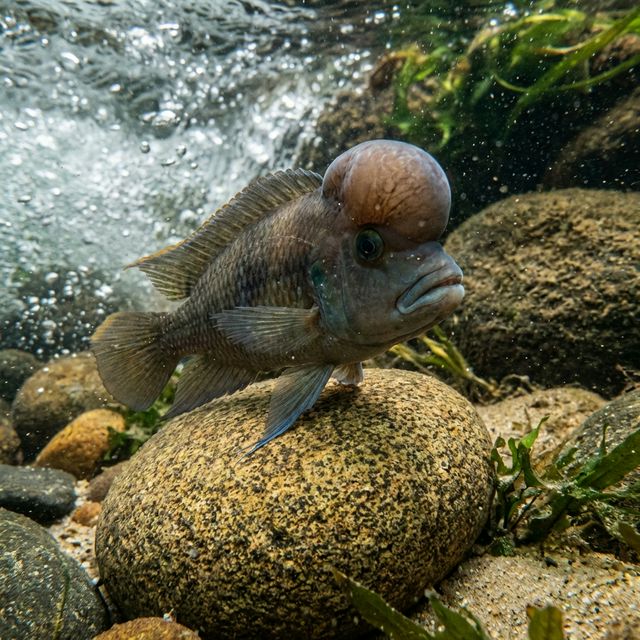
The Blockhead Cichlid, scientifically named Steatocranus casuarius, is a fascinating freshwater fish native to the rivers of the Congo Basin in Central Africa. This unique cichlid species is known for its distinctive block-shaped head, which gives it an extraordinary presence in aquaria. With a stocky body and vibrant colors that can range from olive green to bluish-gray, the Blockhead Cichlid also exhibits striking patterns and markings that enhance its visual appeal—a feature highly valued by aquarists. As an aquarium fish, the Blockhead Cichlid is particularly prized for its robust nature and relatively manageable care requirements, making it a sought-after species for both novice and advanced fish keepers.
In the aquarium hobby, the Blockhead Cichlid holds significance not only for its aesthetics but also for its intriguing behavior and social dynamics. These fish exhibit a level of personality that captivates enthusiasts, often displaying curious and interactive qualities that enhance the viewing experience. Their adaptability in captivity has allowed them to thrive in various settings, increasing their popularity across different types of aquariums. Whether kept in a species-only tank or a community setting, the Blockhead Cichlid's unique attributes provide both aesthetic and educational opportunities for those who admire and study them.
Natural Habitat & Origin
The Blockhead Cichlid is native to the Congo River basin, specifically around regions characterized by rocky substrates and slow-flowing waters. This environment often consists of blackwater systems, which are rich in organic matter and submerged vegetation. The water in these habitats is typically stained dark brown due to the presence of tannins leaching from decaying plant material, contributing to both its low visibility and high biological diversity. Blockhead Cichlids flourish in this complex ecosystem, where they find ample hiding spots and foraging opportunities among rocks and roots.
In their natural habitat, these fish are primarily found in shallow waters, often dwelling in areas with plenty of cover to escape predation and ambush prey. The environment's stability in terms of temperature and water chemistry is crucial for their survival; hence, the Blockhead Cichlid has adapted to the specific conditions present in its endemic range. Replicating this environment in captivity is essential for their well-being and overall health.
Care Requirements
When it comes to keeping a Blockhead Cichlid, specific water parameters must be maintained to ensure its health and longevity. Ideal conditions include a pH level of 6.0 to 7.5, with a temperature ranging from 75°F to 80°F (24°C to 27°C). Water hardness should fall between 5 to 15 dGH, reflecting the softer, acidic waters of their natural habitat.
For tank setup, a minimum aquarium size of 30 gallons is recommended to afford these fish ample swimming space and territories. A sandy or fine gravel substrate mimics their natural floor, while driftwood and rocky structures provide excellent hiding spots. Blockhead Cichlids are not particularly demanding regarding lighting; however, dim lighting is preferable as it mimics the shadows found in their native waters. Incorporating live plants, particularly hardy species like Java Fern or Anubias, can also enhance the aquascape while providing shelter and promoting a more natural environment.
Diet & Feeding
The Blockhead Cichlid is an omnivore, exhibiting a varied diet that can be met with a combination of high-quality pellets, flakes, and frozen or live foods. In captivity, they thrive on a diet rich in proteins and vegetables. It is advisable to provide them with high-quality cichlid pellets or flakes that contain essential nutrients. Supplementing their diet with frozen or live foods such as brine shrimp, bloodworms, and daphnia will foster their natural foraging behavior while ensuring a balanced intake of vitamins and minerals.
To prevent overfeeding, which can lead to health issues, cultured feedings of small quantities are recommended, ideally a few times a day. Including vegetable matter like spirulina or blanched peas will also contribute to their overall health, ensuring that they have the appropriate nutrients to thrive.
Behavior & Temperament
Blockhead Cichlids are relatively peaceful compared to many other cichlid species, but they can display territorial behavior, particularly during breeding or when establishing hierarchies. These fish are usually described as semi-aggressive, and while they can live harmoniously in a community tank, it's essential to provide adequate space and hiding spots to minimize territorial disputes.
In terms of social behavior, Blockhead Cichlids tend to form pairs or small groups. They exhibit a unique behavior of vertical placement in the tank, often hovering just above the substrate, utilizing their sizeable dorsal fins for stability as they explore crevices and scan their territory. Ensuring that the tank provides both vertical and horizontal swimming space can enhance their comfort and natural behaviors.
Tank Mates
When selecting tank mates for Blockhead Cichlids, it is crucial to consider species that share similar water requirements and are not overly aggressive. Compatible species include peaceful cichlids such as Kribs (Pelvicachromis spp.), certain small characins like Neon Tetras, or larger loaches such as Clown Loaches. Other potential companions include peaceful catfish species like Corydoras or Otocinclus, which can coexist without competing for territory.
However, specific species should be avoided due to the potential for aggression or intimidation, such as African Cichlids that are known for their territorial nature. Other aggressive fish or fin-nippers like Serpae Tetras can lead to increased stress and health issues for the Blockhead Cichlid. It is imperative to set up a community that maintains a balance of behavior and size to create a peaceful aquarium environment.
Breeding
Breeding Blockhead Cichlids in captivity can be a rewarding experience, though it requires careful conditions to replicate their natural breeding behaviors. These fish are substrate spawners, typically laying their eggs on flat surfaces such as rocks or aquarium glass, preferring dark areas with good water flow. To trigger spawning, it is beneficial to introduce a spawning pair into a separate breeding tank with similar water parameters and quality as outlined previously.
Once the female cichlid lays eggs, the male will typically fertilize them, and both parents will exhibit protective behaviors over the eggs and fry. It is crucial to maintain excellent water quality throughout this process. While they are generally good parents, it may be advisable to remove the eggs or fry to a separate tank to prevent potential predation by the adults. Regular water changes and careful monitoring of the fry's diet post-hatch, with finely crushed flakes or newly hatched brine shrimp, are essential for their growth and development.
Common Health Issues
Blockhead Cichlids may be prone to several common health issues, including ich (Ichthyophthirius multifiliis), fin rot, and swim bladder disease. Preventative measures are vital, including maintaining optimal water conditions and ensuring proper diet and nutrition. Regular water changes and tank cleanliness can diminish the risks associated with these diseases.
Additionally, ich can be particularly problematic, presenting as white spots on the skin and gills. Treatment typically involves raising the water temperature in a controlled manner while adding medication designed for ich. Prompt action is critical to treatment success. Similarly, fin rot can stem from poor water quality or stress and usually responds to improved water quality plus antibacterial treatment. Quarantine new fish before adding them to the community. Stable parameters, a balanced diet, and prompt care when symptoms appear keep Blockhead Cichlids healthy, active, and displaying well for years.