Blotched Pyrrhulina: Pyrrhulina spilota
A slender, splashing tetra relative. Peaceful and suitable for planted tanks.
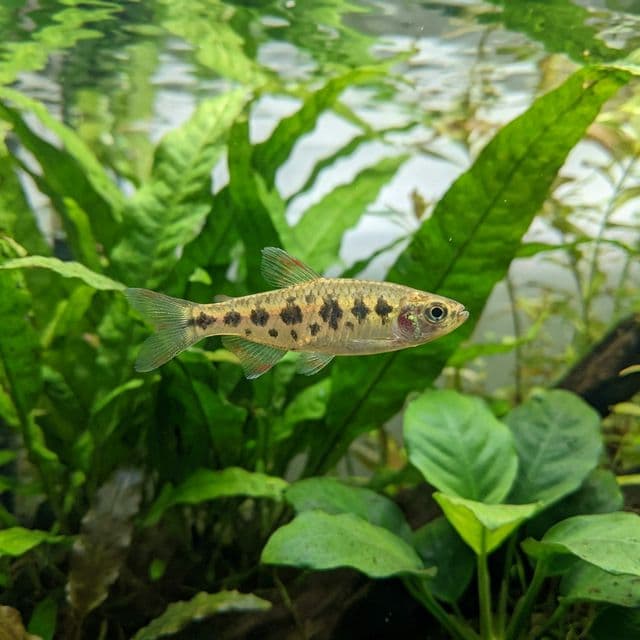
Blotched Pyrrhulina
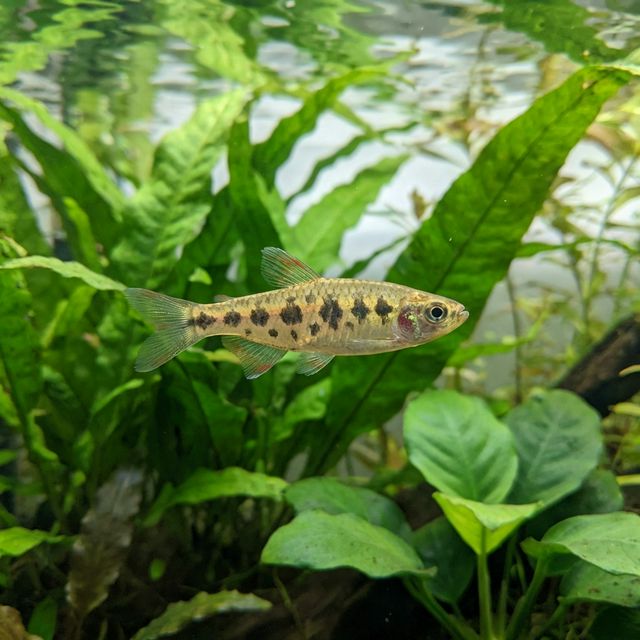
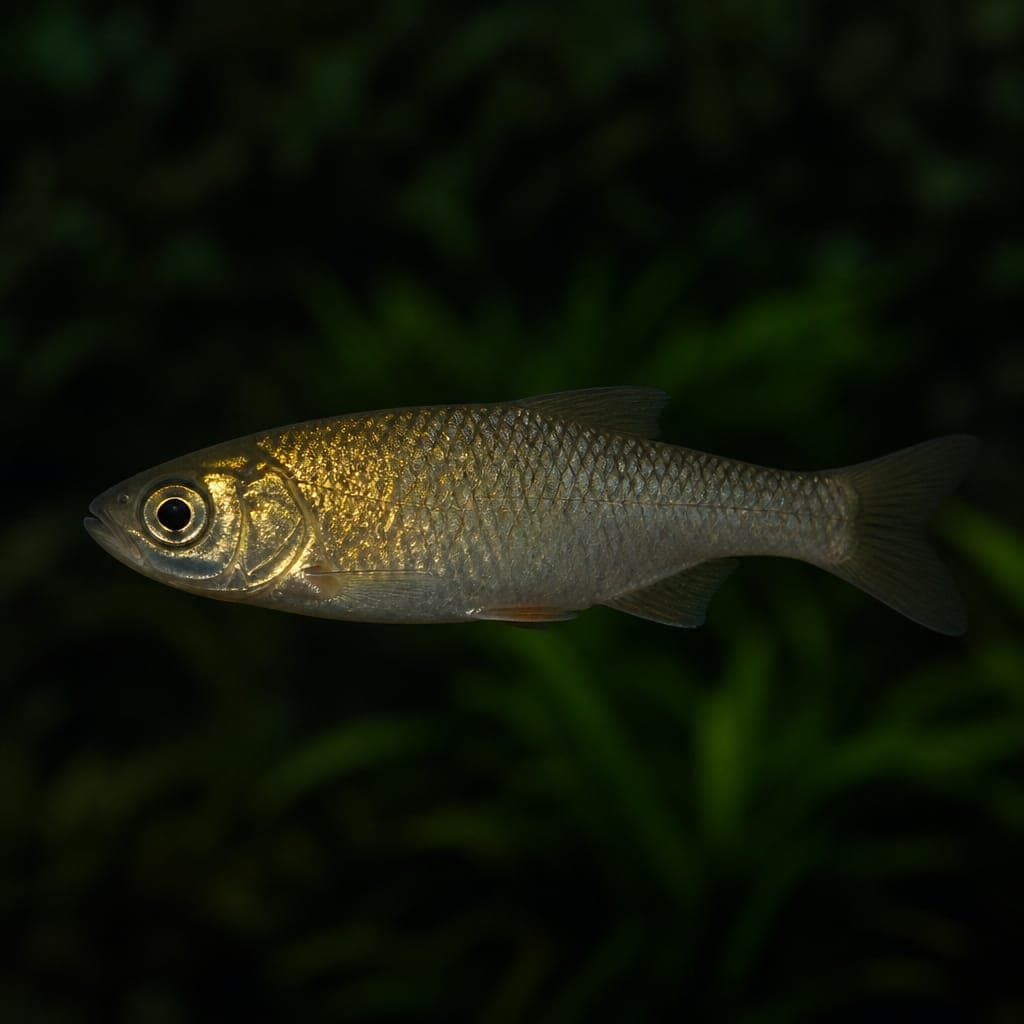
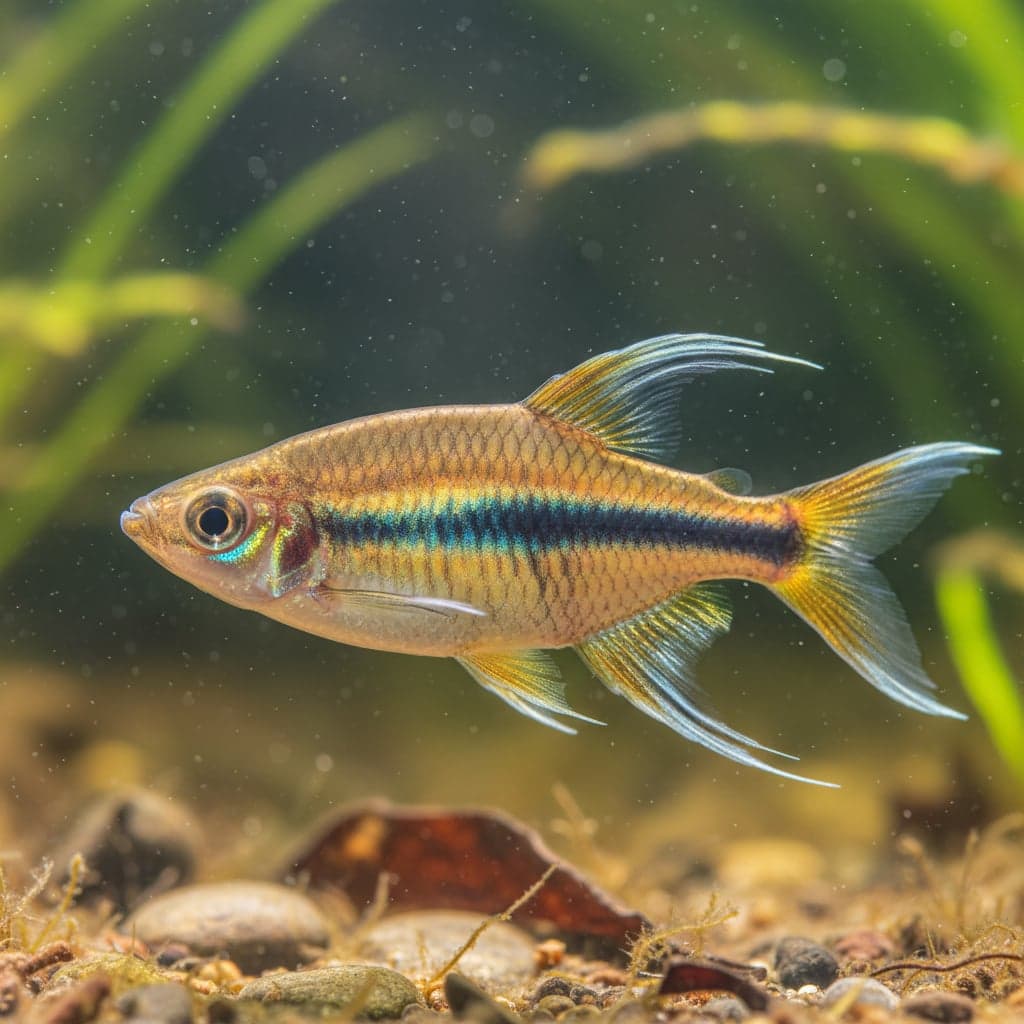
The Blotched Pyrrhulina (Pyrrhulina spilota) is an enchanting species of freshwater fish that has gained popularity in the aquarium hobby for its stunning aesthetics and captivating behavior. This small, brightly colored species showcases a unique blotched pattern on its body, which typically consists of vibrant yellow and orange spots against a deep olive green or brown backdrop. Its iridescent scales shimmer brilliantly under the light, offering a spectacular display that enchants both hobbyists and onlookers. The distinct coloration and lively movement of Blotched Pyrrhulina make it not only a favorite among aquarists but also an exciting addition to community tanks, where it can flourish and engage in its natural behaviors.
The significance of the Blotched Pyrrhulina extends beyond its visual appeal. This lively fish is known for its active schooling behavior, promoting a lively dynamic in a well-planned community aquarium. Its adaptability to various environments and ease of care make it an excellent choice for both novice and experienced aquarists. Furthermore, their natural social structure reflects the importance of keeping them in groups, enhancing not just their own well-being but also enriching the aquarium's ecosystem, promoting harmony among tank mates and contributing to the overall health of the aquatic environment.
Natural Habitat & Origin
The Blotched Pyrrhulina is native to the waterways of South America, primarily found in the Amazon River basin. This region is characterized by its complex systems of blackwater rivers, sluggish streams, and flooded forest areas. The water in these habitats is typically soft, acidic, and tinted with tannins from decomposing plant material, presenting a unique ecosystem that shapes the species’ adaptations. The chaotic arrangement of submerged roots and dense aquatic vegetation provides not only shelter but also excellent foraging opportunities. These environmental conditions are crucial to understanding how to recreate a suitable habitat for the Blotched Pyrrhulina in home aquariums.
Care Requirements
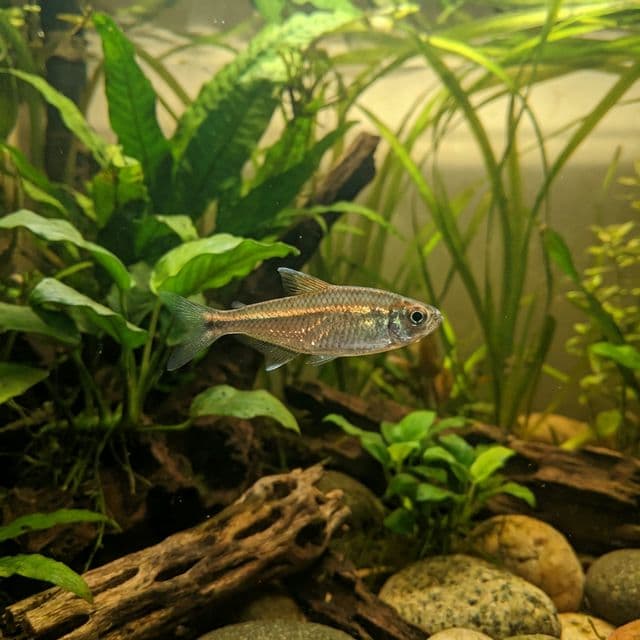
To ensure the Blotched Pyrrhulina thrives in captivity, specific water parameters must be maintained. The ideal pH range for this species is between 5.5 and 7.0, with a temperature between 74°F and 80°F (23°C to 27°C). The water hardness should be kept on the softer side, ideally between 2 to 15 dGH. When setting up their aquarium, a minimum tank size of 20 gallons is recommended, as they do best in a spacious environment where they can swim freely. A substrate of fine gravel or sand mimics their native habitat, while dark, natural decorations and abundant plants provide both shelter and foraging opportunities. Dimmed lighting and floating plants can help recreate the shaded conditions they are accustomed to, reducing stress and encouraging natural behaviors.
Diet & Feeding
As opportunistic feeders, Blotched Pyrrhulina are classified as omnivores, thriving on a varied diet. In captivity, they will readily accept high-quality flakes and pellets specifically designed for community fish. However, it is beneficial to supplement their diet with live or frozen foods such as brine shrimp, daphnia, and bloodworms, which can stimulate their natural hunting instincts. Offering a diverse diet not only enhances their coloration but also boosts their overall health and well-being. It's advised to feed them 2-3 small meals per day, ensuring any uneaten food is promptly removed to maintain water quality.
Behavior & Temperament
The Blotched Pyrrhulina exhibits a generally peaceful and social temperament but is highly active and curious by nature. These fish thrive in schools; keeping them in groups of six or more provides a supportive environment where they can engage in their natural behaviors. They typically occupy the mid to upper levels of the aquarium, often darting about among plants and decorations. While they are not aggressive, the presence of larger or more dominant fish in the tank can intimidate them, leading to stress. Therefore, it's essential to monitor interactions with tank mates to ensure a harmonious community.
Tank Mates
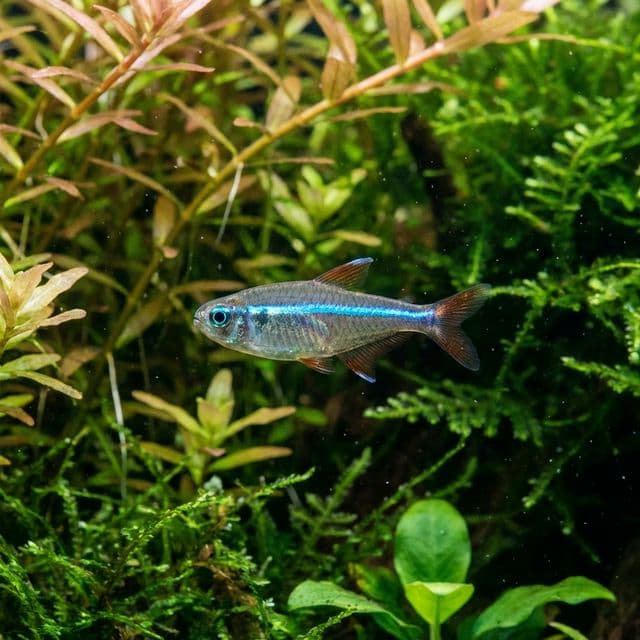
When selecting tank mates for the Blotched Pyrrhulina, it's crucial to consider species that share similar water requirements and temperamental characteristics. Ideally, compatible companions include small to medium-sized fish such as Neon Tetras, Corydoras, Endler's Livebearers, and other peaceful community species. Conversely, larger species known for territorial behavior or aggressive tendencies, like Cichlids or Tiger Barbs, should be avoided, as they may cause stress to the Blotched Pyrrhulina and affect their overall well-being. A well-balanced community of peaceful, similarly-sized fish will create a thriving aquarium environment.
Breeding
Breeding the Blotched Pyrrhulina in captivity can be a rewarding endeavor, requiring specific conditions to encourage spawning. This species displays distinct courtship behavior, characterized by males displaying vibrant colors and intricate swimming patterns to attract females. To facilitate breeding, a separate breeding tank with slightly acidic water (pH 6.0-6.5) and a temperature range of 78°F to 80°F (25°C to 27°C) is advisable. Providing fine-leaved plants or spawning mats will give females suitable areas to lay eggs. Once spawning occurs, it's critical to remove adult fish, as they are known to exhibit egg-eating behavior. The eggs typically hatch within 24-48 hours, and fry can be fed infusoria or specialized fry food after yolk sacs are absorbed.
Common Health Issues
While the Blotched Pyrrhulina is generally hardy, they can be susceptible to common freshwater fish diseases, such as ich (Ichthyophthirius multifiliis), fin rot, and velvet disease. Stress from poor water conditions, overcrowding, or incompatible tank mates can lead to these health issues. To prevent disease, maintain optimal water quality with regular testing and water changes, provide a balanced diet, and avoid overcrowding. Observing fish behavior can also help catch any early signs of illness, allowing for prompt treatment and care to keep the fish healthy and vibrant.