Blue Cardinal Rasbora: Rasbora rutteni
A shimmering blue nano rasbora. A rare find for planted tanks.

Blue Cardinal Rasbora
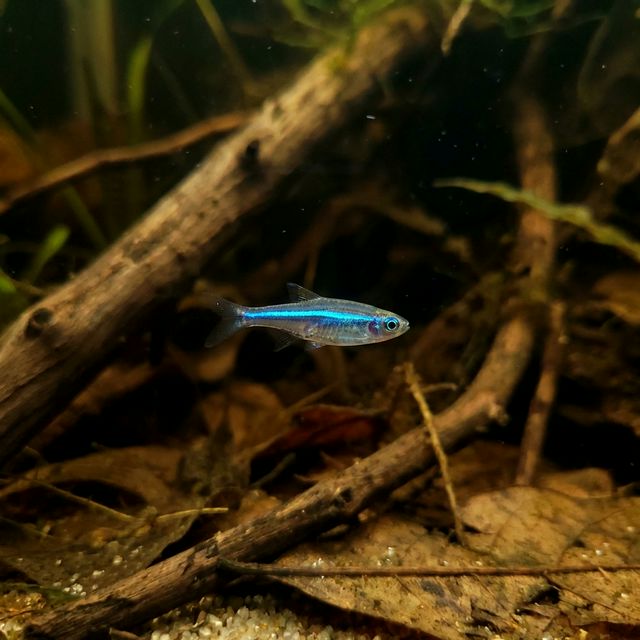
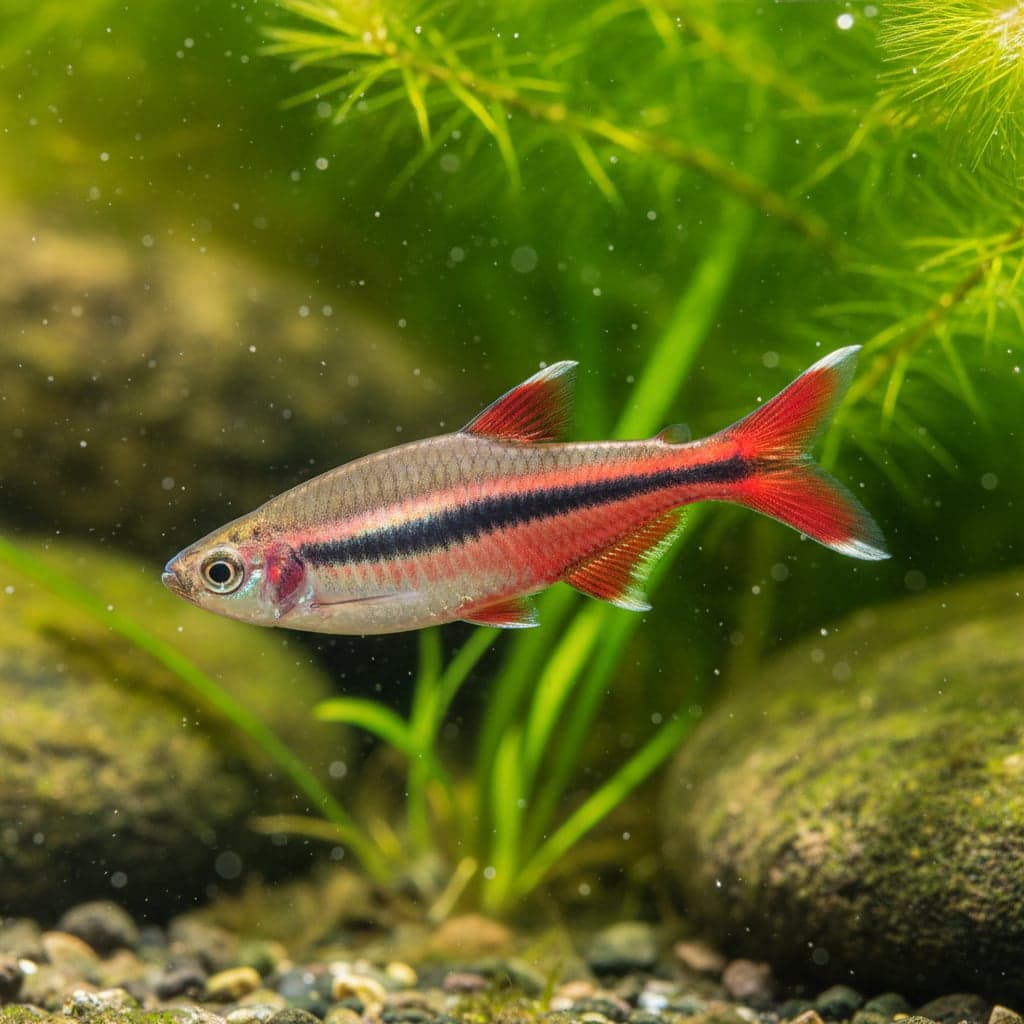
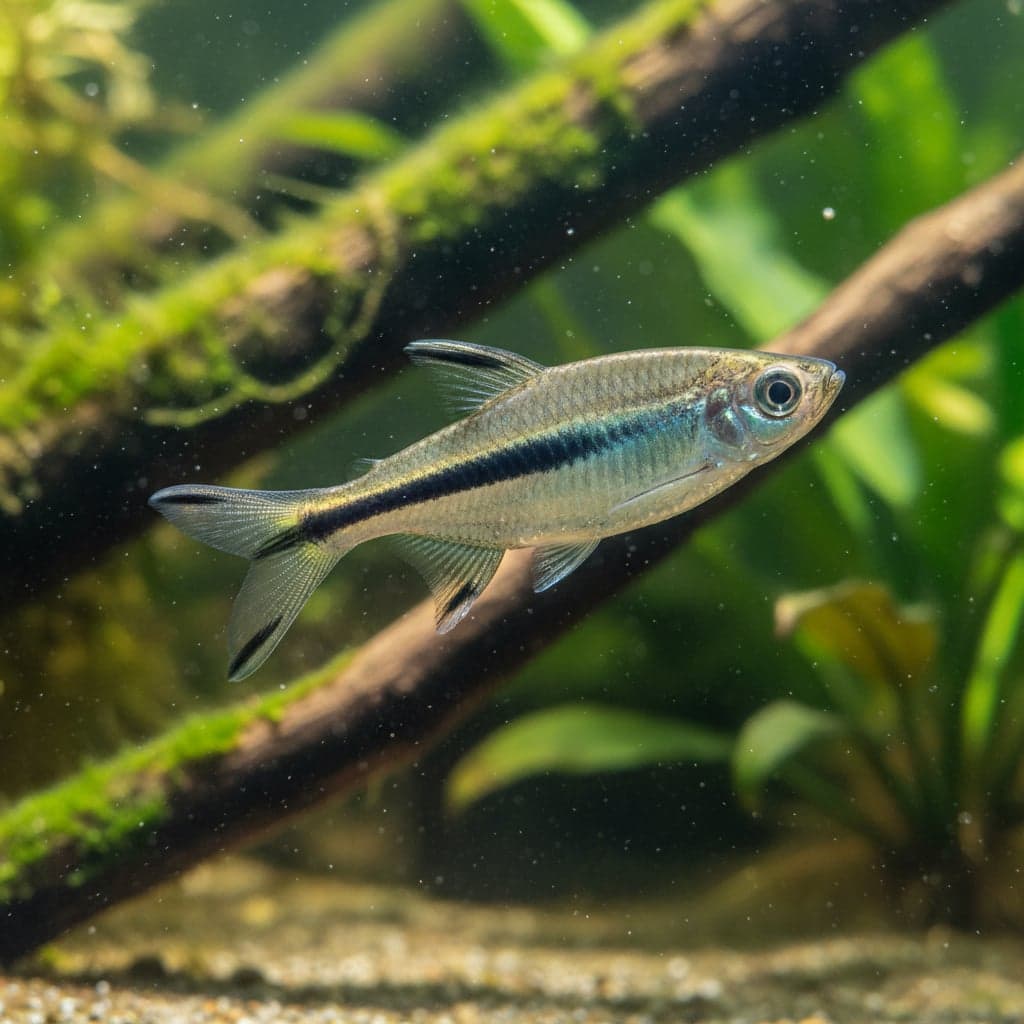
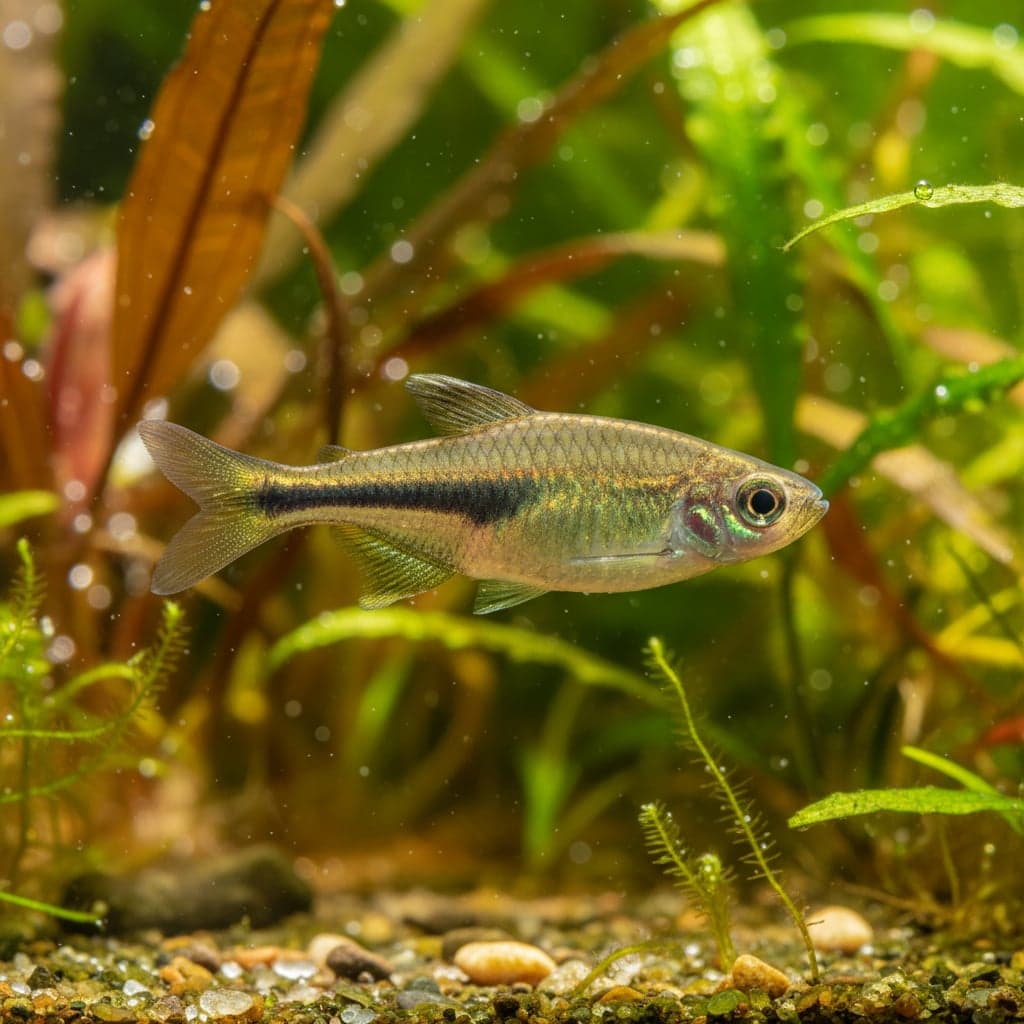
The Blue Cardinal Rasbora, known scientifically as Rasbora rutteni, is a captivating freshwater fish that stands out in the aquarium hobby for its striking coloration and peaceful demeanor. This species features an iridescent blue body complemented by subtle golden or copper-hued accents, particularly along the dorsal fin and along the sides. The vivid coloration not only enhances its aesthetic appeal but also makes it a highly sought-after species among aquarists looking to create visually stunning aquascapes. The Blue Cardinal Rasbora typically grows to about 1.5 to 2 inches in length, making it a manageable choice for various tank setups.
In addition to its beauty, the Blue Cardinal Rasbora holds significant value in the aquarium trade due to its hardiness and adaptability. Originally found in small, slow-moving streams and pools, this species thrives in well-planted tanks, contributing to a balanced ecosystem by minimizing algae growth through its grazing habits. Its tranquil nature and schooling behavior make it an essential addition to community tanks, where it thrives in groups. As such, the Blue Cardinal Rasbora is not just a stunning display of aquatic life but also plays a vital role in promoting a healthy, dynamic aquarium environment.
Natural Habitat & Origin
The Blue Cardinal Rasbora originates from the peat swamps and blackwater streams of Southeast Asia, particularly in regions of Borneo and Sumatra, Indonesia. These environments are characterized by soft, acidic waters that are low in nutrients and often tinted brown from decomposing plant material. The natural habitats of Rasbora rutteni feature dense aquatic vegetation, providing shelter and foraging opportunities for the fish. The unique water chemistry and environmental context of these regions typically influence the care requirements for this species, thus emphasizing the importance of replicating similar conditions in captivity.
In the wild, the Blue Cardinal Rasbora thrives in slightly acidic to neutral waters with low visibility and abundant cover in the form of leaves, driftwood, and plants. The presence of these natural elements not only aids their survival but also enriches the ecosystem by providing essential hiding spots and breeding grounds. Understanding their natural habitat is crucial for aquarists seeking to recreate an ideal environment for these fish, ensuring their health and promoting natural behaviors.
Care Requirements
To ensure the wellbeing of Blue Cardinal Rasboras, specific water parameters should be maintained in the aquarium. The ideal pH range is between 6.0 to 7.5, with a temperature preference of 74°F to 82°F (23°C to 28°C) and a hardness of 2 to 12 dGH. These parameters closely mimic those of their natural habitat, promoting optimal health and long-term survival.
Regarding tank setup, a minimum tank size of 20 gallons is recommended to accommodate a small school of these fish comfortably. They thrive in a densely planted environment, so incorporating fine substrate to emulate the soft bottoms of their native waters is advisable. Soft, dim lighting will help create a serene atmosphere, while a variety of live plants—such as floating plants and those with fine leaves—can provide shelter and encourage natural behaviors. It's best to avoid bright aquarium lights, as this can stress them.
Diet & Feeding
The Blue Cardinal Rasbora is classified as an omnivore, which allows it to thrive on a varied diet in captivity. These fish readily accept high-quality flake food, pellets designed for small tropical fish, and occasional offerings of frozen or live foods like brine shrimp, daphnia, and bloodworms. Providing a diverse diet plays an essential role in maintaining their vibrant coloration and overall health.
To enhance their nutritional intake, it's beneficial to incorporate different food types, ensuring that any flakes or pellets are small enough for the rasboras to consume easily. Feeding them multiple times a day in small portions encourages their natural grazing behavior and prevents stress that can occur from overfeeding. Proper nutrition is vital to prevent deficiencies and promote strong immune function, making a varied diet essential for these delightful fish.
Behavior & Temperament
In terms of behavior, the Blue Cardinal Rasbora is known for its peaceful and sociable nature, making it an excellent addition to community tanks. These fish exhibit strong schooling behavior and are typically seen swimming in groups of six or more, which offers them a sense of security. When kept in appropriate numbers, they display less stress and more vibrant colors as they interact socially within their group.
Aggression levels among Blue Cardinal Rasboras are virtually non-existent, making them compatible with a wide range of tankmates. They tend to occupy the middle levels of the aquarium, often darting between plants, which mimics their natural behavior in the wild where they seek shelter and foraging opportunities. This vertical placement helps prevent territorial disputes and fosters a harmonious environment in community tanks.
Tank Mates
When considering tank mates for the Blue Cardinal Rasbora, compatibility and temperament are paramount. Suitable companions include other peaceful species such as neon tetras, harlequin rasboras, guppies, and danios. They also do well with bottom-dwellers like corydoras and otocinclus, which occupy different zones of the tank, ensuring less competition for space and resources.
However, it's crucial to avoid aggressive or overly boisterous species, as this can heighten stress levels and lead to injury. Fish like angelfish, larger cichlids, and any territorial species should be kept away from the Blue Cardinal Rasbora. By carefully selecting tank mates, aquarists can create a vibrant and peaceful community aquarium that showcases the beauty of the Blue Cardinal Rasbora.
Breeding
Breeding the Blue Cardinal Rasbora in captivity can be a rewarding experience, although it does require specific conditions to trigger spawning behavior. The ideal setup for breeding includes a separate breeder tank with dim lighting and abundant plant cover, as the fish prefer privacy during this sensitive time. The water conditions should mirror their natural habitat, featuring slightly acidic pH (around 6.0 to 6.5) and a temperature of approximately 78°F (25°C).
During the breeding process, males will display vibrant colors and engage in courtship behaviors, often chasing females. After spawning, which usually occurs over densely planted areas, the eggs will adhere to the vegetation. It is essential to remove the adult fish from the breeding tank, as they may eat the eggs or fry. Ideally, the eggs will hatch within 24 to 36 hours, and the fry will begin to swim freely within a few days. Proper care and feeding of the fry with appropriate infusoria or powdered food will help ensure successful growth and development.
Common Health Issues
While Blue Cardinal Rasboras are generally hardy, they are susceptible to common freshwater fish diseases, particularly if water quality is neglected. Some of the more prevalent issues include ich (Ichthyophthirius multifiliis), fin rot, and velvet disease. To prevent these health issues, maintaining a clean tank with regular water changes, proper filtration, and routine monitoring of water parameters is crucial.
Additionally, providing a well-balanced diet and minimizing stress by avoiding overcrowding and aggression from tankmates will contribute to the overall health of the Blue Cardinal Rasbora. Observing their behavior regularly can help catch any health issues early on, allowing for prompt treatment and ensuring a thriving community in the aquarium.