Blue Damselfish
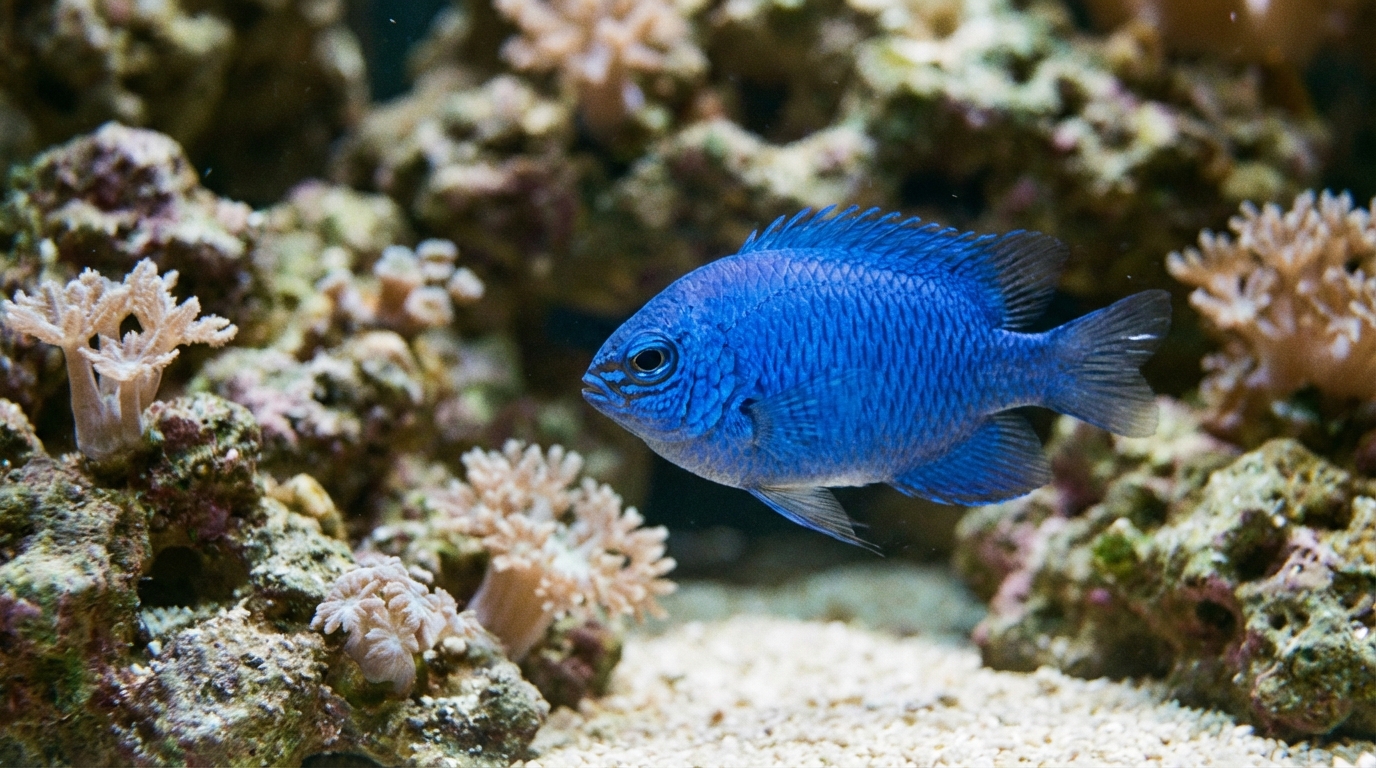
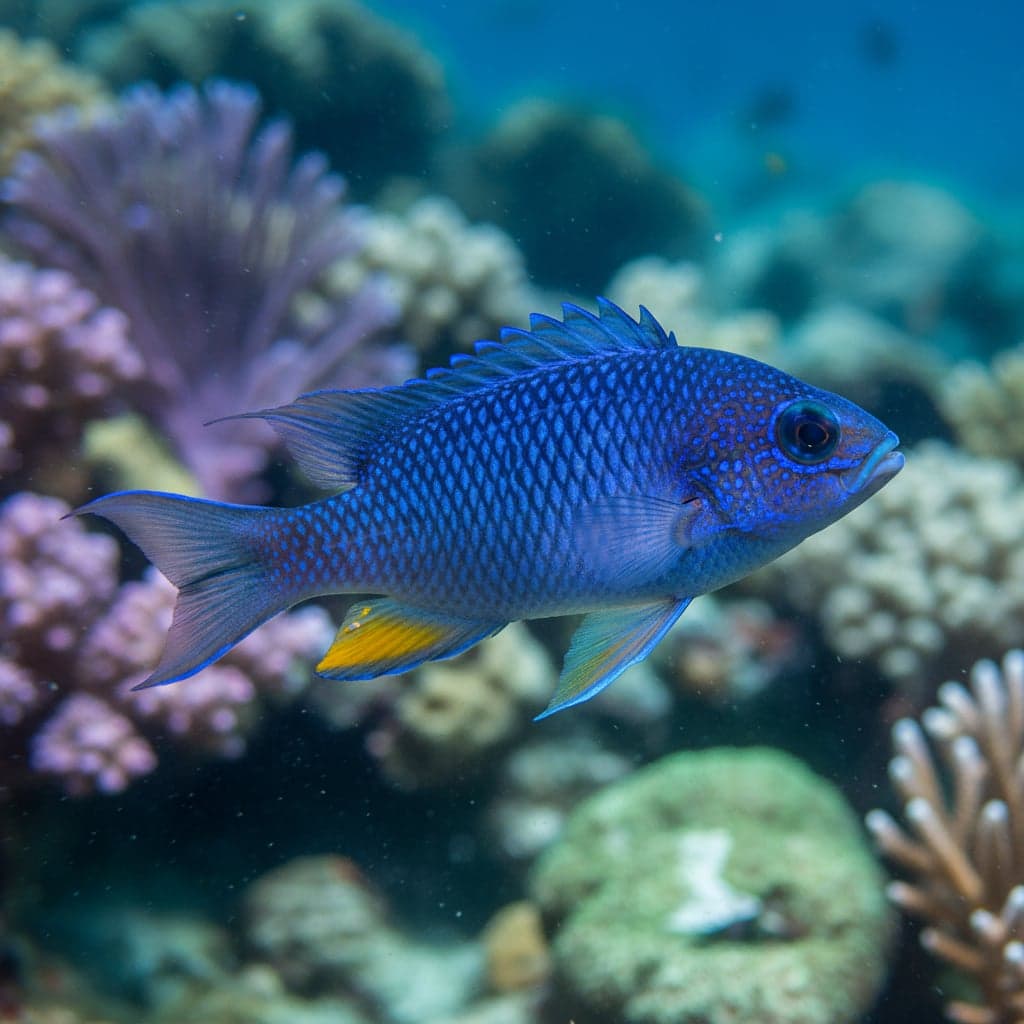
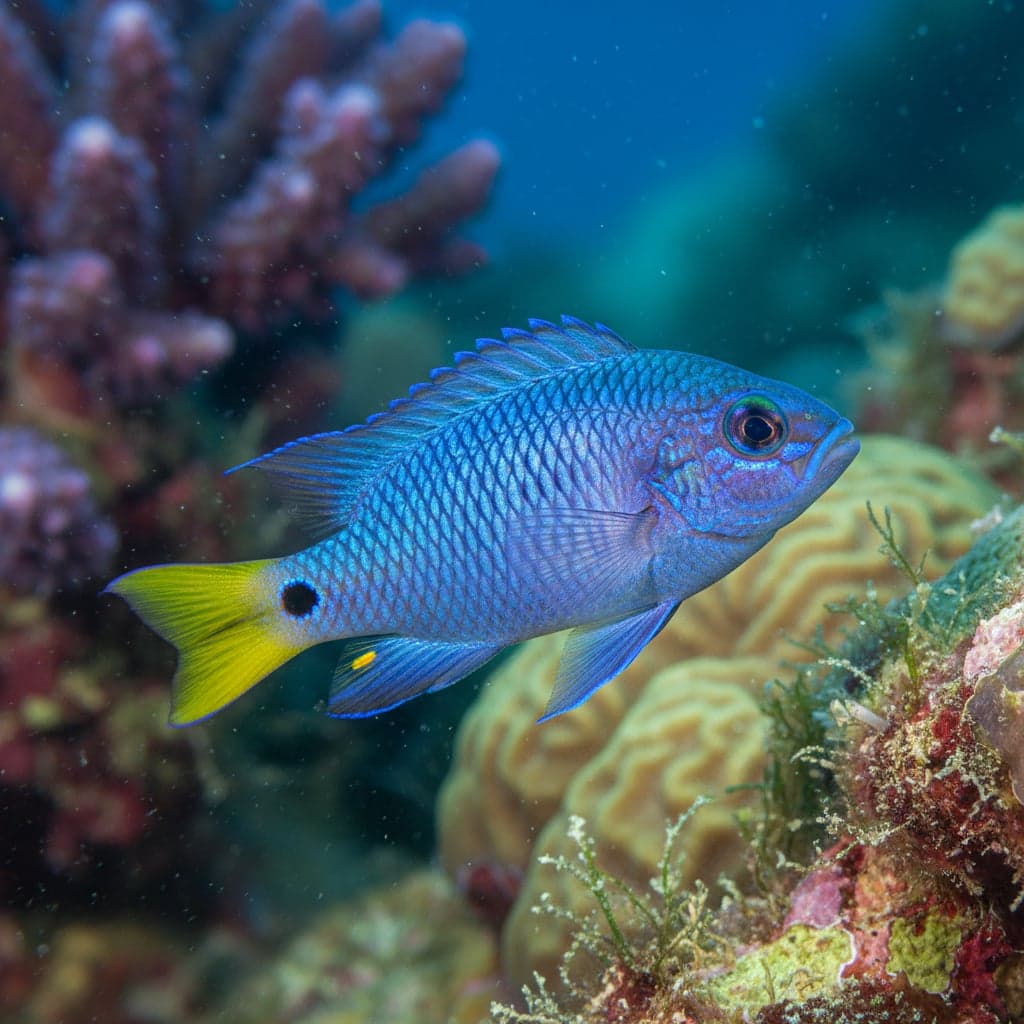
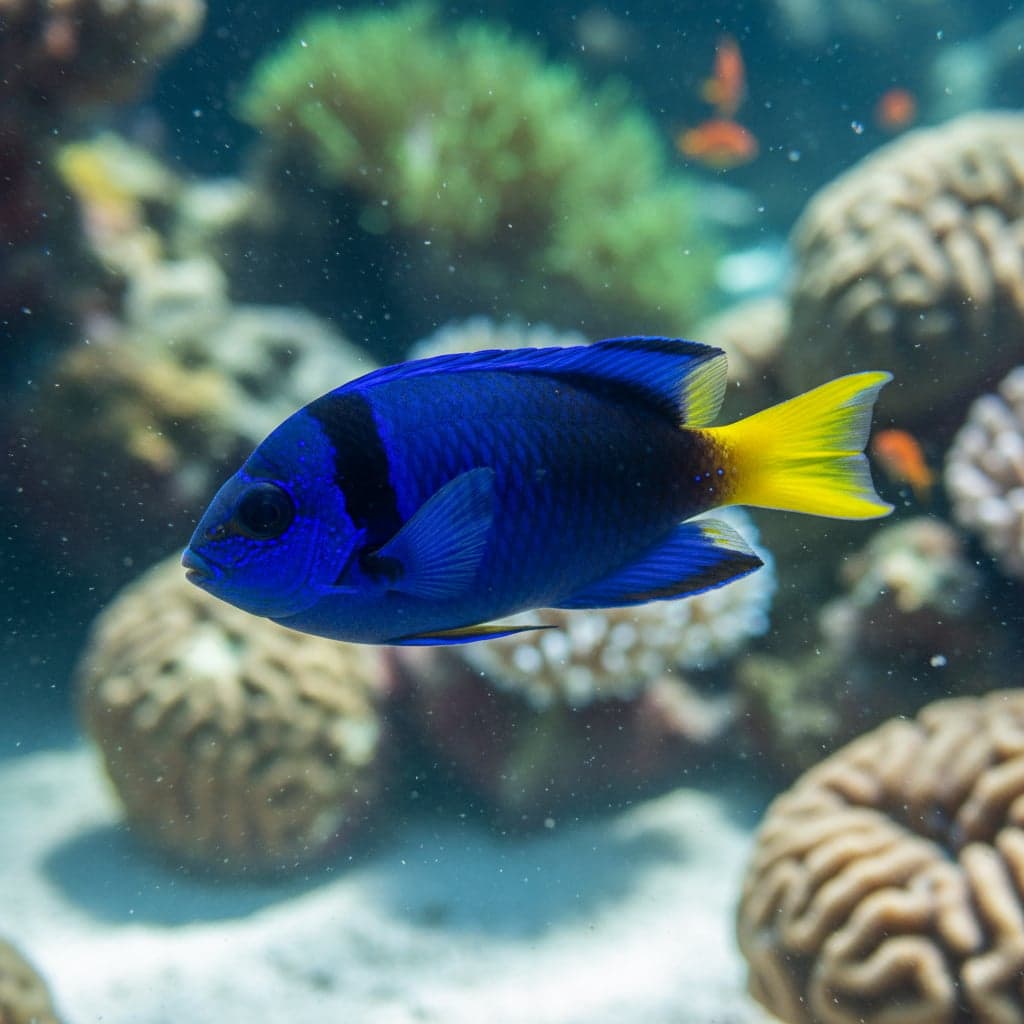
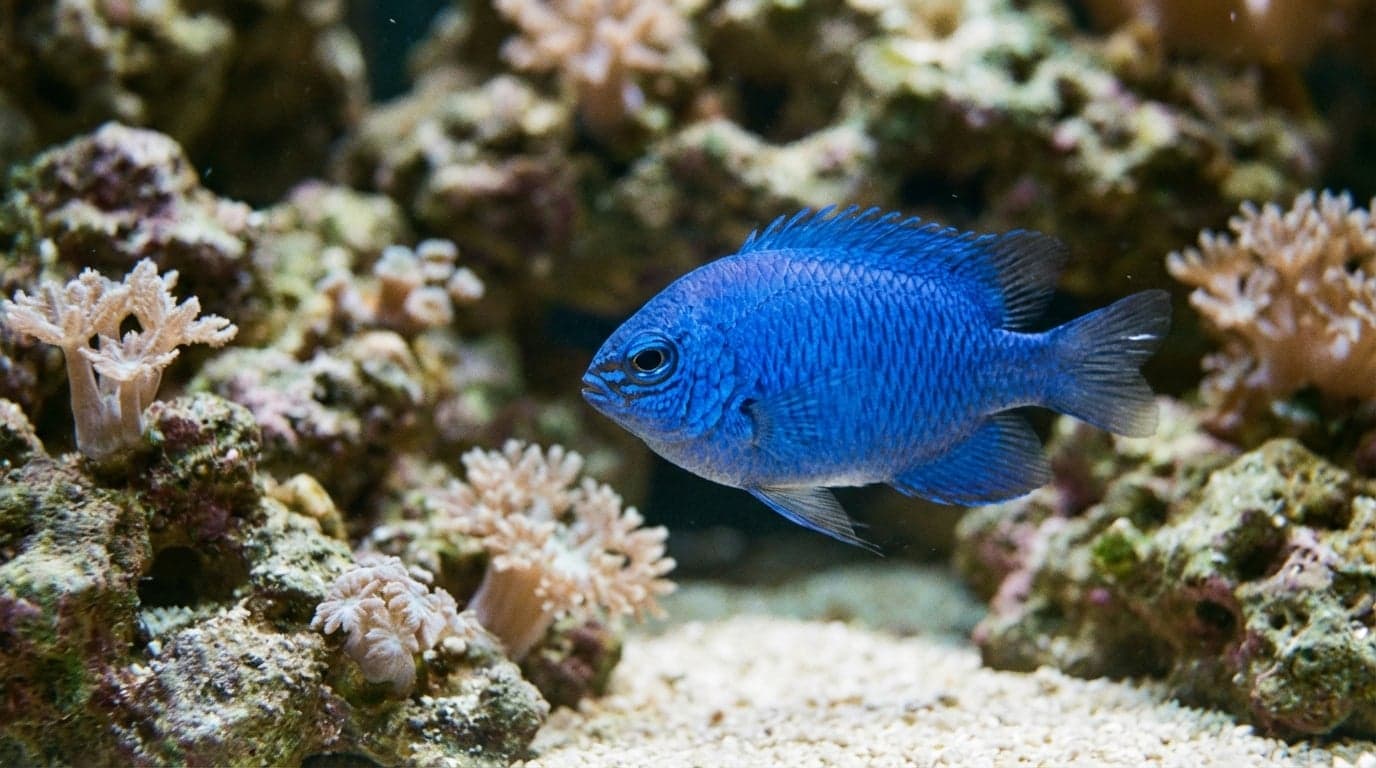
A 7cm electric-blue damsel, cheap and tough and increasingly territorial with age. Easy to add and famously hard to remove.
Blue Damselfish
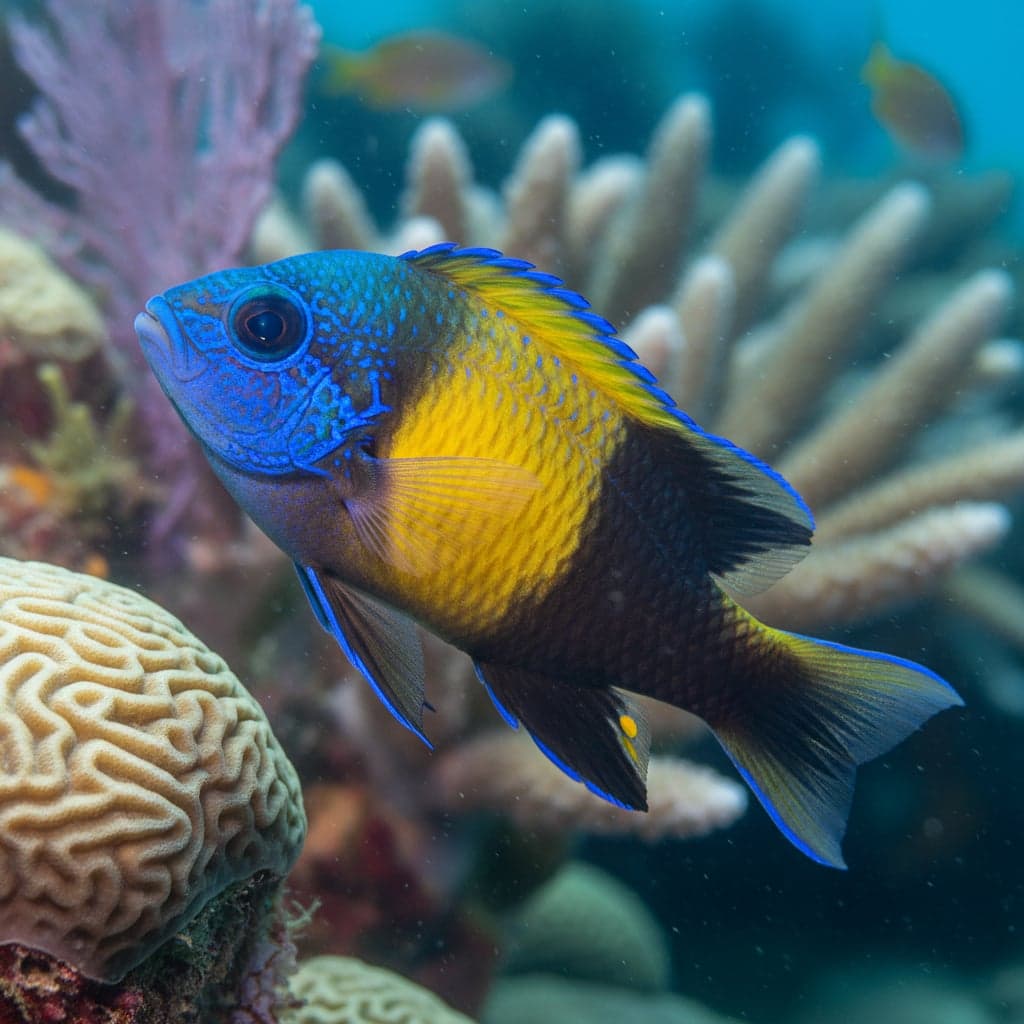
The Blue Damselfish, scientifically known as Chrysiptera cyanea, is a captivating marine fish that is highly valued in the aquarium hobby for its vibrant coloration and hardy nature. Known for its striking electric blue body with a contrasting yellow tail, this small fish typically grows to around 3 inches in length, making it an ideal choice for both novice and experienced aquarists. Its brilliant hues and active behavior add a lively dimension to saltwater tanks, quickly making it a favorite among aquarium enthusiasts seeking to create a visually appealing underwater landscape.
In addition to its aesthetic allure, the Blue Damselfish holds a significant place in marine aquaculture. Recognized as a resilient species, it can thrive in various conditions, leading to its widespread availability. This adaptability contributes to its popularity, as it is often one of the first fish introduced to newly established aquariums. Their hardiness and relatively low-care requirements also make them an excellent choice for those looking to venture into saltwater aquariums without overwhelming complexity.
Natural Habitat & Origin
The Blue Damselfish is primarily found in the warm, shallow waters of the Pacific Ocean, particularly around coral reefs and rocky substrates. It is commonly spotted in regions including the Great Barrier Reef off Australia, the reefs of Micronesia, and the tropical waters of Indonesia. Preferring clear, warm water environments, this species thrives in areas abundant with coral formations that provide shelter and breeding grounds.
In its natural habitat, the Blue Damselfish is usually seen inhabiting depths ranging from 3 to 30 meters. The communities they form around coral reefs serve as a protective environment, allowing them to display their vibrant colors and engage in social behaviors. The water is typically warm, with temperatures ranging from 76°F to 82°F, and the salinity levels are approximately 1.020 to 1.025 specific gravity. These environmental factors play a significant role in shaping their behavior and adaptation in captivity.
Care Requirements
To maintain the health and well-being of Blue Damselfish in a captive environment, careful attention to water parameters and tank setup is essential. Ideal water conditions include a pH level between 8.1 and 8.4, a temperature range of 76°F to 82°F, and a specific gravity of 1.020 to 1.025. Additionally, water hardness should fall within a range of 8 to 12 dKH to mimic their natural conditions as closely as possible.
For tank setup, a minimum tank size of 120 litres (30 gallons) is recommended for this 7cm Chrysiptera cyanea — territorial damsels need rock to claim and enough footprint so aggression does not dominate the whole display. A sandy substrate with rocky structures or live rock is ideal for creating hiding spots and breeding areas. Good water flow through the use of powerheads or filtration is important, along with moderate lighting that supports potential live coral growth. Incorporating marine plants or corals can also enhance the habitat's appeal, providing the Blue Damselfish with a more natural environment to thrive.
Diet & Feeding
The Blue Damselfish is classified as an omnivore, requiring a balanced diet that includes both plant and animal matter. In a controlled aquarium setting, it is important to provide high-quality flakes or pellets specifically designed for marine fish, which can be complemented with frozen or live foods to enrich their diet. Offering a variety of foods, such as brine shrimp, mysis shrimp, and finely chopped vegetables (like spirulina or nori), will ensure they receive essential nutrients for optimal growth and coloration.
Feeding should occur multiple times a day in small amounts to prevent overfeeding, which can lead to water quality issues. The Blue Damselfish is known for its healthy appetite and can be quite assertive at feeding time, so it is essential to monitor their intake and ensure all fish in the tank receive adequate nutrition.
Behavior & Temperament
In terms of social behavior, the Blue Damselfish exhibits lively and active traits, often establishing territories within the aquarium. They are generally semi-aggressive and can display dominance, especially as they mature. Although they are known to be relatively social, they do best in small groups or pairs, with a hierarchy often forming among them.
These fish typically occupy the middle to lower levels of the tank, using structures and coral formations for shelter. While they can live harmoniously with other species, it is important to ensure that tank mates are not overly timid, as the Blue Damselfish may chase or bully more passive fish.
Tank Mates
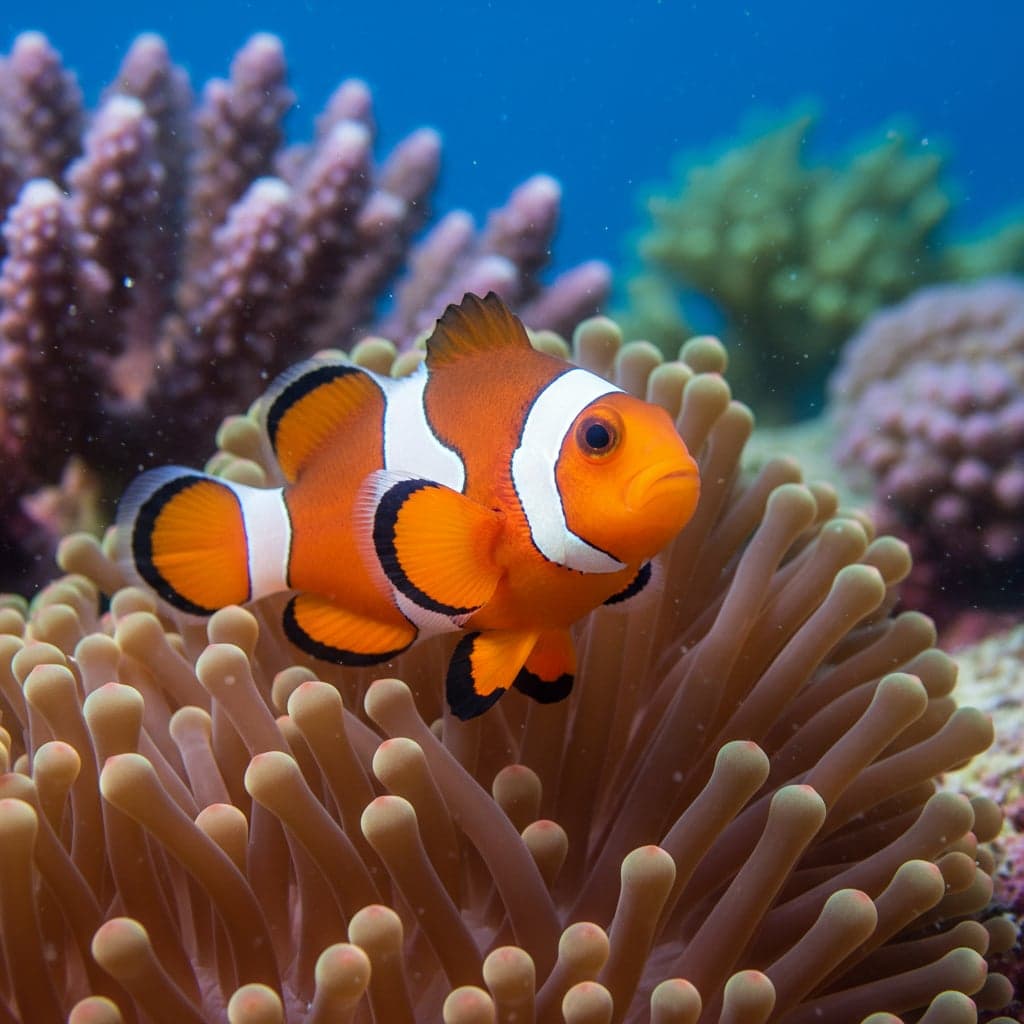
When selecting tank mates for the Blue Damselfish, choosing species that are similarly sized and exhibit compatible temperament is crucial. Ideal tank mates include spirited fish like Clownfish, Firefish, and certain Gobies. They can also cohabit well with certain invertebrates, such as shrimps and snails, provided these creatures are not potential threats to spawning.
Conversely, it is advisable to avoid housing Blue Damselfish with overly aggressive species or larger predatory fish, as well as delicate species like Mandarin Dragonets or Seahorses that may suffer from the Damselfish's territorial behavior. Careful consideration when selecting community tank compositions will lead to a more harmonious and visually appealing aquarium environment.
Breeding
Breeding Blue Damselfish in captivity can be successfully achieved if the right environmental conditions are replicated. The species is known for its relatively simple spawning behavior, often laying eggs on flat surfaces in sheltered areas. To facilitate breeding, it is essential to maintain excellent water quality, stability in temperature, and sufficient cover within the tank.
Mature pairs will typically engage in a courtship display, followed by the female laying eggs, which the male will then fertilize. A breeding substrate, such as a flat rock or slate, should be provided to encourage egg-laying. The eggs will hatch in about 7 to 10 days under optimal conditions, and it is vital to remove the parents after spawning to prevent them from eating the fry. Feeding the newly hatched larvae with infusoria or specially formulated fry food can help ensure their survival and growth.
Common Health Issues
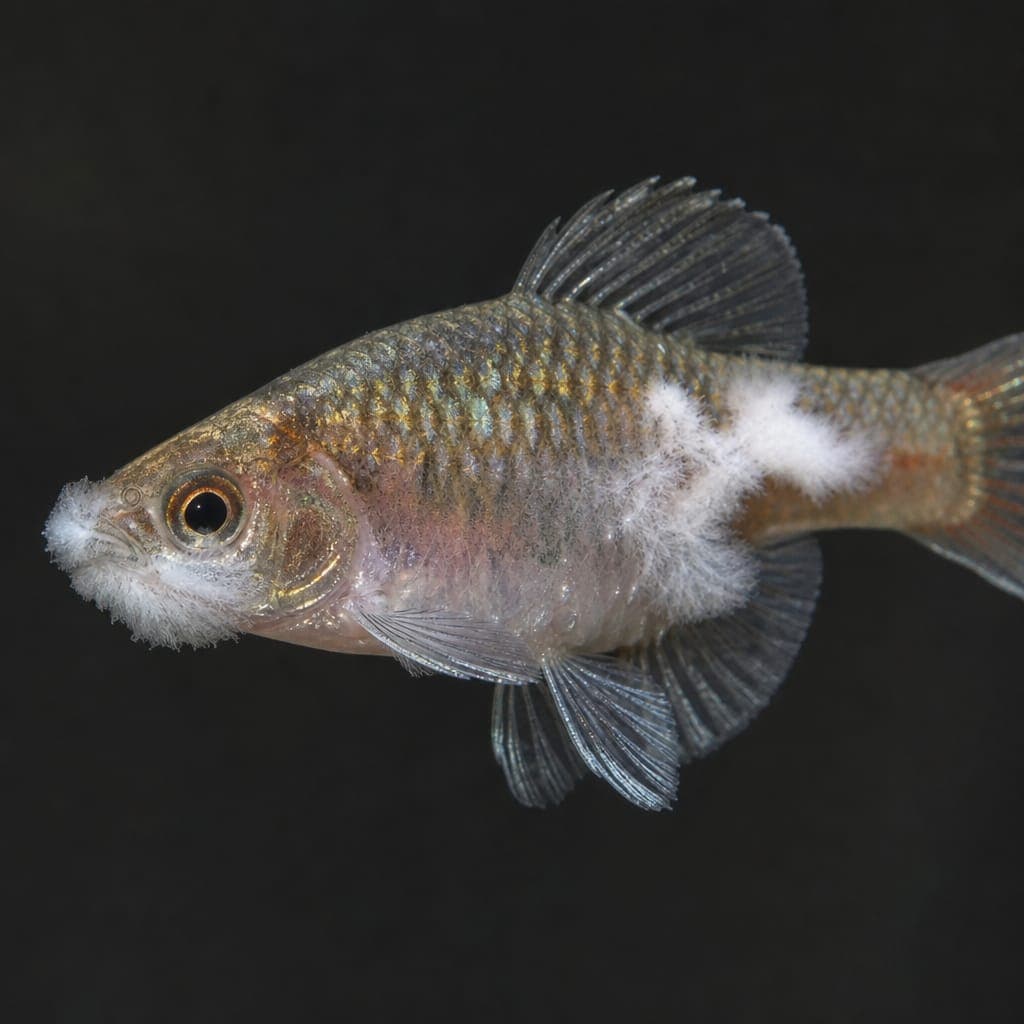
Despite being relatively hardy, Blue Damselfish are prone to certain health issues, particularly if water quality is not meticulously maintained. Common ailments may include ich (white spot disease), fungal infections, and stress-related issues. To prevent these conditions, regular water testing, routine tank maintenance, and quarantine procedures for new arrivals are highly recommended.
Furthermore, a proper diet and a stress-free environment can greatly reduce susceptibility to diseases. Monitoring fish behavior and appearance is crucial, as early detection of illness allows for prompt intervention and treatment, ensuring the longevity and flourishing health of the Blue Damselfish in your aquarium.