The Blue Dolphin Cichlid: Cyrtocara moorii
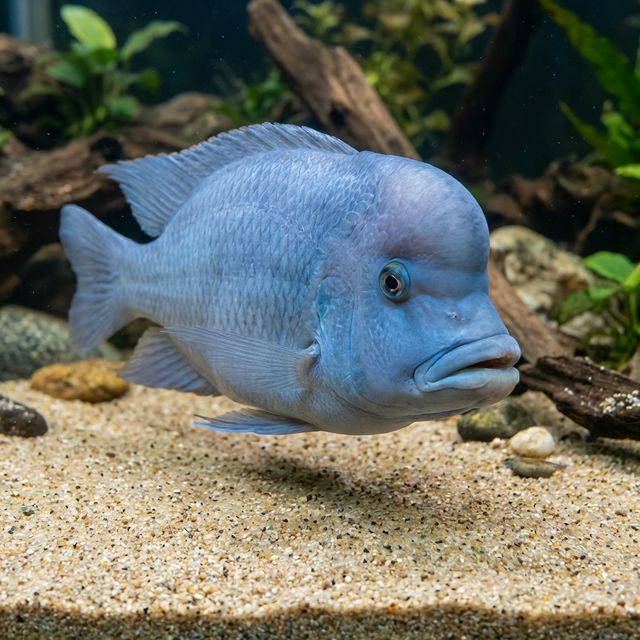
A gentle giant named for the nuchal hump on its head that resembles a dolphin. A stunning metallic blue HAP cichlid for large aquariums.
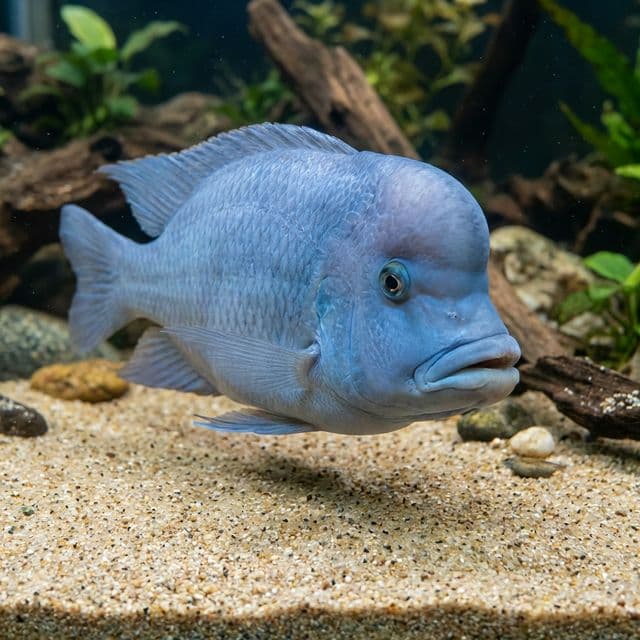
Blue Dolphin Cichlid
The Blue Dolphin Cichlid, scientifically known as Cyrtocara moorii, is a stunning freshwater fish indigenous to Lake Tanganyika in East Africa. Recognized for its unique body shape that resembles a dolphin, this cichlid boasts a vibrant blue coloration that can vary from a striking electric blue to a softer, pastel hue, particularly among different geographical strains. Its distinctive dorsal fin extends high above its body, further emphasizing its dolphin-like appearance. The Blue Dolphin Cichlid is not only a marvel to observe, but it also plays a significant role in the aquarium hobby, captivating aquarists with its beauty and personality.
In the aquarium setting, the Blue Dolphin Cichlid has garnered a reputation for being both sociable and intriguing. It can exhibit a gentle curiosity towards its environment, making it a joy to watch as it explores its surroundings. Given its relatively peaceful nature compared to other cichlids, the Blue Dolphin is often sought after by aquarists seeking to create a community tank that features vibrant colors and diverse behaviors. However, its specialized care needs and particular requirements for tank mates necessitate a thorough understanding of its habits and preferences to ensure optimal health and happiness.
Natural Habitat & Origin
The natural habitat of the Blue Dolphin Cichlid lies within the rocky shorelines and sandy substrates of Lake Tanganyika, which is one of the oldest and deepest freshwater lakes in the world. This lake is known for its clear waters, which can measure up to 50 meters in depth, providing an ideal environment for this species. The Blue Dolphin Cichlid thrives in alkaline, mineral-rich waters with a pH range of approximately 7.8 to 9.0 and temperatures between 23°C and 28°C (73°F to 82°F). These parameters reflect the typical conditions found in Lake Tanganyika, where the biodiversity and geological features of the lake have shaped the evolutionary traits of the Blue Dolphin Cichlid over thousands of years.
Environmental factors such as the rocky outcrops and submerged structures in its native habitat are vital for the Blue Dolphin's well-being. These areas offer hiding spots and breeding spaces while also playing a crucial role in the fish’s social behaviors. Although they primarily inhabit zones with ample light, they tend to seek refuge in shaded areas during peak sunlight, highlighting their need for a dynamic environment that mimics their natural ecosystem.
Care Requirements
To successfully keep Blue Dolphin Cichlids, it is essential to replicate their natural habitat as closely as possible. A minimum tank size of 75 gallons is recommended to provide sufficient swimming space and territory for this species. The water parameters should be carefully monitored, maintaining a pH between 7.8 to 9.0, a temperature range of 23°C to 28°C (73°F to 82°F), and hardness levels around 10 to 15 dGH. The substrate can be a mix of sand and fine gravel, allowing for comfortable digging and foraging, which are natural behaviors of the species.
Lighting should be moderate to bright, allowing for plant growth while also providing the necessary light for the tank's aesthetics. When incorporating plants and decorations into the tank setup, it's best to use hardy, resilient species such as Anubias or Java Fern, as Blue Dolphin Cichlids may uproot softer plants. Including rocks and caves in the tank will not only create visual depth but also provide essential hiding spots, helping to reduce stress among the inhabitants.
Diet & Feeding
The Blue Dolphin Cichlid is considered an omnivore, with a diet that includes a mix of plant matter and animal protein. In captivity, it is important to offer a varied diet to ensure optimal health. High-quality flakes or pellets formulated for cichlids can serve as a staple food source; however, to further enhance their diet, frozen or live foods such as brine shrimp, bloodworms, and daphnia are highly recommended. This protein-rich diet helps to promote vibrant coloration and strong growth.
It is also beneficial to supplement their diet with vegetable matter such as spirulina or blanched vegetables like zucchini or peas to mimic their natural feeding habits. Feeding should be done 1-2 times a day, with small portions enough for a few minutes to prevent overfeeding and to maintain water quality. Monitoring the fish's condition will help in adjusting food types and amounts accordingly.
Behavior & Temperament
The Blue Dolphin Cichlid is known for its relatively peaceful nature among cichlids, often socializing well with compatible species. They possess a curiosity that leads them to explore their surroundings, actively interacting with tank decor and the environment. While they can exhibit territorial behavior, especially during breeding periods, they are generally not overly aggressive. Instead of preferring open swimming spaces, the Blue Dolphin tends to occupy the middle to bottom water layers of the tank, where it feels secure near rocky structures and caves.
These fish are best kept in pairs or small groups, as their social structure naturally leads them to establish hierarchies. It is important to offer sufficient caves and hiding spots to mitigate potential confrontations from dominant individuals, ultimately creating a balanced community. Mixed with other peaceful species that thrive in similar water conditions, the Blue Dolphin Cichlid can bring visual beauty and dynamic behavior to any aquarium setup.
Tank Mates
When choosing compatible tank mates for the Blue Dolphin Cichlid, it is crucial to select species that share similar water parameters and behavioral traits. Ideal companions include:
- Other Lake Tanganyika Cichlids (e.g., shell-dwellers or other peaceful cichlids)
- Synodontis Catfish (e.g., Synodontis nigrita, known for their peaceful cohabitation)
- Tropheus species (as long as they're not overly aggressive)
Species to avoid include aggressive cichlids, particularly those known for territorial behavior or higher aggression levels, such as:
- Oscar Cichlids
- Jaguar Cichlids
- African Mbunas
By ensuring compatible tank mates, aquarists can create a harmonious and vibrant community aquarium, allowing the Blue Dolphin Cichlid to thrive alongside other species.
Breeding
Breeding Blue Dolphin Cichlids in captivity can be a rewarding experience for aquarists willing to replicate their natural breeding conditions. These fish are mouthbrooders, meaning the female will carry the fertilized eggs in her mouth until they are ready to swim. To encourage breeding, it's recommended to keep a ratio of one male to one or two females in a spacious tank with plenty of hiding spots and a sandy substrate. Water parameters should remain stable within the optimal range outlined above, with additional attention given to maintaining excellent water quality.
During the breeding process, the female will display courtship behaviors, such as swimming alongside the male and seeking suitable spawning sites. Once the spawning occurs, she will gather the fertilized eggs in her mouth, where she will incubate them for approximately three weeks before releasing the fry. It's advisable to provide a separate breeding tank or fully planted area within the main tank to protect the fry from potential aggression by other fish, ensuring a higher survival rate.
Common Health Issues
Like many cichlids, the Blue Dolphin Cichlid can be susceptible to certain health issues. Common ailments include:
- Ichthyophthirius (Ich)