Blue-eyed Redfin Plec L137: Hypostomus soniae
A distinct pleco with blue eyes and rusty red fins. Excellent scavenger.

Blue-eyed Redfin Plec L137
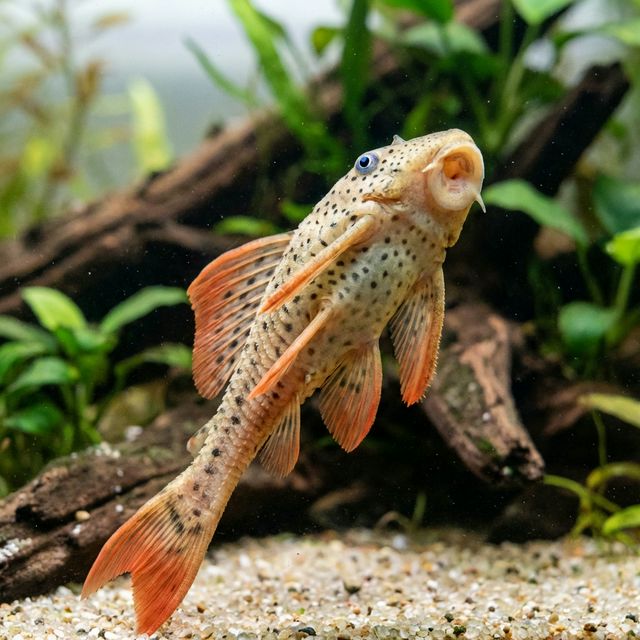
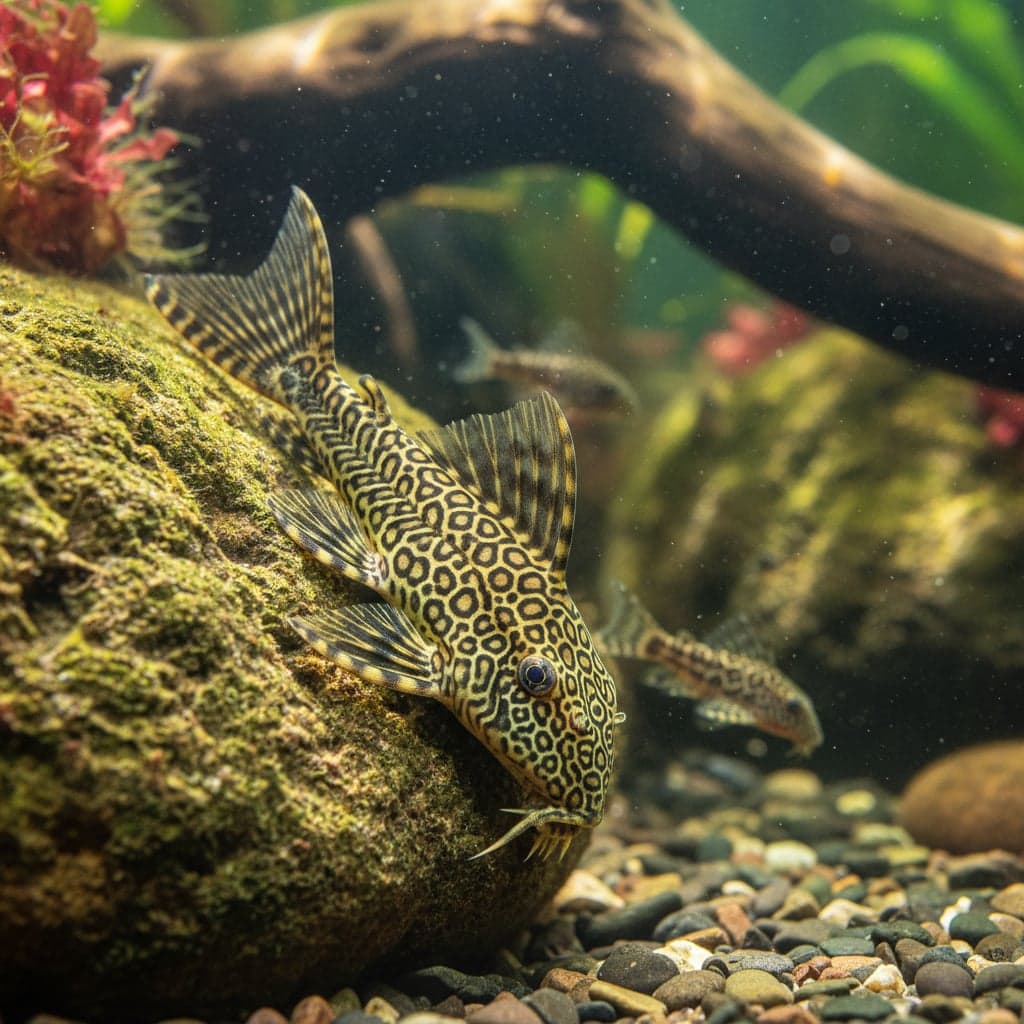
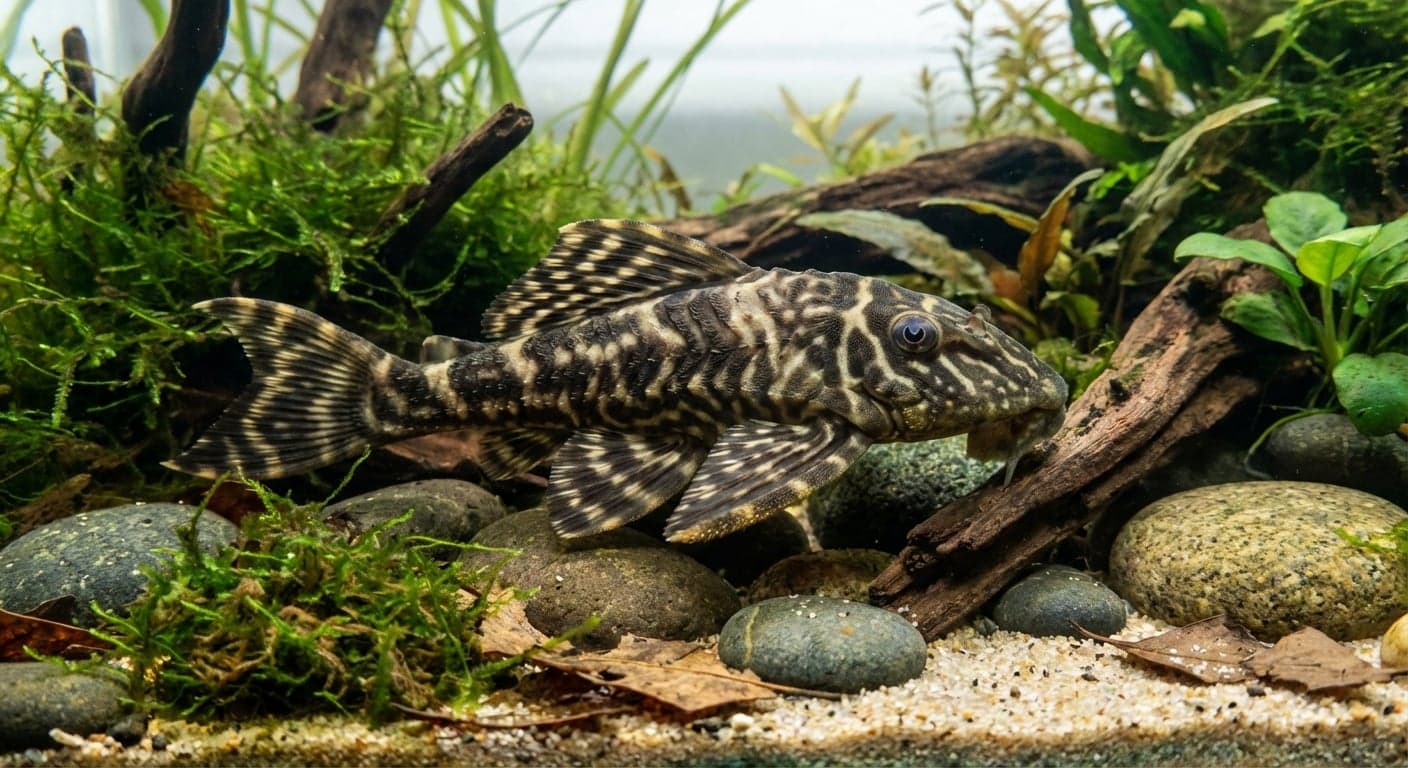
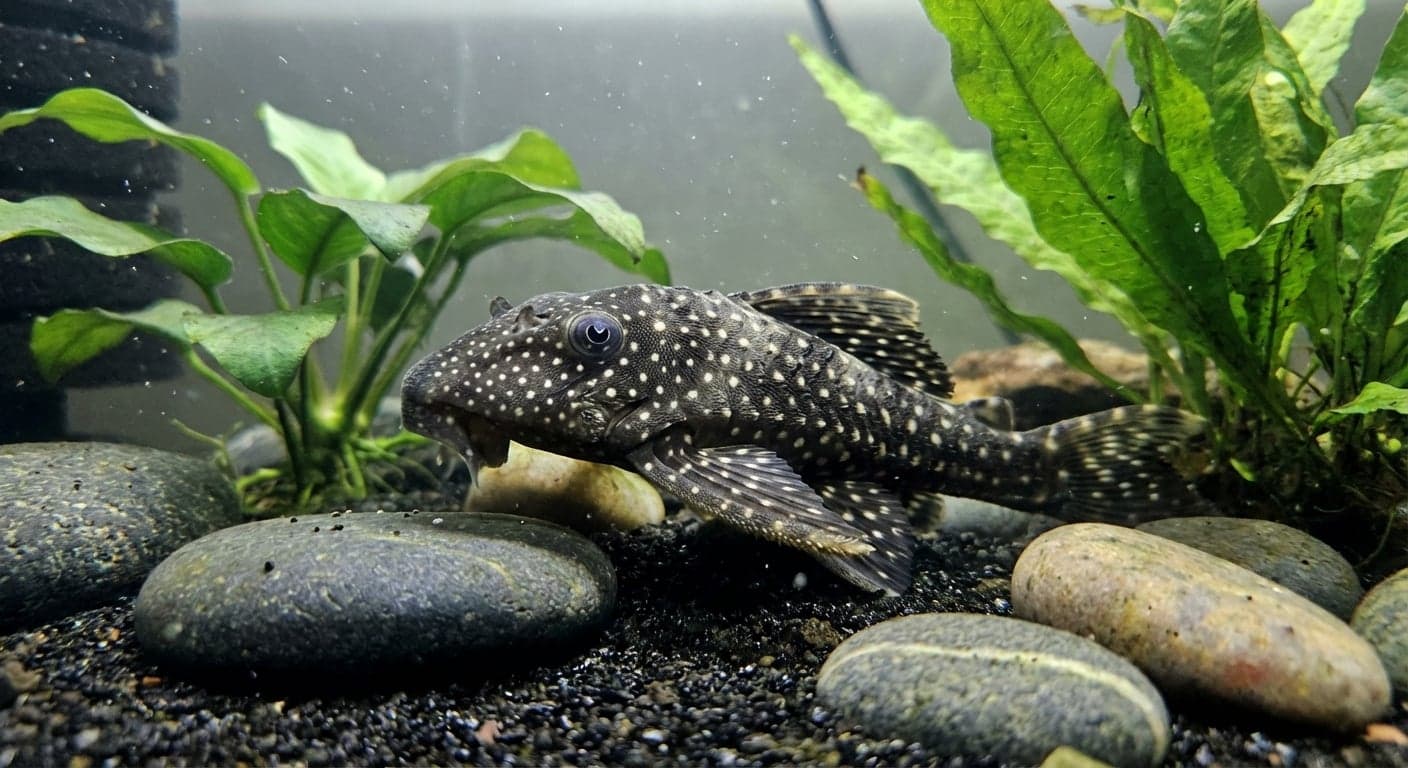
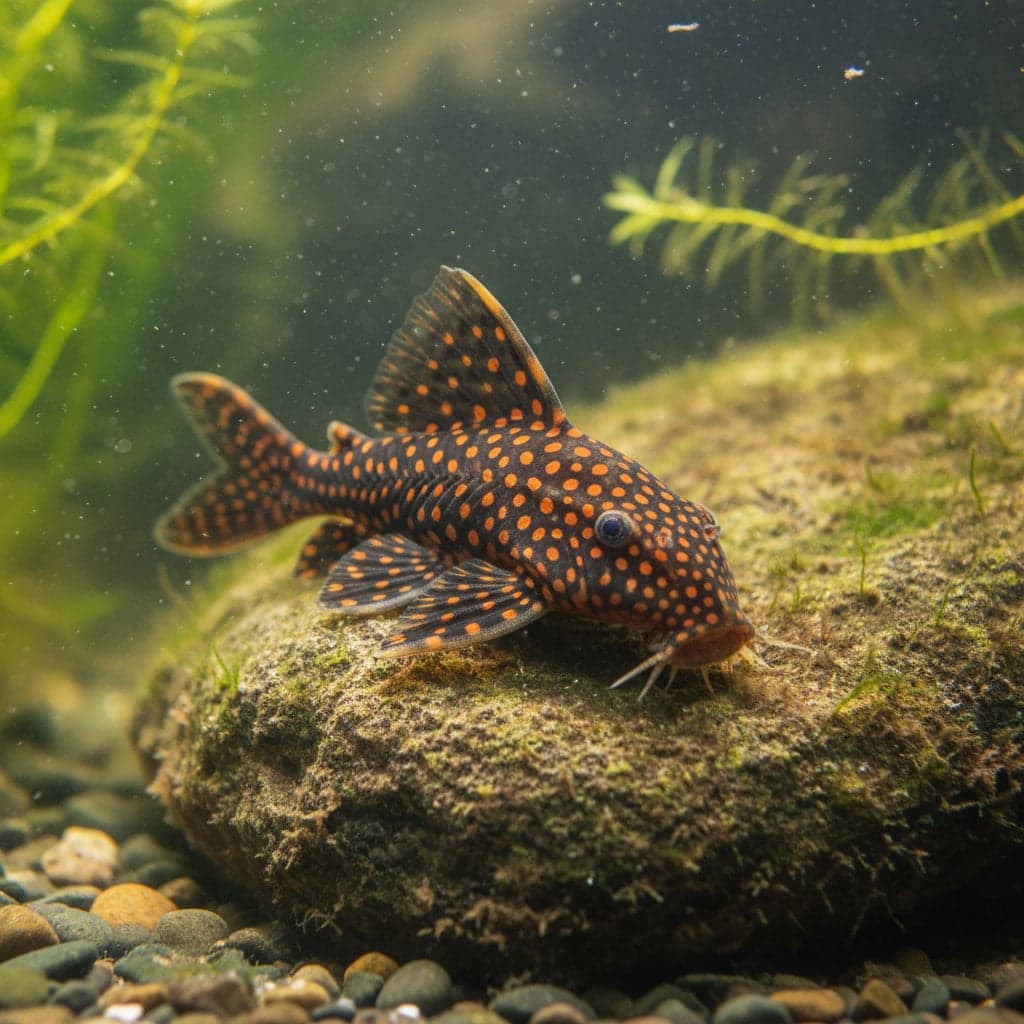
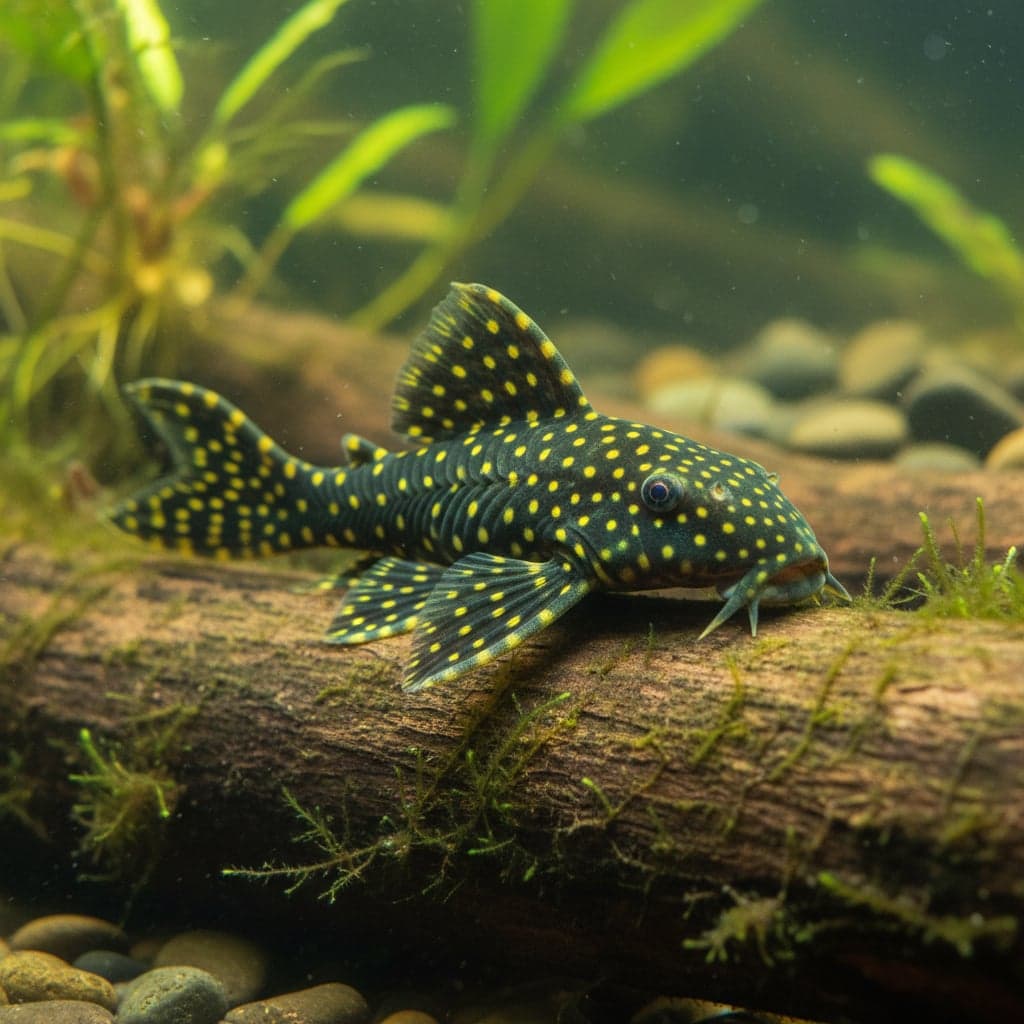
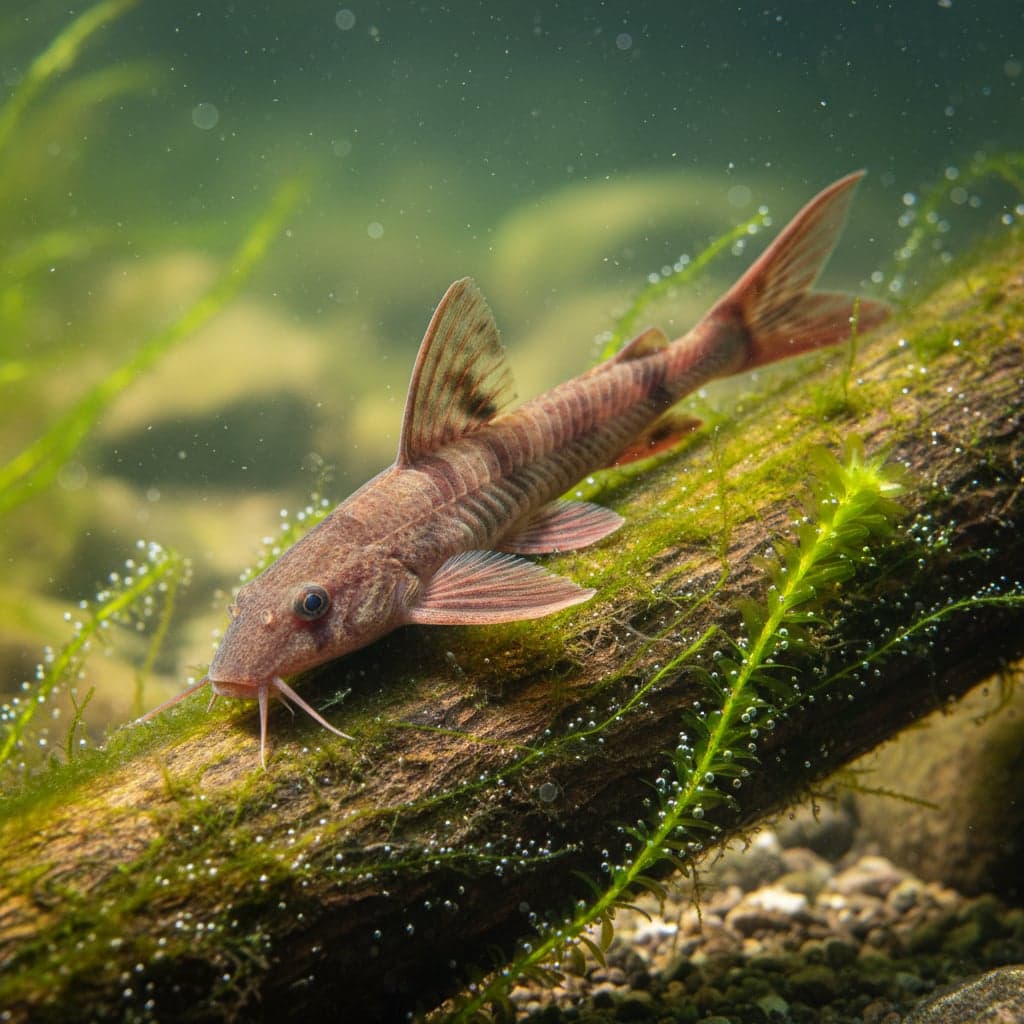
The Blue-eyed Redfin Plec L137, scientifically known as Hypostomus soniae, is a visually striking freshwater fish that is increasingly prized among aquarists for its unique appearance and hardy characteristics. Renowned for its striking blue eyes and vibrant red fins, this fish captivates viewers with its alluring physical attributes and distinctive patterning that ranges from a dark brownish-black body to spots and stripes that enhance its appearance. The Blue-eyed Redfin Plec emits an exotic allure that significantly adds to the overall aesthetic of a well-planned aquarium setup. In addition to its beauty, it is respected in the aquarium hobby for its algae-eating capabilities, contributing to maintaining water quality and tank cleanliness.
Originating from the Amazon Basin, the Blue-eyed Redfin Plec L137 serves an ecological role in its natural habitat, where it thrives and feeds on algae and organic debris. Its introduction into the aquarium trade has gained popularity over the years, with many hobbyists eager to experience the unique charm it brings to their tanks. The fish has become a symbol of both beauty and functionality within the aquatic world, prompting enthusiasts to create suitable environments that mimic their natural habitat.
Natural Habitat & Origin
The Blue-eyed Redfin Plec L137 originates from the clear waterways of South America, specifically from regions such as Brazil and Peru. This species is often found in slow-moving rivers and creeks that offer an abundance of submerged roots and rocky substrates, which provide shelter and breeding grounds. The waters in which they reside are typically characterized by a slightly stained appearance due to organic material decomposing, often classified as blackwater environments. In its natural habitat, this pleco coexists with various other species, contributing to a biodiverse ecosystem that showcases its adaptability and resilience.
The environmental context of the Blue-eyed Redfin Plec is critical for its survival. The fish favors temperatures between 24 to 28 degrees Celsius (75 to 82 degrees Fahrenheit) and a slightly acidic to neutral pH. These conditions highlight the importance of replicating such parameters in an aquarium setup to ensure the fish's health and well-being.
Care Requirements
When caring for the Blue-eyed Redfin Plec L137, attention to specific water parameters and tank setup is crucial for its thriving condition. The ideal pH range for this species is between 6.0 and 7.5, with a water temperature maintained at approximately 24 to 28 degrees Celsius (75 to 82 degrees Fahrenheit). The hardness of the water should ideally be between 3 to 20 dGH, providing a conducive living environment.
A minimum tank size of 75 gallons is recommended due to the pleco's potential size and active nature. When setting up the aquarium, a sandy substrate can simulate its natural riverbed habitat and facilitate comfortable movement. Incorporating driftwood and dense vegetation serves not only for aesthetic purposes but also offers hiding spots and security for the fish. Moderate lighting replicates the dappled light found in their natural environment, allowing plants such as Java fern, Anubias, and Cryptocoryne to flourish.
Diet & Feeding
The Blue-eyed Redfin Plec L137 is primarily an omnivorous creature, and its diet in the aquarium should reflect that diversity. A well-rounded diet that includes sinking algae wafers, high-quality pellets, and blanched vegetables such as zucchini and cucumber will keep this fish healthy and content. In addition to these staple foods, the occasional offering of live or frozen foods such as bloodworms and brine shrimp will provide the necessary protein and nutrients to support optimal growth and vitality.
It is essential to ensure that feedings are appropriately portioned, as overfeeding can lead to water quality issues. Providing a selection of different foods will not only cater to the dietary needs of the Blue-eyed Redfin Plec but will also prevent boredom and encourage natural foraging behavior within the aquarium.
Behavior & Temperament
The Blue-eyed Redfin Plec L137 exhibits a generally peaceful demeanor that makes it suitable for community tanks. These fish can be somewhat territorial, particularly when established in their territory, but they are less aggressive compared to other species of plecos. They do well in pairs or small groups, and while they are not strict schooling fish, they may enjoy the company of their own kind.
In terms of vertical placement, the Blue-eyed Redfin Plec tend to occupy the bottom of the tank, where they graze on algae and detritus. They may climb onto decorations, driftwood, or rocks to seek out food or rest, contributing to their role as bottom dwellers. It is essential to provide ample hiding spots to manage their territorial instincts and promote a peaceful coexistence within the aquarium.
Tank Mates
Choosing the right tank mates for the Blue-eyed Redfin Plec L137 is critical to creating a harmonious community tank. Suitable companions include other peaceful species such as tetras, rasboras, and gouramis, which create a vibrant environment while minimizing aggression. Other compatible bottom-dwellers, like corydoras catfish, can coexist well with this pleco without competing for the same food sources.
However, it is important to avoid keeping the Blue-eyed Redfin Plec with aggressive species or fin-nippers, as these can stress the fish and lead to injuries. Predatory fish should also be avoided, as they may see the Blue-eyed Redfin Plec as prey, particularly given its relatively slow-moving nature. A well-thought-out selection of tank mates will maximize the enjoyment of observing these stunning fish in their aquatic ecosystem.
Breeding
Breeding the Blue-eyed Redfin Plec L137 in captivity can be challenging yet rewarding. To foster a successful spawning environment, it is essential to mimic their natural conditions. A separate breeding tank with similar water parameters (slightly acidic pH, warm temperatures) and ample hiding spots such as caves or PVC pipes will encourage the fish to breed.
In the breeding process, males will establish territory and display courtship behavior, including visual displays and sometimes gentle nipping of the female. Successful spawning typically occurs in well-oxygenated waters, prompting the female to lay her eggs, which the male will guard. After hatching, the fry will require finely crushed flakes or specialized fry foods until they mature enough to consume larger foods.
Common Health Issues
While the Blue-eyed Redfin Plec L137 is generally a hardy species, it can be susceptible to certain health issues if not properly cared for. Common ailments include ich (white spot disease), fin rot, and bacterial infections that could stem from poor water quality or stress. Regular monitoring of water parameters and maintaining proper tank hygiene are crucial preventative measures.
Providing a well-rounded diet, alongside supplemental vitamins, can enhance their immune system and resistance to diseases. Quarantining new additions to the aquarium is also important for minimizing stress and preventing outbreaks of illnesses. With proper care and attention, the Blue-eyed Redfin Plec can lead a long and healthy life in the aquarium environment.