The Blue Gourami: Trichopodus trichopterus
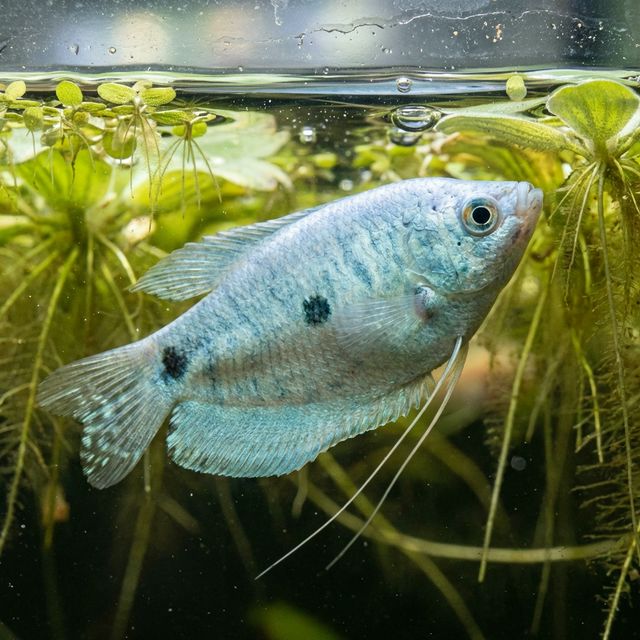
The Three-Spot Gourami. A hardy, distinctive labyrinth fish with a beautiful powder-blue color. A classic centerpiece for community tanks.
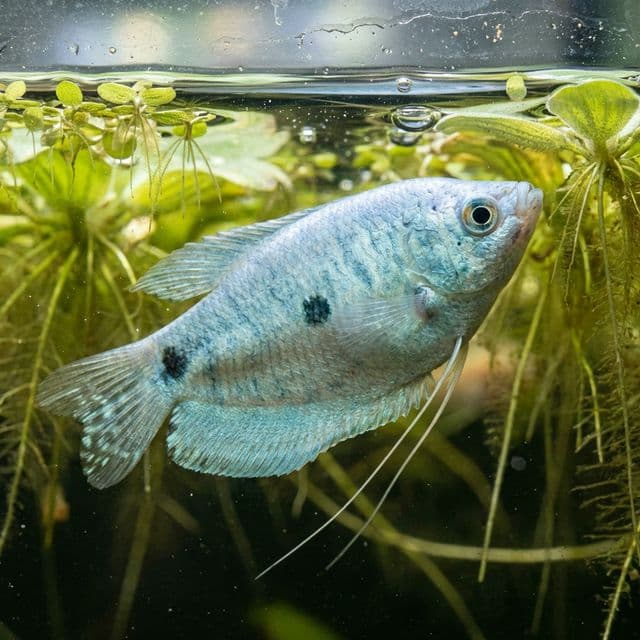
Blue Gourami
The Blue Gourami, scientifically known as Trichopodus trichopterus, is a captivating freshwater fish native to Southeast Asia. Its stunning iridescent blue coloration, often accented with a hint of orange on the edges of its fins, makes it a popular choice among aquarists. This fish can grow to a length of around 4 to 6 inches and is characterized by its deep, laterally flattened body, which enhances its visual appeal. The serene movements and gentle nature of the Blue Gourami also contribute to its status as an essential addition to both community and specialty aquariums.
In the aquarium hobby, the Blue Gourami holds significance not only for its beauty but also for its hardiness and adaptability, making it an excellent choice for both beginner and experienced aquarists. Its peaceful demeanor allows it to coexist harmoniously with a multitude of species, fostering an environment rich in biodiversity. As it swims gracefully among aquatic plants, the Blue Gourami captivates observers, not only because of its striking aesthetics but also its simple yet rewarding care requirements which make it a favorite for hobbyist tank setups.
Natural Habitat & Origin
The natural habitat of the Blue Gourami spans the freshwater rivers, swamps, and floodplains of Southeast Asia, including regions in Thailand, Vietnam, and Cambodia. These environments are predominantly characterized by slow-moving waters rich in vegetation. Blue Gouramis thrive in warm, shallow waters that can be slightly acidic to neutral, where they can find food and shelter among dense thickets of aquatic plants. The presence of detritus and decaying plant matter characterizes the blackwater conditions commonly found in these habitats, contributing to the rich biodiversity and unique ecological balance.
In their natural surroundings, Blue Gouramis are accustomed to a variety of water conditions, which makes them adaptable to changes in pH and hardness. They often inhabit areas where the water is stained with tannins, affecting visibility but providing essential cover against predators. Understanding their natural habitat is crucial for replicating the environment within a home aquarium, ensuring the health and happiness of these captivating fish.
Care Requirements
To provide optimal care for Blue Gouramis, certain water parameters must be maintained. The ideal pH level ranges from 6.0 to 7.5, with temperatures between 24°C to 28°C (75°F to 82°F). Hardness should ideally be between 5 to 20 dGH, accommodating their adaptable nature. A minimum tank size of 20 gallons is recommended, allowing ample space for swimming and social behaviors.
For tank setup, a substrate of fine gravel or sand is beneficial, as it provides a comfortable environment for the fish to forage. Decorate the aquarium with plenty of live or artificial plants, floating plants being particularly useful, as they not only enhance the aesthetic appeal but also provide natural cover and a sense of security for the fish. Moderate lighting simulates their natural habitat while encouraging plant growth, creating a thriving ecosystem within the home aquarium.
Diet & Feeding
Blue Gouramis are omnivorous, allowing for a diverse diet that can include high-quality flakes, pellets, and various forms of live or frozen foods. Their dietary intake should consist of a mixture of plant-based and protein-rich foods to ensure balanced nutrition. Recommended feeding options include spirulina algae, blanched vegetables like zucchini and spinach, and protein sources such as brine shrimp, daphnia, or bloodworms. Feed them small amounts two to three times per day, ensuring no uneaten food pollutes the tank water.
It is vital to vary their diet to promote growth and health while discouraging any finicky eating habits. This variety not only keeps the Blue Gourami healthy but also aids in maintaining vibrant coloration and overall well-being.
Behavior & Temperament
Blue Gouramis are generally peaceful, although they can exhibit territorial behaviors, especially in confined spaces or during breeding. They are best kept in groups, with a recommended ratio of one male to two or three females to minimize aggression among males. This species typically occupies the middle to upper levels of the aquarium, allowing them to swim freely while still seeking shelter among plants and decor.
Their mild temperament makes them suitable for community tanks, yet care should be taken when introducing new tank mates to ensure compatibility. Observing their social structure is also essential, as they establish hierarchies amongst themselves, which can sometimes lead to stress if not adequately managed.
Tank Mates
When selecting tank mates for Blue Gouramis, choose species that share similar water requirements and have peaceful dispositions. Compatible species include neon tetras, guppies, Corydoras catfish, and other small to medium-sized community fish. Avoid pairing them with aggressive or fin-nipping species such as cichlids, bettas, or larger catfish, as these can stress or harm the Blue Gourami.
Creating a harmonious community tank involves understanding the behaviors of potential tank mates and ensuring there is ample swimming space and hiding spots. This careful selection promotes a tranquil environment conducive to the wellbeing of all species involved.
Breeding
Breeding Blue Gouramis in captivity can be a rewarding endeavor. They are bubble-nesters and require a breeding setup with calm waters and ample floating vegetation to encourage spawning. The male Blue Gourami will create a bubble nest at the water's surface, which is essential for the protection of the eggs laid by the female. It’s advisable to keep a ratio of one male to multiple females, as this encourages breeding behaviors and reduces male aggression.
Once the female releases her eggs into the nest, the male will fertilize them and watch over the nest, protecting it from potential threats. After about 24 hours, the eggs will hatch, and the fry will depend on their yolk sac before needing infusoria or finely crushed flakes for additional nutrition. Ensuring a peaceful environment during this process is critical for successful breeding.
Common Health Issues
Blue Gouramis may be prone to various health issues if not properly cared for. Common ailments include fin rot, ich, and velvet disease. Maintaining a clean tank environment, performing regular water changes, and ensuring the water parameters remain stable can significantly reduce the risk of these health issues.
Stress from unsuitable tank mates or poor water conditions can lead to further complications. Therefore, it is essential for aquarists to monitor their fish closely for any signs of distress or illness, and treat diseases promptly with appropriate medications or treatments. Regular observation and a proactive approach to tank maintenance are key to ensuring the longevity and health of Blue Gouramis in captivity.