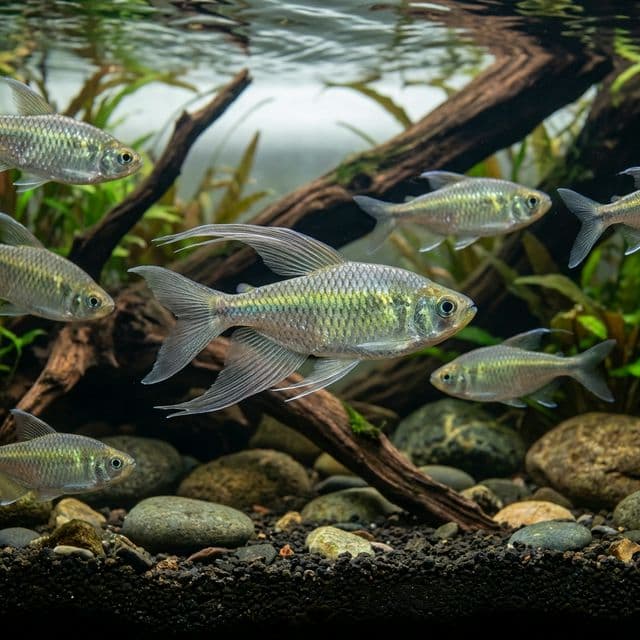
Blue Neon Cichlid: Paracyprichromis nigripinnis
A glowing, slender cichlid from Lake Tanganyika. A peaceful open-water swimmer.
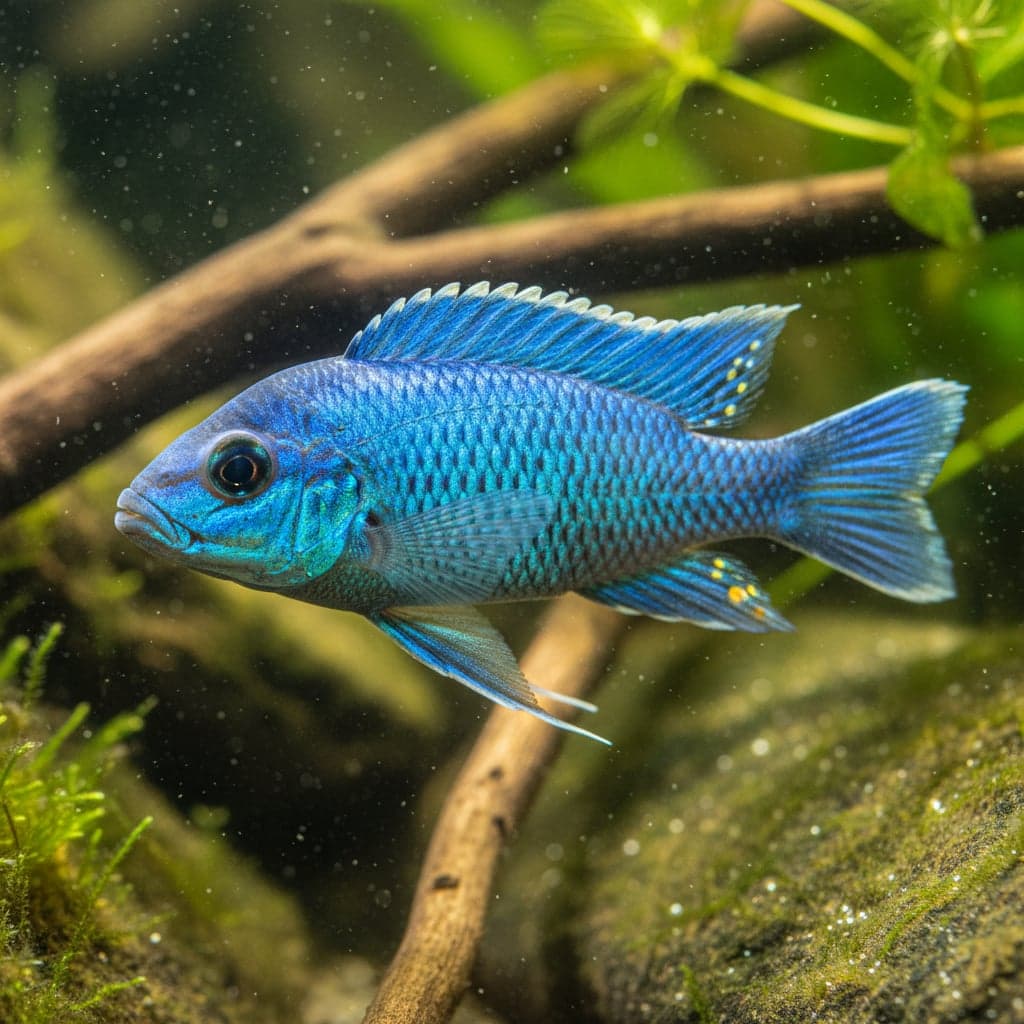
Blue Neon Cichlid
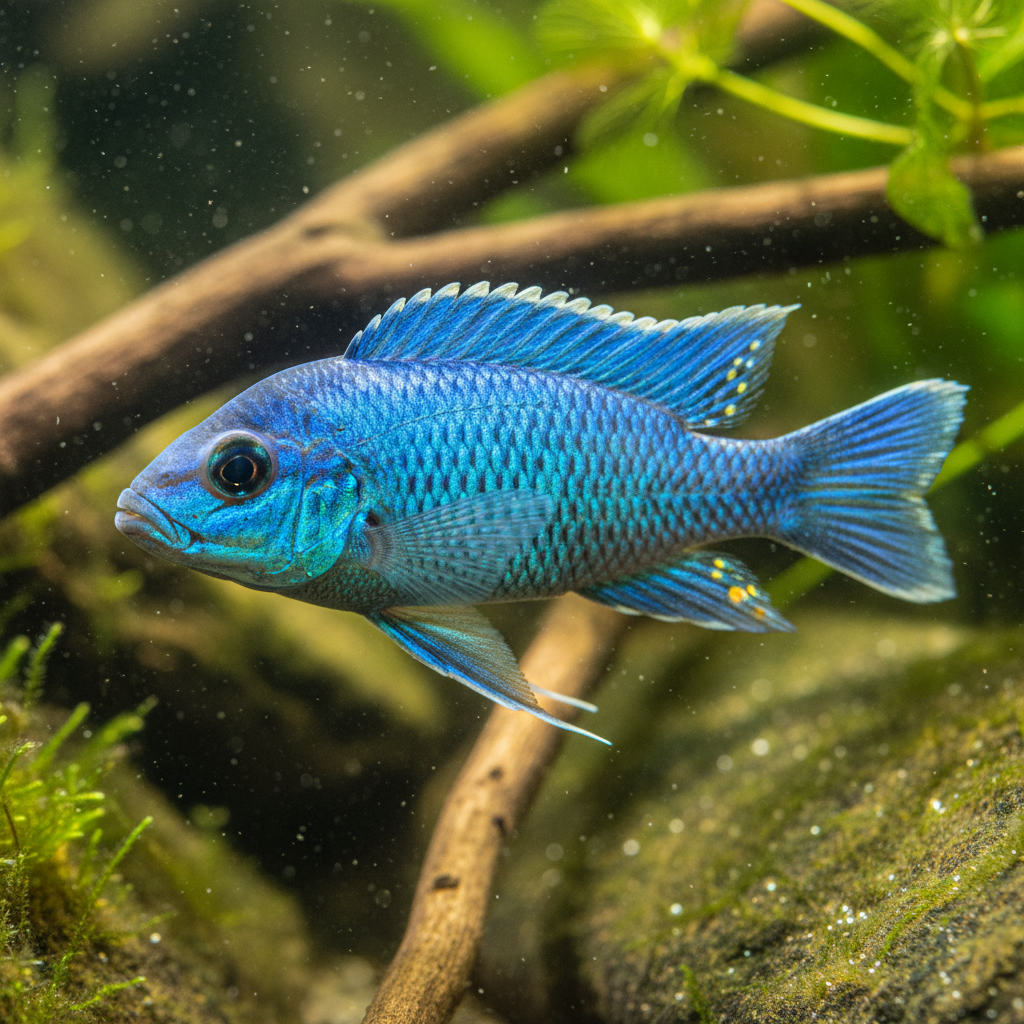
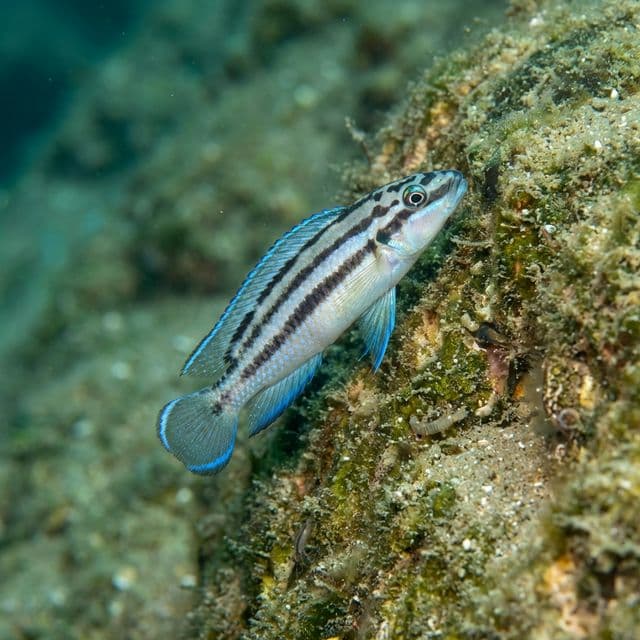
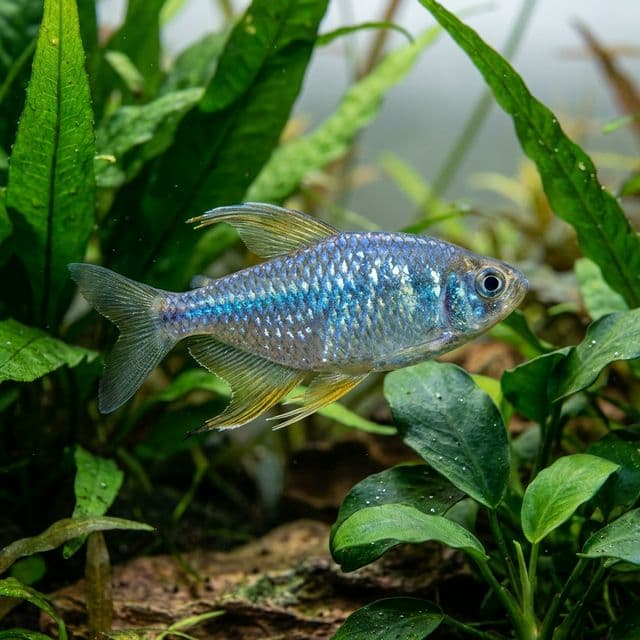
The Blue Neon Cichlid, scientifically known as Paracyprichromis nigripinnis, is a visually stunning freshwater fish known for its striking blue and yellow coloration. This small cichlid typically reaches a size of around 4 to 5 inches in length, making it an excellent addition to various aquarium setups. Its elongated body and vibrant colors are particularly appealing to aquarists, especially when kept in species-specific tanks that allow them to showcase their natural beauty. The Blue Neon Cichlid's bright blue hue comes from the reflective scales, which shimmer under the right lighting, often evoking comparisons to the shimmering waters of the African Great Lakes.
In the aquarium hobby, the Blue Neon Cichlid holds significance not only for its aesthetics but also for its engaging behavior. Known for their active swimming patterns, they often dart around the mid-to-upper levels of the tank, adding life and color to aquatic environments. Their amiable demeanor makes them a desirable species for those looking to create dynamic community tanks while also providing a rewarding experience for hobbyists interested in breeding and observing the captivating behaviors of cichlids.
Natural Habitat & Origin
The Blue Neon Cichlid is native to the rocky shores of Lake Tanganyika, located in East Africa. This freshwater lake is renowned for its unique biodiversity, hosting a variety of endemic cichlid species, many of which have adapted fascinating behaviors and physical traits. The Blue Neon Cichlid thrives in clear, mineral-rich waters often characterized by stable temperatures and gentle currents. These environments are typically rocky, providing ample hiding places and territories for these fish.
In their natural habitat, the Blue Neon Cichlid prefers specific water conditions that replicate the serene ecosystems of Lake Tanganyika. The water is usually alkaline, with a pH ranging from 7.8 to 9.0, and temperatures ranging between 75°F and 82°F (24°C to 28°C). Understanding their natural habitat is crucial for aquarists looking to create an optimal environment that fosters health and breeding success.
Care Requirements
To ensure the well-being of Blue Neon Cichlids in captivity, specific water parameters must be maintained. The ideal water pH should range between 7.8 and 8.6, with temperatures maintained between 75°F and 82°F (24°C to 28°C). Additionally, a hardness level between 10° to 20° dGH is recommended. These parameters mimic their natural habitat, supporting their overall health and vitality.
Regarding tank setup, a minimum tank size of 30 gallons is ideal for a small group of Blue Neon Cichlids, allowing adequate swimming space. The substrate should consist of smooth sand or fine gravel to prevent injury to their delicate bodies. Aquascaping with rock formations and caves provides hiding spots and territories essential for this highly social species. The lighting in the tank should simulate a natural environment—moderate lighting is generally best, allowing colors to pop without being too harsh. Live plants can be included to enhance the aesthetic appeal but should be positioned to allow open swimming spaces.
Diet & Feeding
The Blue Neon Cichlid is classified as an omnivore, benefiting from a varied diet that supports its health and enhances coloration. In captivity, they thrive on high-quality flake foods, pellets, and frozen or live food options. A diverse diet that includes protein sources such as brine shrimp, bloodworms, and daphnia will help promote vibrant coloration and overall health. It is advisable to offer small meals multiple times a day rather than one large feeding, ensuring that all fish in the tank receive adequate nutrition.
Aquarists should also consider incorporating spirulina and vegetable-based foods to mimic the histidine-rich diet they may encounter in the wild. This combination not only keeps them healthy but also encourages active foraging behavior, which can be exciting to observe.
Behavior & Temperament
Blue Neon Cichlids are known for their gentle nature and peaceful demeanor, particularly when kept in appropriate groups. Typically, they do best in schools of at least six individuals, as this allows them to display natural social behaviors while reducing stress levels. Despite their sociable tendencies, they may exhibit territorial behaviors, especially during breeding periods or when establishing dominance within the group.
These cichlids thrive in the mid-to-upper levels of the aquarium, often engaging in captivating swimming patterns. They are generally non-aggressive towards other species, but it’s vital to ensure that tank mates are similarly non-aggressive to reduce conflicts. Providing adequate hiding places and open swimming space is essential to minimize territorial disputes.
Tank Mates
When selecting tank mates for the Blue Neon Cichlid, it's crucial to choose species that are compatible in temperament and size. Recommended tank mates include other peaceful cichlids such as the Shell Dweller Cichlids, various Tetra species, and small catfish like Otocinclus. Additionally, species such as Rainbowfish and certain types of barbs can coexist harmoniously with Blue Neon Cichlids.
Conversely, it is advisable to avoid aggressive species such as larger cichlids, particularly those known for territorial behavior, as well as fin-nipping fish like some larger barbs and bettas. Ensuring a balanced community tank will ultimately lead to a more harmonious environment, allowing all inhabitants to thrive.
Breeding
Breeding Blue Neon Cichlids can be a rewarding experience for aquarists equipped with the right knowledge. These fish are mouthbrooders, with females capable of incubating eggs in their mouths until they hatch. To breed successfully, it is essential to create a breeding environment that mimics their natural conditions—providing a separate breeding tank with stable water parameters, ample hiding spaces, and suitable flat surfaces, such as smooth rocks for egg laying.
Once paired, the female will lay eggs that can number anywhere from 20 to 50, and both parents typically take part in caring for the fry. After hatching, it is crucial that the fry are given the right diet (infusoria or finely crushed flakes) and protected from larger tank mates until they are large enough to be introduced into the main tank.
Common Health Issues
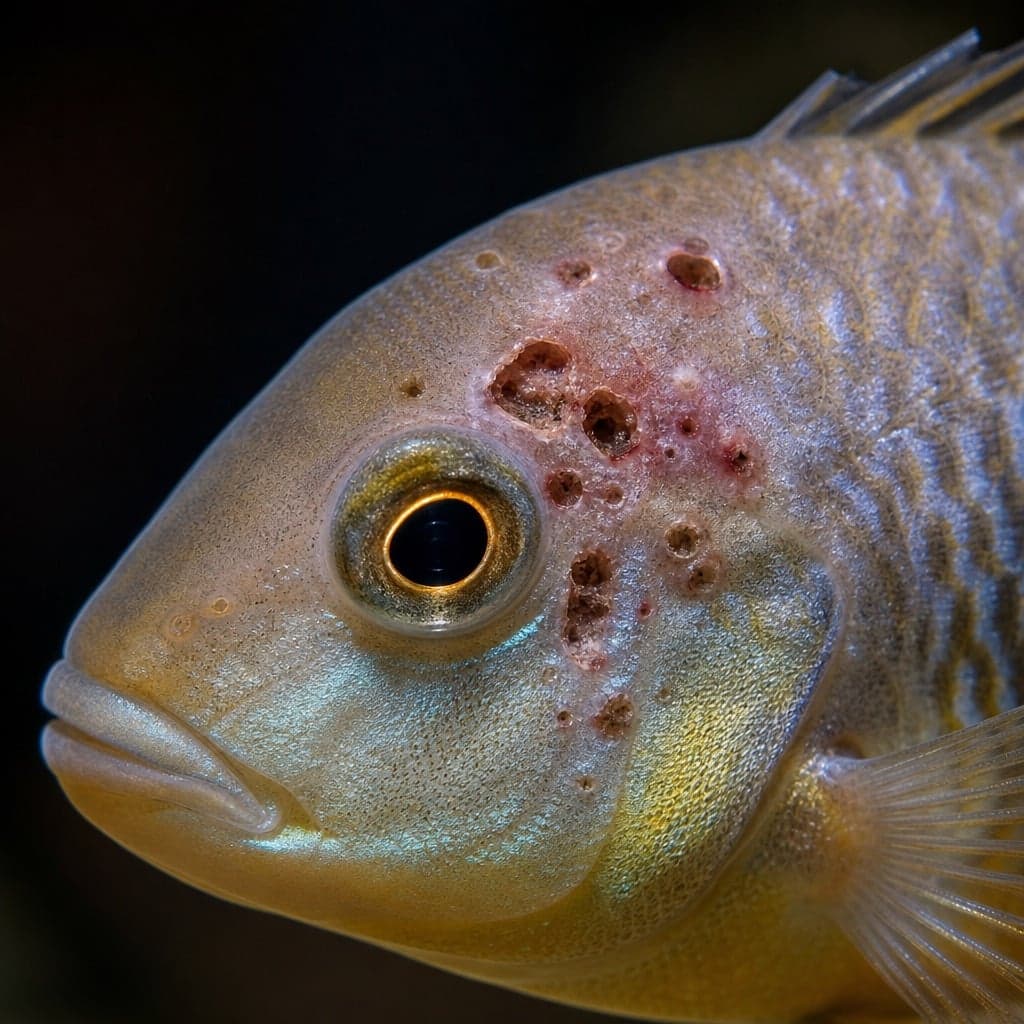
Like many aquarium fish, Blue Neon Cichlids may be susceptible to certain health issues if not properly cared for. Common ailments include fin rot, ich, and hole-in-the-head disease. To prevent these conditions, maintaining optimal water quality is crucial; regular water changes and monitoring of water parameters can help ensure a healthy environment.
Observing regular feeding practices and avoiding overcrowding in tank setups are also essential factors in reducing stress and aggression among fish, thereby lowering the risk of disease outbreaks. Additionally, quarantining new fish before introducing them into the main tank can prevent the spread of pathogens, ensuring a healthier aquarium ecosystem.