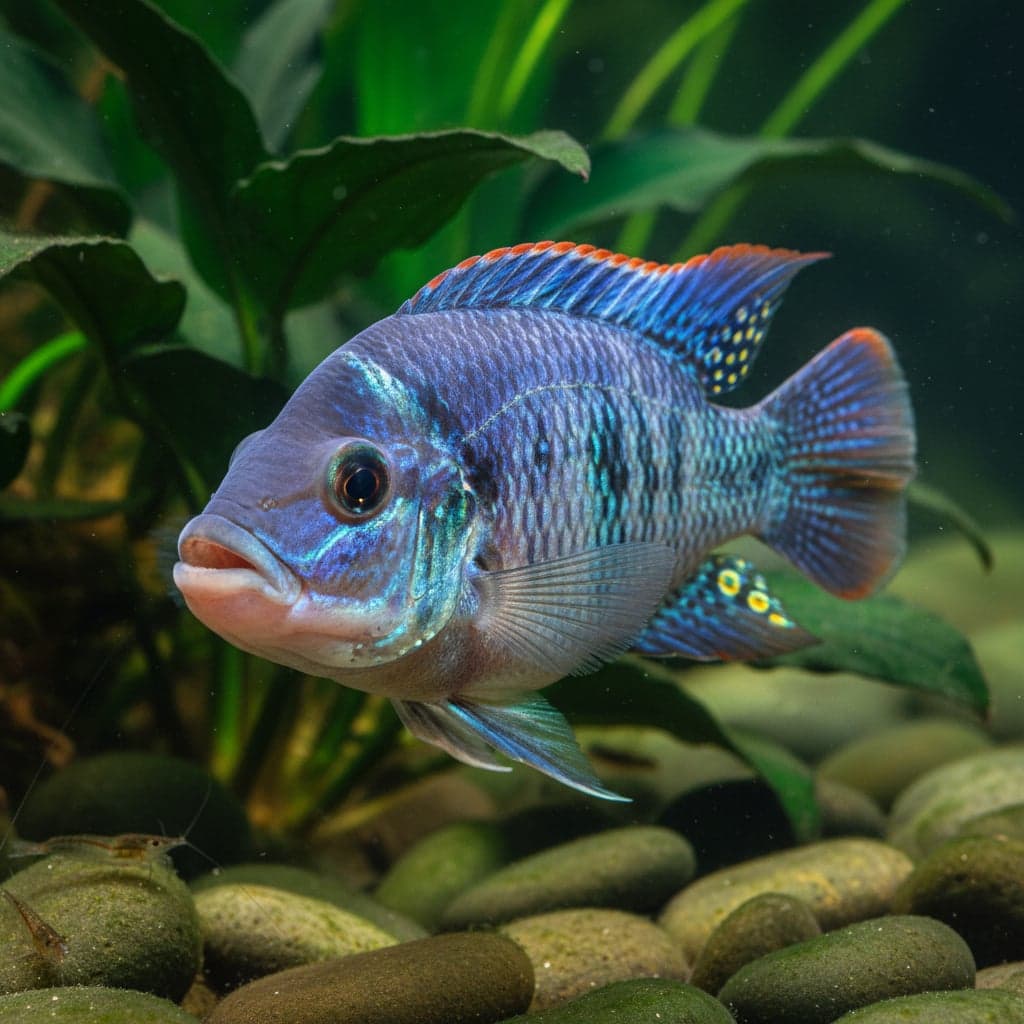
Blue Orchid Peacock: Aulonocara kandeensis
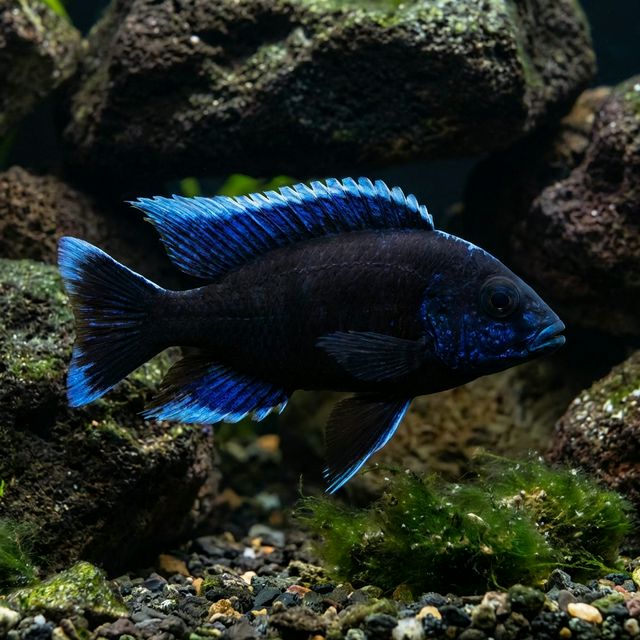
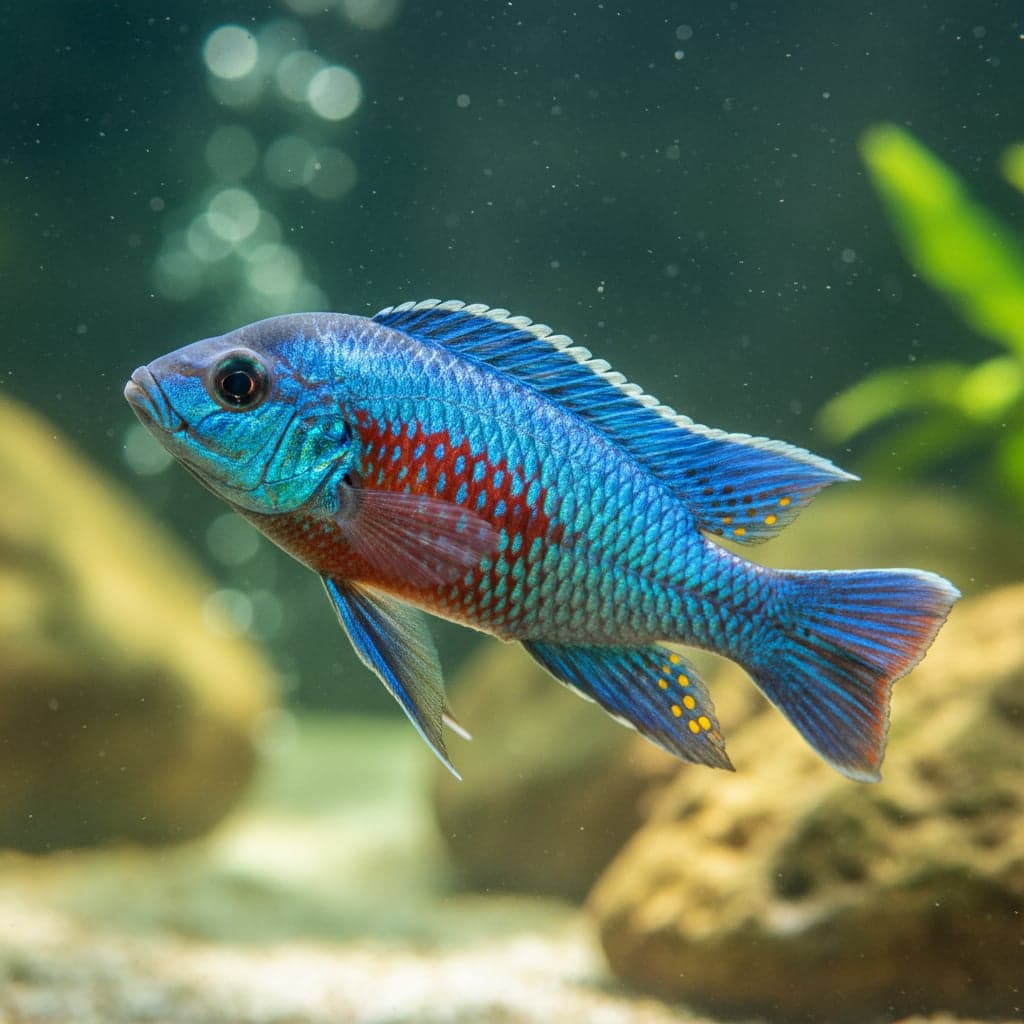
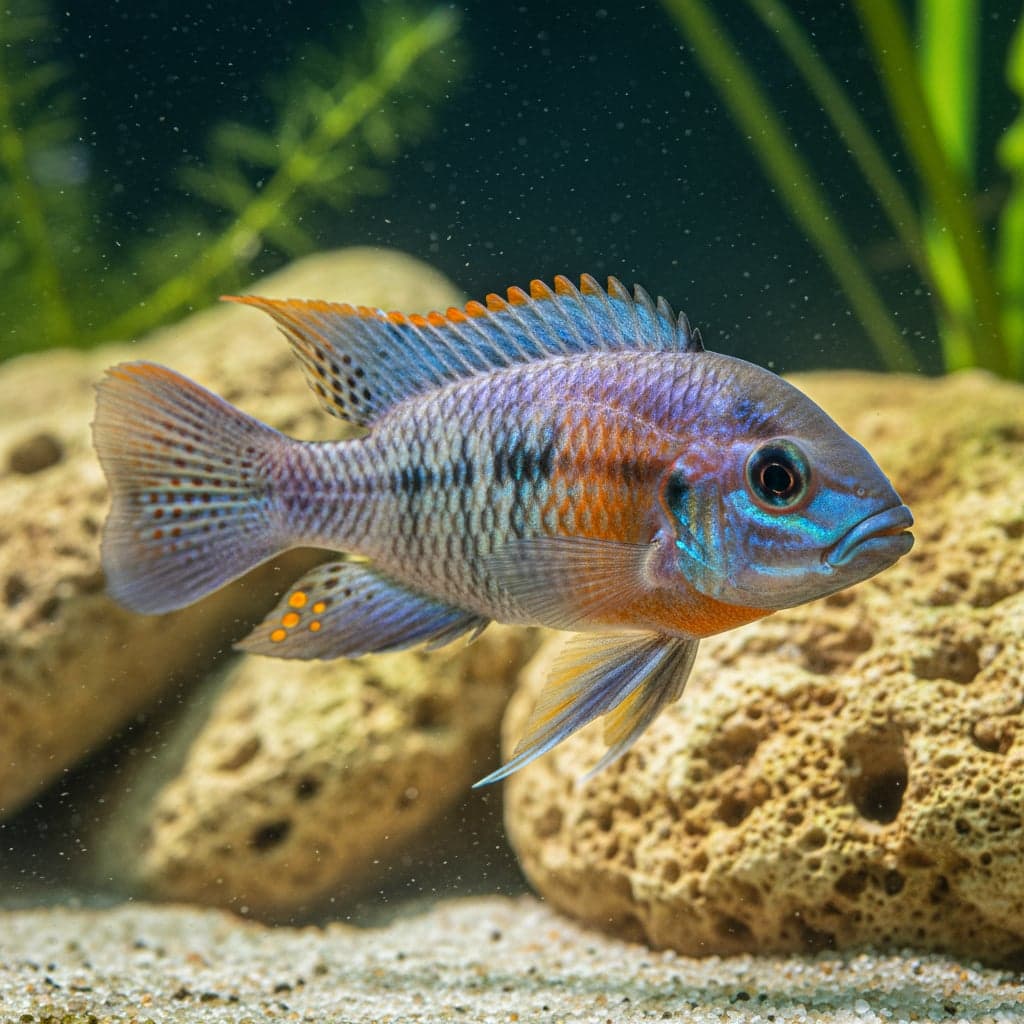
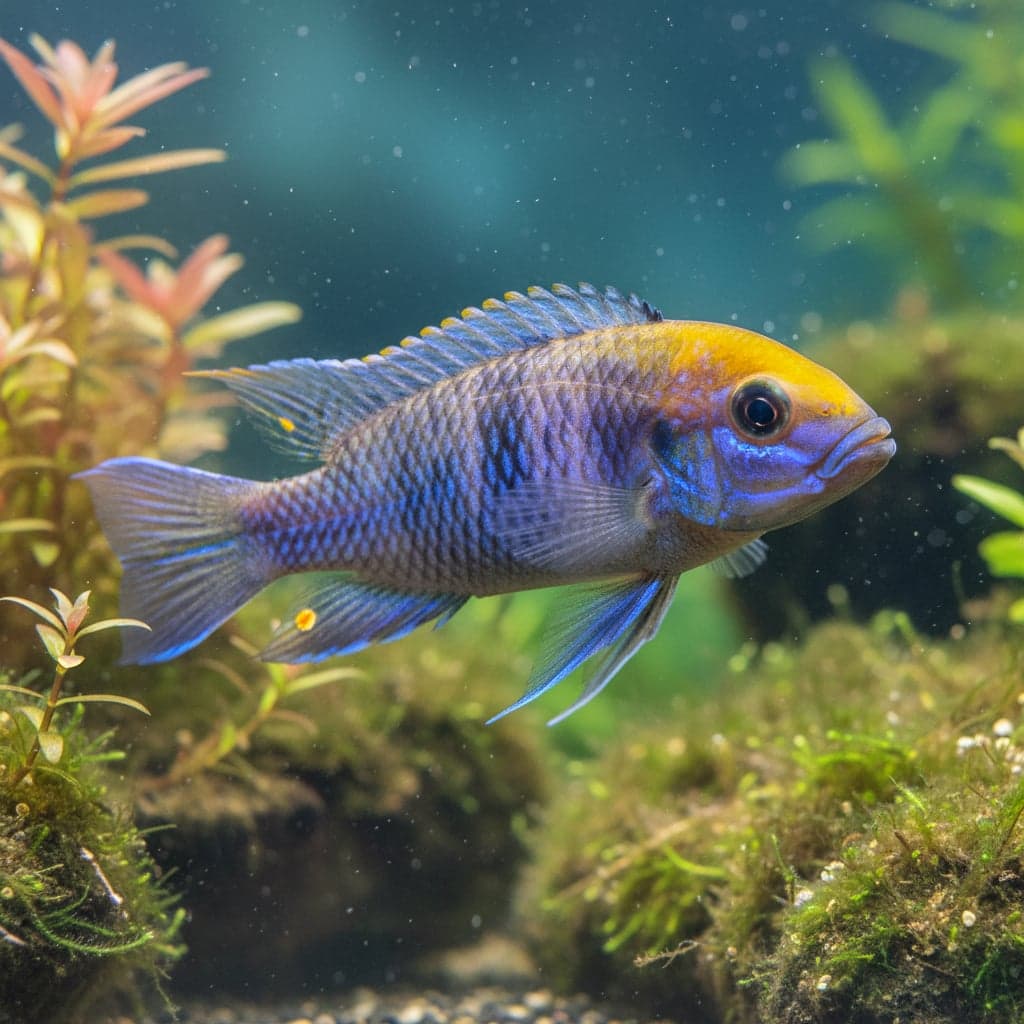
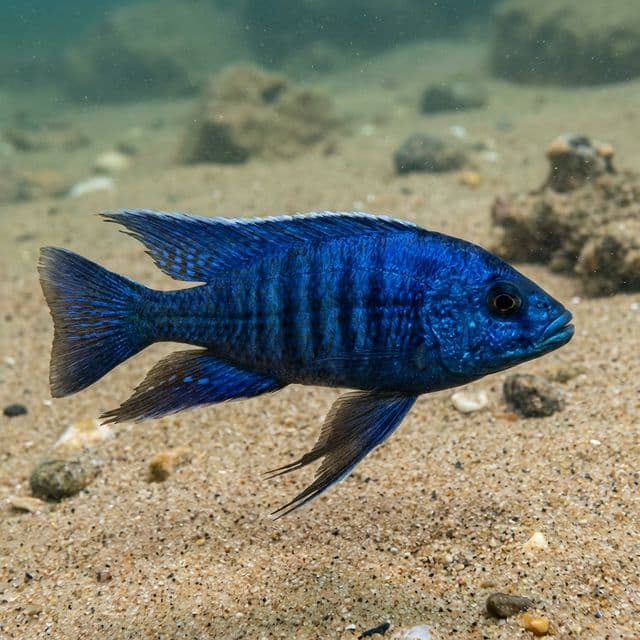
A beautiful Peacock Cichlid from Lake Malawi. Males are deep blue with a white blaze.
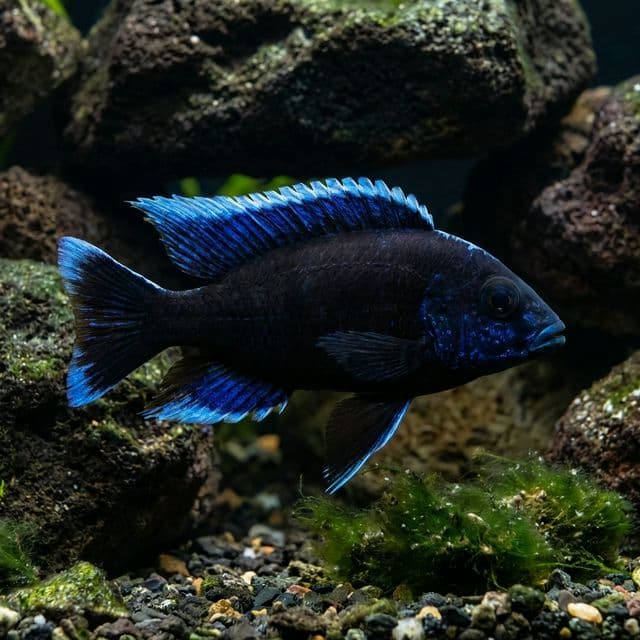
Blue Orchid Peacock
The Blue Orchid Peacock, scientifically known as Aulonocara kandeensis, is a stunningly vibrant cichlid that has quickly become a favorite among aquarists. Originating from the rocky shores of Lake Malawi in East Africa, this species showcases an array of striking colors that can captivate any aquarium enthusiast. The males exhibit a breathtaking combination of blue body coloration complemented by iridescent yellow and orange accents, creating a visual spectacle that stands out in any aquatic environment. Their exuberant coloration and unique patterns not only enhance the aesthetic appeal of freshwater tanks but also symbolize the rich diversity of cichlid species.
The significance of the Blue Orchid Peacock extends beyond its visual appeal. This species plays a crucial role in the aquarium hobby, notably due to its relatively peaceful temperament compared to other cichlids. It is an excellent choice for both novice and experienced aquarists looking to establish a dynamic community tank. As such, the Blue Orchid Peacock serves not just as a beautiful addition to an aquarium but also as an ambassador for the broader awareness of cichlid conservation, providing insight into the natural habitat and ecological challenges faced by these captivating fish.
Natural Habitat & Origin
The Blue Orchid Peacock is native to the malachite waters of Lake Malawi, one of Africa’s largest and oldest lakes. This region is characterized by an intricate mosaic of rocky substrates and sandy bottom areas which provide a perfect habitat for these vibrant cichlids. The clear waters of Lake Malawi allow sunlight to penetrate easily, fostering a rich biodiversity within the lake. As a species that thrives in specific ecological niches, the Blue Orchid Peacock prefers areas where it can find shelter among rocks and interact with various other aquatic species, thus exemplifying the intricate balance of community life in its natural environment.
In their natural habitat, these fish inhabit depths ranging from 3 to 20 meters, typically favoring regions with complex structures that provide protection and breeding sites. The water in which they are found is generally alkaline, characterized by a pH level ranging from 7.5 to 8.5, with temperatures between 24°C to 28°C (75°F to 82°F) and moderate hardness levels. Understanding these conditions is essential for hobbyists aiming to replicate the Blue Orchid Peacock's natural environment in captivity, ensuring the health and vibrancy of these remarkable fish.
Care Requirements
To successfully care for the Blue Orchid Peacock, aquarists need to maintain specific water parameters. The ideal pH range for this species is between 7.5 to 8.5, with temperatures kept between 24°C to 28°C (75°F to 82°F). Additionally, the water hardness should ideally fall between 10 to 20 dGH, as this closely mimics their native habitat in Lake Malawi. Regular water changes and efficient filtration are crucial for maintaining water quality and stability, both of which should be monitored to ensure they remain within optimal ranges.
Set up an aquarium of at least 100 gallons (378 liters), considering the Blue Orchid Peacock can grow quite large and requires swimming space. A sandy substrate is recommended to mimic their natural environment while providing a comfortable area for rummaging. Incorporate rocky formations, caves, and hiding spots using aquatic decor like driftwood and artificial plants, allowing the fish to feel secure. Lighting should be moderate; bright enough to showcase their colors but not so harsh that it disrupts their natural behaviors. Adding some aquatic plants is beneficial, though they should be placed thoughtfully to avoid overcrowding.
Diet & Feeding
The Blue Orchid Peacock is primarily an omnivore, which allows for a versatile diet in captivity. In the wild, they feed on a range of small invertebrates, algae, and detritus that they find among the rocks and sandy substrate. In an aquarium setting, a balanced diet is recommended, which can include high-quality flake foods, cichlid pellets, frozen options like brine shrimp, bloodworms, and even occasional live foods such as daphnia or mosquito larvae. It is essential to provide a varied diet to ensure they receive all necessary nutrients and to promote vibrant coloration and optimal health.
Feeding should be conducted two to three times a day, providing only as much food as can be consumed within a few minutes, to prevent excess waste and maintain water quality. Ensuring they also have access to plant matter, such as blanched zucchini or spinach, can enrich their diet and encourage natural grazing behaviors.
Behavior & Temperament
The Blue Orchid Peacock exhibits a generally peaceful temperament, especially in comparison to many other cichlid species. They tend to be relatively non-aggressive but can display territorial behavior, particularly during breeding seasons or if they feel their space is being encroached upon. While they may not form schools like some other fish species, these cichlids do prefer to inhabit social groups, which can be enriched by keeping a harem of females to one male. This not only reduces aggression but also creates a visually stimulating environment in the aquarium.
In terms of vertical placement, Blue Orchid Peacocks are often found swimming mid to upper levels of the tank. They enjoy exploring rocky landscapes, utilizing caves and hiding spots created within the tank, while still displaying attention-grabbing behaviors like courtship displays. Monitoring social interactions and giving them space can help foster a calm community atmosphere within the aquarium.
Tank Mates
When selecting tank mates for the Blue Orchid Peacock, it is important to choose species that can coexist harmoniously without being overly aggressive or timid. Ideal companions include other Malawi cichlids such as the Yellow Lab (Labidochromis caeruleus) and various species of other peacocks, balancing the ecosystem with diverse colors and behaviors. Additionally, bottom dwellers like the Botia lohachata or some varieties of catfish can complement the habitat without competing for space.
Conversely, species to avoid include highly aggressive cichlids, such as those from the Genus Haplochromis or overly large fish that could pose a threat or stress the peacock. Similarly, very small fish may be viewed as potential prey. Maintaining a tank with similar temperament levels is essential for preventing hostility and ensuring a thriving community.
Breeding
Breeding Blue Orchid Peacocks in captivity can be a rewarding experience and is best achieved by simulating their natural conditions. Males will typically perform elaborate courtship displays to attract females, showcasing their vibrant colors and engaging in specific swimming patterns. Optimal breeding conditions include slightly elevated water temperatures (around 26°C to 30°C or 79°F to 86°F) along with stable water parameters.
Creating a breeding environment can be assisted by providing secluded areas with rocky structures where females can feel safe to lay eggs. After spawning, which typically occurs in caves or flat surfaces, the female incubates the fertilized eggs in her mouth for about 21 days until they hatch into fry, at which point the fry can be released to explore their surroundings. Care should be taken to provide proper nutrition for both parents and their offspring during this time.
Common Health Issues
Blue Orchid Peacocks are generally hardy fish, but like all aquarium species, they can develop health issues if kept in less than ideal conditions. Common diseases include ich (Ichthyophthirius multifiliis), fin rot, and swim bladder disorders. Ich is particularly prevalent in stressed environments; thus, maintaining stable hard, alkaline water, strong filtration, and a varied diet greatly reduces risk. Quarantine new fish, avoid overcrowding, and watch for white spots, frayed fins, or buoyancy problems. Prompt care and consistent Malawi-style parameters keep Blue Orchid Peacocks colourful and resilient.