Blue Orfe: Leuciscus idus
A blue active shoaling fish for ponds. Too active for most aquariums.
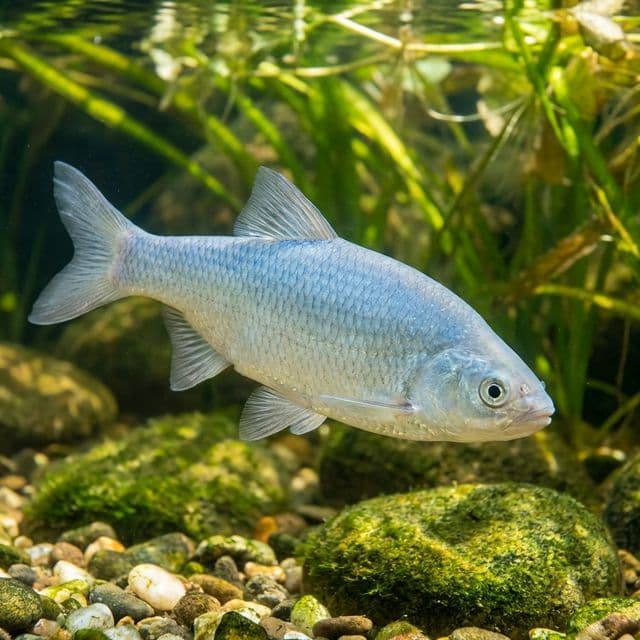
Blue Orfe
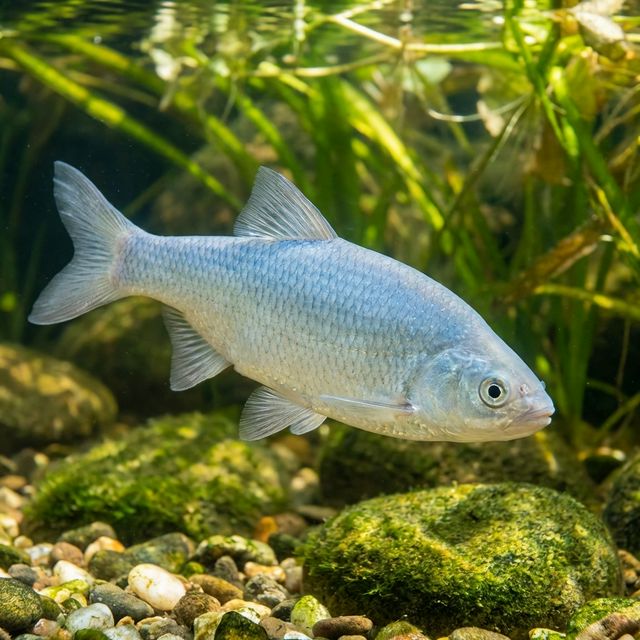
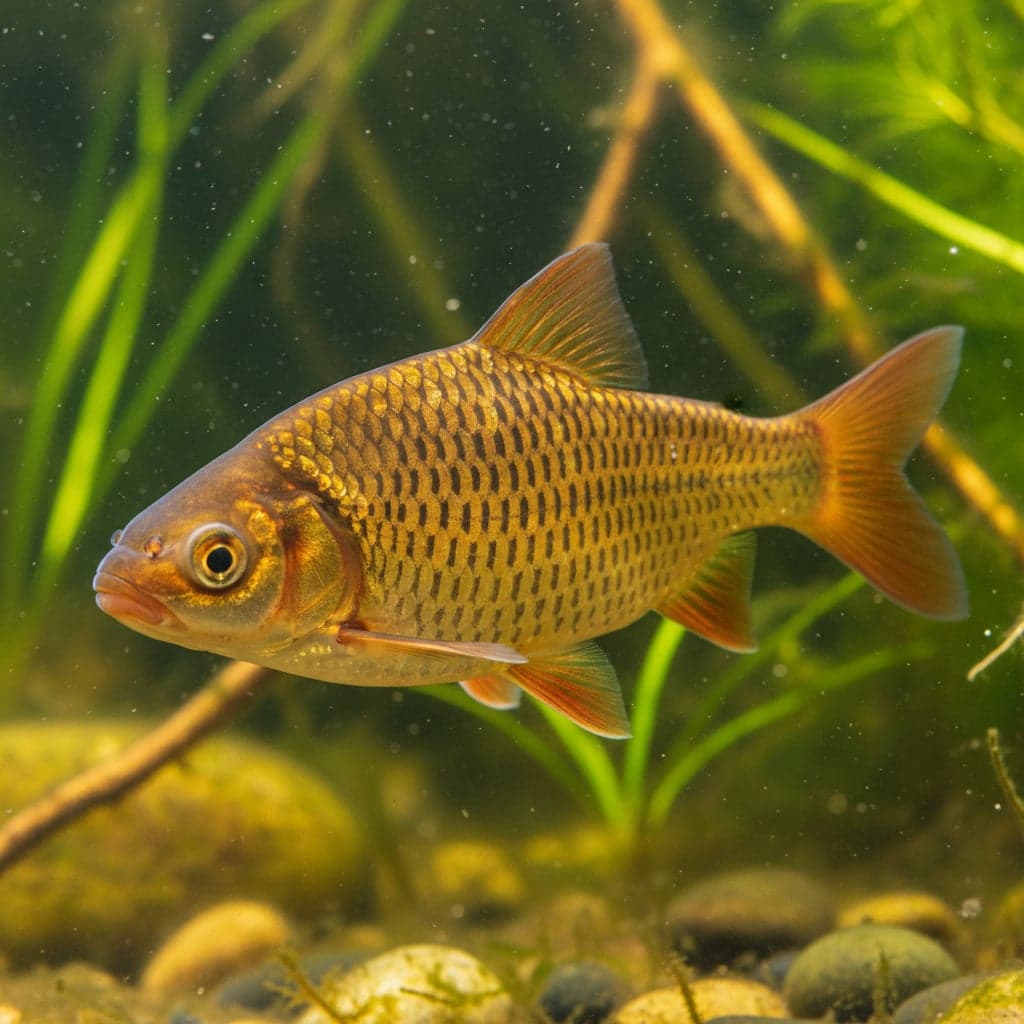
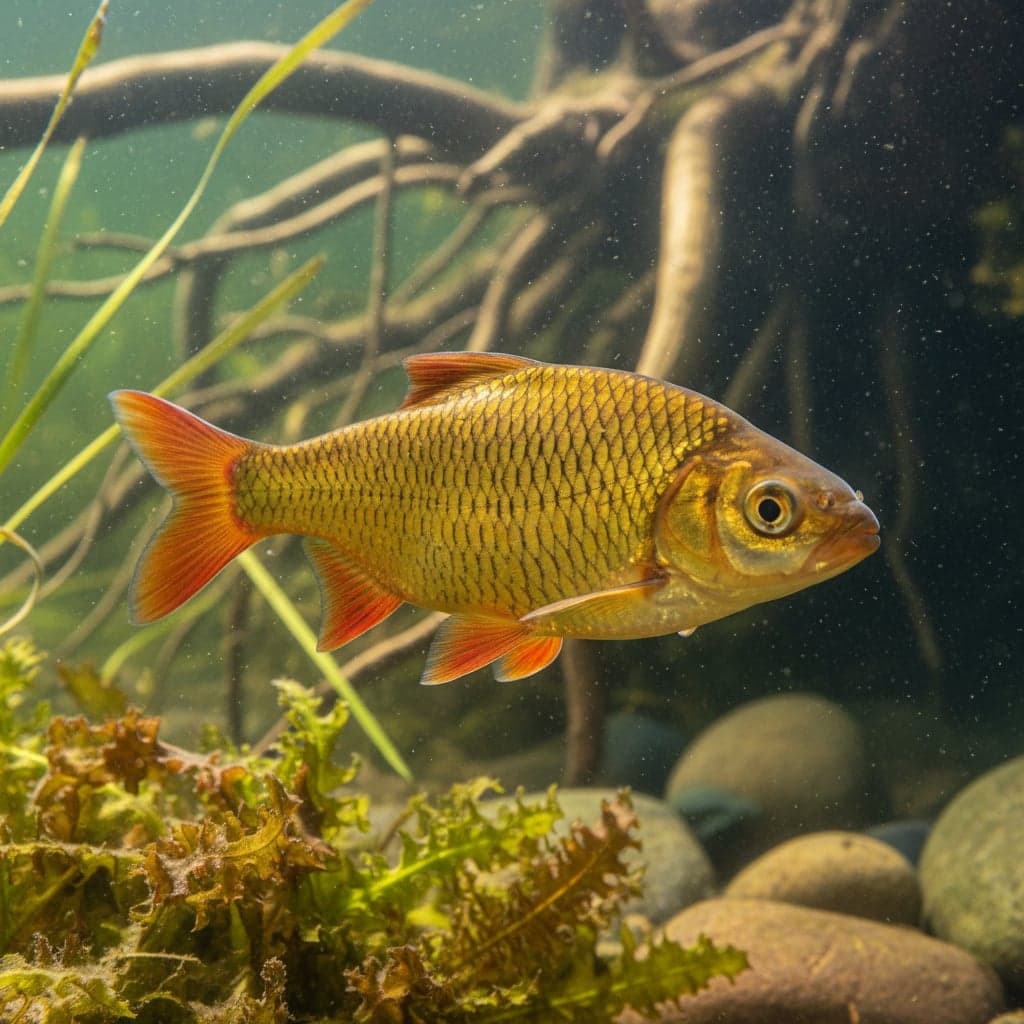
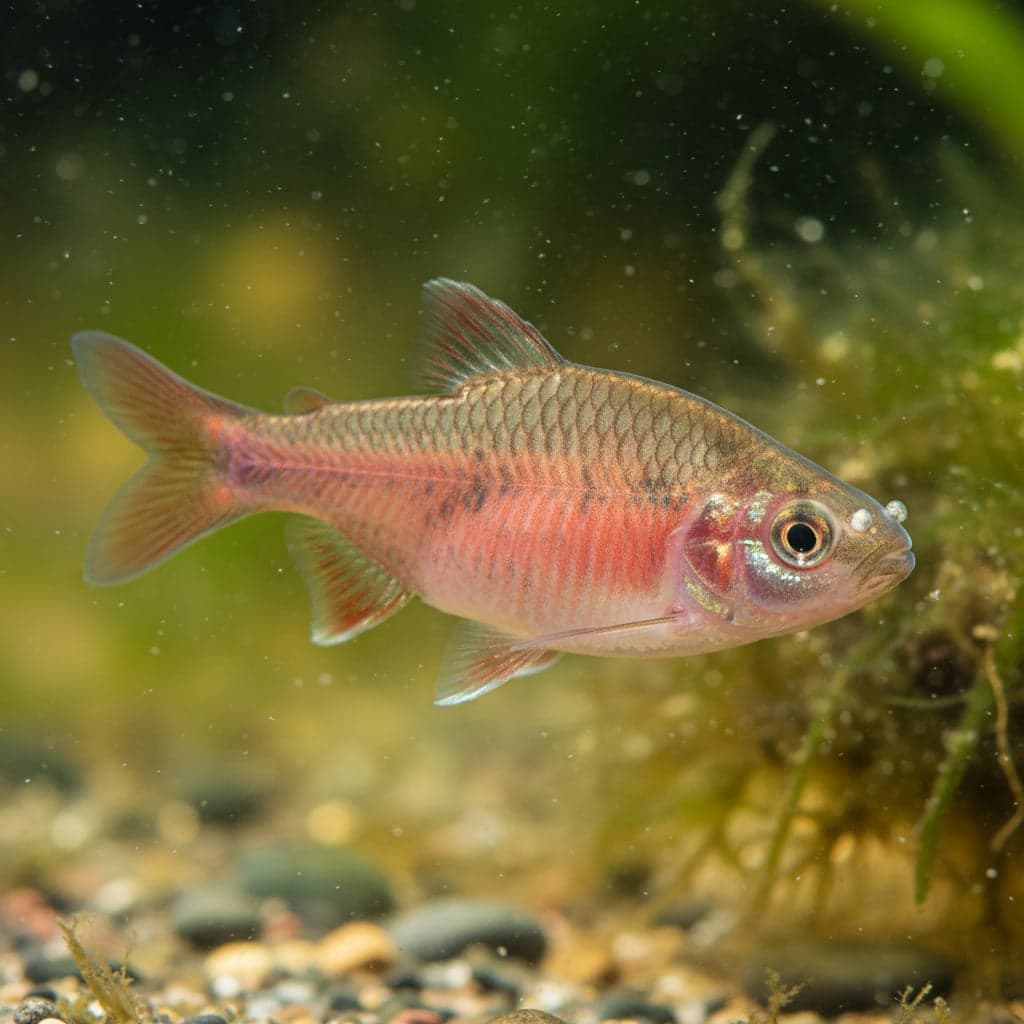
The Blue Orfe, scientifically known as Leuciscus idus, is a captivating freshwater fish that adds a unique charm to any aquarium. Renowned for its vibrant blue to greenish-blue coloration, often highlighted with shimmering silvery scales, the Blue Orfe is an eye-catching species that breeds both admiration and affection among aquarists. Its streamlined body and graceful movements not only contribute to its aesthetic appeal but also reflect its natural adaptability and resilience. As such, it is a favored choice for ponds and larger community tanks, where it can exhibit its natural behaviors freely.
In the aquarium hobby, the Blue Orfe signifies the joy of keeping hardy species that can thrive in a well-maintained environment. Its lively disposition, coupled with an unpretentious nature, makes it ideal for both novice and experienced aquarists. Unlike many fish that require intricate care protocols, the Blue Orfe flourishes in a variety of conditions, making it a staple species in many aquarist communities. The species is not just a visual delight but also plays a crucial role in maintaining the ecological balance of aquatic systems, as it helps control algae growth by foraging on detritus and microorganisms.
Natural Habitat & Origin
The Blue Orfe is indigenous to the rivers and lakes of Europe and Asia, where it thrives particularly in the calm waters of slow-moving rivers and ponds. This species is primarily found in clear to slightly turbid water bodies, thriving in nutrient-rich environments that provide ample food sources. They prefer habitats with a good balance of vegetation, which offers shelter and breeding sites. The presence of submersed plants and flowing currents characterizes their natural ecosystem, making it crucial for aquarists to replicate similar conditions within home aquariums to ensure their well-being.
These fish are predominantly spotted in freshwater environments, making them an attractive option for freshwater aquarists. They often occupy a variety of ecological niches, from the banks of slow-moving rivers, where they forage for food, to the open waters of lakes. The Blue Orfe's natural adaptability allows it to handle a range of environmental conditions, making it an excellent candidate for aquarists looking to maintain diverse communities of aquatic life.
Care Requirements
To successfully care for Blue Orfe, it's essential to provide them with optimal water parameters. The ideal pH level for the aquarium should range between 6.5 to 8.0, with a temperature consistently maintained between 18°C to 24°C (64°F to 75°F). They thrive in moderately hard water, typically with a hardness of 10 to 20 dGH. A minimum tank size of 150 liters (around 40 gallons) is recommended, as these fish are active swimmers and require ample space to thrive. Using a fine substrate, like sand or small gravel, can mimic their natural environment while promoting their foraging instincts.
In terms of tank setup, the Blue Orfe appreciates good water movement and aeration, so incorporating a strong filter and water-moving equipment is essential for replicating their natural habitat. Opt for moderate lighting to simulate day and night cycles, and include plenty of plants—both rooted and floating—to provide hiding spots and cover. It's crucial to leave ample open swimming space, as these fish prefer to explore and dart about in their aquatic surroundings.
Diet & Feeding
As omnivores, Blue Orfe have a varied diet that includes both plant matter and protein sources. In the aquarium, they thrive on high-quality flakes and pellets designed for omnivorous fish. Additionally, supplementing their diet with frozen or live foods—such as bloodworms, brine shrimp, and daphnia—can enhance their coloration and vitality. It's important to incorporate vegetables like blanched zucchini or spinach occasionally, as this adds diversity to their diet and promotes digestive health.
Healthy feeding habits are vital for the well-being of Blue Orfe. To mimic a more natural feeding routine, small portions should be offered one to twice daily, ensuring all food is consumed within a few minutes to prevent water quality issues. Varied feeding will not only keep them healthy but also encourage natural foraging behavior, making mealtime an engaging activity.
Behavior & Temperament
The Blue Orfe is known for its lively and sociable disposition. Being a schooling fish, it is vital to keep them in groups of at least five to maintain their natural behavior and reduce stress levels. They exhibit playful antics and can display a variety of swimming patterns, showing a tendency to dart and dash around the aquarium. Their gentle nature makes them suitable for community tanks, and they generally coexist peacefully with other non-aggressive species.
In terms of tank placement, Blue Orfe primarily occupy the mid to upper levels of the aquarium, frequently surfacing to explore the upper waters. While they are not aggressive, it is essential to monitor their interactions with smaller fish to ensure that no bullying or stress occurs, especially during feeding times. Providing a spacious environment can help diminish any potential territorial behavior as they establish their social hierarchy.
Tank Mates
When selecting tank mates for Blue Orfe, it's crucial to choose species that share similar temperaments and water requirements. Compatible species include danios, barbs, larger tetras, and other non-aggressive schooling fish. Additionally, peaceful bottom dwellers such as corydoras or loaches can share the tank without conflict. However, it is advisable to avoid keeping them with aggressive or fin-nipping species, such as some cichlids or bettas, as this can cause undue stress and aggression towards the Blue Orfe.
It's also paramount to consider the size of potential tank mates; smaller fish might become targets for fin-nipping or opportunistic feeding. A well-structured community aquarium with adequately sized inhabitants will enhance the overall well-being of the Blue Orfe and promote a harmonious environment.
Breeding
Breeding Blue Orfe in captivity can be a rewarding experience provided suitable conditions are met. To stimulate spawning, it is recommended to condition the fish with high-quality foods and undertake a water change to emulate the onset of spring. Ideal temperatures for breeding range from 20°C to 22°C (68°F to 72°F), and they require a separate, shallow breeding tank with fine-leaved plants or spawning mops for egg deposition.
During the breeding process, males will exhibit brighter colors and increased activity trying to entice females to spawn. Once the eggs are laid, it's essential to remove the parents, as they may consume their own eggs. The eggs will typically hatch within 3 to 5 days, depending on the water temperature. Providing a gentle current and infusoria or finely crushed flakes for the fry will support their growth in the initial stages.
Common Health Issues
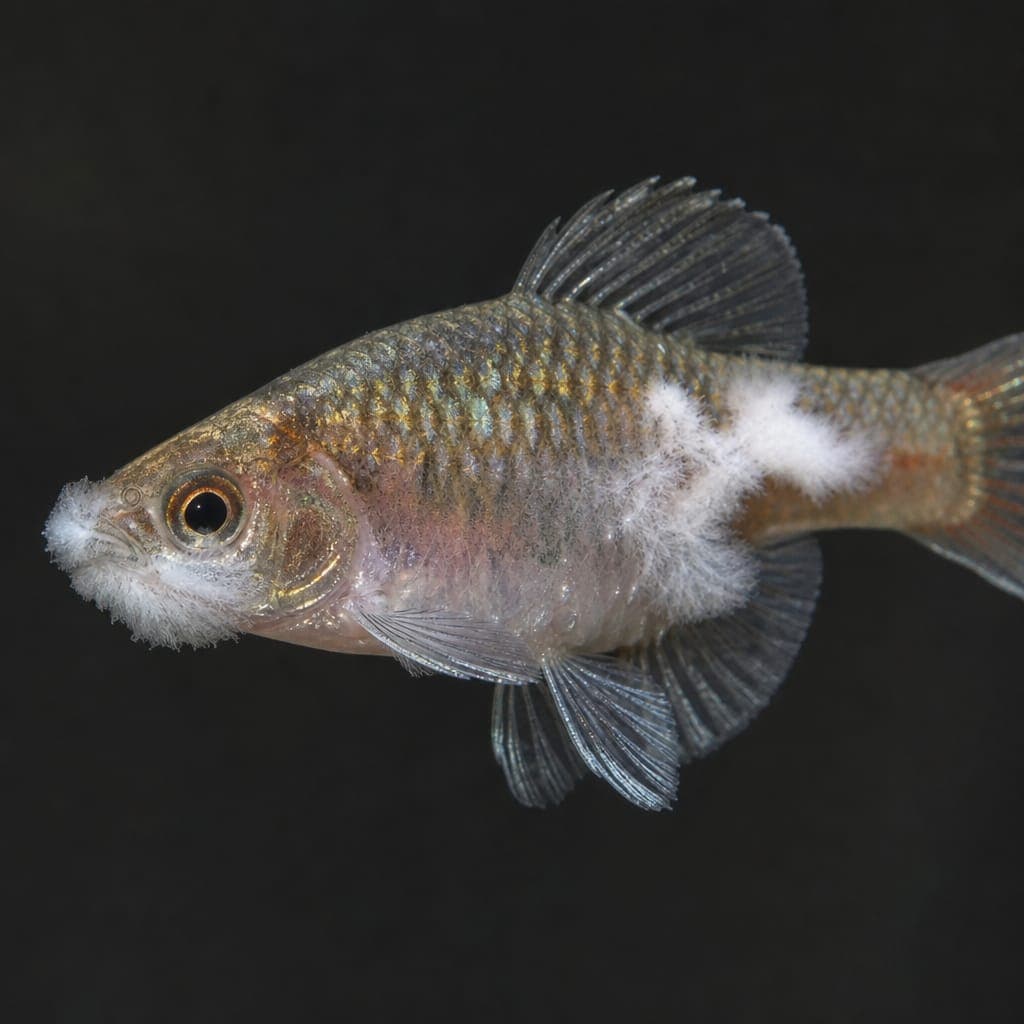
Like all aquarium fish, Blue Orfe can be susceptible to certain health concerns, primarily if water quality is not adequately managed. Common diseases include ich (white spot disease), fin rot, and various fungal infections. Maintaining a stable environment with optimal water parameters will go a long way in preventing these issues. Regular water changes, tank cleanings, and a balanced diet can help bolster their immune system, reducing the risk of disease.
Furthermore, it’s advisable to periodically monitor the fish for any signs of stress or aggression that may lead to injuries. In cases where health problems are suspected, isolating affected fish and treating them with appropriate medications can ensure the swift recovery of your Blue Orfe while safeguarding the health of the rest of the pond or aquarium community. Quarantine new arrivals, avoid overcrowding, and keep cool, well-oxygenated water with strong filtration. A varied diet supports immunity in these active cyprinids. Watch for white spots, frayed fins, clamped fins, or lethargy, and treat promptly. With stable parameters, cool oxygenated water, and attentive care, Blue Orfe remain hardy, lively swimmers that thrive for many years.