Blue Panaque L239: Baryancistrus beggini
A stunning blue pleco that is small and manageable. A grazing omnivore.
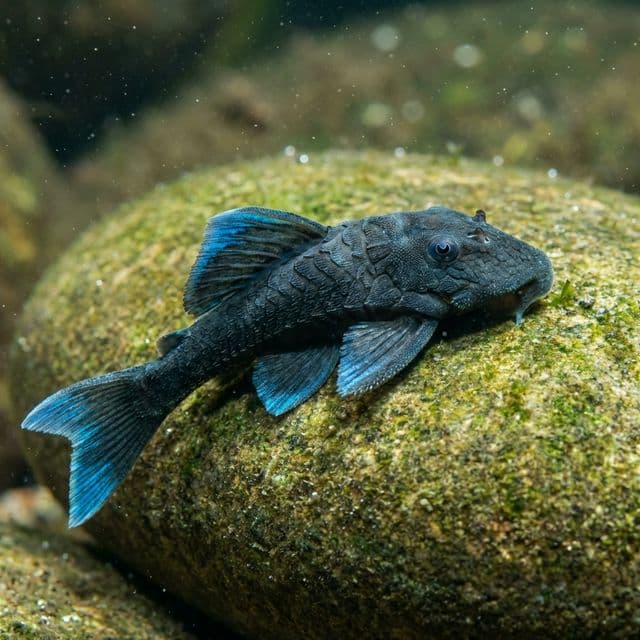
Blue Panaque L239
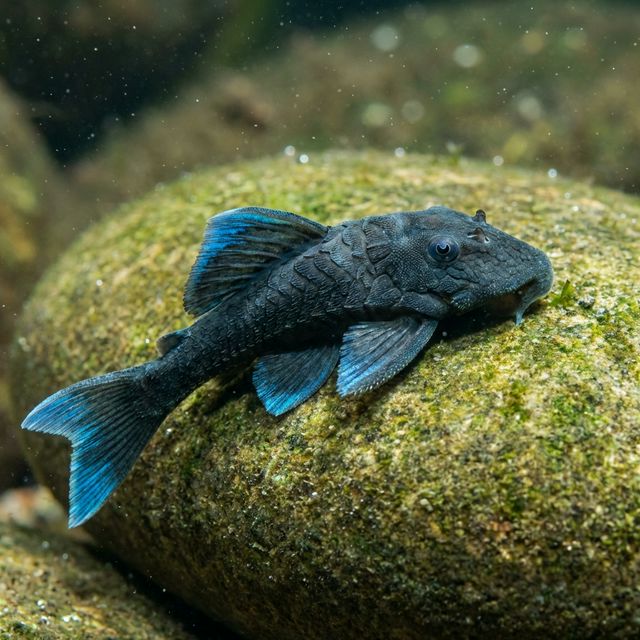
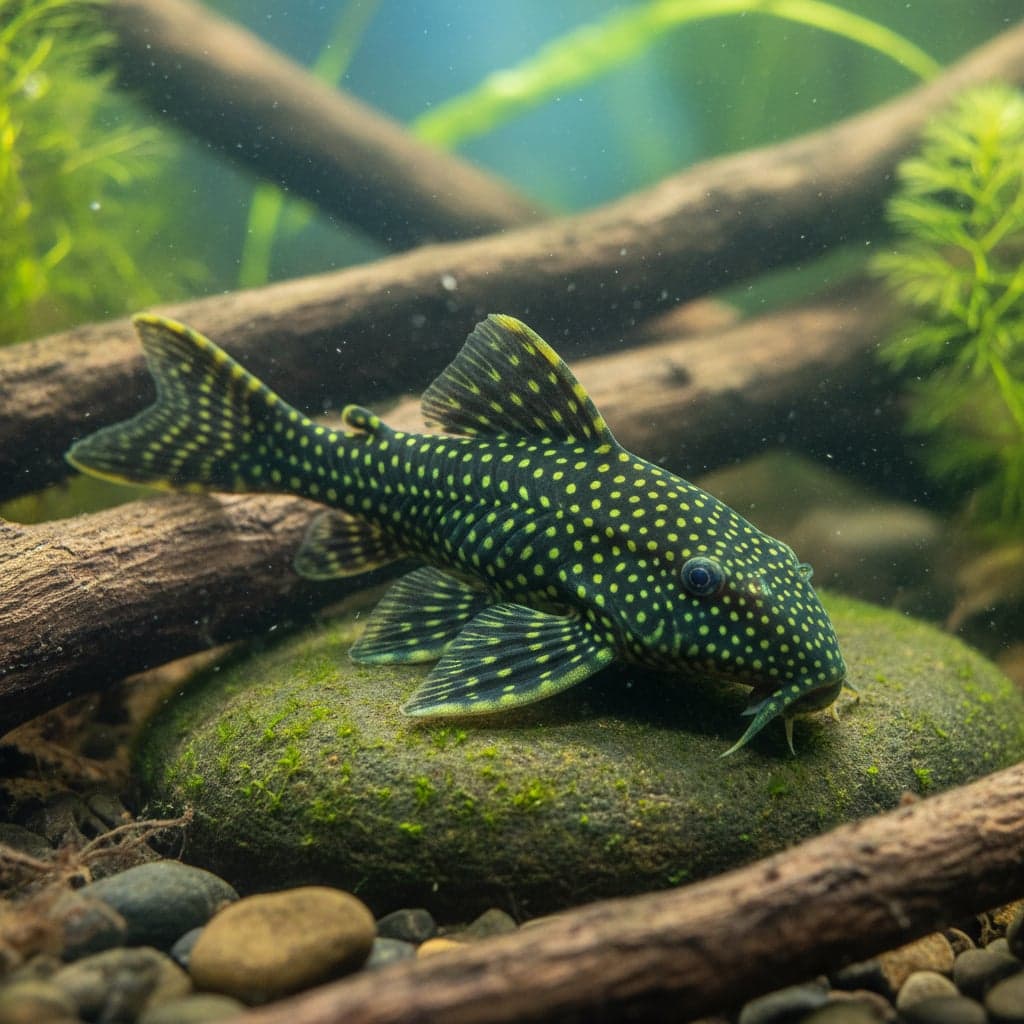
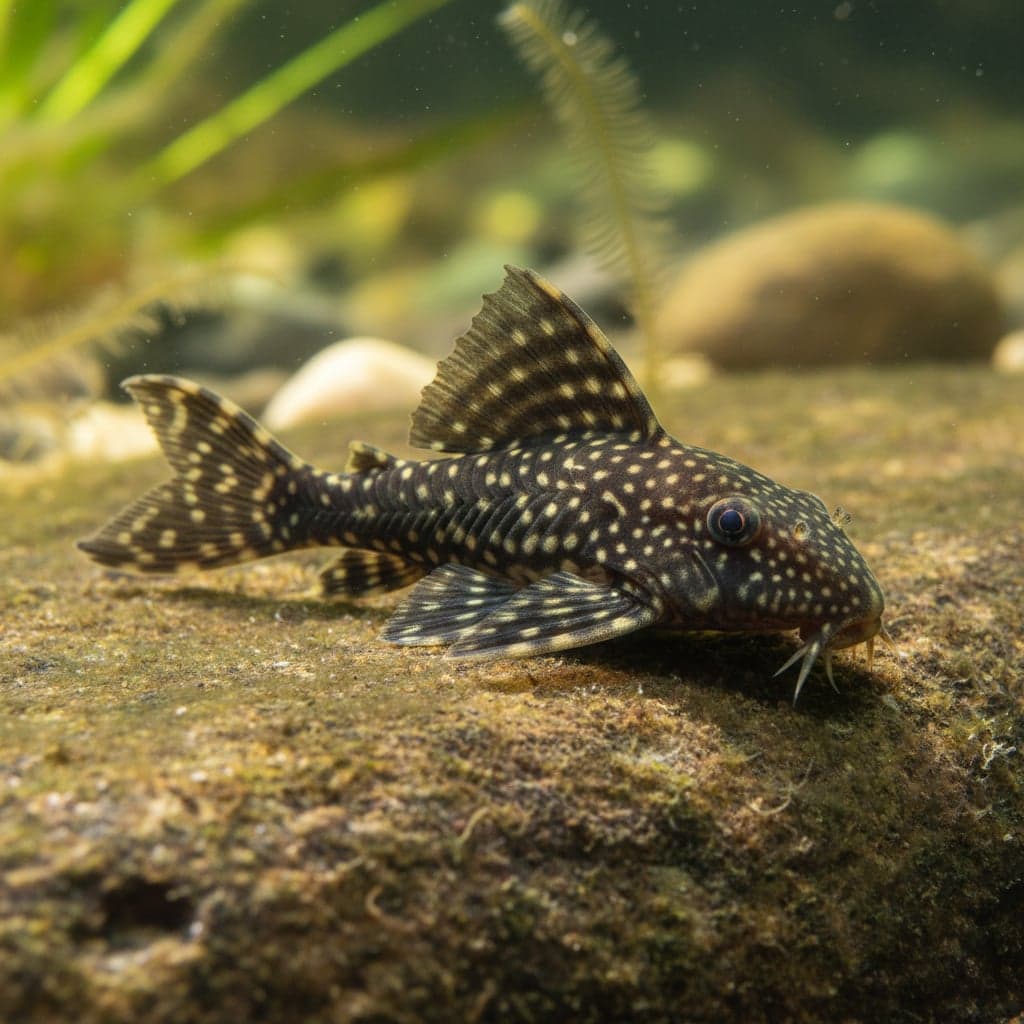
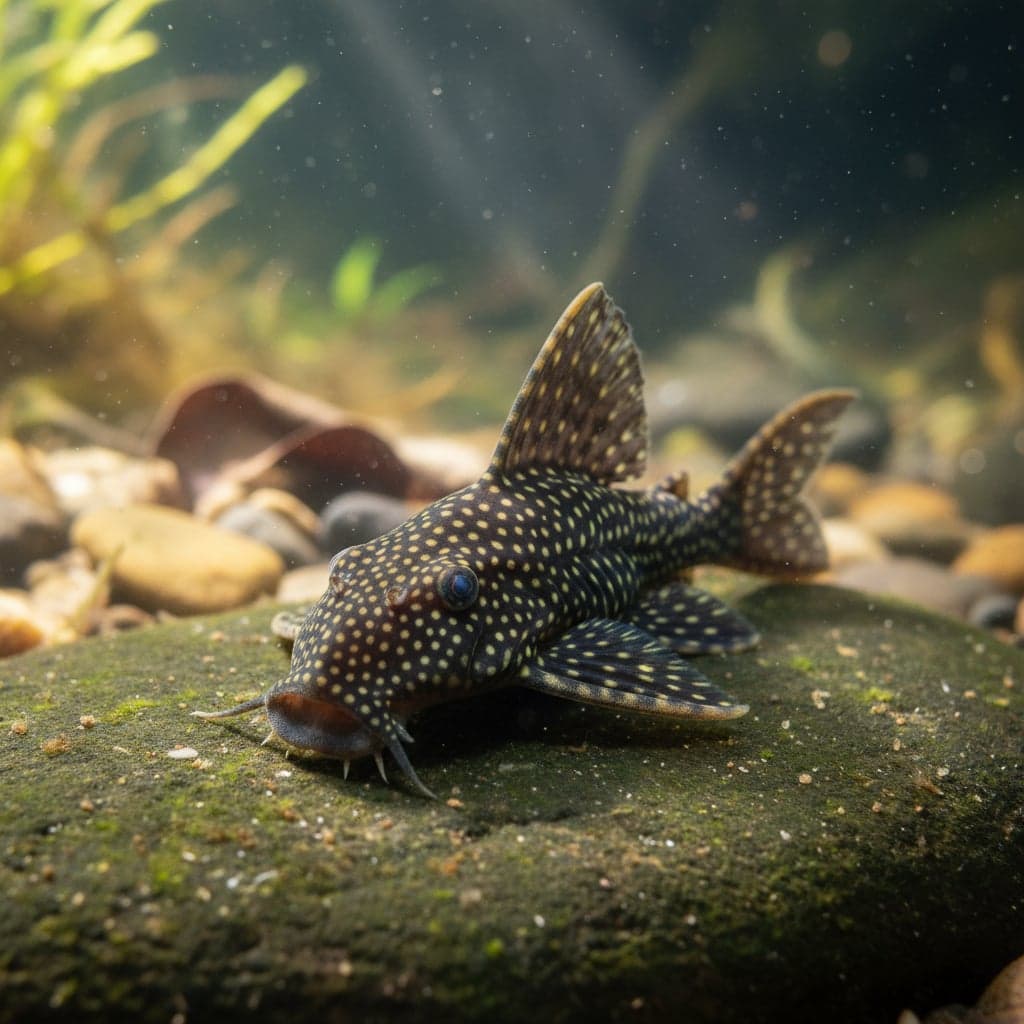
The Blue Panaque L239, scientifically named Baryancistrus beggini, is a stunning species of catfish that has captured the hearts of aquarium enthusiasts. This freshwater fish is renowned not only for its striking coloration, which includes a rich blue hue with intricate patterns, but also for its unique morphological features, including a robust body and delicate bristles on its snout. This visual appeal makes the Blue Panaque L239 a popular choice for both novice aquarists and seasoned hobbyists looking to enhance their aquatic displays. Its aesthetically pleasing appearance and interesting behavior contribute to its significance in the aquarium hobby, as it serves as a highlight in community tanks or biotope setups.
In addition to its beauty, the Blue Panaque L239 plays an important role in the ecosystem of the aquarist's tank. As a species that specializes in consuming wood, this catfish assists in the breakdown of lignin and cellulose found in driftwood, promoting a balanced environment. This ecological function, coupled with its gorgeous coloration and relatively peaceful temperament, ensures that the Blue Panaque L239 remains a staple among fish keepers looking to create a dynamic and lush underwater habitat.
Natural Habitat & Origin
The Blue Panaque L239 hails from the Amazon Basin, specifically in regions of northern Brazil. It is typically found in slow-moving streams and rivers, where the waters are characterized as blackwater, enriched with tannins from decaying leaves and organic materials. This environment is crucial to the fish's well-being, as it supports the development of beneficial bacteria and offers natural cover. These habitats are often shaded by dense foliage, which provides a dimly lit environment conducive to the Blue Panaque L239's lifestyle. Understanding the natural habitat of this fish is essential for replicating its needs in a home aquarium.
The geological and ecological diversity of the Amazon affects the water quality and composition in which this species thrives. Typically, the waters inhabited by the Blue Panaque L239 have a low pH (around 5.5 to 7), low to moderate hardness, and temperatures ranging from 24°C to 30°C (75°F to 86°F). Ensuring that these parameters are met is paramount for the health and longevity of the Blue Panaque in captivity.
Care Requirements
To properly care for the Blue Panaque L239, it is essential to replicate the natural conditions of its habitat. The minimum tank size should be at least 150 liters (approximately 40 gallons) to accommodate its growth, as these fish can reach lengths of 8-10 cm (3-4 inches). The substrate should consist of soft, sandy material or smooth gravel to prevent injury to its sensitive undersides. Additionally, providing ample driftwood is crucial, not only for its dietary needs but also for creating hiding spots that mimic its natural environment.
Lighting in the aquarium should be subdued, emulating the low-light conditions of its native habitat. Adding plants like Anubias, Java fern, or floating plants can help create shaded areas while also enhancing the aesthetic appeal of the tank. Water parameters must be closely monitored, maintaining a pH level between 5.5-7, a temperature range of 24°C-30°C (75°F-86°F), and soft to medium hardness (2-10 dGH). Regular water changes and appropriate filtration systems are essential for maintaining optimal water quality.
Diet & Feeding
The Blue Panaque L239 is primarily an herbivorous fish, with a significant preference for wood-based materials in its diet. However, it is considered an omnivore and will benefit from a varied diet to promote optimal health. In addition to the natural cellulose derived from driftwood, it should be offered high-quality sinking pellets specifically formulated for herbivorous species. Supplementing with blanched vegetables, such as zucchini, spinach, or cucumber, can provide essential nutrients.
For a balanced diet, consider offering frozen or live foods occasionally, like bloodworms, brine shrimp, or daphnia. This not only enhances their growth but also encourages natural foraging behaviors. It is crucial to avoid overfeeding, as excess food can lead to water quality degradation, which can adversely affect the health of the Blue Panaque L239.
Behavior & Temperament
The Blue Panaque L239 is known for its peaceful temperament, making it a suitable addition to a community aquarium. While generally calm, it is essential to note that it does enjoy its space and may exhibit some territorial behavior, especially towards members of its own species. They are primarily bottom-dwellers, often found resting on decor or hovering near the substrate, but they may also explore the middle levels of the tank at times.
It's beneficial to maintain a group of Blue Panaque L239s to encourage social behaviors; however, it's important to provide ample room and hiding spots to minimize conflicts. This species will also thrive in tanks with plenty of driftwood and caves, as it requires these structures for hiding and resting, thus reflecting their natural social habits.
Tank Mates
When selecting tank mates for the Blue Panaque L239, it's vital to choose species that share similar environmental needs and are peaceful in temperament. Compatible tankmates include various tetras, rasboras, and other peaceful catfish such as Otocinclus and Corydoras. Larger community fish like angelfish or rainbowfish can also work well, provided they are not overly aggressive.
However, it is advisable to avoid housing the Blue Panaque L239 with aggressive or large predatory fish such as cichlids, which may view them as prey. Additionally, smaller species that may be harassed or outcompeted for food should also be avoided to ensure a harmonious community.
Breeding
Breeding Blue Panaque L239 in captivity can be a challenge, as it requires specific conditions. During the breeding season, males will establish territories, and they may display courting behavior by chasing females or performing elaborate swimming displays. To encourage breeding, provide a well-maintained tank with optimal water parameters, including a slightly lower pH and increased temperature.
Spawning typically occurs in caves or under driftwood. The male tends to guard the eggs, which may number in the hundreds, until they hatch. After hatching, fry will be free-swimming within a few days, during which time they will require finely crushed flakes or special fry food to thrive. Ensuring a stable environment with minimal disturbances is crucial for post-spawning success.
Common Health Issues
Like many aquarium fish, the Blue Panaque L239 may experience common health issues, including ich, fin rot, and swim bladder disorders. Preventative measures include maintaining proper water quality, routine tank maintenance, and avoiding overcrowding, which can lead to stress and disease outbreaks. Regularly observing your fish for changes in behavior or appearance can help catch issues early.
Another significant health consideration is to ensure a varied diet that enhances immunity and overall health. Additionally, providing a stable environment and avoiding abrupt changes in water conditions can minimize stress and the risk of disease. By adhering to these preventative measures, hobbyists can help ensure the longevity and health of their Blue Panaque L239.