Blue Panchax: Aplocheilus panchax
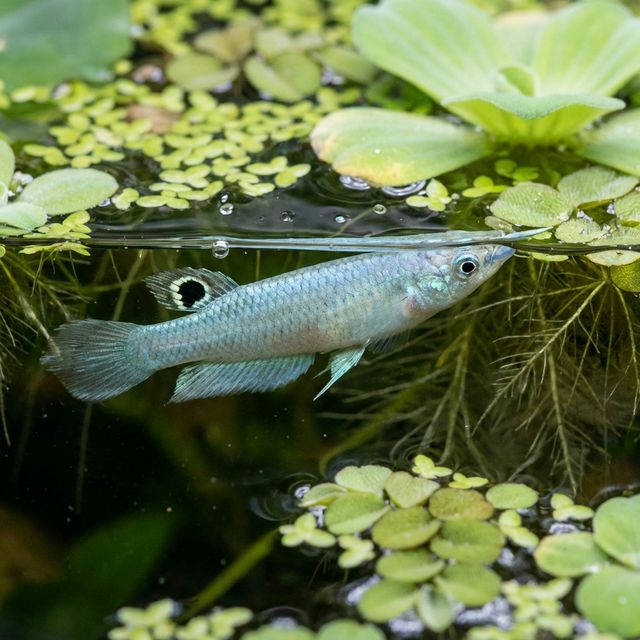
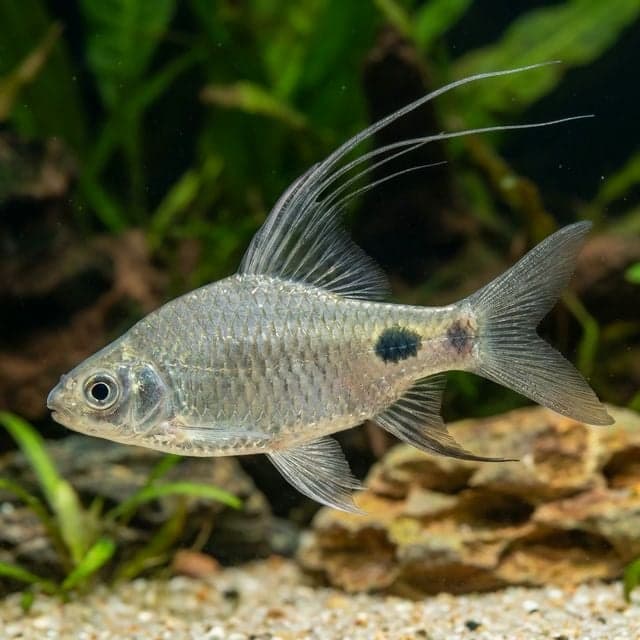
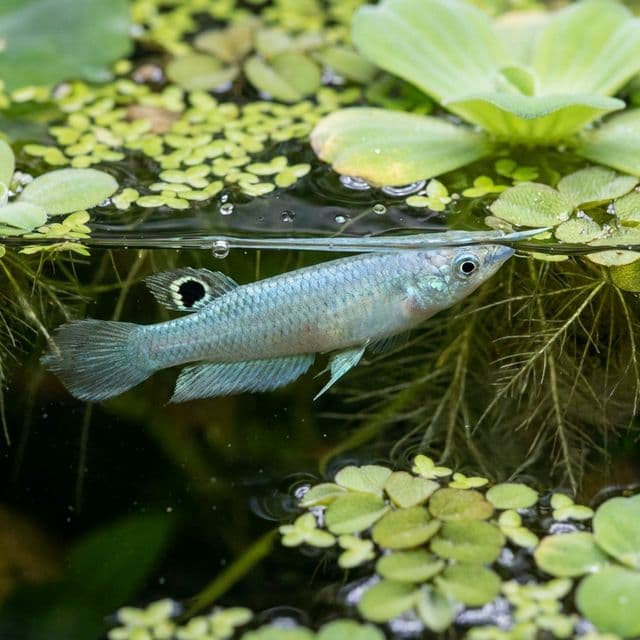
A surface-dwelling killifish with a bright white spot on its head. A predator of insects and small fish.
Blue Panchax
The Blue Panchax, scientifically known as Aplocheilus panchax, is a small and visually stunning fish native to the freshwater environments of South Asia, particularly the coastal regions of India and Sri Lanka. This species is particularly adored in the aquarium hobby for its striking color and active swimming patterns. The males exhibit iridescent blue markings, especially vibrant during the breeding season, while females present a more subdued color palette. These shimmering scales not only enhance the aesthetic appeal of home aquariums but also draw the attention of seasoned aquarists and newcomers alike.
In the context of the aquarium hobby, the Blue Panchax stands out for its adaptability and ease of care, making it an ideal choice for both beginner and experienced enthusiasts. Its vibrant coloration and lively behavior contribute to a dynamic and engaging environment within a community tank, while its relatively peaceful demeanor allows it to coexist harmoniously with various other species. Aside from its visual appeal, the Blue Panchax symbolizes the diversity found within freshwater ecosystems, serving as a reminder of the importance of preserving natural habitats in the face of environmental challenges.
Natural Habitat & Origin
The Blue Panchax is indigenous to the shallow freshwater bodies of India and Sri Lanka, frequently inhabiting swampy areas, ditches, and rice paddies with abundant vegetation. These environments are typically characterized by slow-moving or stagnant waters that can be classified as blackwater due to the presence of decaying organic materials. The water in these regions tends to be soft and slightly acidic, leading to a unique ecological community that Blue Panchax and other species have adapted to thrive in.
In their natural habitat, the Blue Panchax can be found swimming among dense aquatic vegetation, which provides shelter and breeding sites. Understanding their ecological background is crucial for aquarium setups, as replicating their habitat conditions helps maintain the health and vitality of these fish.
Care Requirements
To ensure optimal health and well-being of Blue Panchax in an aquarium setting, specific water parameters and tank conditions should be maintained. The ideal water pH for these fish ranges from 6.0 to 7.5, with a preferred temperature of 24°C to 28°C (75°F to 82°F). Additionally, the water hardness should be kept between 2 to 12 dGH, allowing for conditions that mimic their natural habitat.
For tank setup, a minimum size of 20 gallons is recommended to accommodate a small group of Blue Panchax. The substrate can consist of fine gravel or sand, allowing for easy planting of live vegetation. Providing plenty of aquatic plants—such as Java moss, Anubias, and floating plants—will create an environment that offers hiding spots and open swimming areas essential for their well-being. Moderate lighting is ideal, especially if it is accompanied by shaded areas, which can recreate the dappled sunlight of their native environment.
Diet & Feeding
The Blue Panchax is classified as an omnivore, thriving on a varied diet that includes both plant and animal matter. In captivity, this fish can be fed high-quality flake food, small pellets, and live or frozen foods such as brine shrimp, daphnia, and bloodworms to ensure a well-rounded diet. It’s important to monitor feeding habits and offer food in small portions to avoid overfeeding, which can lead to health issues.
Supplementing the diet with blanched vegetables such as spinach or zucchini can be beneficial, not only for nutritional diversity but also for the psychological stimulation that comes from foraging. Regular feeding should be done two to three times a day, ensuring that all food is consumed within a few minutes to maintain water quality in the aquarium.
Behavior & Temperament
The Blue Panchax exhibits active and curious behavior, making it a lively addition to community aquariums. These fish are social creatures that thrive in small groups, ideally kept in shoals of six or more to promote their natural schooling behavior. They tend to occupy the upper and middle levels of the aquarium, making consistent vertical swimming patterns that add movement and life to the tank.
In terms of aggression, Blue Panchax are generally peaceful fish; however, males can display territorial tendencies during breeding seasons or when competing for resources. It is advisable to maintain a male-to-female ratio of 1:2 or higher to minimize aggressive behavior and stress among the males.
Tank Mates
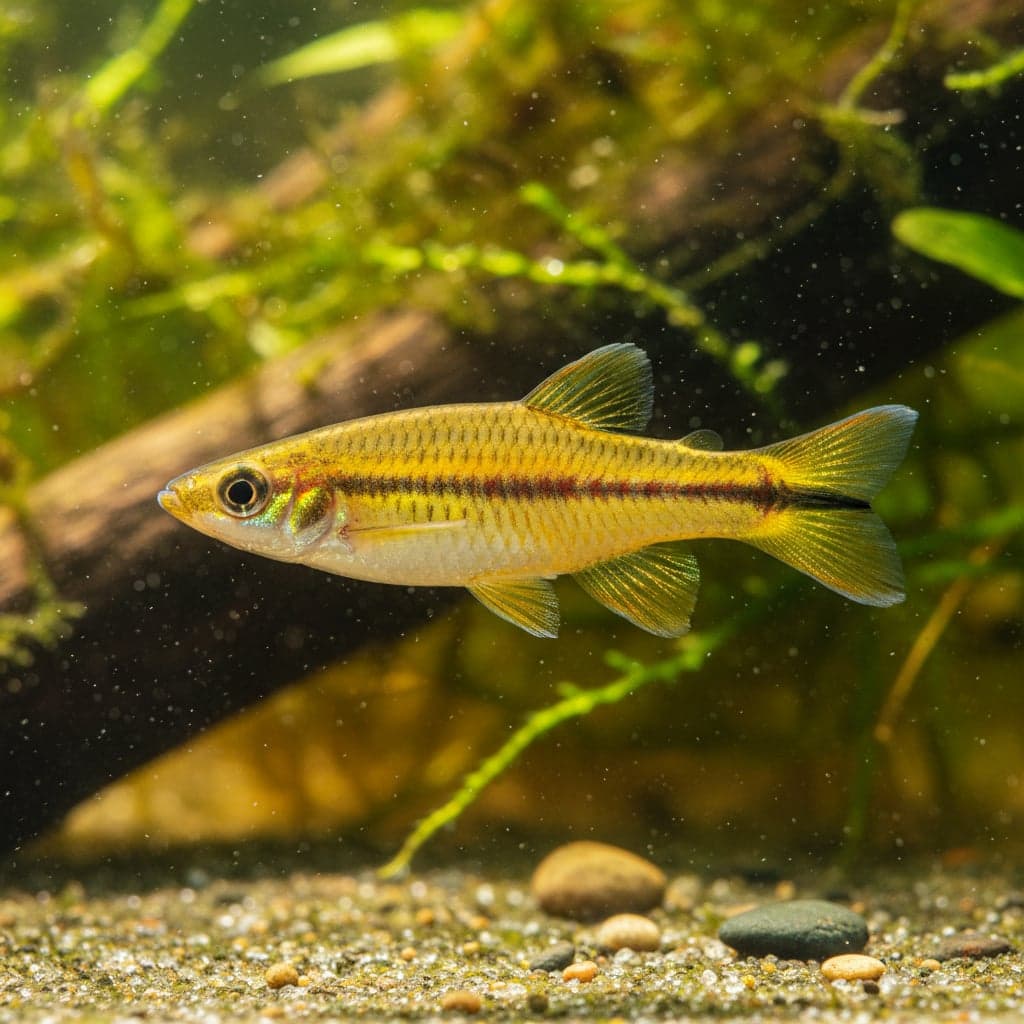
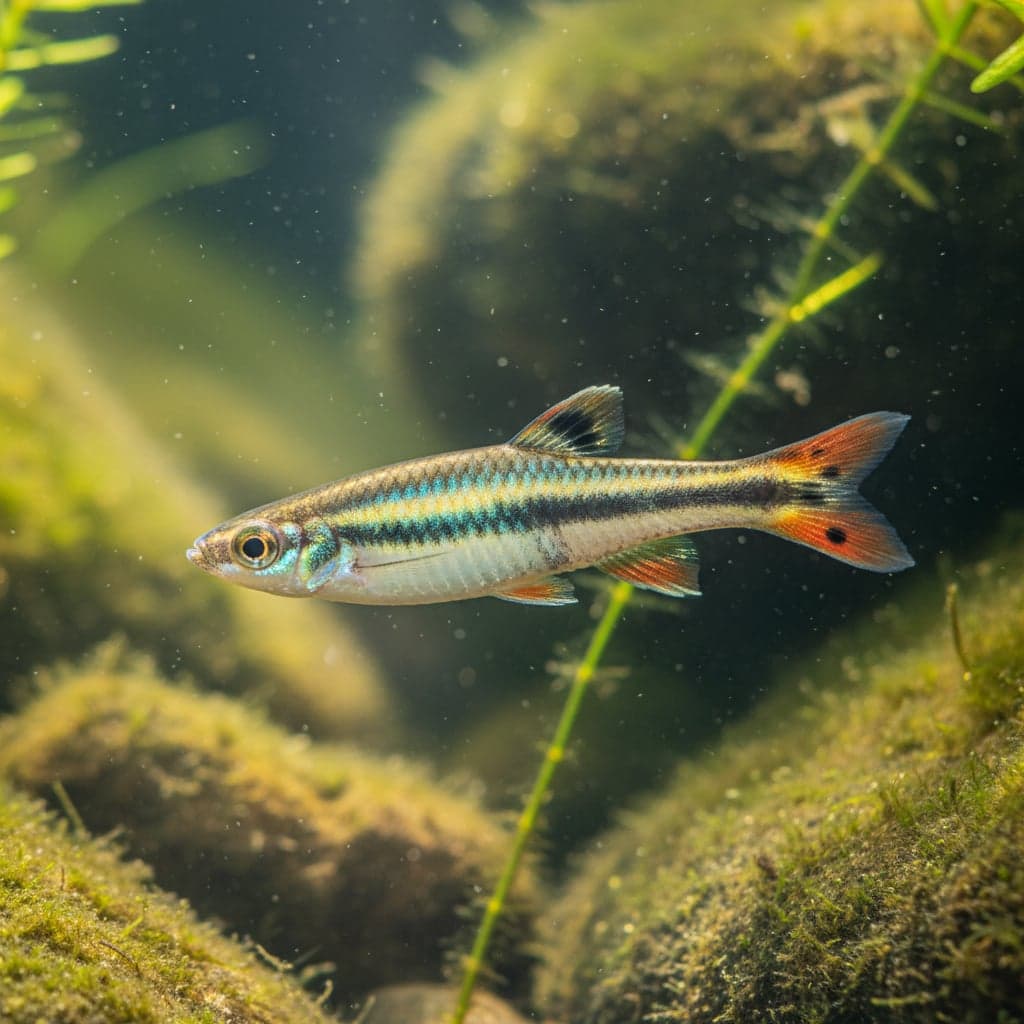
Choosing appropriate tank mates is crucial for maintaining the peaceful nature of Blue Panchax. Compatible species include smaller community fish such as Rasboras, Tetras, Guppies, and Corydoras catfish. Due to their non-aggressive temperament, they can coexist with other peaceful species, enriching the aquarium ecosystem.
However, caution should be exercised when pairing Blue Panchax with larger or aggressive fish species, such as Cichlids or certain types of Barbs, as these could pose a threat. Additionally, fin-nippers like some species of Tetras may irritate the Blue Panchax’s fins. Always ensure that tank mates are compatible in size and temperament for a harmonious aquarium environment.
Breeding
Breeding Blue Panchax in captivity can be a rewarding experience, though it may require specific conditions to encourage successful spawning. The breeding process typically occurs in a separate breeding tank with a soft substrate and plenty of fine-leaved plants or spawning mops, which serve as sites for eggs to be laid. Water conditions should be slightly acidic, with a temperature around 26°C (78°F) to promote breeding behavior.
During spawning, males will display vibrant colors and engage in elaborate courtship rituals, leading females to deposit eggs in the vegetation. After spawning, it is advisable to remove the adult fish, as they may consume the eggs. The eggs will hatch within a few days, and fry should be provided with microfoods like infusoria or powdered fry food until they are large enough to accept larger food items.
Common Health Issues
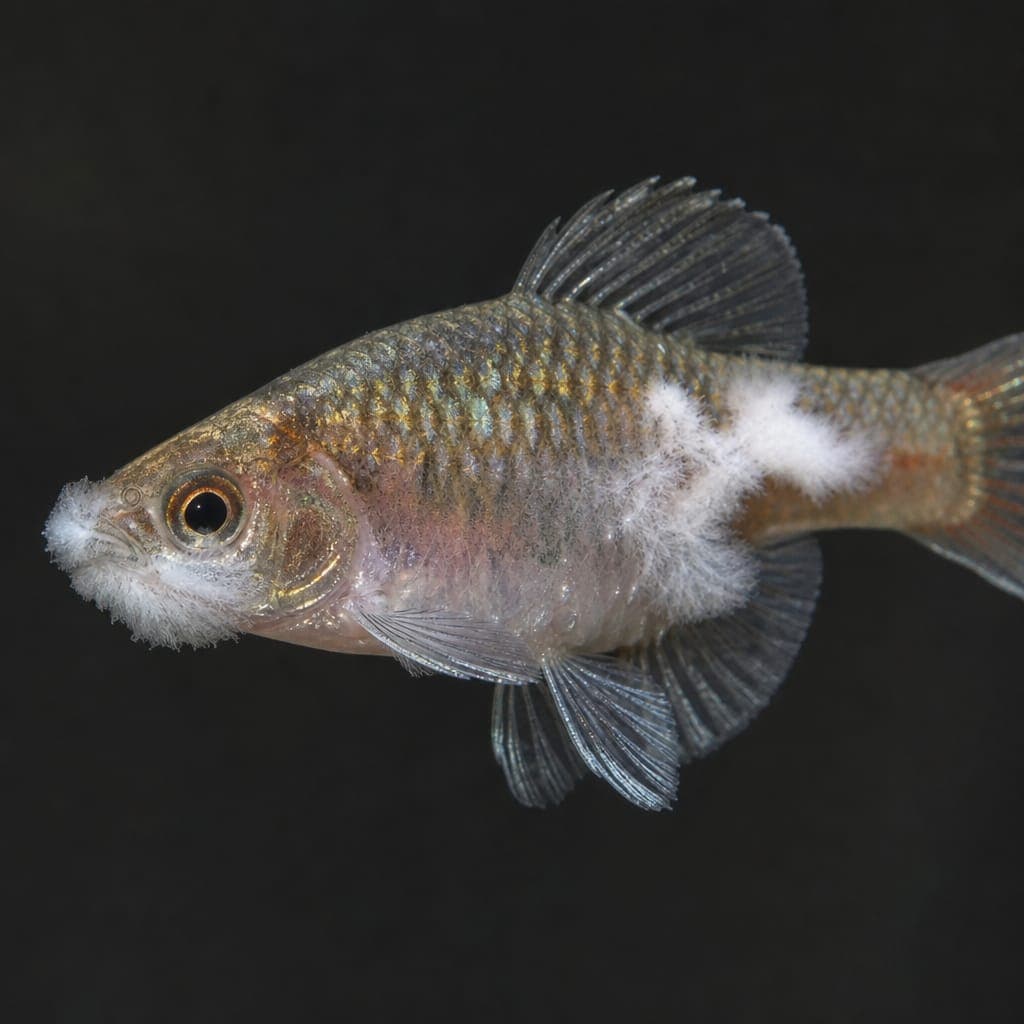
While Blue Panchax are generally hardy fish, they can be prone to certain health issues if not properly cared for. Common diseases include ich (white spot disease), fin rot, and fungal infections. To mitigate these risks, maintaining optimal water quality through regular testing and water changes is critical.
It’s also important to observe for any signs of distress or illness in the fish, such as abnormal swimming patterns or changes in appetite. Quarantine new arrivals and practice good husbandry, including proper nutrition and avoiding overcrowding, to enhance their resilience against common diseases. Regular monitoring and immediate treatment at the onset of health issues can help ensure a long, healthy life for your Blue Panchax.