Blue Tetra: Knodus borki
A vibrant, active blue tetra. Can be slightly nippy compared to other tetras.
Blue Tetra
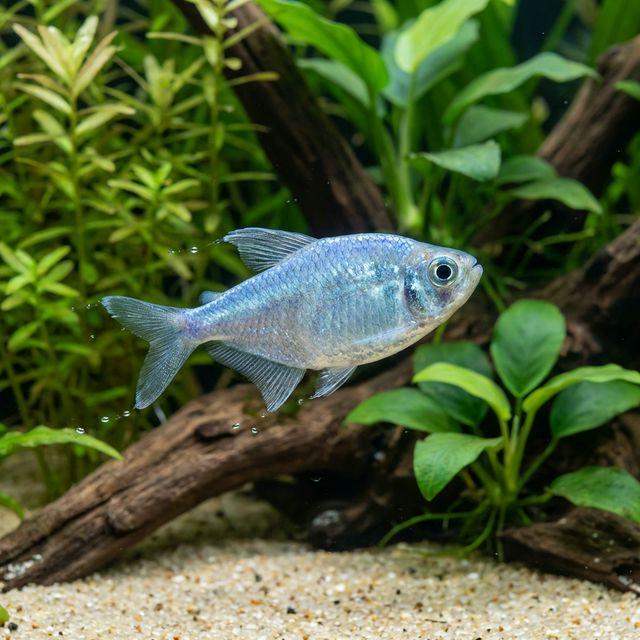
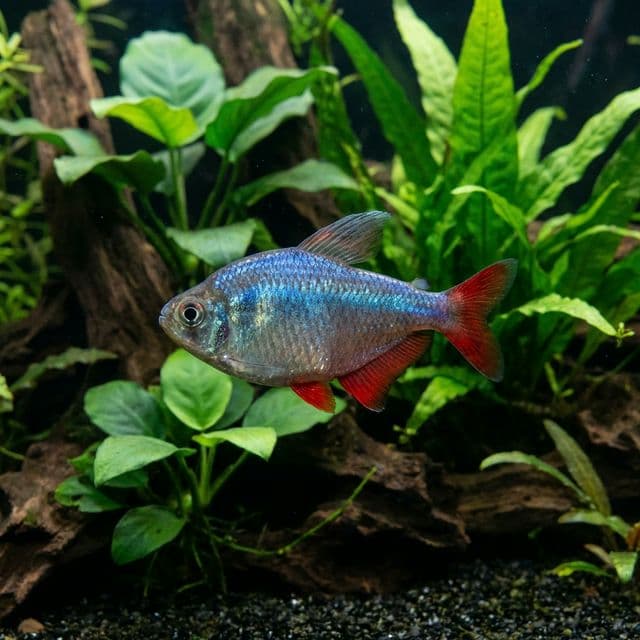
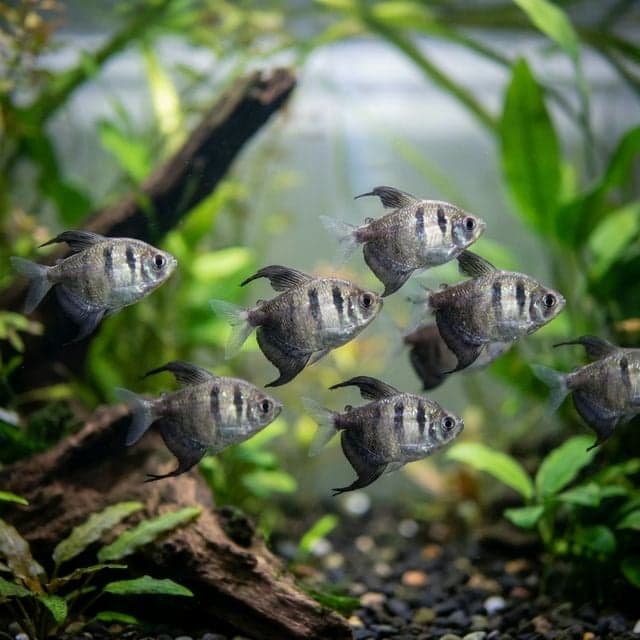
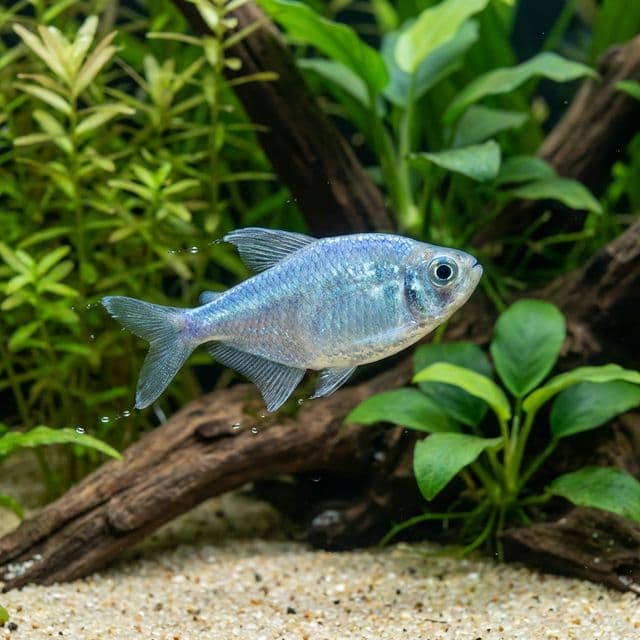
The Blue Tetra, scientifically named Knodus borki, is a captivating addition to any freshwater aquarium. Renowned for its vibrant hues and modest size, this tetra species typically grows to around 2 inches in length. Its deep blue coloration, accented by light iridescent spots, provides an alluring display that effortlessly attracts aquarists and casual observers alike. Each individual exhibits unique shades, with their vibrant blue tones becoming even more pronounced when they are comfortable in their environment, making them not only visually appealing but also a key focal point in community tanks.
This species holds significant importance in the aquarium hobby, not just for its aesthetic qualities but also for its hardy nature, making it suitable for both beginner and experienced aquarists. Blue Tetras are known for their peaceful demeanor and sociable behavior, thriving in schools of 6 or more individuals, which enhances their vibrant display of colors as they exhibit natural schooling patterns. This social behavior fosters an engaging aquarium experience, making the Blue Tetra a delightful species for those looking to create a vibrant aquatic community.
Natural Habitat & Origin
The Blue Tetra is native to the tributaries of the Rio Orinoco and Rio Negro in Venezuela and Brazil. These regions are characterized by their blackwater environments, where the water is stained by decomposed organic matter such as leaves and plant material. The soft, acidic waters typically have low visibility, which fosters a unique ecosystem that the Blue Tetra has adapted to over generations. In these natural habitats, they navigate through the submerged vegetation and root structures, which provide ample cover from potential predators and hunting grounds to find food.
In the wild, the Blue Tetra resides in slow-moving or still waters, often occurring in flooded forests and grassy shorelines. The environmental conditions are vital for their well-being; hence, replicating these conditions in captivity is crucial for their health and stress reduction. The Blackwater nature of their indigenous habitat creates a distinct aesthetic that many aquarists seek to emulate, making the Blue Tetra a captivating focal species in biotope setups.
Care Requirements
Proper care for the Blue Tetra begins with maintaining the right water parameters. They thrive in slightly acidic to neutral pH levels, ideally between 6.0 and 7.5, with temperatures ranging from 75°F to 82°F (24°C to 28°C). Water hardness should be kept relatively low, ideally between 4 to 12 dGH. This species is quite sensitive to changes in water conditions, so regular water changes and monitoring are essential to ensure a stable environment.
When it comes to tank setup, the minimum size for a school of Blue Tetras should be at least 20 gallons, allowing them ample swimming space. A soft, dark substrate mimicking their natural habitat is recommended, alongside plenty of live plants like Java Moss and floating vegetation that can offer cover and reduce light intensity. The lighting should be moderate to low, as this helps mimicking the shaded areas of their natural surroundings. Incorporating driftwood and rocks will not only create shelters but also enhance the visual appeal of the aquarium.
Diet & Feeding
Blue Tetras are omnivores, enjoying a varied diet that includes high-quality flake food, micro pellets, and freeze-dried or frozen foods such as brine shrimp and daphnia. Their small mouths require finely crushed food options, and offering a balanced diet is essential for their health, bright coloration, and overall well-being. Live foods can also be included occasionally to stimulate natural hunting behaviors and promote vibrancy.
It’s beneficial to feed them small portions two to three times a day, ensuring that the food is consumed within a few minutes to maintain water quality. Avoid overfeeding, as this can lead to water quality issues, which the Blue Tetra is particularly sensitive to. Providing variety in their diet will not only enhance their physical condition but will also keep them active and lively.
Behavior & Temperament
The Blue Tetra is known for its amicable nature and highly sociable behavior, making it an excellent choice for community tanks. They are active swimmers, displaying a natural schooling instinct that thrives in groups of six or more. This community-oriented fish enjoys the company of its own species, as well as other peaceful fish, helping to create a dynamic and lively environment within the aquarium.
In terms of tank placement, the Blue Tetra typically occupies the mid to upper levels of the tank, often darting around the plants and decorations in a horizontal swimming pattern. Their peaceful demeanor makes them an excellent addition to a community aquarium; however, they should be kept away from more aggressive species, as stress can lead to health problems. Observing their behavior in groups can be quite entertaining, as they often engage in playful displays and a variety of social interactions.
Tank Mates
Selecting the right tank mates is crucial when housing Blue Tetras to maintain a peaceful community. Compatible species include other small, non-aggressive fish such as Guppies, Corydoras Catfish, Neon Tetras, and various types of Rasboras. These species mirror the Blue Tetra's peaceful temperament while providing a colorful aquatic display.
Conversely, it is essential to avoid housing them with larger or more aggressive fish, such as Cichlids or aggressive barbs, as these might stress or injure the Blue Tetra. An ideal community aquarium setup focuses on keeping other small and gentle species, ensuring a harmonious environment conducive to the health and well-being of the Blue Tetra.
Breeding
Breeding Blue Tetras in captivity requires specific conditions to replicate their natural spawning environment. To encourage spawning behavior, it is best to use a separate breeding tank with water parameters similar to their natural habitat: a slightly acidic pH of around 6.0 and a temperature of approximately 78°F (26°C). A fully-grown school should be conditioned with high-quality foods for a few weeks prior to introducing them into the breeding tank.
During spawning, Blue Tetras are egg scatterers, so providing a fine-leaved plant such as Java Moss or a spawning mop is crucial for them to deposit their eggs, as this will protect them from being consumed by adults. Post-spawning, it is advisable to remove the parents from the breeding tank to prevent them from eating the eggs. The eggs typically hatch within 24 to 36 hours, and the fry can start swimming after a few days. Fine powdered food or liquid fry food should be provided until they are large enough to consume larger particles.
Common Health Issues
While Blue Tetras are relatively hardy, they can still be prone to certain health issues, including ich (white spot disease), fin rot, and swim bladder disease. Ich is often caused by stress or poor water quality, so maintaining a stable environment is key for prevention. Regular water changes, a clean tank, and avoiding overcrowding can help minimize the risk of infestations.
Another common issue is fin rot, often attributed to poor water conditions or injuries. Prompt treatment with appropriate medications can resolve it, alongside improving water quality. Lastly, swim bladder disease can affect Blue Tetras due to overfeeding or rapid changes in water conditions. Maintaining a well-balanced diet and steady water parameters will significantly reduce the likelihood of these issues, ensuring a healthy and vibrant aquatic life for your Blue Tetras.