Blueberry Tetra: Hyphessobrycon wadai
A newly described tetra with a deep purple/blue body. A rare collector's item.
Blueberry Tetra
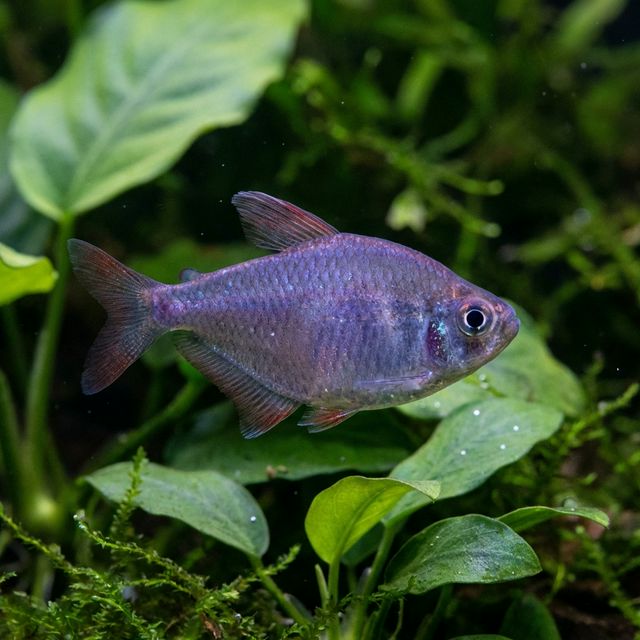
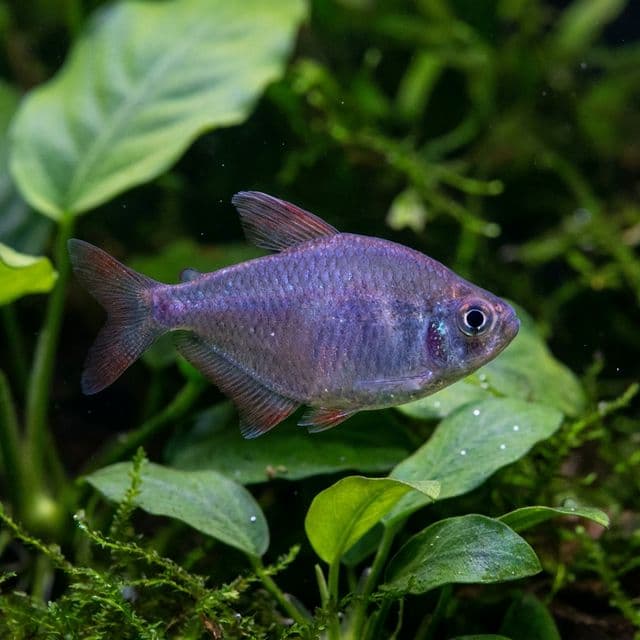
The Blueberry Tetra, scientifically known as Hyphessobrycon wadai, is a captivating small freshwater fish that has gained popularity among aquarists for its striking coloration and lively behavior. This tetra exhibits a dazzling blue hue that is often complemented by a shimmering iridescent sheen, making it a visual highlight in any aquarium. Its body is slender and semi-transparent, enhancing its vibrant colors, which include soft hues of blue and a faint hint of pinkish-orange near the belly. The delicate, graceful fins of the Blueberry Tetra add to its overall charm and appeal, making it a favorite for both collectors and beginners alike.
Not only does the Blueberry Tetra bring aesthetic value to aquatic environments, but its social and peaceful nature makes it an ideal candidate for community tanks. By schooling in groups of six or more, these tetras exhibit fascinating social interactions and movement patterns that bring dynamism to any aquarium setup. As a species that thrives in well-maintained environments, they are often emphasized in aquatic ecosystems designed to promote their health and happiness. Their significance in the aquarium hobby is further underscored by their relatively easy care requirements, which makes them accessible to aquarists of varying experience levels.
Natural Habitat & Origin
The Blueberry Tetra is native to the tributaries of the Rio Orinoco Basin in Venezuela and parts of the Upper Amazon Basin. This region is characterized by a unique blackwater environment, where the waters are tinted by the tannins from decomposing organic matter, such as leaves and wood. The natural habitats of these fish typically feature slow-moving waters and densely vegetated areas, where they can seek shelter and forage. The specific environmental conditions, including warm temperatures and soft, slightly acidic water, play a crucial role in the Blueberry Tetra’s habitat, making it an essential factor for aquarists to replicate in captivity for successful care.
Due to their origins in these specialized ecosystems, the Blueberry Tetra has adapted to thrive in the distinct water chemistry typically found in their natural habitats. In the wild, they inhabit areas with plenty of hiding spots, such as submerged plant roots and floating vegetation, which provide necessary cover and contribute to their vibrant coloration. Understanding these aspects of their habitat is vital for aquarists looking to create a suitable and thriving environment for these stunning fish.
Care Requirements
To ensure the health and well-being of the Blueberry Tetra, it is critical to maintain optimal water parameters in their aquarium. Ideally, the pH level should be maintained between 6.0 to 7.5, with a temperature range of 24-28°C (75-82°F). Additionally, the hardness of the water should be kept relatively soft, ranging from 2 to 15 dGH. Such conditions favor the natural biological processes that these tetras rely on for growth, coloration, and overall vitality.
In terms of tank setup, a minimum aquarium size of 20 gallons is recommended, allowing for ample swimming space and providing coverage through plants and decorations. A dark substrate can enhance the fish’s vibrant coloration; soft, natural decorations such as driftwood and dense plant life not only replicate their natural environment but also create hiding spots essential for their comfort. Moderate lighting is advised to mimic the dappled light filtering through the canopy of their native habitat, allowing plants like Java moss and Anubias to flourish.
Diet & Feeding
The Blueberry Tetra is classified as an omnivore, requiring a balanced diet to thrive in captivity. A combination of high-quality flakes and micro-pellets serves as a staple food source, providing essential nutrients for their growth and health. Additionally, supplementing their diet with frozen or live foods such as daphnia, brine shrimp, or bloodworms can enrich their feeding experience and promote natural foraging behavior. These dietary choices not only help in maintaining the resilience of Blueberry Tetras but also enhance their coloration and overall vitality.
When feeding Blueberry Tetras, it is advisable to offer small portions multiple times a day rather than a single large feeding session. This approach mimics their natural feeding behavior and prevents overfeeding, which can lead to poor water quality and health complications. By providing a varied diet, aquarists can ensure that these vibrant tetras receive all necessary nutrients to thrive in their aquarium environment.
Behavior & Temperament
In terms of behavior, the Blueberry Tetra is known for its peaceful and social nature. As a schooling fish, it exhibits best behaviors when kept in groups of six or more, allowing them to feel secure and engage in their natural schooling dynamics. They tend to swim in the middle to upper levels of the tank, occasionally darting to lower areas for cover or when threatened.
The Blueberry Tetra is characterized by a calm demeanor, displaying minimal aggression towards tank mates. This makes them suitable for community tanks alongside other small, non-aggressive species. However, it is crucial to monitor their interactions with larger or more boisterous fish, as these can cause stress. Maintaining a well-planted aquarium with open swimming areas will not only accommodate their social behavior but also create a dynamic and engaging environment.
Tank Mates
When selecting tank mates for the Blueberry Tetra, it is essential to choose compatible species that share similar water parameters and temperament. Ideal companions include small to medium-sized fish such as:
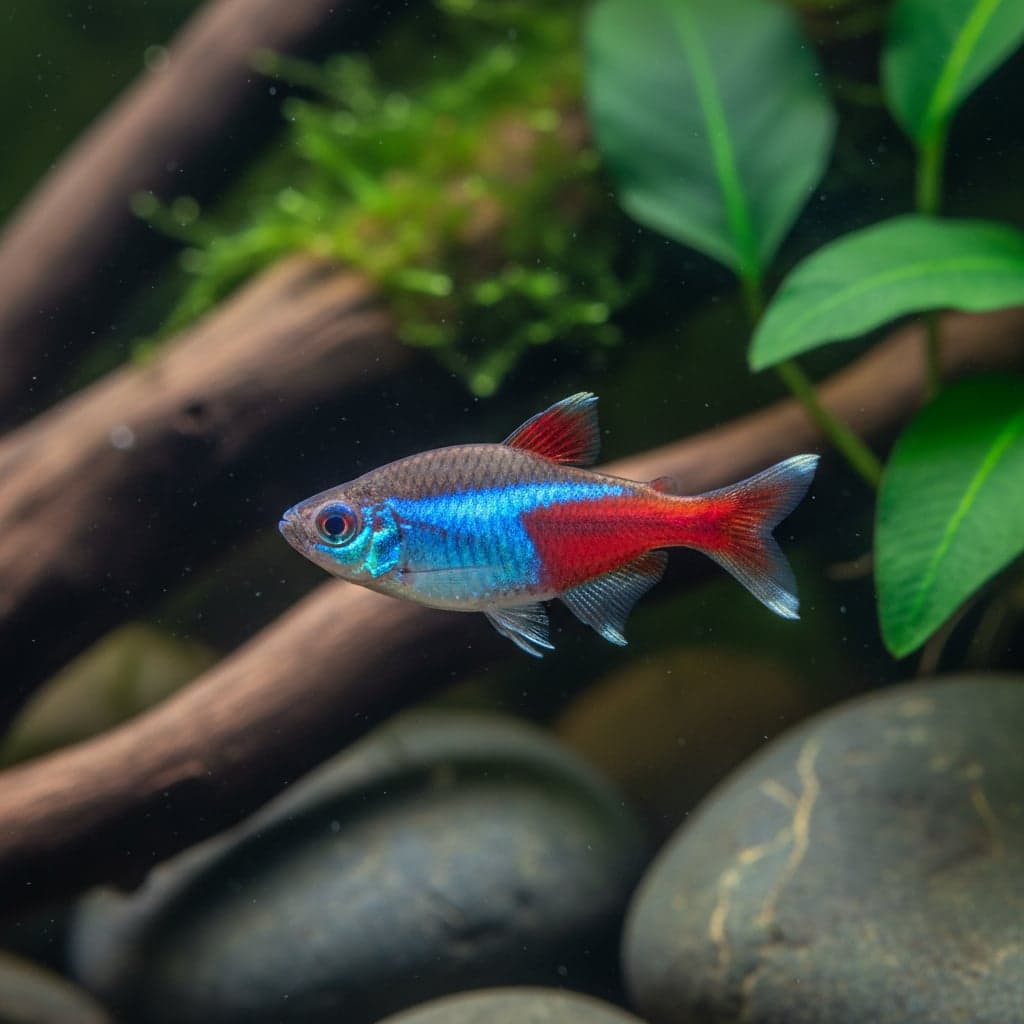
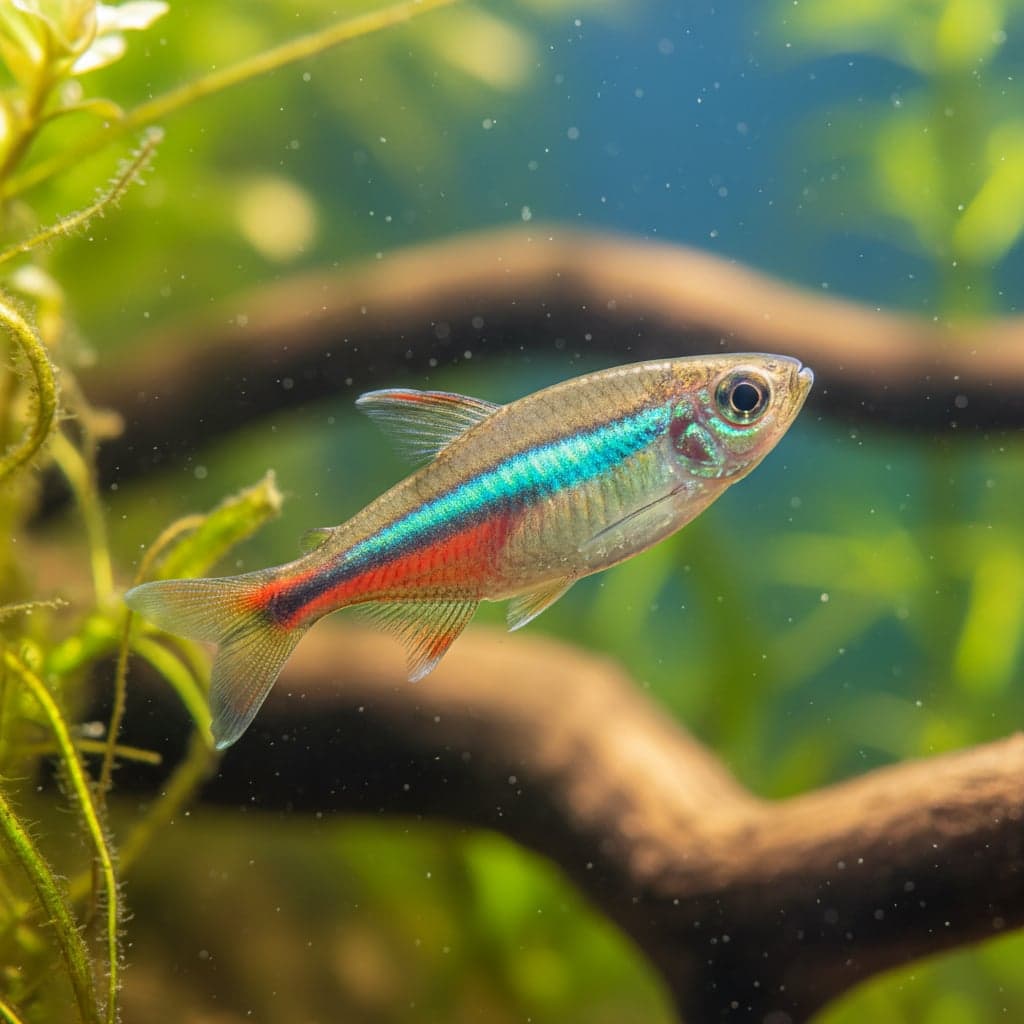
- Neon Tetra (Paracheirodon innesi)
- Rummynose Tetra (Hemigrammus rhodostomus)
- Corydoras Catfish (Corydoras spp.)
- Guppies (Poecilia reticulata)
- Endler's Livebearer (Poecilia wingei)
However, it is important to avoid larger or aggressive fish that may intimidate or harm the Blueberry Tetra. Species such as cichlids, barbs, or any fish known for fin-nipping behavior should be excluded from their environment to ensure a peaceful community tank.
Breeding
Breeding Blueberry Tetras can be a rewarding experience for aquarists willing to replicate their natural spawning conditions. Spawning typically occurs in soft, acidic water, with a pH between 6.0 to 6.5 and temperatures around 26-28°C (78-82°F). To induce breeding, separating a pair into a breeding tank with fine-leaved plants or spawning mops can encourage them to deposit eggs, as they are known to scatter their eggs among vegetation.
After spawning, it is crucial to remove the parents from the tank, as they may eat the eggs and fry. The eggs generally hatch within 24-36 hours, and the fry can be fed infusoria or finely crushed flakes until they grow large enough to accept larger food options. Providing proper conditions and care during this process can lead to successful breeding of the Blueberry Tetra, making it a fulfilling venture for aquarium enthusiasts.
Common Health Issues
Blueberry Tetras may face several common health issues, primarily linked to water quality and environmental stressors. Diseases such as ich (Ichthyophthirius multifiliis) and fin rot can occur if the water is not properly maintained. Signs of these diseases include white spots on the body or fins and fraying fin edges. To prevent such issues, regular water testing, routine water changes, and maintaining a stable environment are critical.
Another important aspect of disease prevention is reducing stress through stable parameters, a proper school size, and compatible tank mates. Quarantine newcomers before adding them to the display, and respond promptly to early symptoms so Blueberry Tetras remain active and colorful.