Bluefin Notho: Nothobranchius rachovii
One of the most colorful freshwater fish in existence. An annual killifish that is short-lived but spectacular.
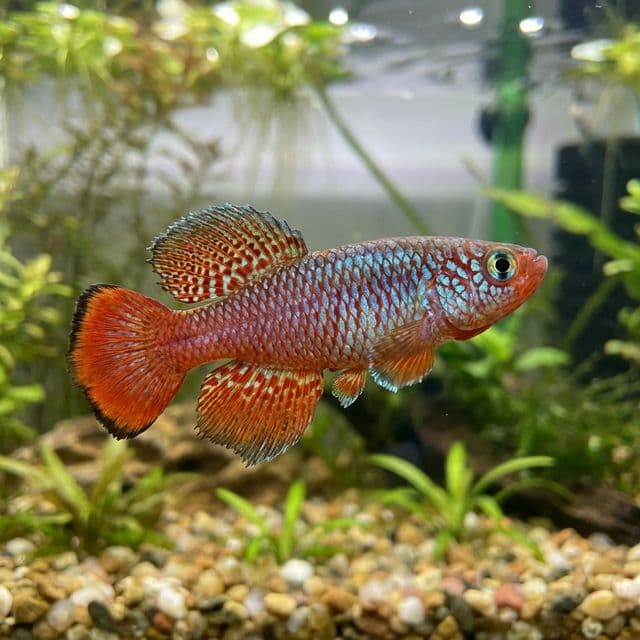
Bluefin Notho
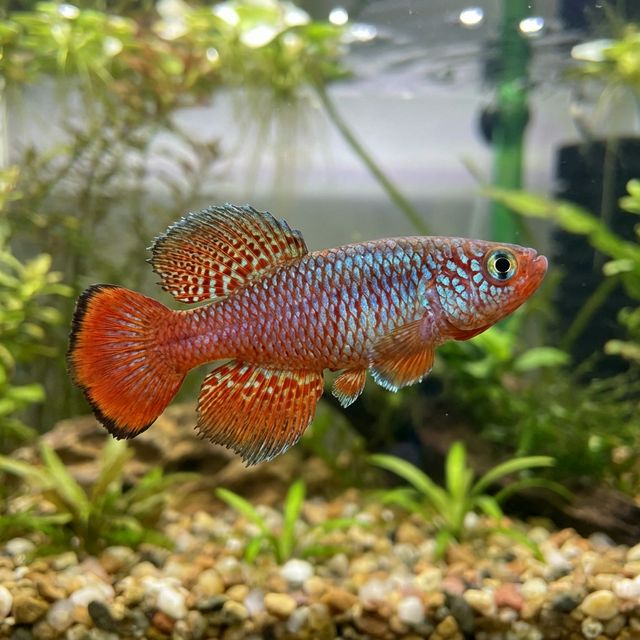
The Bluefin Notho, scientifically known as Nothobranchius rachovii, is a strikingly beautiful species of killifish that has garnered significant attention in the aquarium hobby due to its vibrant coloration and unique breeding habits. Native to parts of eastern Africa, particularly Mozambique, this fish is adorned with stunning shades of blue, yellow, and orange, which create a vivid display when seen in an adequately lit aquarium. The males exhibit particularly bright coloration during breeding seasons, adding to the aesthetic appeal and making them a sought-after species for aquarists looking to create visually captivating tanks.
In terms of significance, the Bluefin Notho serves as an excellent example of the diversity of freshwater fish, particularly in ephemeral habitats. This species has adapted to survive in temporary water bodies, such as seasonal pools and puddles, which have made them resilient animals with interesting breeding behaviors. Their fascinating life cycle, where eggs can remain dormant in dry substrates until the next rainy season, also provides a unique avenue for aquarists interested in breeding techniques and species conservation. As a result, the Bluefin Notho continues to inspire fish enthusiasts and researchers alike, enhancing our understanding of evolutionary adaptations among aquatic species.
Natural Habitat & Origin
The Bluefin Notho is indigenous to the sandy regions of Mozambique, primarily found in shallow lagoons, swamps, and seasonal puddles that form during the rainy season. These environments are characterized as blackwater systems, often tinted with tannins from decomposing plant material; thus, the water tends to be soft and slightly acidic. The Bluefin Notho thrives in such habitats, where they are exposed to variable environmental conditions that shape their lifecycle and breeding behavior. Understanding their natural habitat is crucial for recreating a suitable aquarium environment that mimics the conditions these fish are accustomed to in the wild.
In their natural surroundings, these killifish benefit from dense vegetation and a variety of small invertebrates, which play a pivotal role in their diet and overall well-being. The presence of plants provides shelter and breeding grounds, offering essential protection from predators. These factors collectively contribute to their successful adaptation to their ecosystem and must be addressed when replicating their habitat in an aquarium setting.
Care Requirements
To keep Bluefin Nothos healthy and thriving, several key water parameters should be observed. Ideally, the pH levels should range between 6.5 and 7.5, while temperatures should be maintained between 24°C and 28°C (75°F to 82°F). Hardness levels should be kept soft to moderately hard, around 1 to 10 dGH, to accurately reflect their natural environment.
When setting up a tank for Bluefin Nothos, a minimum aquarium size of 40 liters (about 10 gallons) is recommended, aiming for higher capacities to facilitate breeding and movement. The substrate should be soft, such as sand or fine gravel, mimicking their natural habitat. Additionally, incorporating dense aquatic plants, such as Java moss or floating plants, will provide cover and breeding spots. Good lighting that is not overly intense will promote plant growth and create a tranquil environment, essential for the overall health of the fish.
Diet & Feeding
The Bluefin Notho is an omnivorous fish with a diet primarily consisting of small invertebrates and vegetative matter, which influences how they should be fed in captivity. A balanced diet can include high-quality flakes, small pellets, live foods like brine shrimp, or daphnia, and frozen food options. Given their small size, it is crucial that the food offered is appropriately sized to prevent choking or digestive issues.
Feeding practices should include a varied diet to ensure optimal health, incorporating protein-rich foods at least two to three times a week to support their growth and color development. It is advisable to feed them small portions two or three times a day to mimic their foraging behavior, which encourages natural activity levels and stimulates their hunting instincts.
Behavior & Temperament
The Bluefin Notho is generally a peaceful species but exhibits interesting social behavior. They can display territorial tendencies, particularly males during breeding seasons, making it essential for them to be provided with enough space in the tank to minimize aggression. While they do not typically school like some other fish, they are social and often prefer to be kept in small groups of three to six individuals, allowing for natural interactions.
In terms of vertical placement in the tank, Bluefin Nothos are known to occupy the middle to upper layers of the aquarium, often swimming near the water's surface. Their natural behavior encourages exploring the tank's upper regions while hunting for food, which can enhance their overall activity levels and presentation.
Tank Mates
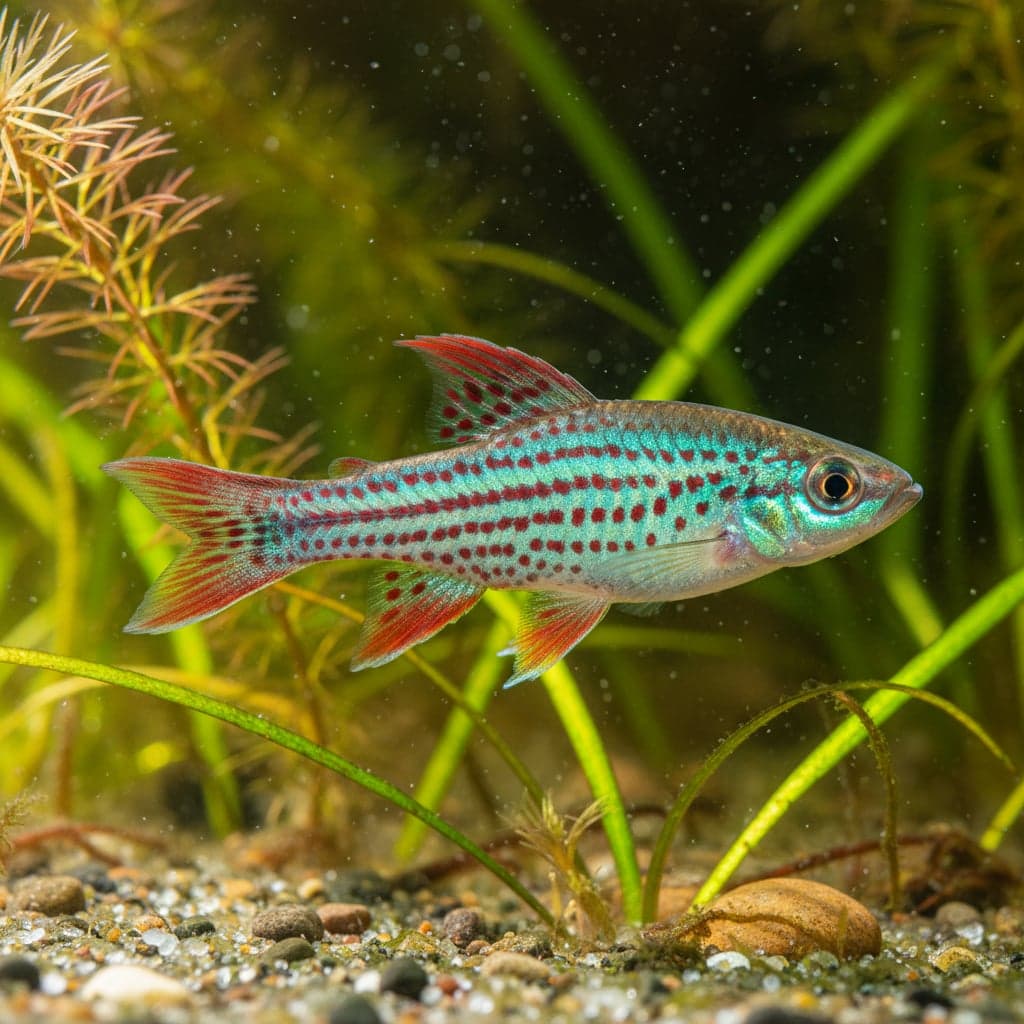
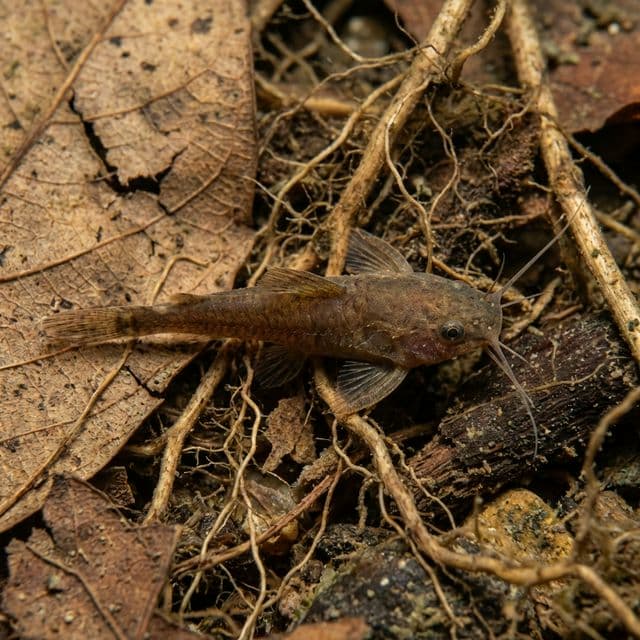
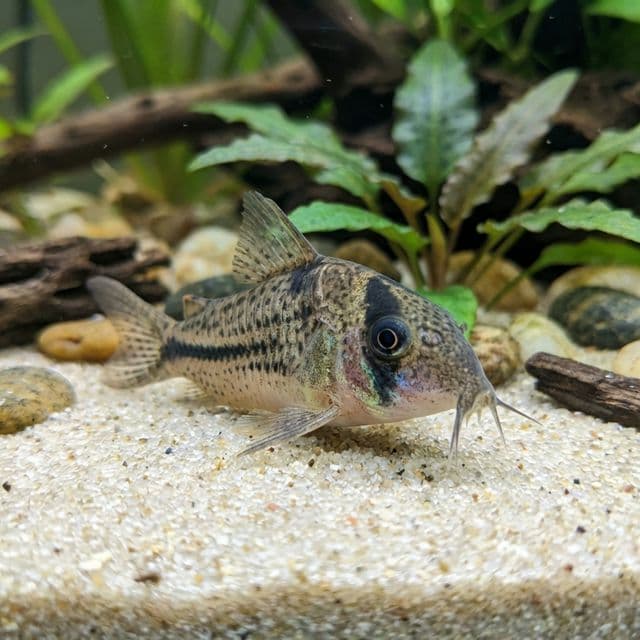
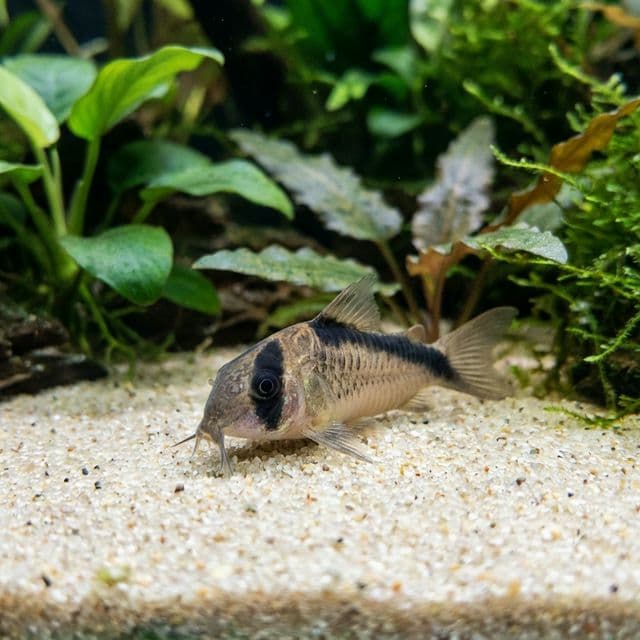
When choosing tank mates for the Bluefin Notho, compatibility is key to ensuring a harmonious community. Suitable companions can include small, peaceful species such as neon tetras, guppies, or honey gouramis, which share similar water requirements and temperament. Other non-aggressive rasboras and small corydoras can live harmoniously without significantly disrupting the Bluefin Nothos' territory.
However, it is essential to avoid keeping them with larger or aggressive species, such as cichlids or any fish known for territorial behavior. Additionally, species that occupy similar water levels, such as some types of barbs, should be avoided as they may compete for space and resources, stressing the Bluefin Nothos and impacting their health negatively.
Breeding
Breeding Bluefin Nothos can be rewarding but requires careful attention to specific conditions. In captivity, they exhibit a unique spawning behavior that involves the female laying eggs in fine substrate, and males will court females through displays of vibrant colors and fin flaring. To encourage successful breeding, a separate breeding tank with soft substrate and dense vegetation is ideal, where the males can entice females to lay their eggs.
For optimal conditions, the water should be slightly acidic with temperatures around 26°C (79°F). It is often recommended to introduce a damp substrate containing the eggs to simulate their natural environment, as the eggs will hatch once submerged in water after being left to dry for several weeks. Ensuring a proper breeding environment can significantly boost the success rate of hatching Bluefin Nothos eggs.
Common Health Issues
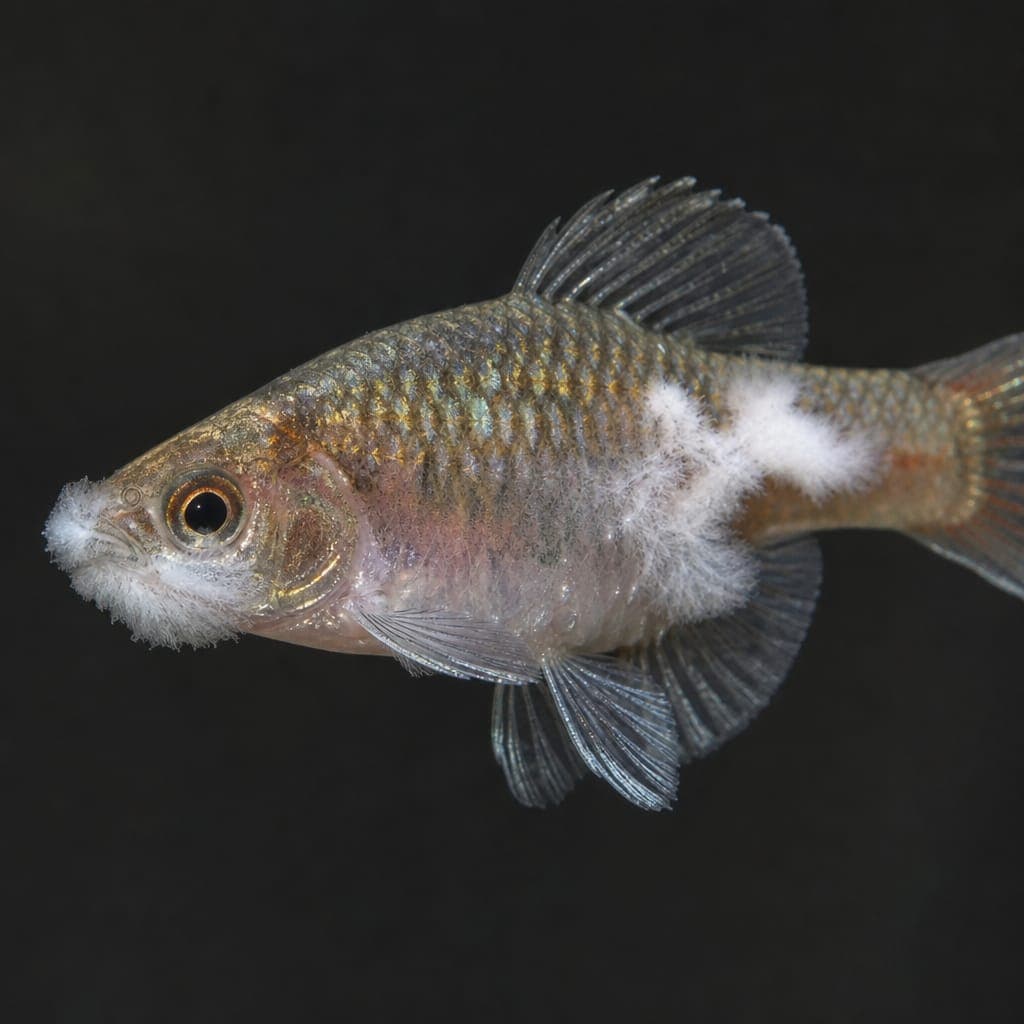
While relatively hardy, the Bluefin Notho can be susceptible to a few specific health issues. Common ailments include ich (white spot disease), fin rot, and fungal infections. Preventative measures include maintaining optimal water quality, regular water changes, and observing stress levels caused by overstocking or incompatible tank mates.
Routine monitoring for signs of distress, such as changes in behavior, erratic swimming, or loss of appetite, are critical for early identification of potential problems. Establishing a balanced diet and providing a stable environment significantly reduces the likelihood of disease outbreaks. If sickness does occur, quick isolation and treatment with appropriate medications can help ensure the well-being of your Bluefin Nothos population.