Bluelined Triggerfish
A 55cm triggerfish that rearranges rockwork and bites through equipment. Needs 1,500L+, and nothing small or invertebrate shares the tank.
Bluelined Triggerfish
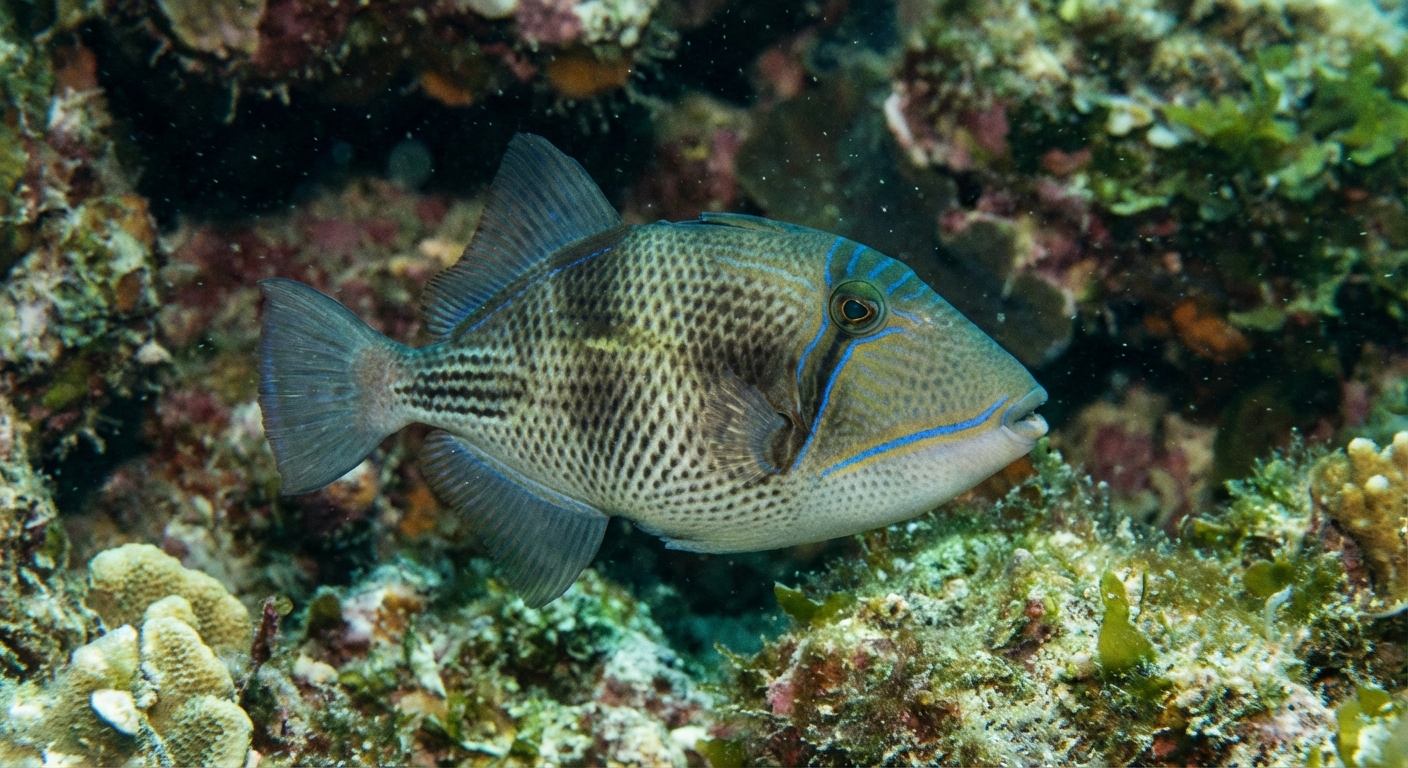
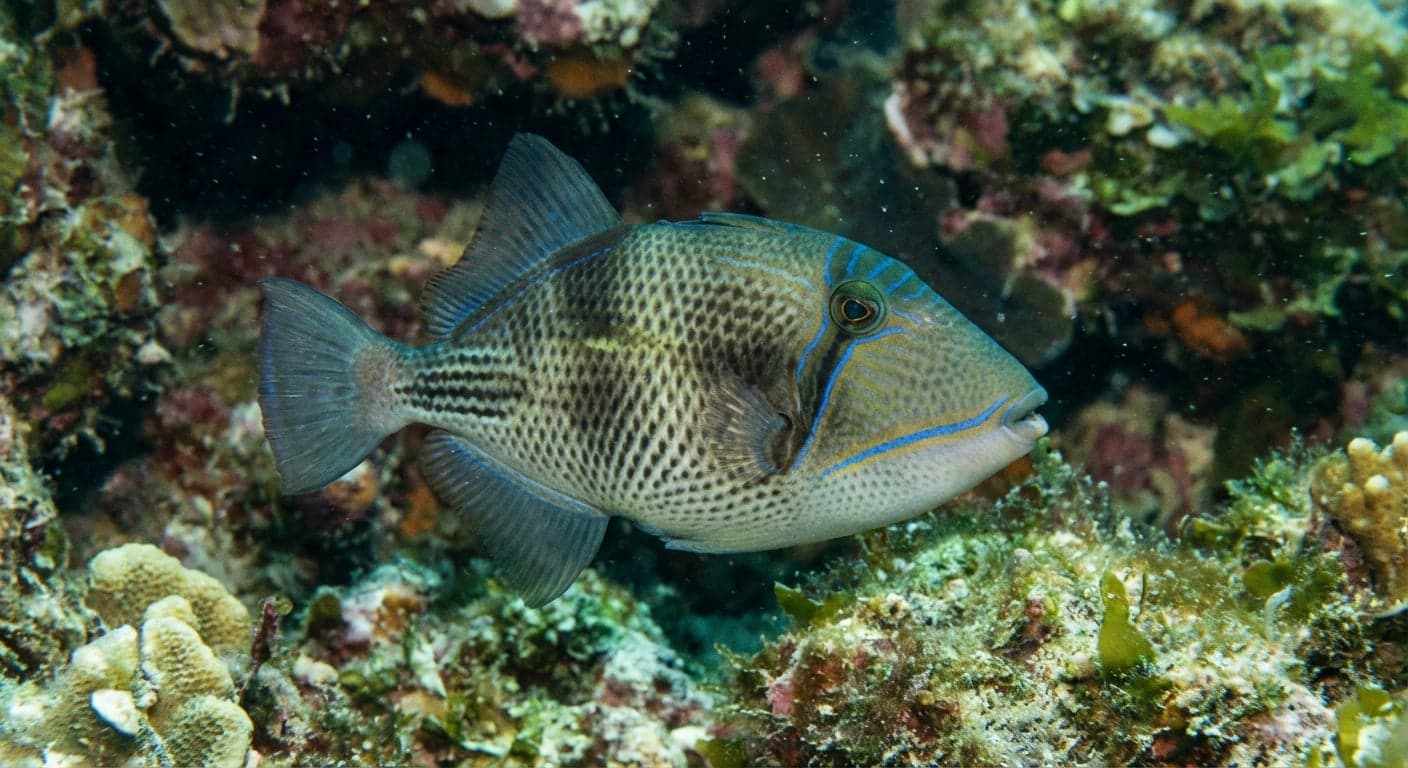
The Bluelined Triggerfish, scientifically known as Pseudobalistes fuscus, is a striking marine fish sought after by aquarium enthusiasts for its captivating aesthetics and unique behaviors. This stunning species is characterized by its vibrant blue lines that contrast against its darker body, creating a visually appealing display that can enhance any marine aquarium. With its robust physique and aggressive demeanor, the Bluelined Triggerfish embodies the spirit of oceanic life that many aquarists aim to replicate in their setups. Its significance in the aquarium hobby extends beyond beauty, as it presents an opportunity for aquarists to engage with a fish that displays both fascinating social interactions and individual quirks.
In addition to its visual appeal, the Bluelined Triggerfish plays an important role in marine ecosystems. Found in sandy and rocky substrates in its natural habitat, this species exhibits behaviors that are indicative of its intelligence and adaptability. For hobbyists, caring for this fish can be a rewarding experience, as it challenges one to create a suitable environment that mimics the conditions of its native waters while also enriching the tank owner’s knowledge of marine biology.
Natural Habitat & Origin
The Bluelined Triggerfish is native to the Indo-Pacific region, with geographic distribution ranging from the Hawaiian Islands to the coasts of East Africa and the Red Sea. It typically inhabits coral reefs and rocky outcrops where it thrives in warm waters, often found at depths of up to 50 meters. The environmental context in which the Bluelined Triggerfish lives is characterized by clear, tropical waters that allow sunlight penetration, fostering abundant marine flora and fauna. This natural habitat is rich in biodiversity, making it an essential component of the coral reef ecosystem, where Bluelined Triggerfish contribute to the balance among fish populations and the overall health of the reef.
Care Requirements
When it comes to keeping Bluelined Triggerfish in captivity, specific water parameters must be maintained to ensure their health and well-being. The ideal pH range is between 8.1 and 8.4, with a temperature range of 24°C to 28°C (75°F to 82°F). A minimum tank size of 1,500 litres (400 gallons) is realistic for an adult, which reaches 55cm and rearranges rockwork as it establishes territory. The substrate should consist of fine sand or smooth gravel to mimic their natural environment, while the tank should be equipped with robust filtration to maintain excellent water quality. Moderate lighting is ideal, as it supports both the fish and the growth of algae or live plants, although care should be taken not to overcrowd the tank with vegetation, as Bluelined Triggerfish prefer open swimming areas.
Diet & Feeding
The Bluelined Triggerfish is primarily an omnivore, requiring a well-balanced diet to thrive in an aquarium setting. To meet their nutritional needs, it is recommended to provide a varied diet that includes high-quality flakes, sinking pellets, and live or frozen foods such as shrimp, krill, and other meaty substances. Incorporating a variety of food types ensures that the Bluelined Triggerfish receives essential nutrients and vitamins, promoting healthy growth and vibrant colors. Additionally, including algae-based foods will help cater to their herbivorous tendencies, ensuring a holistic approach to feeding.
Behavior & Temperament
In terms of behavior, the Bluelined Triggerfish can be quite territorial and assertive, often exhibiting a level of aggression towards other fish. This species does not typically engage in schooling behaviors; rather, it prefers to establish a defined territory within the aquarium. Vertical placement in the tank is key, as they tend to inhabit the mid-to-lower water columns, frequently darting between coral structures and open spaces. While they may coexist with certain species, caution should be exercised when introducing new tank mates, as the Bluelined Triggerfish may display aggressive behavior toward perceived intruders.
Tank Mates
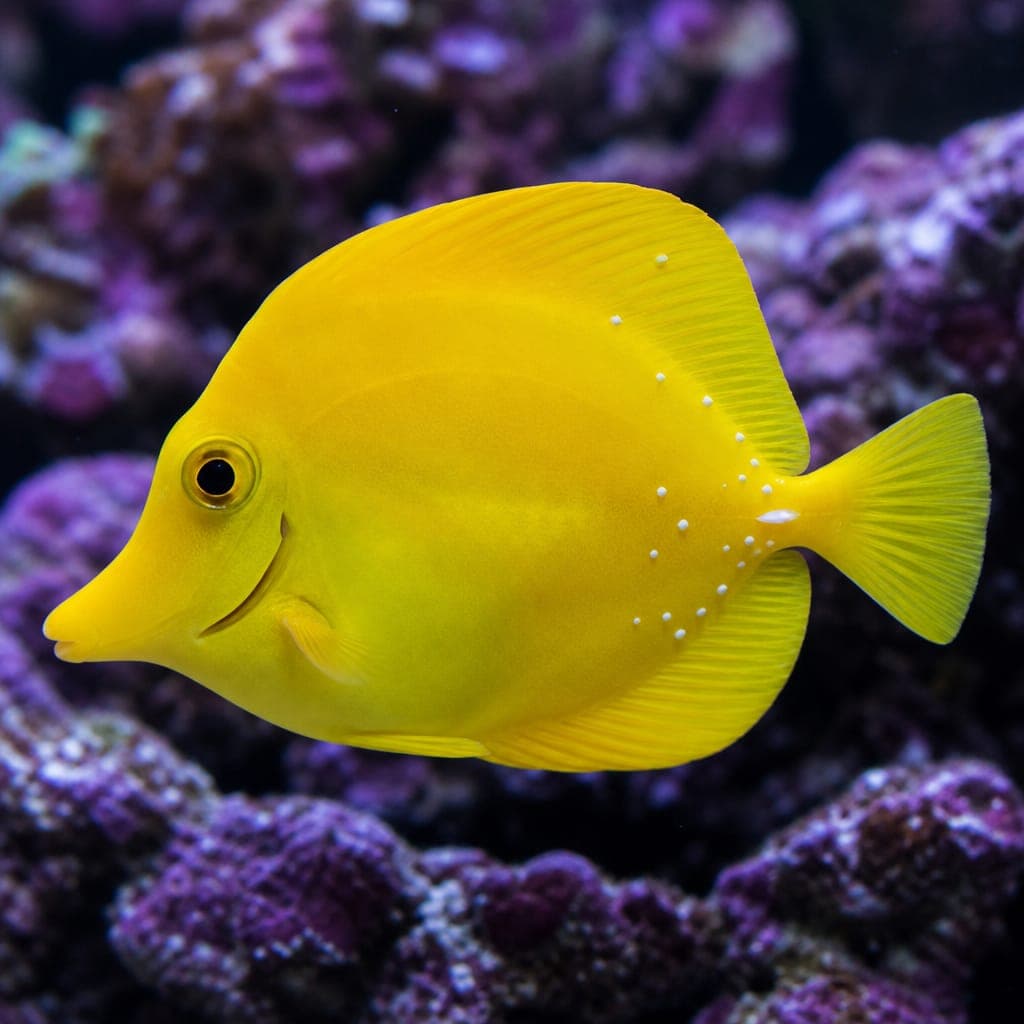
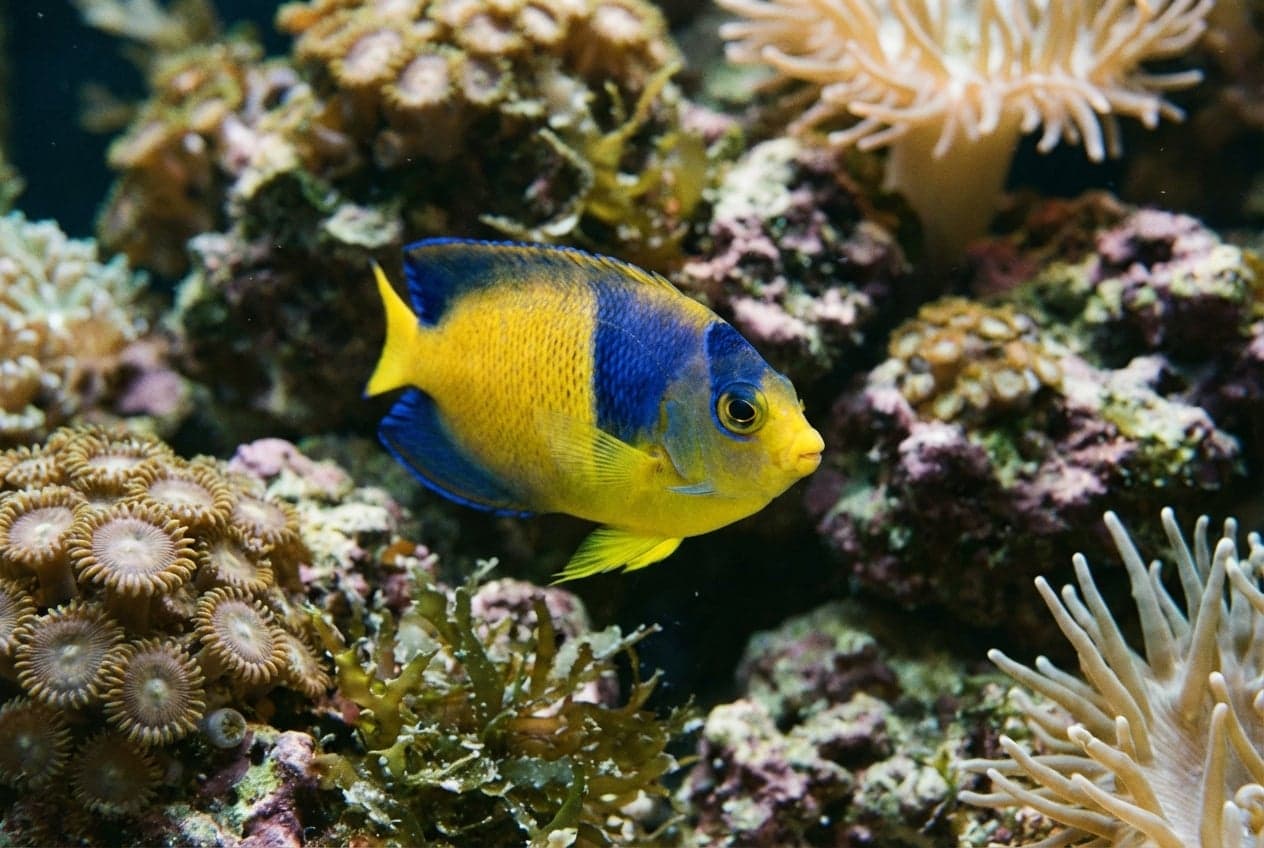
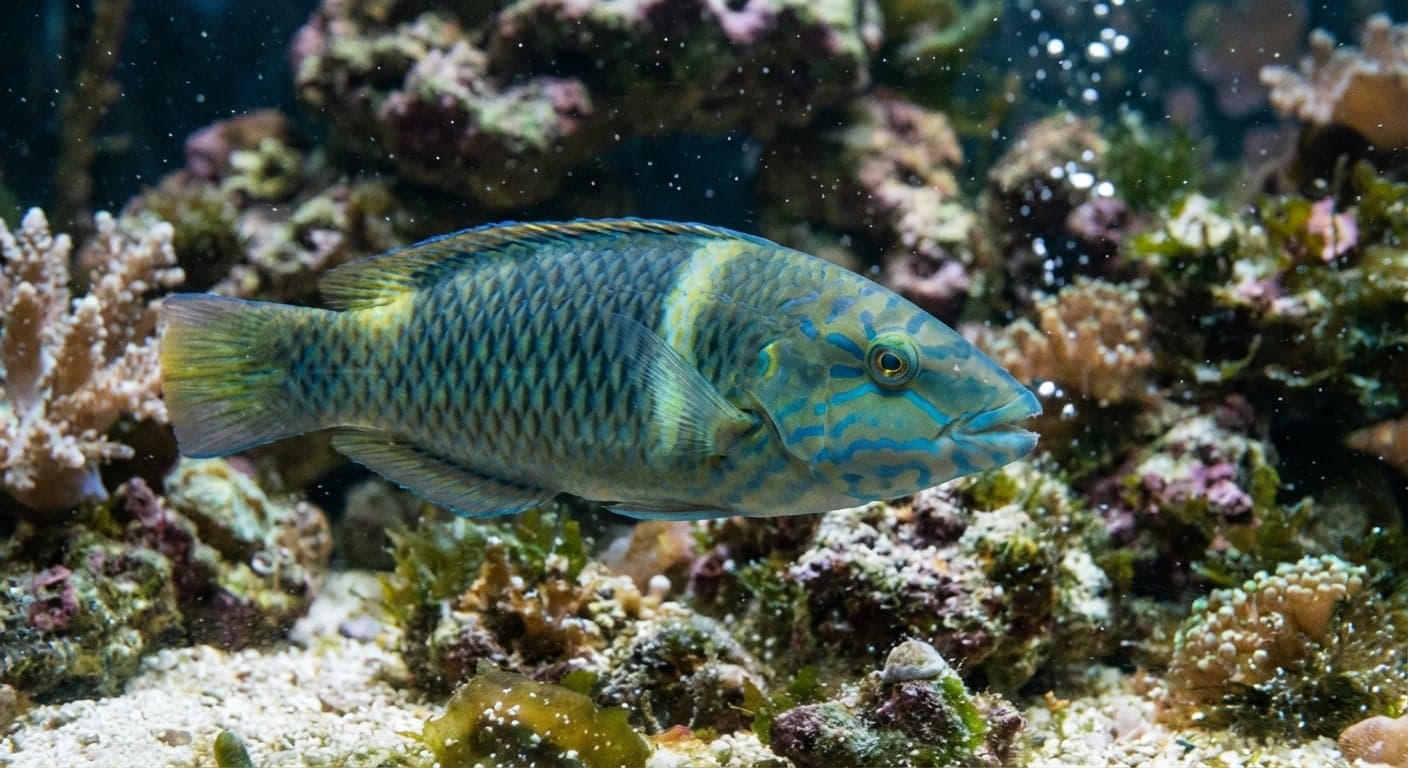
Selecting appropriate tank mates for the Bluelined Triggerfish is crucial to creating a balanced aquarium environment. Compatible species include robust reef fish such as certain wrasses, larger clownfish, and some damselfish. However, it is generally advisable to avoid smaller or more passive species, as these may become targets for aggression, particularly those that exhibit bright colors or similar body shapes. Other species known to be problematic tank mates include smaller triggers, angelfish, and butterflies, which may provoke territorial disputes leading to stress or injury among the fish.
Breeding
Breeding the Bluelined Triggerfish in captivity presents a unique challenge, as it requires specific conditions to mimic their natural spawning behaviors. Although not commonly achieved in home aquariums, successful breeding may occur in specialized systems that provide stable water conditions, ample hiding spots, and the presence of both male and female specimens. During the breeding process, the male will engage in elaborate courtship displays, which involve circling the female and a series of flashing movements. Spawning generally occurs near substrate, with the female laying eggs that the male fertilizes. Creating a breeding environment with optimal care and nutrition during the breeding cycle is crucial to encourage successful egg development.
Common Health Issues
The Bluelined Triggerfish, like many marine fish, can be susceptible to specific health issues such as marine ich (ichthyophthirius multifiliis), fin rot, and stress-related diseases. Preventative measures include maintaining excellent water quality, regular tank maintenance, and observing proper dietary habits. Quarantining new arrivals before introducing them to the main tank can also help minimize risks. Early detection of health issues is critical; thus, aquarists should regularly monitor their fish and seek veterinary assistance when necessary to address health concerns promptly and effectively.