The Bolivian Ram: Mikrogeophagus altispinosus
The hardier, larger cousin of the German Blue Ram. A peaceful, character-filled dwarf cichlid that doesn't demand perfect water conditions.
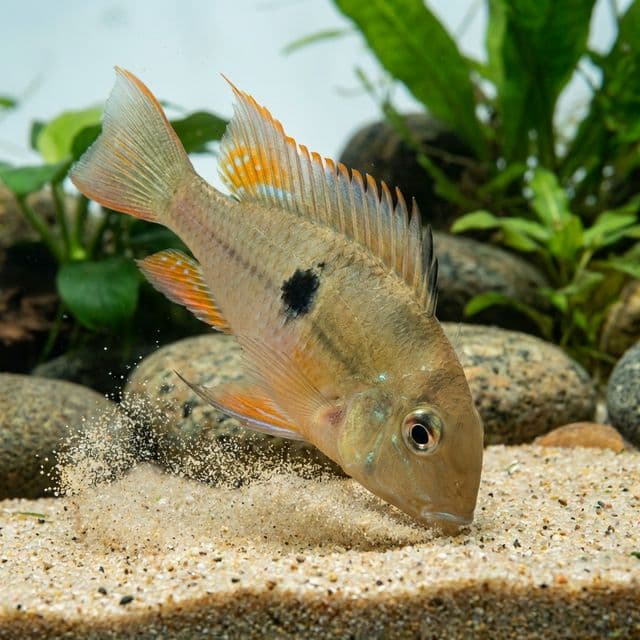
Bolivian Ram
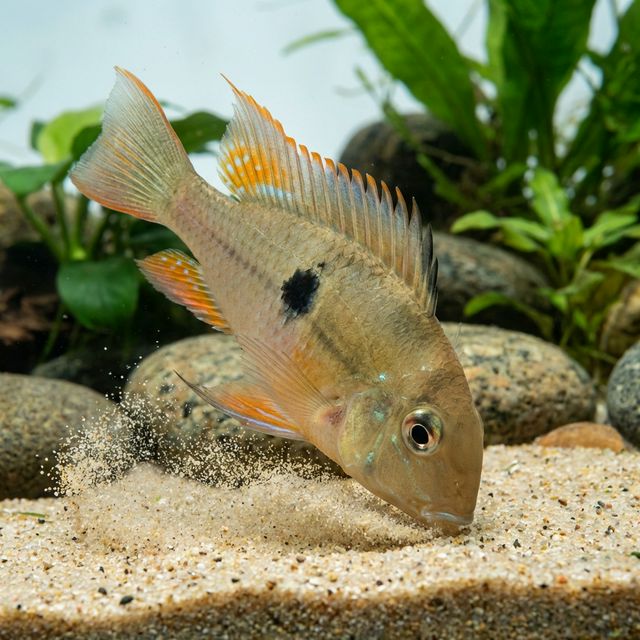
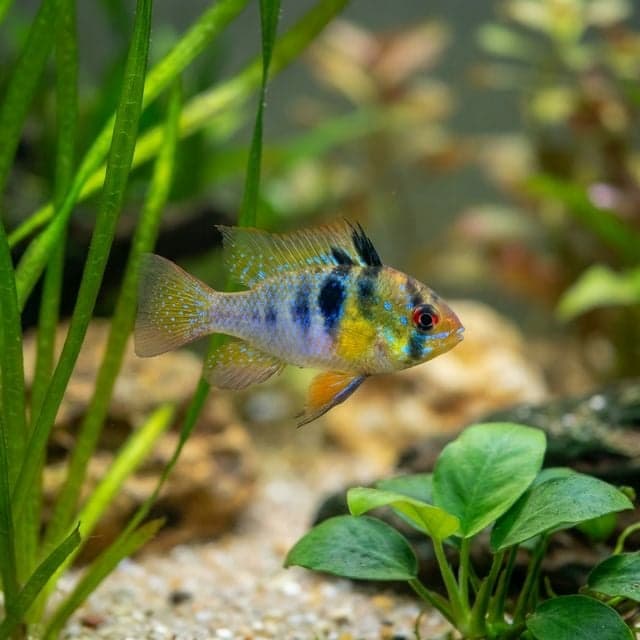
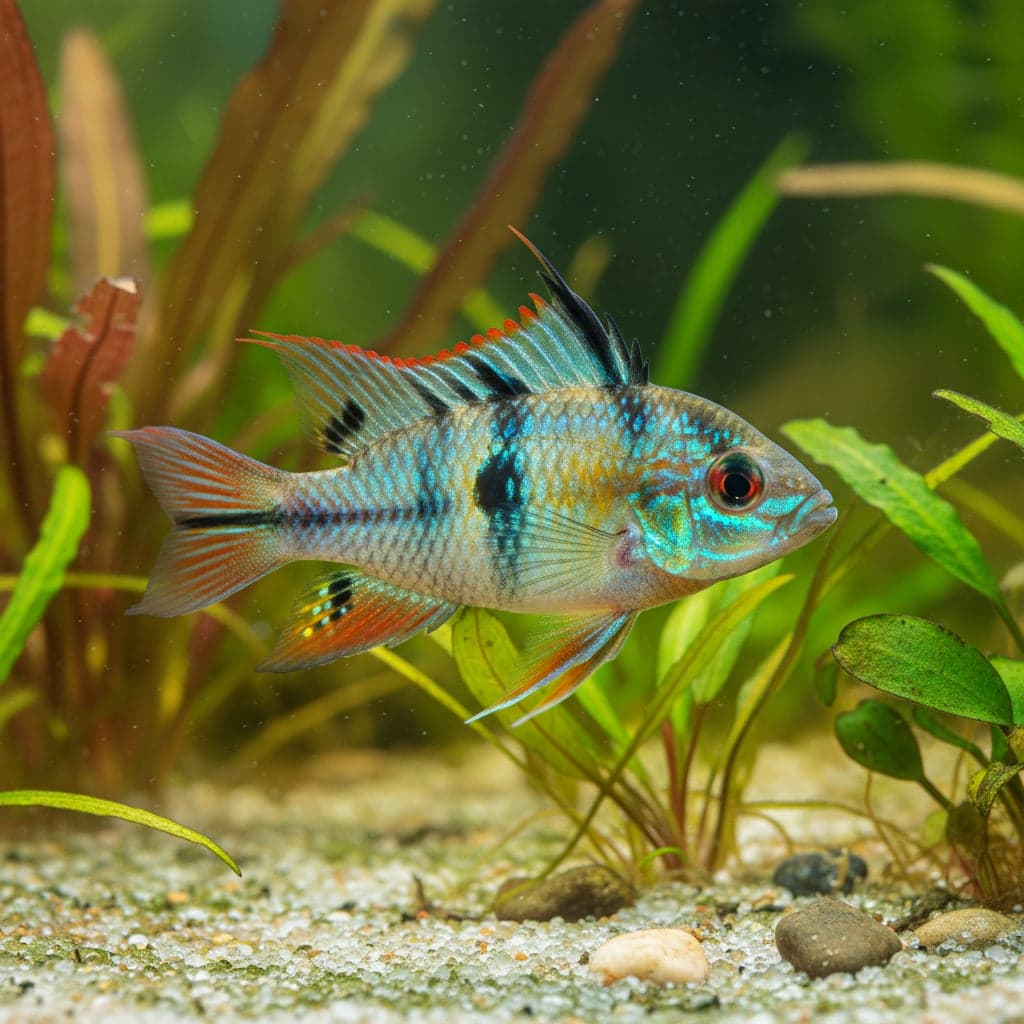
The Bolivian Ram, scientifically known as Mikrogeophagus altispinosus, is a captivating cichlid native to South America, and a popular choice among aquarists for its vibrant colors and peaceful demeanor. This small, hardy fish typically reaches sizes of 3 to 4 inches, showcasing an array of stunning hues that range from soft yellows and blues to deep reds and greens. The contrasting patterns on their bodies, particularly the striking orange dot located near the base of the dorsal fin, make them visually appealing and a focal point in community aquariums. Their relatively tranquil behavior and compatibility with other species contribute to their significance in the aquarium hobby, making them well-suited for both novice and experienced aquarists.
The Bolivian Ram's charm lies not only in its aesthetic appeal but also in its engaging personality. Being a moderately social fish, Bolivian Rams exhibit interesting behaviors, especially when provided with appropriate environments and tank mates. They can be observed displaying courtship and territorial behaviors, particularly during breeding times. Consequently, these traits make them a prominent choice among aquarists looking to maintain a dynamic yet harmonious aquarium setup. As a species that thrives in properly maintained conditions, the Bolivian Ram represents the perfect blend of beauty and resilience, making them an essential addition to many freshwater aquariums.
Natural Habitat & Origin
The Bolivian Ram is indigenous to the Amazon River basin, specifically found in Bolivia and parts of neighboring Peru. Their natural habitats are often characterized by slow-moving waters, which are lush with vegetation and submerged structures. These environments are typically blackwater or clearwater, presenting slightly acidic and soft conditions that help form their natural ecology. The Bolivian Ram often resides near the riverbanks, where dense plant growth provides essential shelter against predators and facilitates breeding. This nuanced ecological background underscores the importance of replicating similar conditions within a home aquarium to ensure the health and well-being of this enchanting fish.
Care Requirements
To maintain the Bolivian Ram in a home aquarium, it is essential to replicate their natural environmental conditions. The recommended water parameters for the Bolivian Ram include a pH range of 6.0 to 7.5, with a temperature maintained between 75°F to 82°F (24°C to 28°C), and soft to moderately hard water (3-15 dGH). For tank size, a minimum of 20 gallons is advised for one pair, allowing adequate space for swimming and establishing territories.
Setting up the aquarium with a soft, sandy substrate is ideal, as it mimics their natural habitat and promotes burrowing behaviors. Aquascaping should include plenty of hiding spots created with rocks, driftwood, and dense vegetation, such as Java fern, Anubias, or Amazon swords. Moderate lighting is recommended, as it encourages plant growth without stressing the Bolivian Rams. Additionally, implementing gentle water movement using an appropriate filter helps to maintain water quality while ensuring the fish’s comfort.
Diet & Feeding
The Bolivian Ram is an omnivorous fish, benefitting from a well-rounded diet that includes high-quality pellets, flakes, and frozen or live foods. A varied diet rich in protein, such as brine shrimp, bloodworms, and daphnia, is essential to support their growth and health. Offering vegetable matter—such as spirulina flakes and blanched greens—can also be beneficial in maintaining a balanced diet. It is recommended to feed them small amounts 2 to 3 times a day, ensuring that all food is consumed within a few minutes to prevent water quality degradation.
Behavior & Temperament
Bolivian Rams are known for their peaceful demeanor, making them ideal candidates for community tanks. They exhibit a social structure and can benefit from a small group, although they tend to be more territorial during breeding. Typically, they prefer to inhabit the lower and middle levels of the tank while seeking shelter amongst plants and decorations. While they generally get along well with other peaceful species, attention should be paid to the size and temperament of potential tank mates, as overly aggressive fish may provoke stress.
Tank Mates
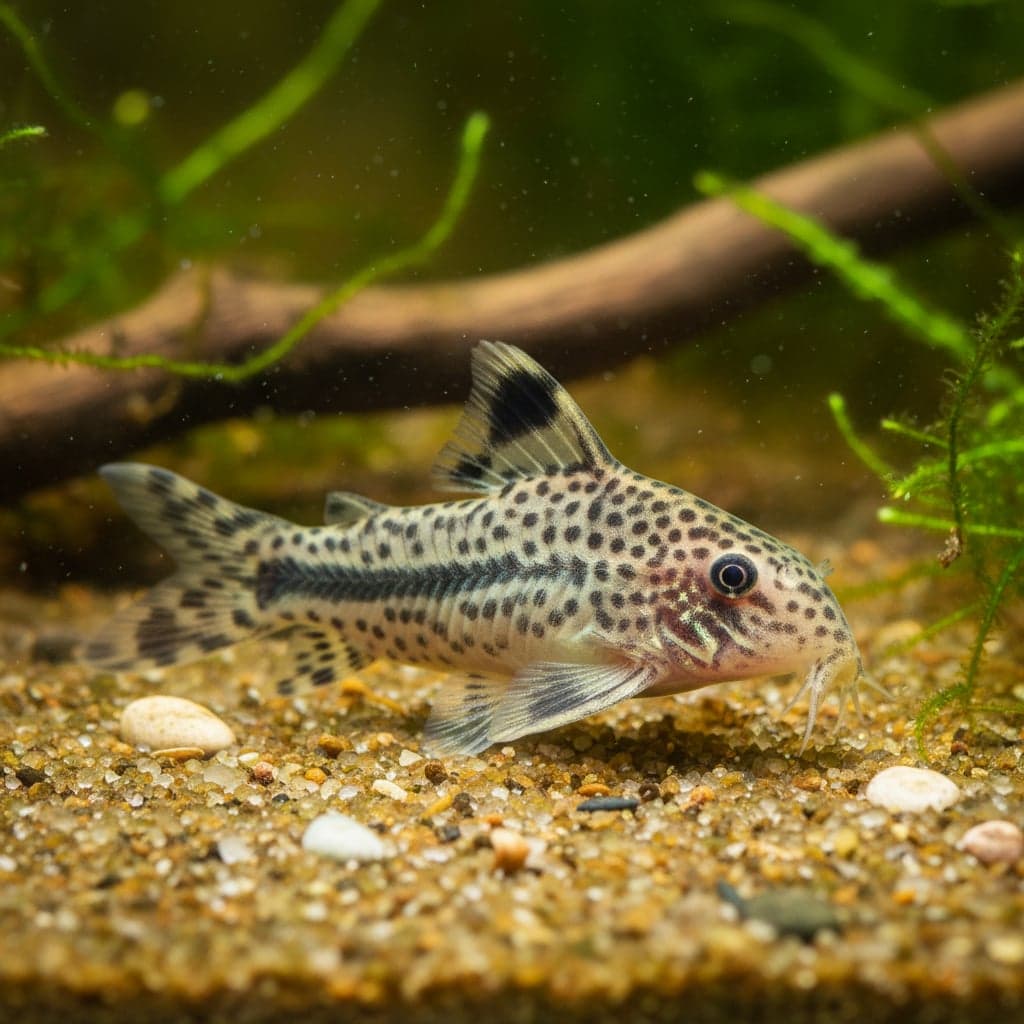
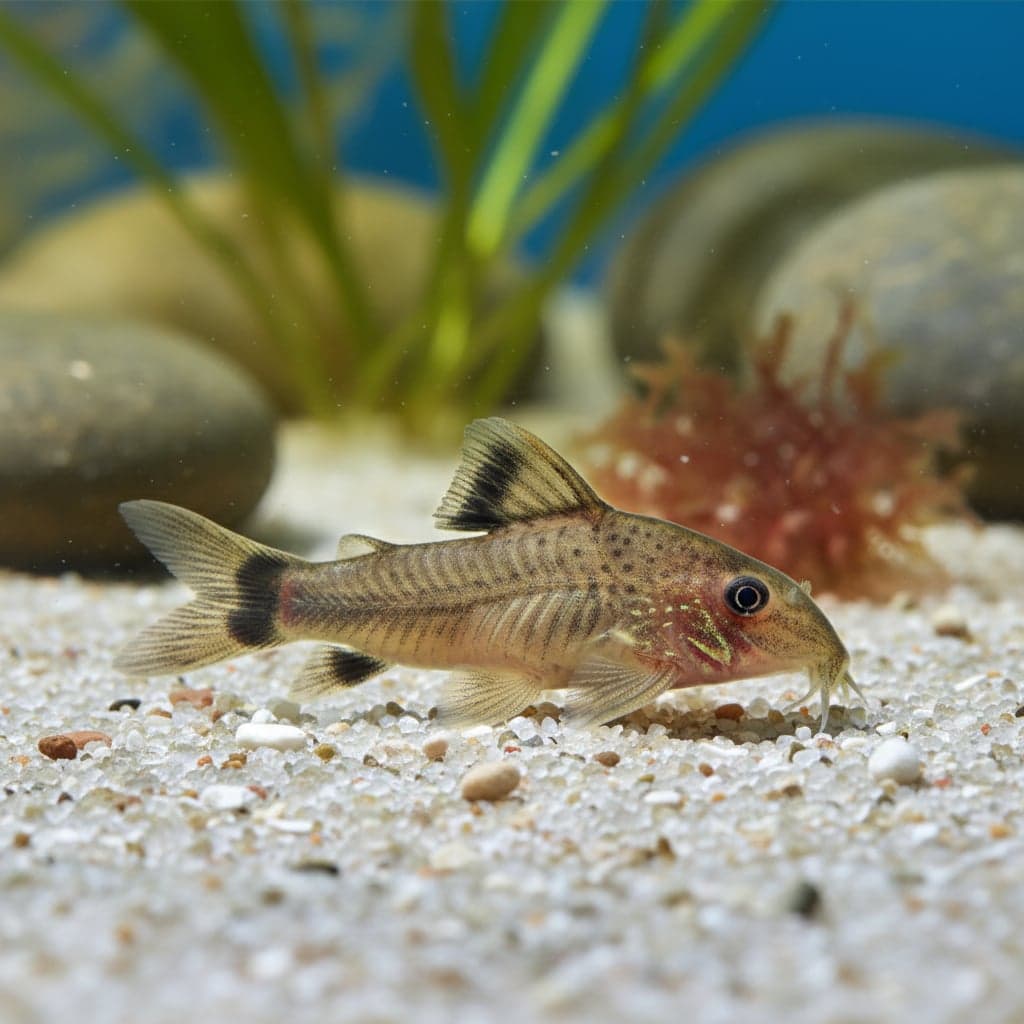
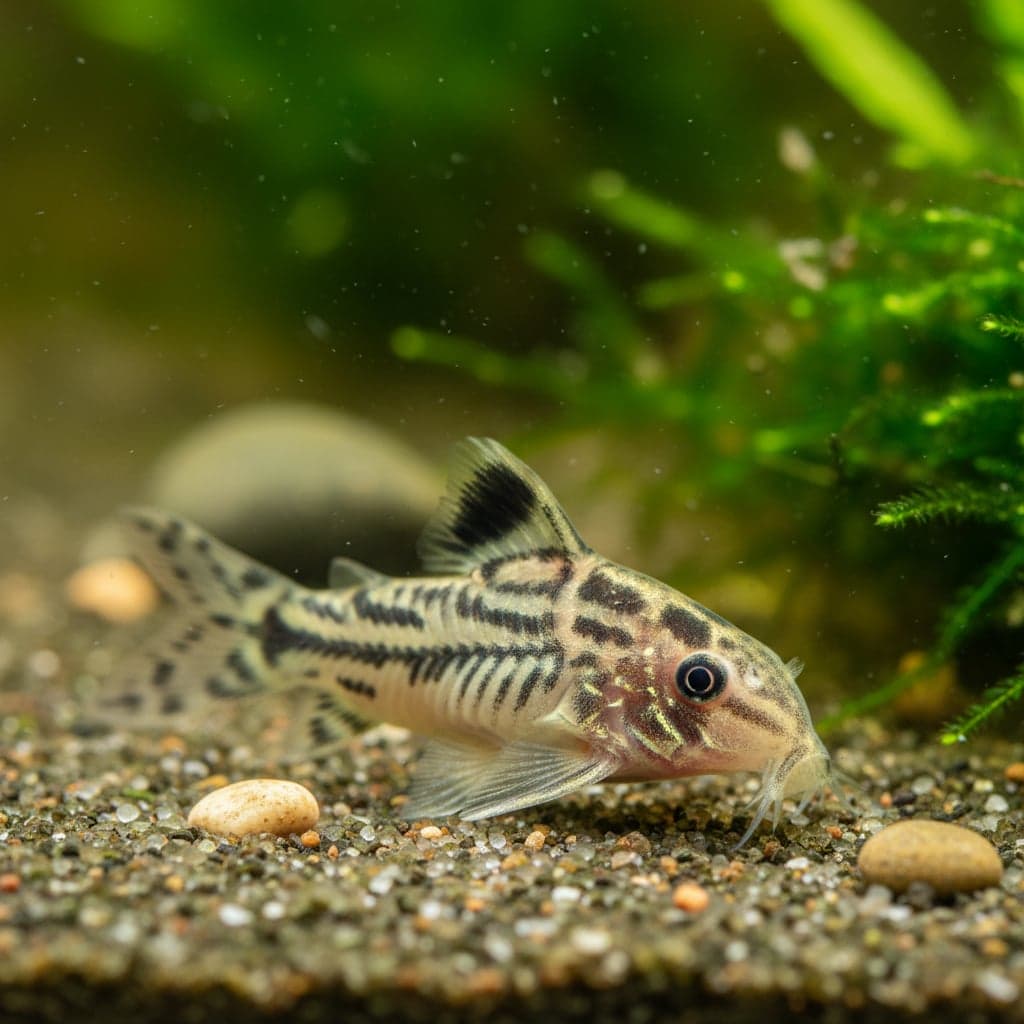
When selecting tank mates for Bolivian Rams, it is crucial to prioritize peaceful community species. Compatible fish include tetras (like Neon or Ember Tetras), azulterra species, various cories (such as Corydoras paleatus), and other small to medium-sized cichlids like the peaceful Apistogramma species. Species to avoid include larger or more aggressive fish like Oscars, Jack Dempseys, or large barbs that may intimidate or harm the Bolivian Rams. When creating a community tank, consider the size of the aquarium and the territorial behaviors of different species to ensure a harmonious environment.
Breeding
Breeding Bolivian Rams in captivity can be a rewarding experience, as these fish exhibit interesting courtship behaviors. A breeding pair will typically select a flat surface to lay eggs, such as a smooth rock or a leaf. The female can lay between 100 to 400 eggs, which she and the male will guard fiercely. Spawning behavior usually occurs when water conditions are optimum, specifically at a slightly acidic pH of around 6.4 to 6.8 and a temperature hovering around 80°F (27°C). To encourage breeding, offering a diet rich in protein and ensuring a well-maintained environment is essential.
After the eggs hatch, the parents will display protective behaviors, guiding the fry towards areas with cover. It is advisable to provide finely crushed flakes or special fry food once the fry are free-swimming. The parents may need to be removed from the breeding tank or monitored closely to prevent aggressive tendencies towards the fry.
Common Health Issues
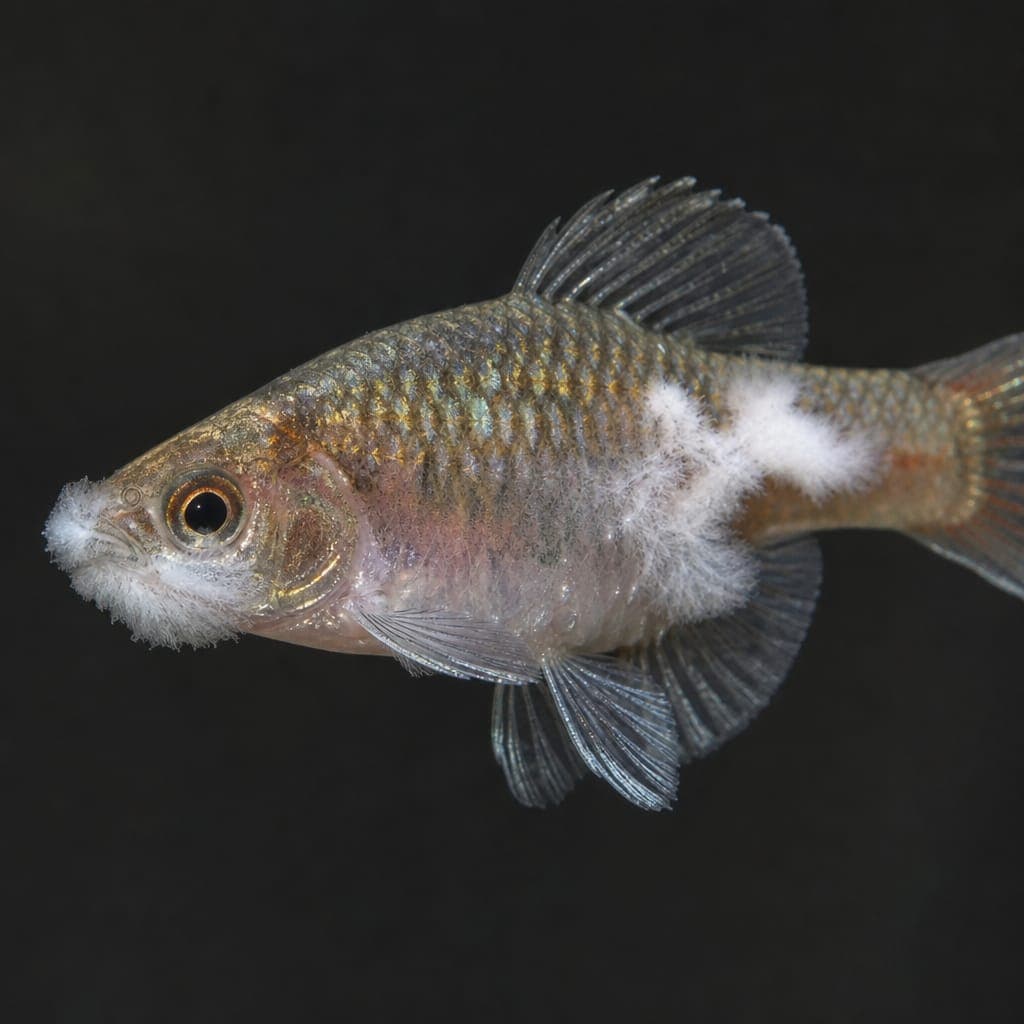
Though the Bolivian Ram is generally hardy, they can be susceptible to various health issues, including ich, fin rot, and fungal infections. Stress caused by poor water quality, aggressive tank mates, or incompatible breeding conditions can exacerbate these problems. Regular water changes, maintaining stable water parameters, and ensuring a well-planted, spacious environment can mitigate health risks. Monitoring water quality, along with proactive quarantine procedures for new additions to the aquarium, can also help prevent potential outbreaks. Regularly observing their behavior and physical condition will assist in early detection and timely treatment of health issues.