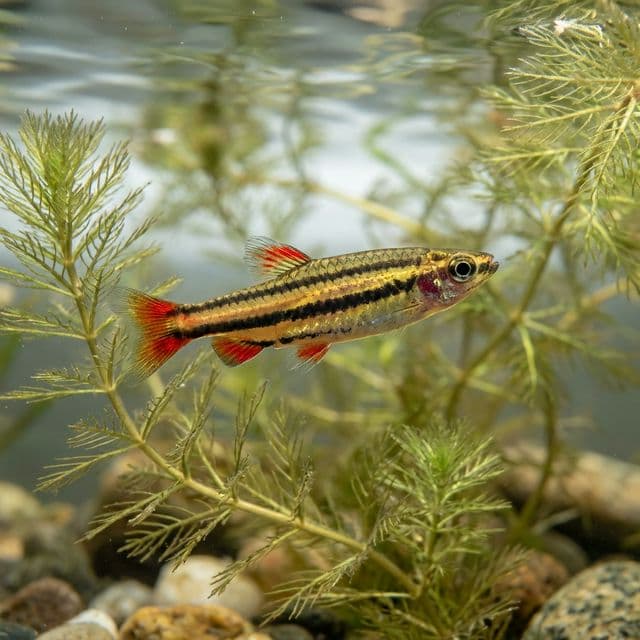
Boomerang Barb: Desmopuntius foerschi
Also known as the Foersch's Barb. A peaceful barb with green/gold sheen.
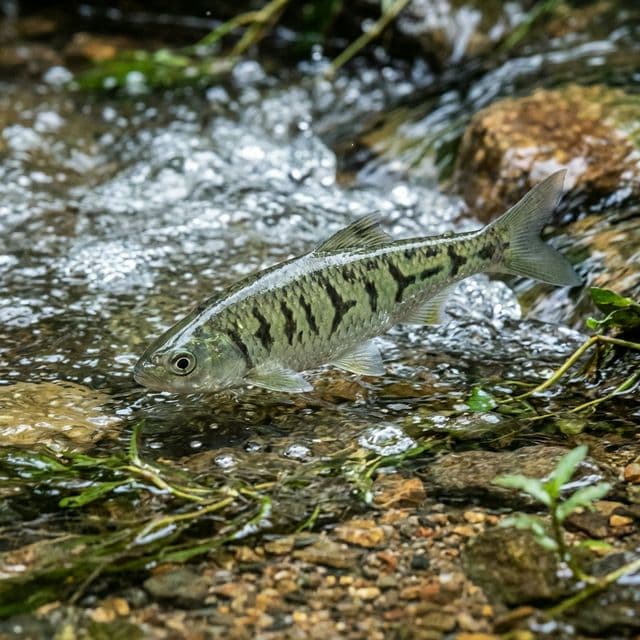
Boomerang Barb
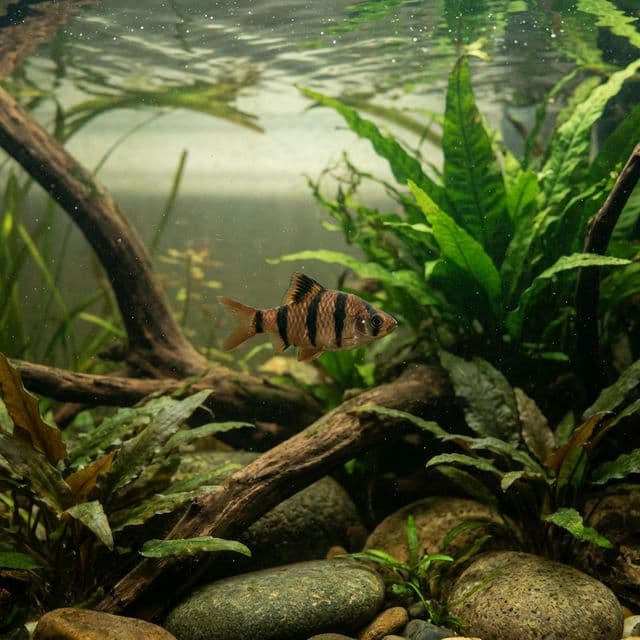
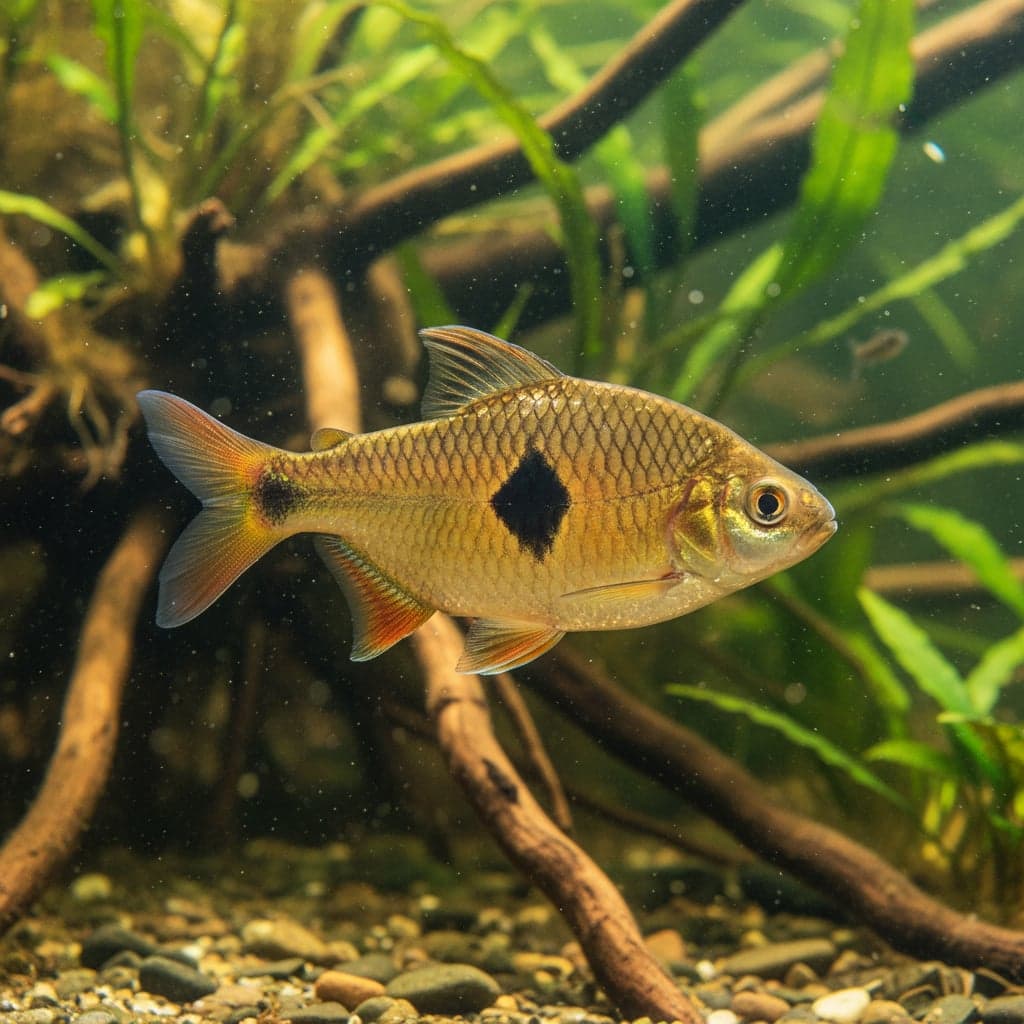
The Boomerang Barb, scientifically known as Desmopuntius foerschi, is a captivating fish that has garnered the admiration of aquarists worldwide. Primarily recognized for its striking coloration and streamlined body, the Boomerang Barb boasts a palette that includes vibrant yellowish-orange hues accented by elegant black markings that give it a distinctive boomerang-like appearance. These physical attributes not only enhance its aesthetic appeal but also contribute to its popularity among community tank enthusiasts, who appreciate its dynamic swimming patterns and lively disposition.
This species is not merely a visual delight; it also plays a critical role in the aquarium hobby. The Boomerang Barb is known for its hardiness and adaptability, making it an excellent choice for both beginners and seasoned aquarists. They are lively schoolers, which enriches the aquatic environment and creates a visually engaging display. Their vibrant colors and active behavior ensure that they stand out in any freshwater aquarium setup, thereby making them a valuable addition to community tanks.
Natural Habitat & Origin
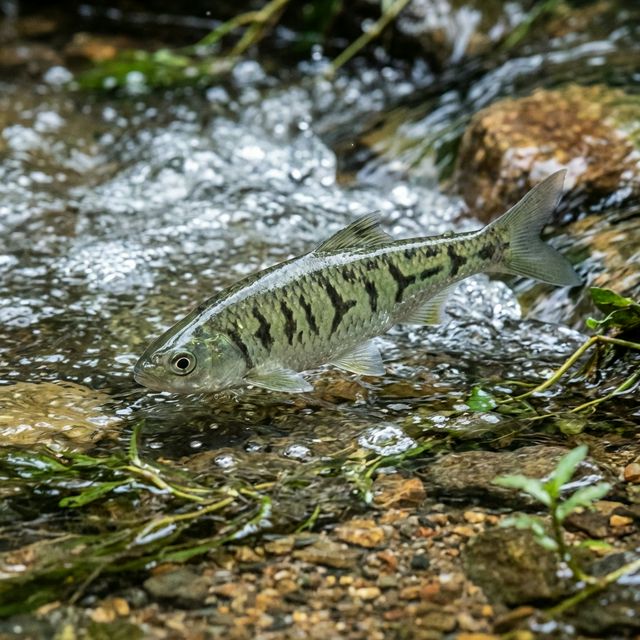
The Boomerang Barb is native to the freshwaters of Southeast Asia, specifically found in the regions of Borneo, Sumatra, and the Malay Peninsula. These fish thrive in diverse habitats, preferring still or slow-moving waters rich in vegetation. The majority of their natural environment consists of densely vegetated areas, where they inhabit calm rivers, streams, and swamps featuring a soft substrate and ample hiding spots.
In terms of water conditions, the natural habitats of the Boomerang Barb often include blackwater and clearwater ecosystems, which are characterized by lower pH levels and softer water. These environments provide the fish with essential cover and food sources, which range from tiny invertebrates to plant matter. Understanding their natural habitat is crucial for recreating a similar environment in captivity, ensuring that their needs are met and enhancing their well-being.
Care Requirements
To successfully keep Boomerang Barbs, aquarists must provide specific water parameters that cater to their needs. Ideally, the pH should range from 6.0 to 7.5, with a temperature between 24°C to 28°C (75°F to 82°F). Water hardness should be relatively low, ideally around 5 to 15 dGH. Maintaining these parameters is essential for fostering a healthy and vibrant environment for the fish.
The tank setup for Boomerang Barbs should include a minimum tank size of 60 liters (15 gallons) to accommodate their social nature and swimming activity. A fine gravel substrate provides the ideal foundation, as it mimics their natural habitat. Lighting should be moderate, as Boomerang Barbs thrive in subtly illuminated environments that highlight their vibrant colors while allowing for plenty of shaded areas created by live plants. Incorporating lush vegetation, driftwood, and rock formations not only enhances the tank's aesthetic but also provides the essential hiding spots that promote security and reduce stress.
Diet & Feeding
Boomerang Barbs are classified as omnivores, which allows them to thrive on a varied diet in captivity. They exhibit a healthy appetite and enjoy a mixture of high-quality flake and pellet foods that cater to their dietary needs. Additionally, supplementing their diet with frozen or live foods such as brine shrimp, daphnia, and bloodworms can enhance their health and coloration, providing the necessary nutrients for optimal growth and vitality.
It is beneficial to offer a balanced diet that includes both vegetable matter and protein-rich foods to meet their nutritional requirements effectively. Fine-grained vegetable-based flakes or spirulina can also be introduced to their diet, promoting digestive health and colorful display. Providing multiple food sources not only ensures a balanced diet but also stimulates natural foraging behavior, further enriching their aquarium experience.
Behavior & Temperament
The Boomerang Barb is known for its friendly and social disposition, making it an ideal candidate for community aquariums. They are active swimmers that appreciate being in groups, usually requiring a school of at least six individuals to feel secure and exhibit their natural behaviors. When kept in appropriate numbers, they tend to display more vibrant colors and engage in playful interactions with each other.
Regarding aggression levels, Boomerang Barbs are peaceful and non-territorial, although they may show semi-aggressive tendencies when kept with very small or shy fish. Typically, these fish occupy the middle to upper levels of the tank, where they dart about energetically, showcasing their agility and grace. An understanding of their behavior will help aquarists create an engaging environment that meets their social needs.
Tank Mates
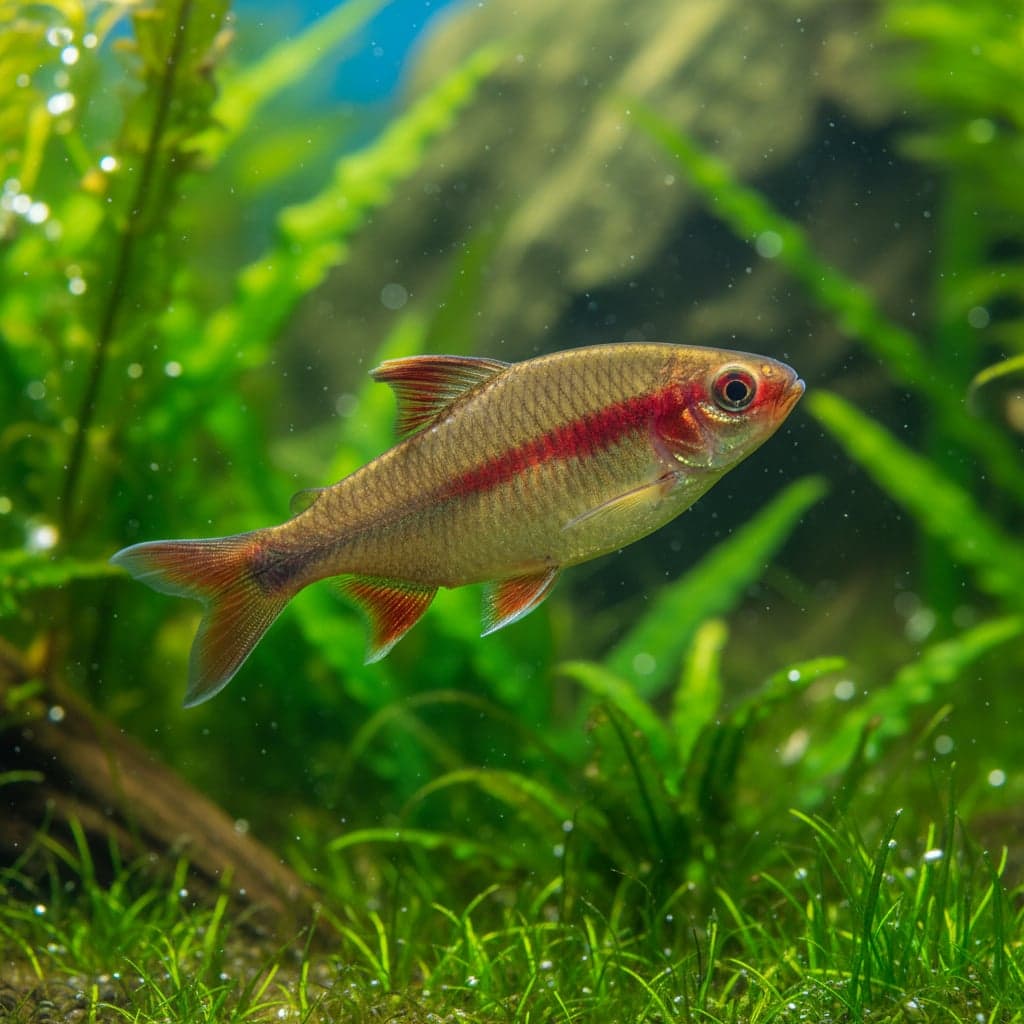
When selecting tank mates for the Boomerang Barb, it is crucial to choose species that share similar temperaments and environmental requirements. Ideal compatible species include peaceful fish such as Tetras, Rasboras, and other small to medium-sized Barbs. Suitable combinations also include Catfish like Corydoras and certain species of Gouramis, who will foster a harmonious community within the aquarium.
Conversely, it is advisable to avoid placing the Boomerang Barb with overly aggressive or territorial species, such as Cichlids or larger predatory fish, as these could stress or intimidate them. Moreover, very timid fish might not thrive in an environment with active swimmers like Boomerang Barbs. Careful consideration of tank mates ensures a balanced ecosystem that promotes the health and well-being of all inhabitants.
Breeding
Breeding Boomerang Barbs in captivity can be rewarding, though it requires specific conditions to encourage spawning. Typically, they spawn in groups within a well-planted breeding tank that mimics their natural environment, offering ample hiding spots and soft substrate. Conditions such as slightly acidic water (pH 6.0–6.5) with a temperature around 25°C (77°F) can encourage successful spawning.
During the spawning process, females will scatter eggs among the plants while males chase and display for them. After spawning, it's essential to remove adult fish from the breeding tank, as they may consume the eggs. The eggs hatch in about 24 to 36 hours, and the fry should be fed finely crushed flakes or powdered food until they grow large enough to accept larger offerings. Providing a safe and nurturing environment ensures a successful breeding cycle for the Boomerang Barb.
Common Health Issues
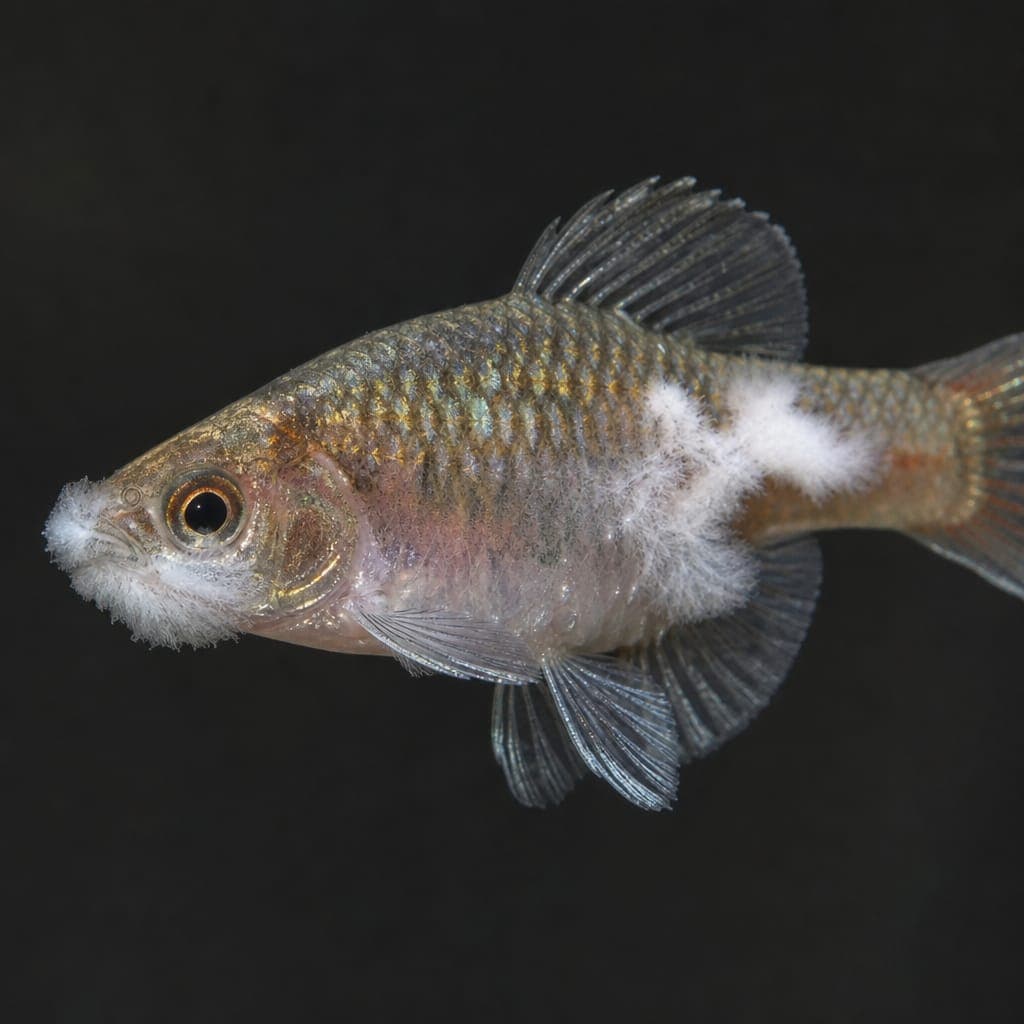
While the Boomerang Barb is generally hardy, it can be prone to specific health issues if not cared for properly. Common ailments include ich, fin rot, and fungal infections, often arising from poor water quality or stress due to overcrowding. Regular water changes and maintaining a clean tank environment are critical in preventing these diseases.
Additionally, monitoring tank conditions and observing for any signs of illness, such as changes in behavior, appetite, or physical appearance, allows for early intervention and treatment. Prompt and appropriate measures, such as quarantining affected individuals and using suitable medications, can ensure the overall health and longevity of the Boomerang Barbs in your aquarium.