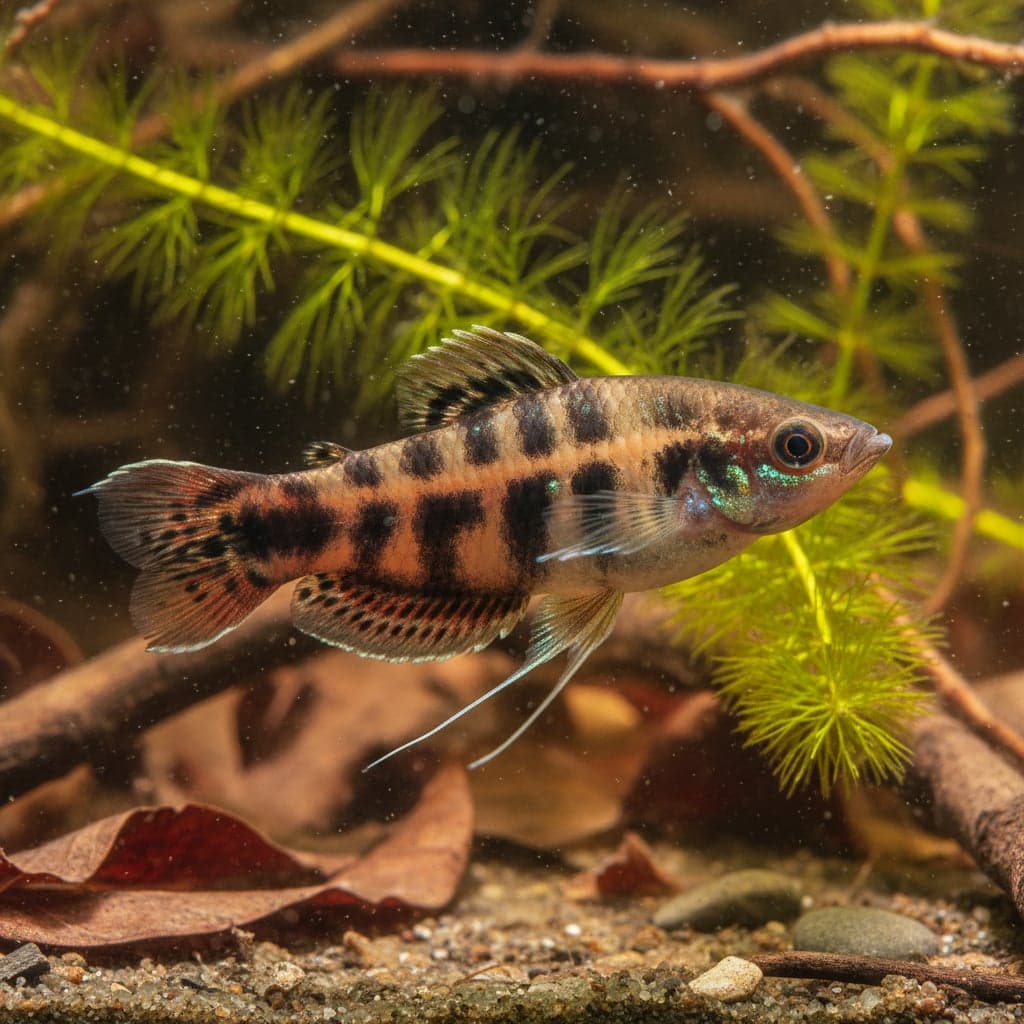
Borneo Redline Halfbeak: Hemirhamphodon tengah
A delicate surface dweller. Males have a distinct red line. Excellent for blackwater set ups.
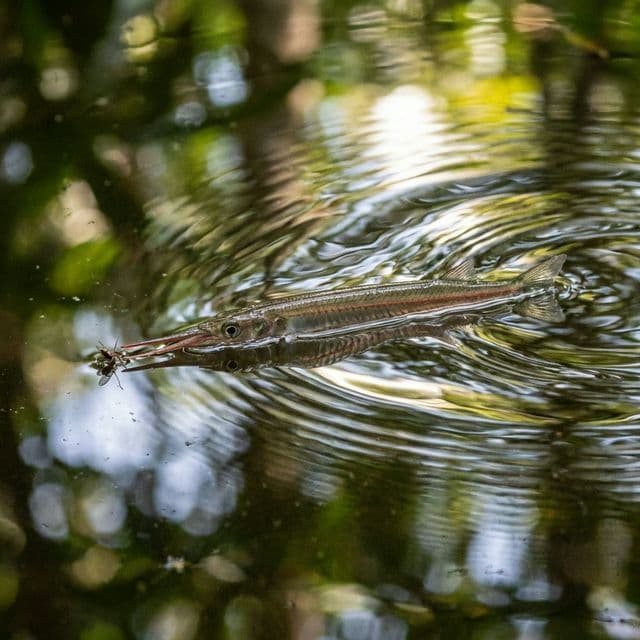
Borneo Redline Halfbeak
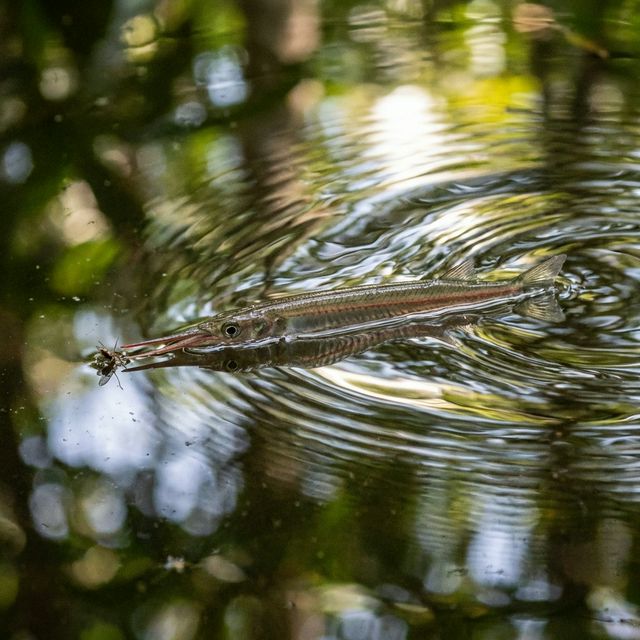
The Borneo Redline Halfbeak, scientifically known as Hemirhamphodon tengah, is a captivating freshwater fish native to the lush waters of Southeast Asia. This species is particularly cherished in the aquarium hobby for its striking appearance and unique body shape, characterized by elongated jaws that project outward. With a vibrant red stripe that runs along its dorsal side, coupled with a silvery sheen, this halfbeak easily becomes the focal point of any aquarium. Its mesmerizing swimming style and peaceful demeanor make it an attractive addition for both novice and experienced aquarists alike, contributing to its popularity in home aquariums.
In addition to its visual appeal, the Borneo Redline Halfbeak plays a significant ecological role in its native habitats. Its behavior in the wild is closely tied to its environment, primarily feeding on small insects and zooplankton. This position within the food web highlights its importance in aquatic ecosystems, as it helps control insect populations while serving as prey for larger species. As the aquarium hobby grows, the emphasis on maintaining biodiversity and awareness regarding the conservation of natural habitats fosters a greater appreciation for species like the Borneo Redline Halfbeak.
Natural Habitat & Origin
The Borneo Redline Halfbeak is endemic to the coastal regions of Borneo, particularly in brackish and freshwater streams flowing through peat swamps and mangrove forests. These habitats often exhibit blackwater characteristics, with tinted waters rich in humic substances derived from decomposing plant material. The natural environments of the Borneo Redline Halfbeak serve as a sanctuary that provides essential parameters conducive to its thriving; such conditions include low light and densely vegetated areas, which offer protection from predators and a plentiful food supply.
In the wild, the Borneo Redline Halfbeak is typically found in slow-moving waters where it can navigate through dense aquatic vegetation. The biotope is characterized by a variety of plant species and roots, serving both as shelter and foraging grounds. The overall ecological context is one of delicate balance, where these fish contribute to biodiversity, thriving in conditions that mimic their natural habitat while adapting to small-scale environmental variations.
Care Requirements
When setting up an aquarium for the Borneo Redline Halfbeak, attention to water parameters is essential for their well-being. A recommended temperature range is between 24°C and 28°C (75°F to 82°F), with a pH level maintained between 6.0 and 7.5. The water hardness should ideally be kept between 2 to 10 dGH, mimicking the soft, acidic conditions found in their natural habitats. A minimum tank size of 60 liters (15 gallons) is suggested to provide enough swimming space for these active fish and maintain stable water parameters.
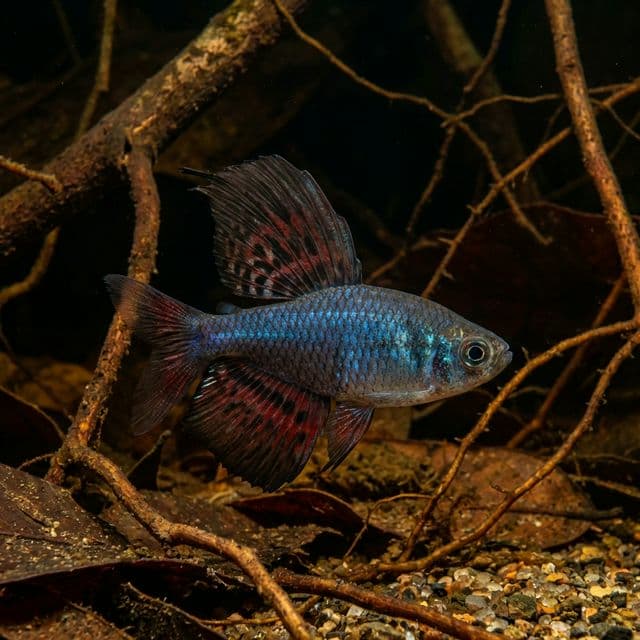
The tank setup should incorporate a soft substrate like sand or fine gravel, allowing for easy cleaning and minimizing harm to the fish's delicate bodies. Additionally, low to moderate lighting is preferable, as it replicates the shaded environments typical of their native waters. A well-planted tank with various species of aquatic plants will not only enhance the aesthetics but also create hiding spots, which can help reduce stress for the Borneo Redline Halfbeak. Floating plants can be especially beneficial, as they provide shaded areas and help keep the water surface calm, creating an optimal environment for these shimmering fish.
Diet & Feeding
The Borneo Redline Halfbeak is an omnivorous species that thrives on a varied diet. In captivity, these fish will readily accept high-quality flakes and granules specifically formulated for tropical fish, alongside staple foods like sinking pellets. Although these prepared foods are essential, it is crucial to also provide supplementary offerings such as frozen or live foods; options include brine shrimp, bloodworms, or daphnia. This variety not only helps ensure a well-rounded diet but also stimulates natural foraging behaviors that keep the fish active and healthy.
Feeding should be conducted multiple times a day, with small portions offered to prevent overfeeding and maintain water quality. Given their active lifestyles and smaller mouths, it is advisable to choose foods that are appropriately sized. A diverse diet will contribute to the overall vibrancy and health of the Borneo Redline Halfbeak, promoting their natural beauty and resilience.
Behavior & Temperament
The Borneo Redline Halfbeak is a serene and peaceful species, making it an excellent choice for community aquariums. These fish are best kept in groups, exhibiting schooling behavior that promotes social interaction among individuals. Consistent schooling not only provides comfort but also reduces stress, helping to create a more vibrant tank dynamic. Typically, a group of at least six individuals is recommended to ensure proper social behavior and stability within the aquarium.
In terms of tank placement, the Borneo Redline Halfbeak often inhabits the upper strata of the tank. They delight in swimming near the surface while occasionally darting downwards to forage. It's essential to create vertical space in the tank, allowing these fish to exhibit their natural behaviors while ensuring they feel secure. Their peaceful temperament means they coexist well with most other species, but caution should be exercised to avoid overly aggressive tankmates.
Tank Mates
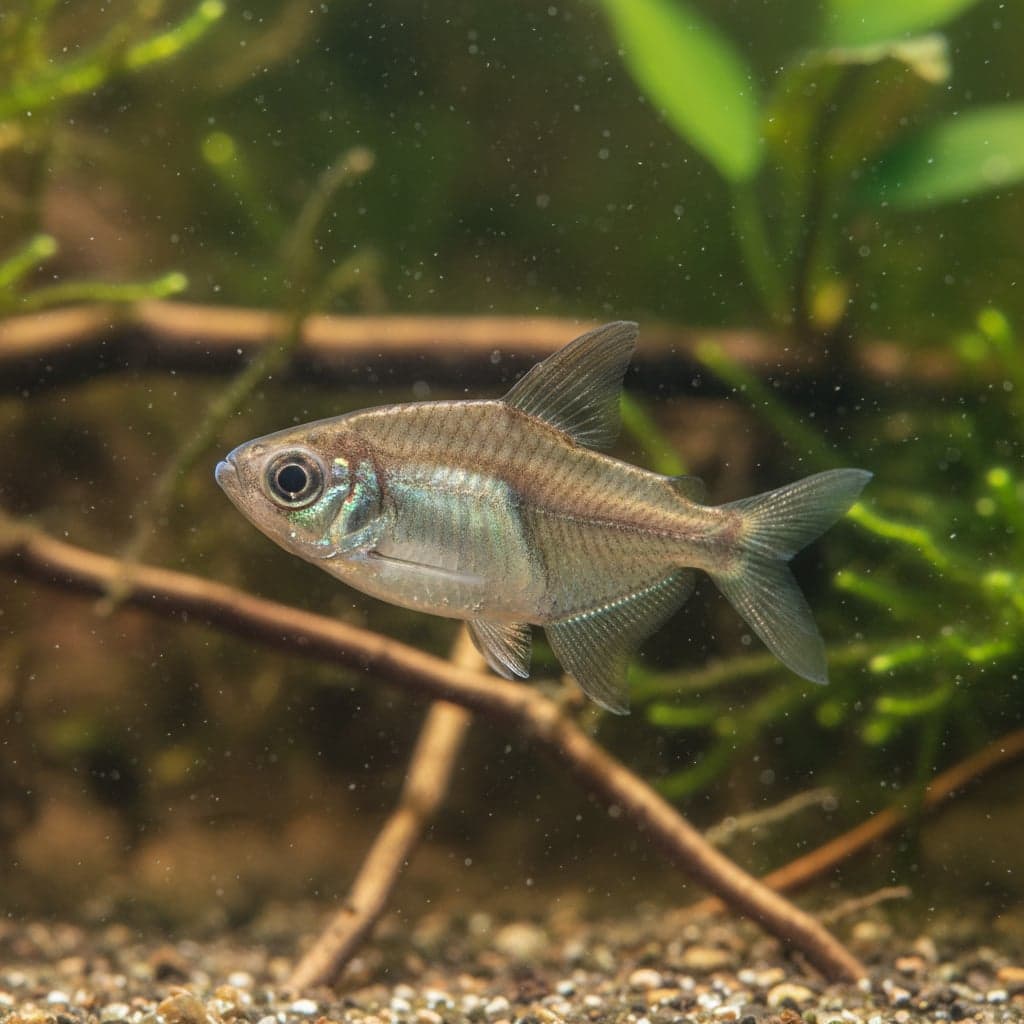
When selecting tank mates for the Borneo Redline Halfbeak, it is essential to choose species that share similar water parameters and exhibit compatible temperaments. Ideal companions include peaceful schooling fish such as Tetras, Rasboras, and smaller Danios. Additional suitable choices feature non-aggressive species like Gouramis, some types of Barbs, and variety of shrimp such as Amano shrimp. These fish complement the Borneo Redline Halfbeak well, contributing to an aesthetically pleasing and harmonious aquarium.
Conversely, aggressive or territorial species should be avoided, as they may stress or harm the Borneo Redline Halfbeak. Large cichlids, aggressive barbs, and fin-nipping species, such as some types of larger Tetras, can pose significant risks. Ensuring a compatible tank environment aligns closely with the well-being of the Borneo Redline Halfbeak and overall peace within the aquarium community.
Breeding
Breeding the Borneo Redline Halfbeak in captivity requires specific conditions to encourage spawning. These fish are egg scatterers, so it is beneficial to set up a breeding tank with fine-leaved plants or spawning mops that can provide a substrate for eggs to adhere to. Recommended water conditions for breeding include a slightly higher temperature, around 28°C (82°F) and a pH level between 6.0 and 6.5, which mimics the warm, soft waters they are accustomed to.
In terms of nutrition, providing high-quality live foods prior to breeding can help condition the breeding pair, enhancing their chances of successful spawning. After the eggs are laid, it is advisable to remove the parent fish to prevent them from consuming their offspring, allowing the hatchlings (which typically emerge within 24-36 hours) to grow safely. The fry will thrive on infusoria or finely crushed flakes until they grow large enough to handle more substantial food.
Common Health Issues
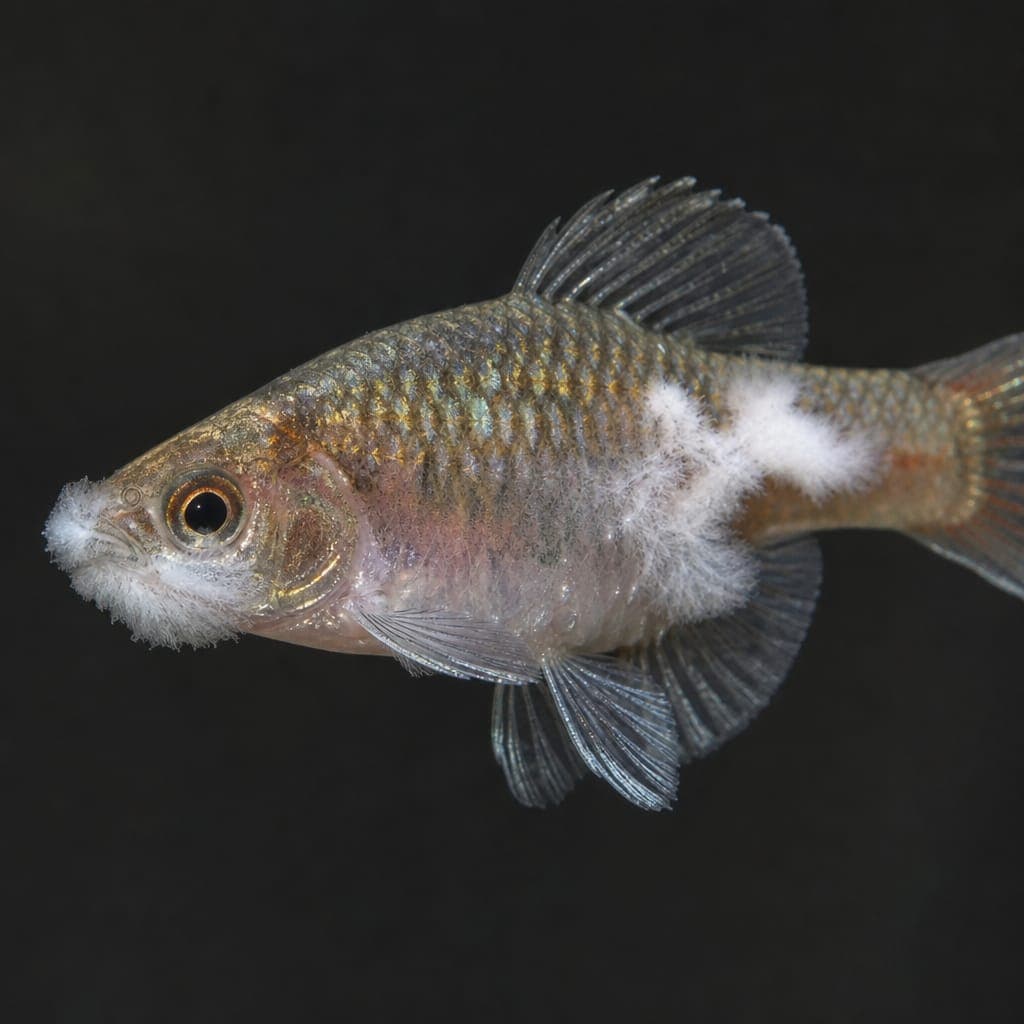
While the Borneo Redline Halfbeak is generally hardy, it can be susceptible to a few common health issues prevalent in aquariums. Some of the diseases include ich (whitespot disease), fin rot, and fungal infections. Preventative measures such as maintaining clean water, stable parameters, and quarantining new arrivals help prevent outbreaks. Fin rot and fungal infections often follow stress from overcrowding or sudden temperature swings. Provide gentle filtration, a secure lid, and a varied live or frozen diet. Watch for white spots, frayed fins, or refusal to feed at the surface, and isolate affected fish for treatment. With consistent husbandry, Borneo Redline Halfbeaks remain hardy, colourful surface fish for years.