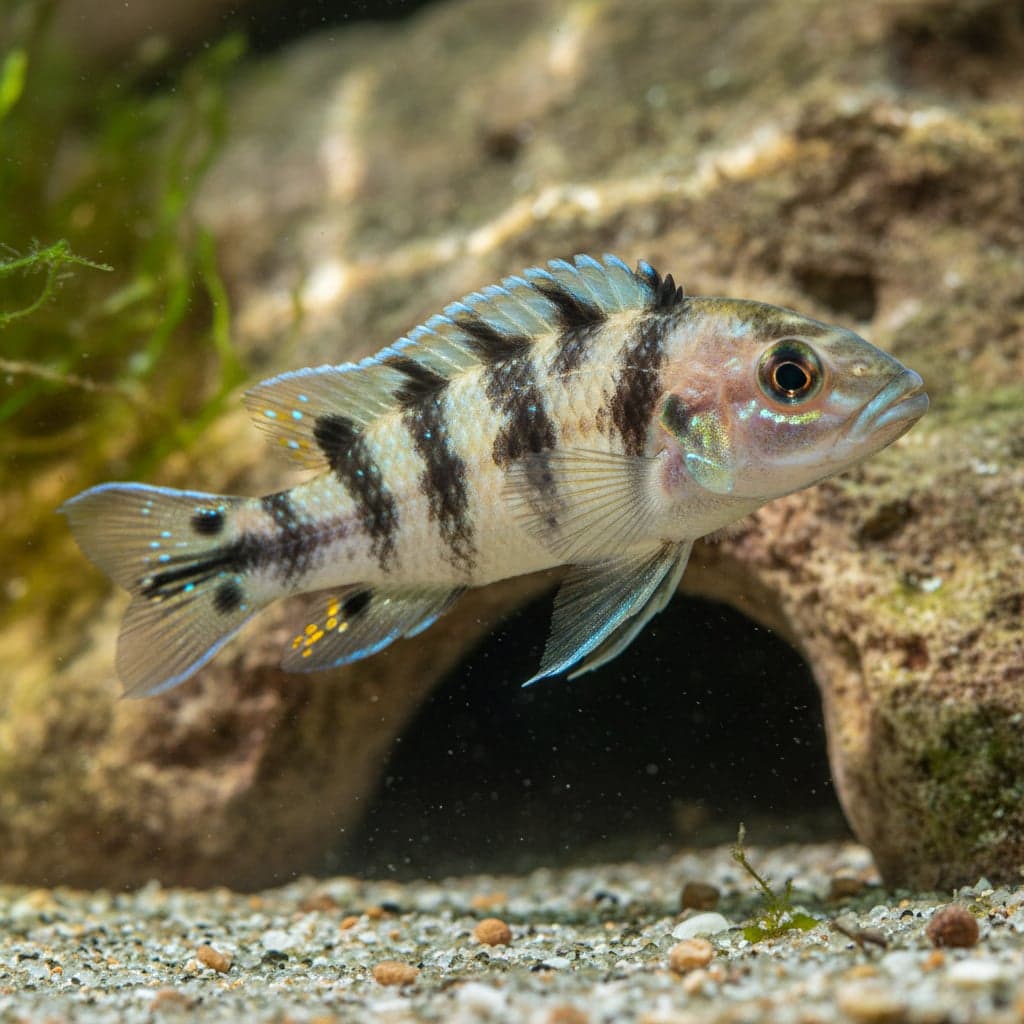
Brevis Shelldweller: Neolamprologus brevis
A popular shell-dwelling cichlid from Lake Tanganyika. Unique because male and female often share the same shell.
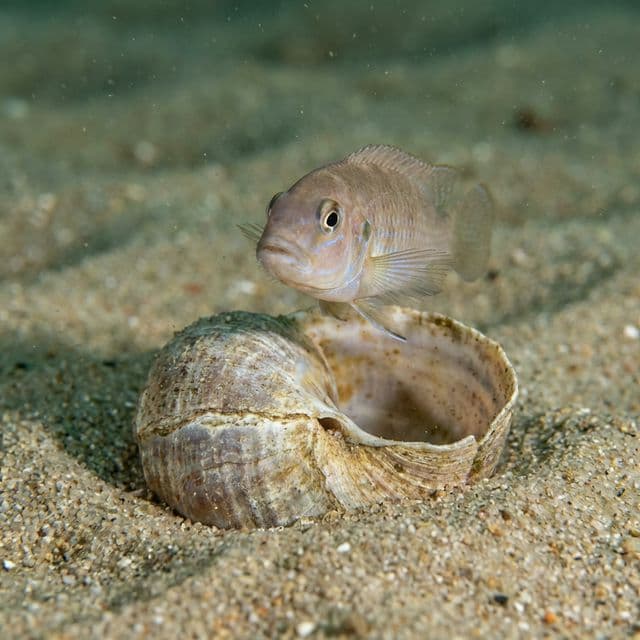
Brevis Shelldweller
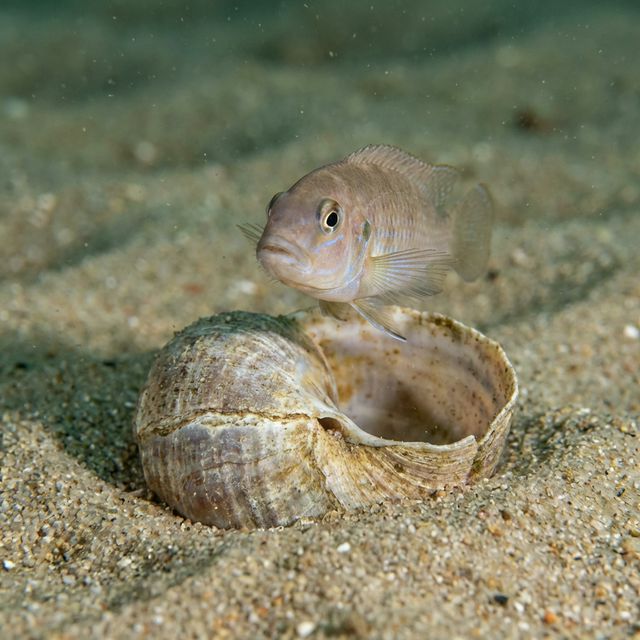
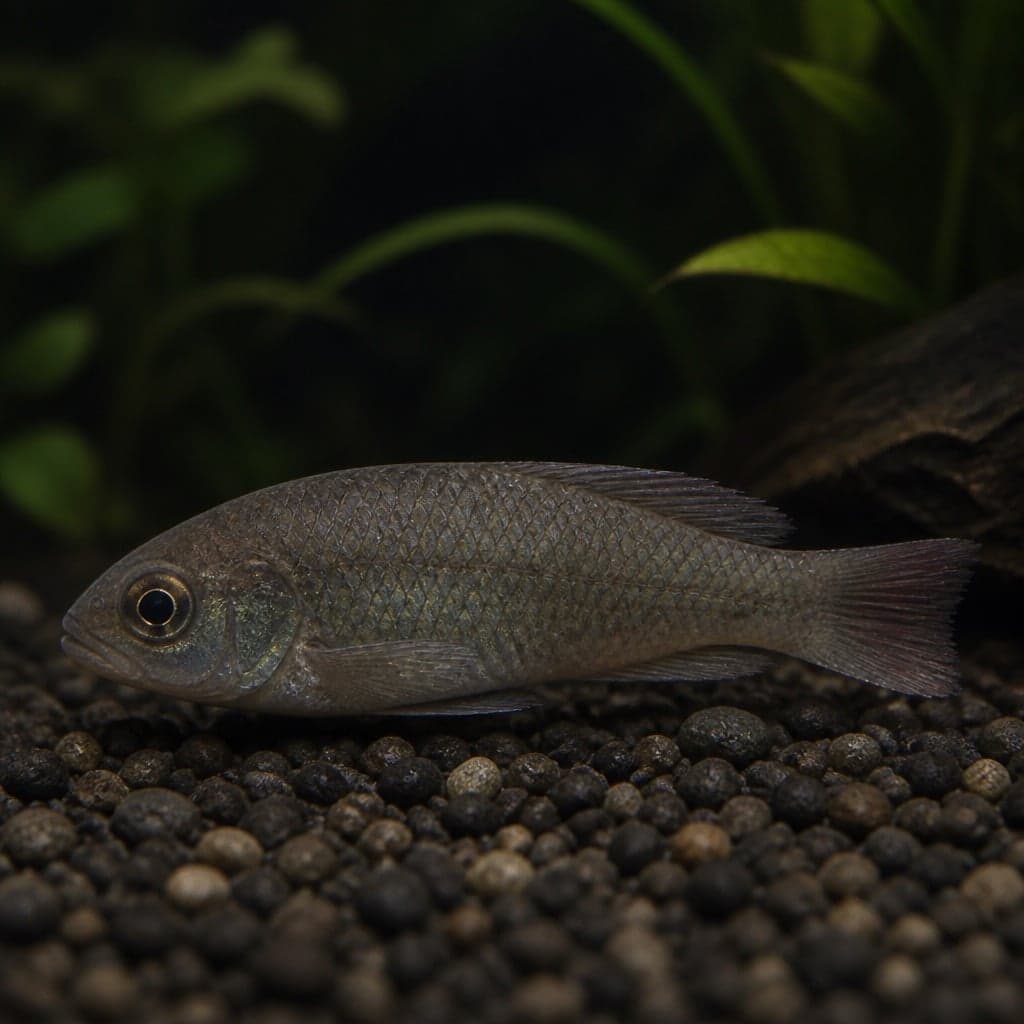
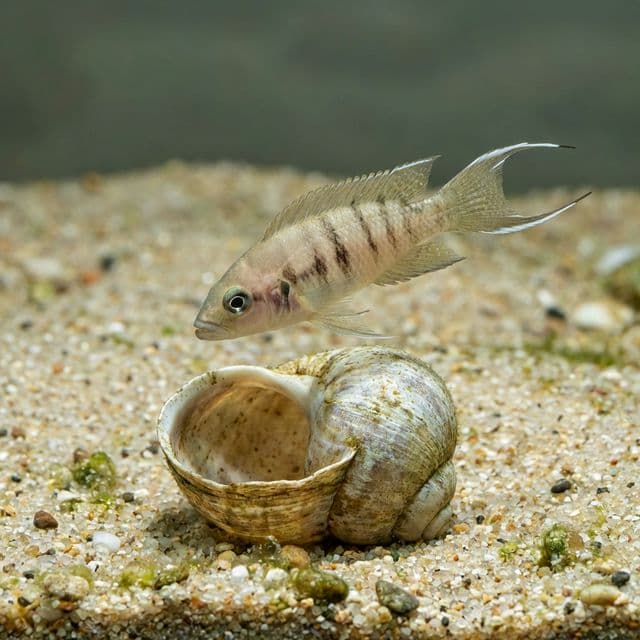
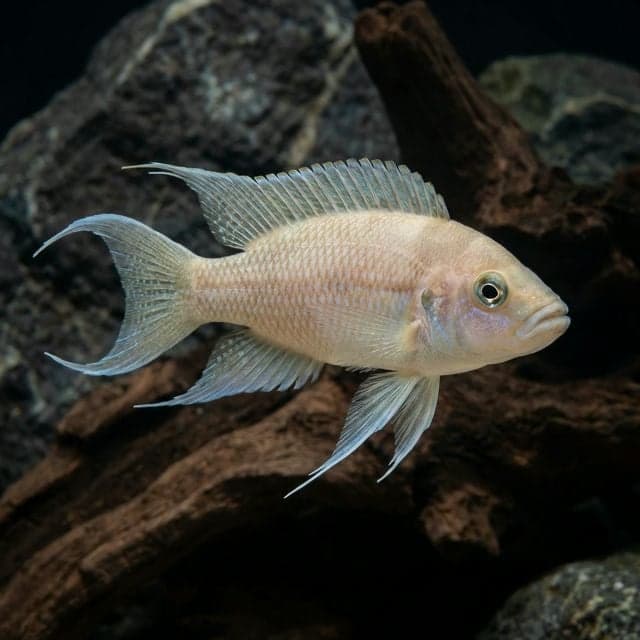
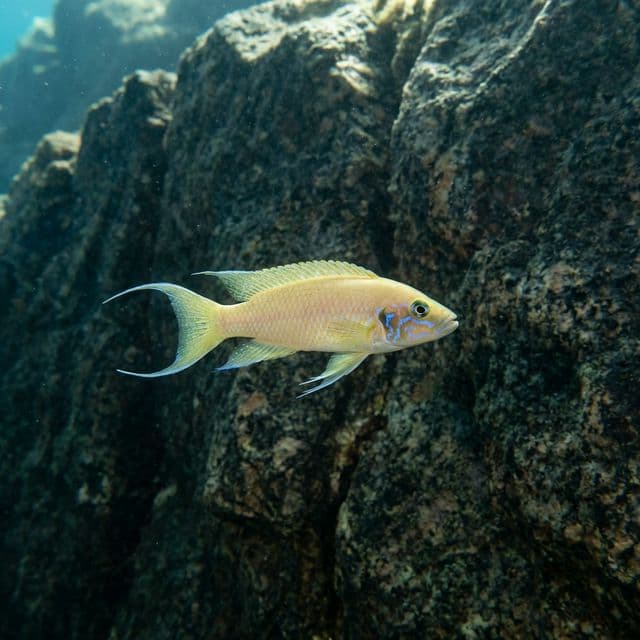
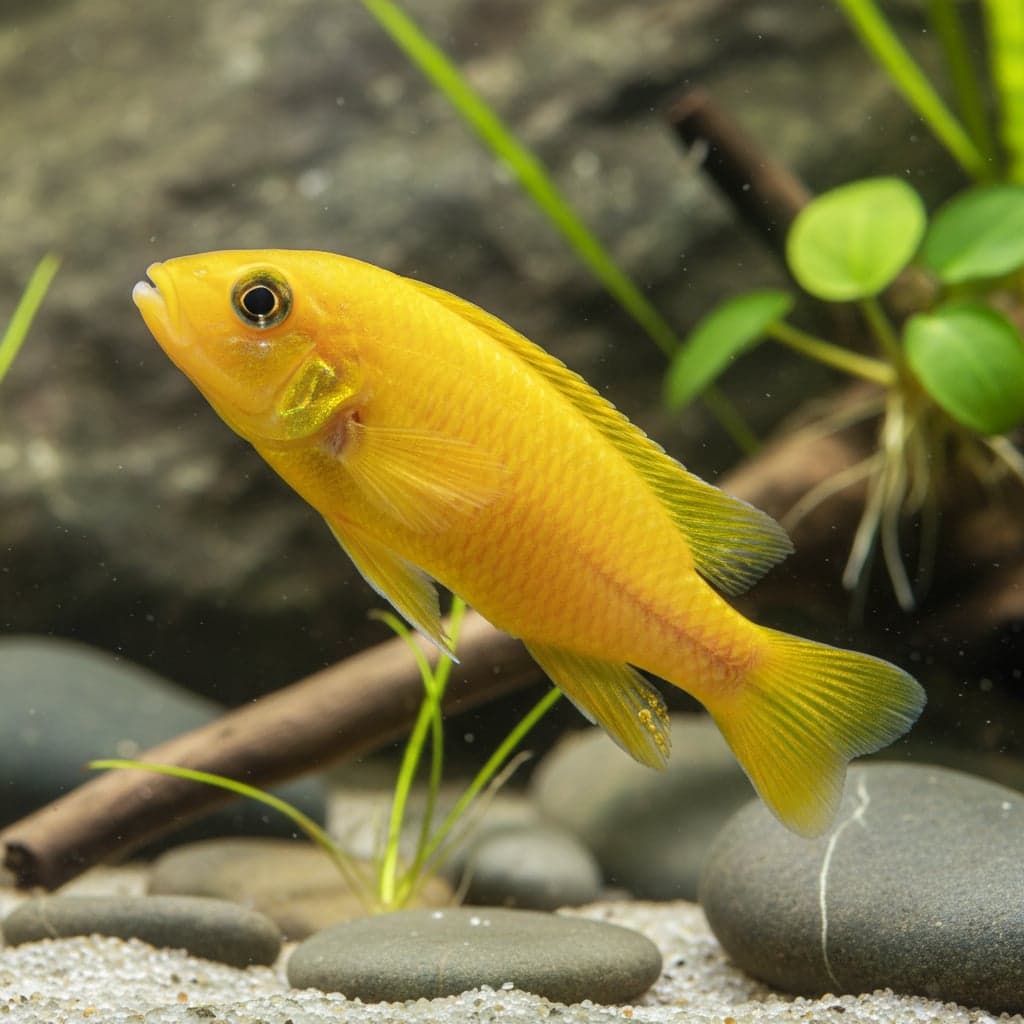
The Brevis Shelldweller, scientifically known as Neolamprologus brevis, is a charming and small cichlid that originates from the African Great Lakes, specifically Lake Tanganyika. Renowned for its unique behavior and captivating looks, this fish typically showcases a beautiful yellow to golden body adorned with subtle dark markings. Its distinctive elongated shape and peaceful demeanor make it a favorite among aquarists, especially those who appreciate dwarf cichlids. As a shell-dwelling species, the Brevis Shelldweller creates a picturesque addition to any aquarium, as they are often seen hiding in small conch or snail shells, which they consider their homes.
In addition to its aesthetic appeal, the Brevis Shelldweller holds significant importance in the aquarium hobby due to its fascinating behaviors. Unlike many other cichlid species, which can exhibit aggressive tendencies, Brevis Shelldwellers are generally more peaceful and can thrive in smaller community tanks. Their unique nesting behavior inside shells and the aspect of territoriality make them an engaging species to observe. For hobbyists interested in biotope aquariums, the breeding habits and intricate social structures of this fish provide endless opportunities for exploration and education.
Natural Habitat & Origin
The Brevis Shelldweller is native to the rocky shores of Lake Tanganyika, which straddles the borders of four African countries: Burundi, the Democratic Republic of the Congo, Zambia, and Tanzania. This unique habitat is characterized by its clear, high-alkalinity waters and varied substrate, ranging from sand to rock formations that provide ample hiding spots. The Brevis Shelldweller primarily inhabits shallow areas where they can find suitable shells for shelter and breeding, making it an integral part of the region's ecosystem. They thrive in environments rich in available caves and crevices, offering protection from predators and a safe environment for breeding.
The water in Lake Tanganyika is typically mineral-rich, with a pH that ranges from 8.5 to 9.5, showcasing the importance of replicating these conditions in captivity for the well-being of Brevis Shelldwellers. The temperature in their natural habitat averages between 25°C to 30°C (77°F to 86°F), with a soft to moderately hard water composition. Understanding this ecological context helps aquarists create a successful home environment that mimics the natural conditions these fascinating fish require.
Care Requirements
When setting up an aquarium for Brevis Shelldwellers, it is crucial to replicate their natural habitat as closely as possible. A minimum tank size of 20 gallons is recommended, providing ample space for swimming and establishing territories. A sandy substrate is ideal, as it closely resembles their native environment, allowing them to sift through the sand in search of food and shells. The introduction of shells—such as empty conch shells or larger snail shells—will facilitate natural nesting behavior, as these fish are known for their affinity for shell-dwelling.
In terms of water parameters, Brevis Shelldwellers prefer a pH level between 8.0 and 9.5, a temperature range of 24°C to 28°C (75°F to 82°F), and hardness between 10 to 20 dGH. The lighting should mimic the natural sunlight of Lake Tanganyika; thus, moderate lighting is ideal to encourage plant growth while avoiding excessive brightness. Adding hardy aquatic plants that can thrive in alkaline conditions, such as Anubias or Java Fern, can enhance the tank's aesthetic and provide additional hiding spots.
Diet & Feeding
The Brevis Shelldweller is primarily an omnivore, requiring a well-rounded diet to maintain vibrant health and coloration. In captivity, they thrive on high-quality protein-based flakes or pellets formulated for cichlids, which should be complemented with frozen or live foods such as brine shrimp, daphnia, or bloodworms. These proteins not only support their physical health but also enhance their color brilliance.
Incorporating a variety of foods, including spirulina-based flakes and vegetable matter, will ensure balanced nutrition and promote optimal health. It is advisable to feed these fish small amounts two to three times a day, allowing only a few minutes for them to consume the food. Careful attention to their feeding habits can prevent overfeeding, which can lead to poor water quality and health issues.
Behavior & Temperament
Brevis Shelldwellers are well-known for their charming social behavior and relatively peaceful temperament, especially when compared to other cichlid species. They usually exhibit a shy disposition and are often seen schooling in pairs or small groups, giving them a communal feel in the tank. Although they can be territorial, particularly during breeding, their aggression levels remain low compared to other cichlids, making them suitable for community aquariums when housed with similar-sized or less aggressive fish.
In terms of vertical placement, Brevis Shelldwellers primarily occupy the lower to middle regions of the aquarium. They enjoy exploring the substrate as well as darting in and out of their chosen shells, making them fun to observe. To encourage their natural behavior, provide plenty of hiding spots, broken shells, and strategically placed decorations that allow them to establish territories without feeling overly confined.
Tank Mates
Choosing compatible tank mates for Brevis Shelldwellers is crucial for maintaining harmony in the aquarium. Ideal companions include smaller, non-aggressive fish that are not territorial, such as other shell-dwelling cichlids, small tetras, and peaceful species like the Corydoras catfish. Fish such as Neolamprologus similis and Lamprologus ocellatus are often recommended for their cohabitation success.
Conversely, it is best to avoid aggressive or larger species that could intimidate or prey on the Brevis Shelldwellers, including larger cichlids (such as those from the Mbuna genus), aggressive barbs, and fin-nippers. Overall, the goal is to create a diverse tank that respects the Brevis Shelldeller's peaceful nature and allows for a thriving, balanced ecosystem.
Breeding
Breeding Brevis Shelldwellers can be a rewarding endeavor for aquarists willing to provide the right conditions. In captivity, they are known to exhibit interesting spawning behaviors, often utilizing shells as nesting sites. To encourage breeding, maintain stable water parameters—aiming for a slightly higher pH and temperature within their preferred ranges—and ensure that plenty of empty shells are accessible for nests.
Pair bonding is crucial, as these fish often form monogamous relationships. Once the female is ready to spawn, she will lay her eggs inside a shell, while the male guards the territory, warding off potential threats. After hatching, the fry can be very vulnerable, so it is advisable to provide ample shelter and feed them specialized fry food or crushed flakes to ensure their healthy growth. With patience and the right environment, aquarists can witness the delightful life cycle of Brevis Shelldwellers firsthand.
Common Health Issues
While Brevis Shelldwellers are generally hardy fish, they are still susceptible to some common aquatic health issues. One of the primary concerns is ich (Ichthyophthirius multifiliis), a parasitic infection that can occur due to stress or poor water quality. Preventive measures include quarantining new fish, keeping water pristine, and avoiding sudden parameter swings that spike stress. Provide enough empty shells so competition stays low and immunity stays strong. Watch for white spots, clamped fins, or lethargy, and treat promptly in a separate tank. A stable hard, alkaline Tanganyika setup with regular water changes and a varied diet keeps Brevis Shelldwellers healthy, colourful, and active among their shells for years.