Brichard's Tropheus: Tropheus brichardi
A Tropheus species from Lake Tanganyika. Requires a specialized setup.

Brichard's Tropheus
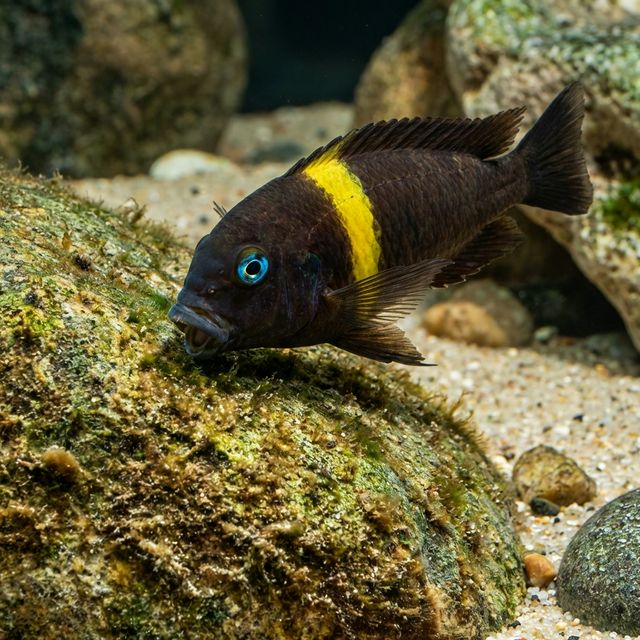
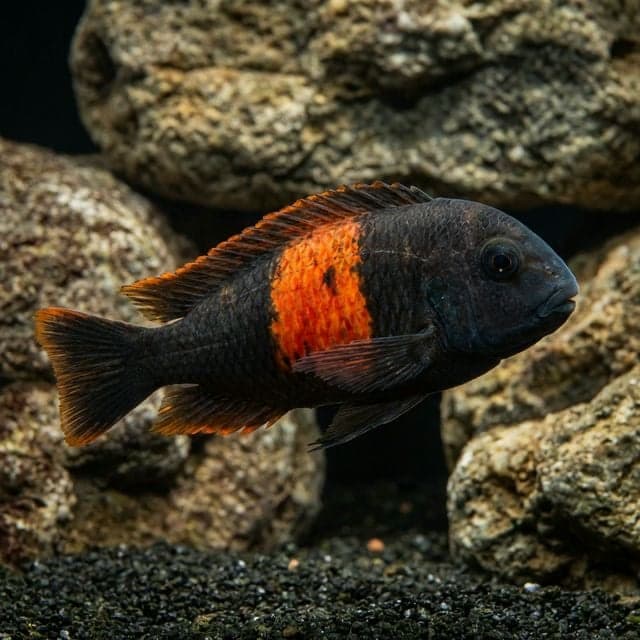
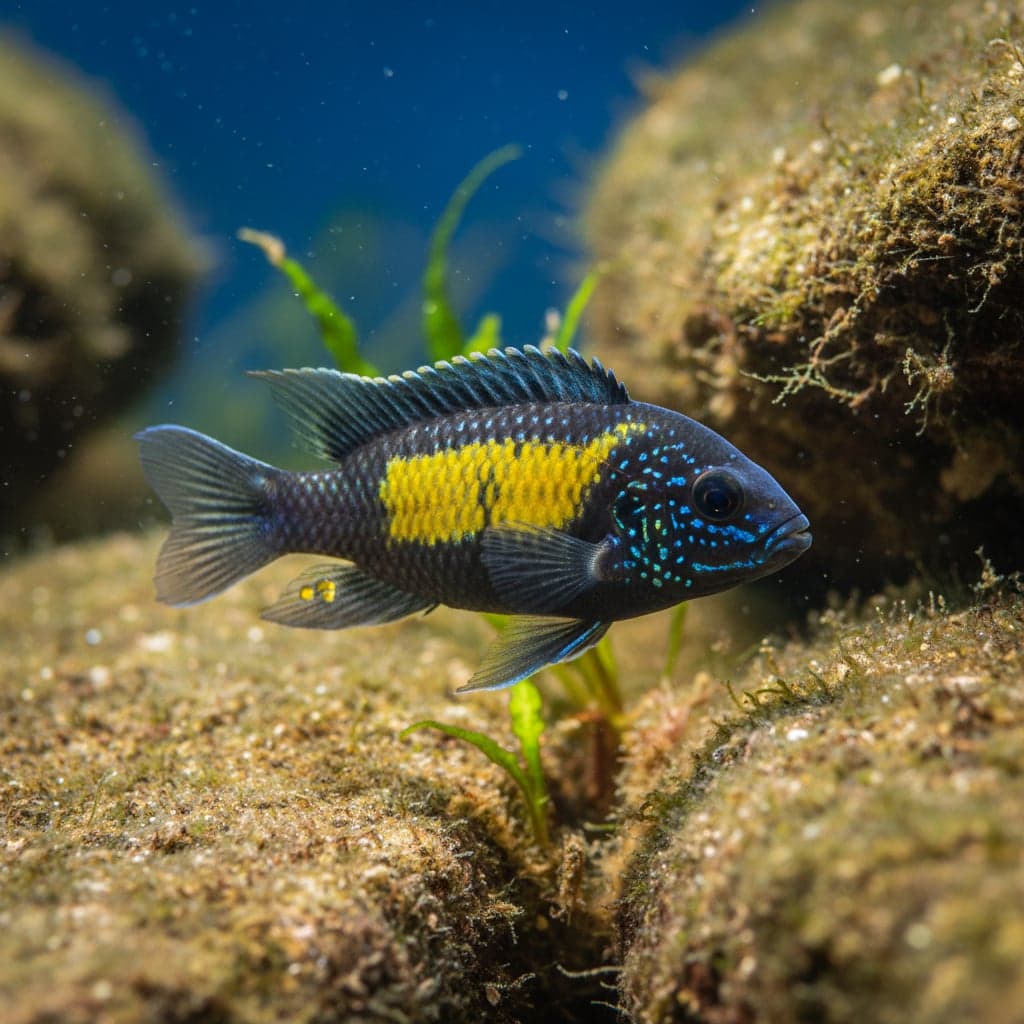
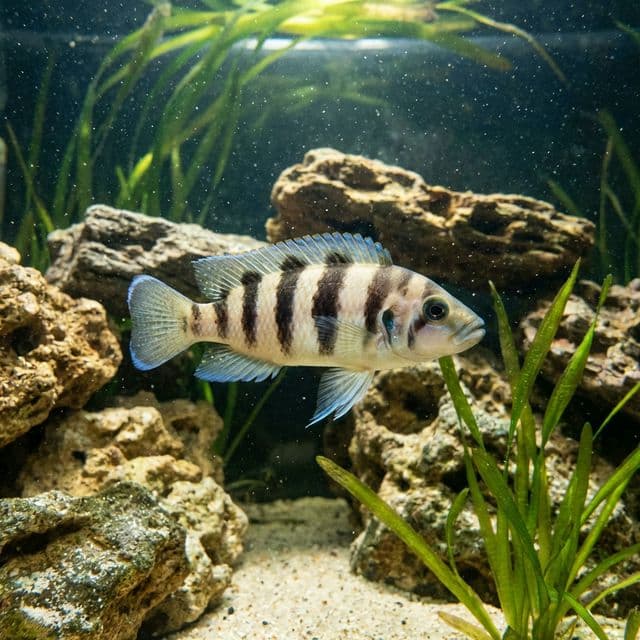
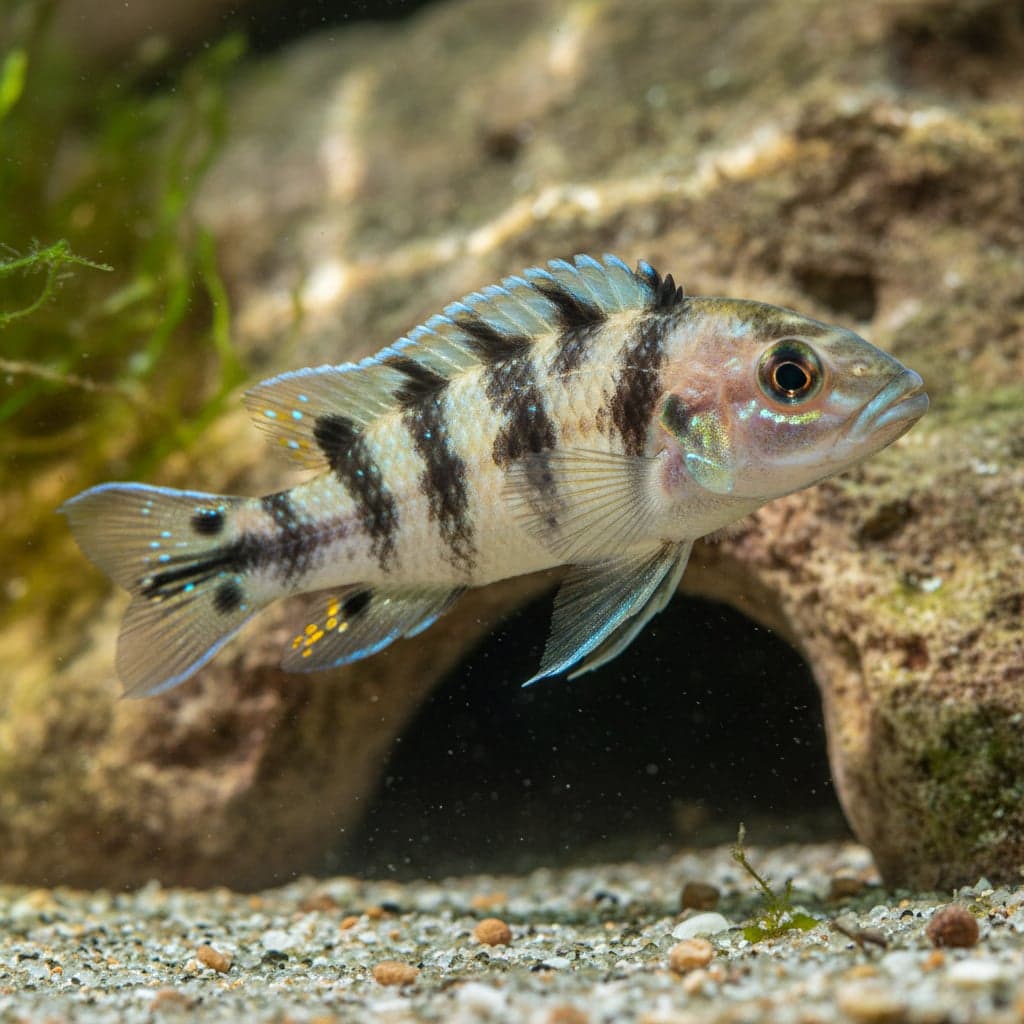
Brichard's Tropheus, scientifically known as Tropheus brichardi, is a striking freshwater fish indigenous to Lake Tanganyika, one of Africa's Great Lakes. Known for its vibrant colors, which range from deep cobalt blue to bright yellow and patterned markings, this cichlid captivates aquarists and enhances the visual appeal of any aquarium setup. Its unique body shape, characterized by a flattened profile and elongated fins, makes Brichard's Tropheus a standout species that thrives in aquaristic environments. Additionally, its aesthetic appeal is complemented by its dynamic movements and interesting behaviors, rendering it a favorite among hobbyists who appreciate both beauty and activity in their tanks.
Significantly, Brichard's Tropheus holds a special place in the aquarium hobby due to its relatively peaceful demeanor and territorial nature, making it a suitable candidate for larger community tanks designed for cichlids. These fish exhibit fascinating behaviors, such as establishing hierarchies and territorial boundaries, allowing aquarists to observe the intricacies of their social structures. As one of the more resilient species within the Tropheus genus, Brichard's Tropheus is often chosen by beginners and seasoned aquarists alike, adding to its allure and significance in the ever-evolving landscape of contemporary aquarium keeping.
Natural Habitat & Origin
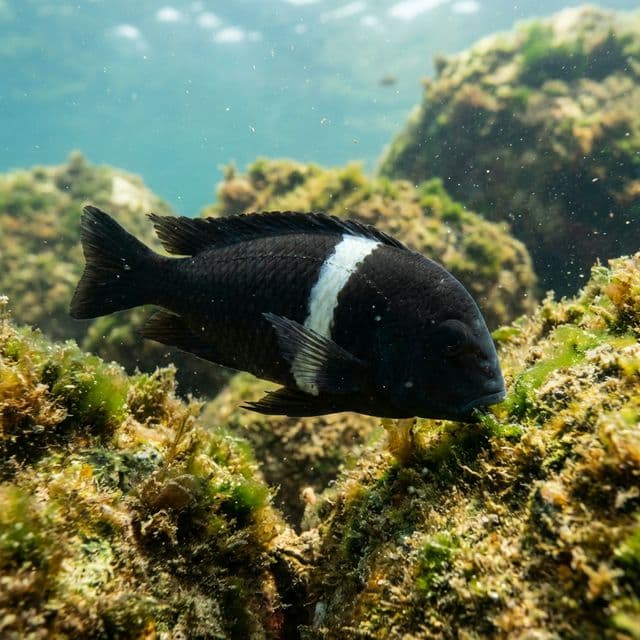
Brichard's Tropheus originates from the rocky shorelines and deep, clear waters of Lake Tanganyika in East Africa, predominantly found in regions with abundant rock formations. This natural habitat provides the fish with shelter and breeding grounds, enabling it to thrive in complex environments teeming with diverse aquatic life. The water in these areas is typically well-oxygenated and mineral-rich, with a pH that hovers around 8.5 to 9.5, conditions that are crucial for the health of various cichlid species, including Brichard's Tropheus.
The environmental context of Lake Tanganyika is characterized by stable temperatures ranging from 23°C to 28°C (73°F to 82°F), with a depth of around 1470 meters. This stable temperature regime, along with low nutrient levels and the presence of submerged rocks, creates a unique ecosystem that affects not only Brichard's Tropheus but also numerous other fish species endemic to the lake. Understanding these geographical and environmental factors is vital for successfully replicating their natural habitat in a home aquarium.
Care Requirements
To keep Brichard's Tropheus healthy and thriving, aquarists should maintain specific water parameters that closely resemble those of its natural habitat. The ideal pH should range between 8.5 and 9.5, with a water temperature maintained between 23°C and 28°C (73°F to 82°F). Hardness levels should also be high, ideally between 10-20 dGH, to ensure optimal conditions for these fish. A minimum tank size of 200 liters (around 52 gallons) is recommended, as these fish benefit from ample swimming space and territory.
When setting up the tank, a substrate of fine gravel or sand mimics the rocky environment of Lake Tanganyika, providing hiding spots and foraging opportunities. Rock formations should dominate the tank landscape to create territories and caves, as Brichard's Tropheus often seek shelter. Lighting should be moderate; consider using subdued lights to simulate their natural habitat. The addition of hardy aquatic plants can also enhance the aesthetic but ensure they are secured well, as these fish may uproot them during their explorative behaviors.
Diet & Feeding
Brichard's Tropheus is primarily herbivorous with omnivorous tendencies, utilizing a diet rich in plant material and algae in their natural habitat. In captivity, the ideal diet should consist of high-quality spirulina-based flakes, pellets specifically formulated for herbivorous cichlids, and supplemented with blanched vegetables like spinach or zucchini. Frozen or live foods such as daphnia or brine shrimp can be offered occasionally to add variety and nutritional value.
Feeding Brichard's Tropheus should be carried out multiple times a day in smaller portions, allowing them to forage naturally and mimic their regular hunting behavior. Overfeeding should be avoided, as it can lead to water quality issues and health problems. Providing a balanced, species-appropriate diet is essential for their growth, color enhancement, and overall well-being.
Behavior & Temperament
Brichard's Tropheus exhibits a fascinating mix of social behavior and territorial instincts. These fish are generally peaceful but can become aggressive towards their own kind, especially males competing for territory or mates. As a result, it is advisable to maintain a proper ratio of males to females to minimize aggression and ensure a harmonious atmosphere within the aquarium.
They typically inhabit the middle and upper layers of the tank, and due to their aggressive and territorial nature, they are best kept in groups and within a species-specific setup. Observing their interactions, both aggressive displays and playful swimming, offers a rewarding experience for aquarists, as they display their unique social dynamics and hierarchy formation.
Tank Mates
When selecting tank mates for Brichard's Tropheus, it's essential to consider compatible species that can withstand their assertive behavior yet won't escalate territorial disputes. Suitable tank mates include other cichlids from Lake Tanganyika, such as Cyprichromis, Julidochromis, and certain species of Lamprologus. These fish share similar environmental needs and have comparable temperaments, making them ideal companions for Brichard's Tropheus.
Conversely, potential tank mates to avoid include peaceful community fish such as tetras or smaller species that could become stressed or bullied. Additionally, larger aggressive cichlids should also be avoided, as the tank dynamics could turn hostile. Maintaining a well-balanced ecosystem fosters peace and harmony, allowing for an enriched aquarium experience.
Breeding
Breeding Brichard's Tropheus in captivity can be a rewarding challenge, particularly due to their unique breeding behavior. These fish exhibit mouthbrooding characteristics, with females incubating fertilized eggs in their mouths until the fry are ready to swim independently. To encourage spawning, it is important to provide a breeding environment comprising rocks or caves that offer shelter and breeding sites.
The presence of multiple females to a single male is advisable to reduce aggression and ensure a higher success rate in spawning. Maintaining optimal water conditions reflective of their natural habitat—such as temperature and pH—is crucial during this period. To enhance breeding success, many aquarists suggest enriching the diet of the breeding pair with high-quality foods to stimulate reproductive readiness. Once the fry are released, they should be moved to their own separate rearing tank to avoid predation and ensure their survival.
Common Health Issues
Brichard's Tropheus can be prone to some common aquarium diseases, particularly if stressed or kept in subpar conditions. Among these issues, Malawi bloat, caused by an imbalanced diet or poor water quality, is a significant concern and can prove fatal. Symptoms include swelling, lethargy, and loss of appetite; proper dietary management and maintaining excellent water conditions are fundamental preventive measures.
Other common ailments include ich (Cryptocaryon irritans), characterized by white spots on the body, and fin rot resulting from bacterial infections often arising from stress and poor tank maintenance. Regular water quality testing, routine maintenance, and observing your fish for early signs of illness allows timely intervention before problems escalate. Quarantine new arrivals, maintain hard alkaline water with strong filtration and regular changes, and avoid sudden dietary shifts that can trigger bloat. Offer a mostly herbivorous diet with plenty of vegetable matter and limit high-protein foods. Stable parameters and low stress keep Brichard's Tropheus colourful, active, and resilient in a properly stocked Tanganyikan setup.