Bristlenose Catfish: Ancistrus sp.
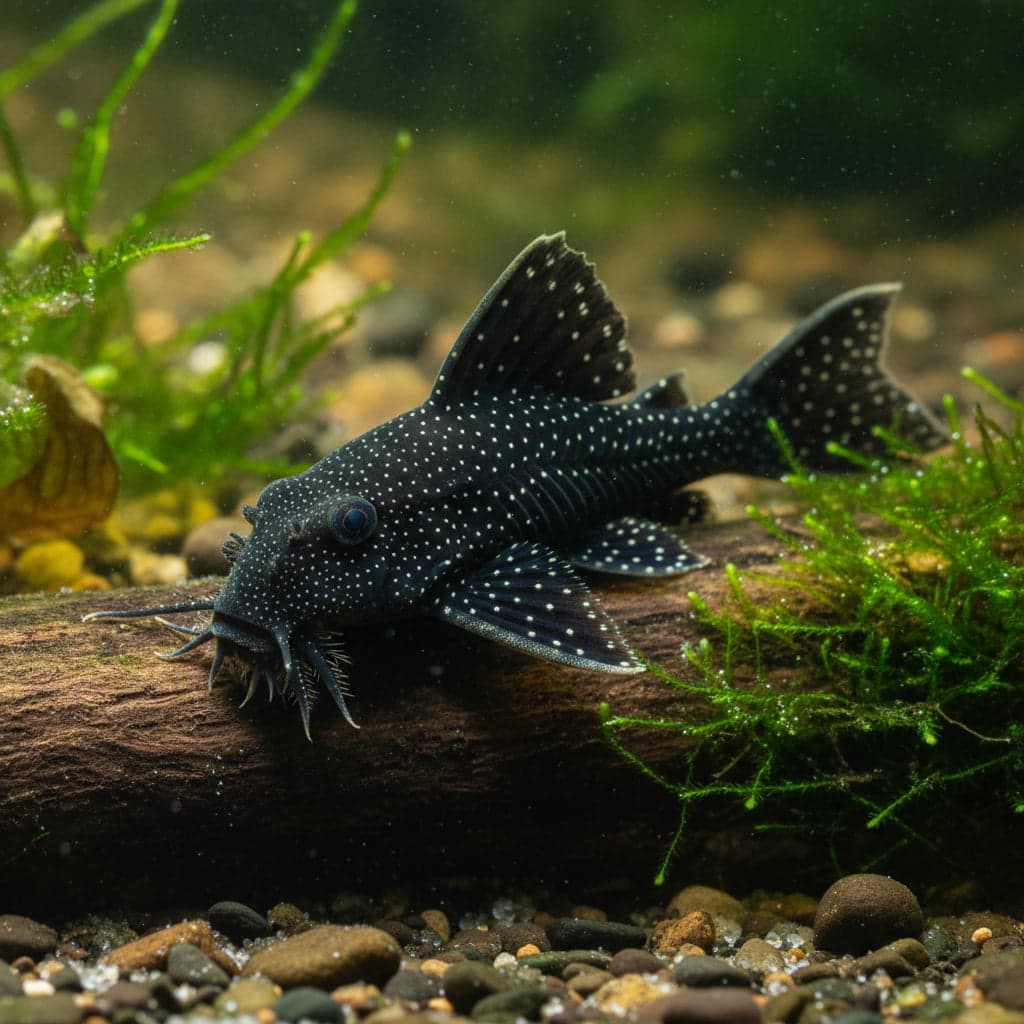
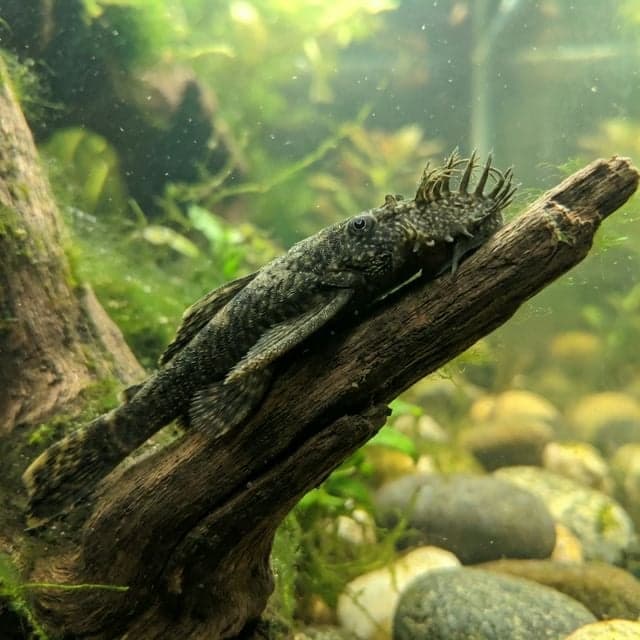
The ultimate aquarium cleaner. Peaceful, hardy, and stays small. Males grow bush-like bristles.

Bristlenose Catfish
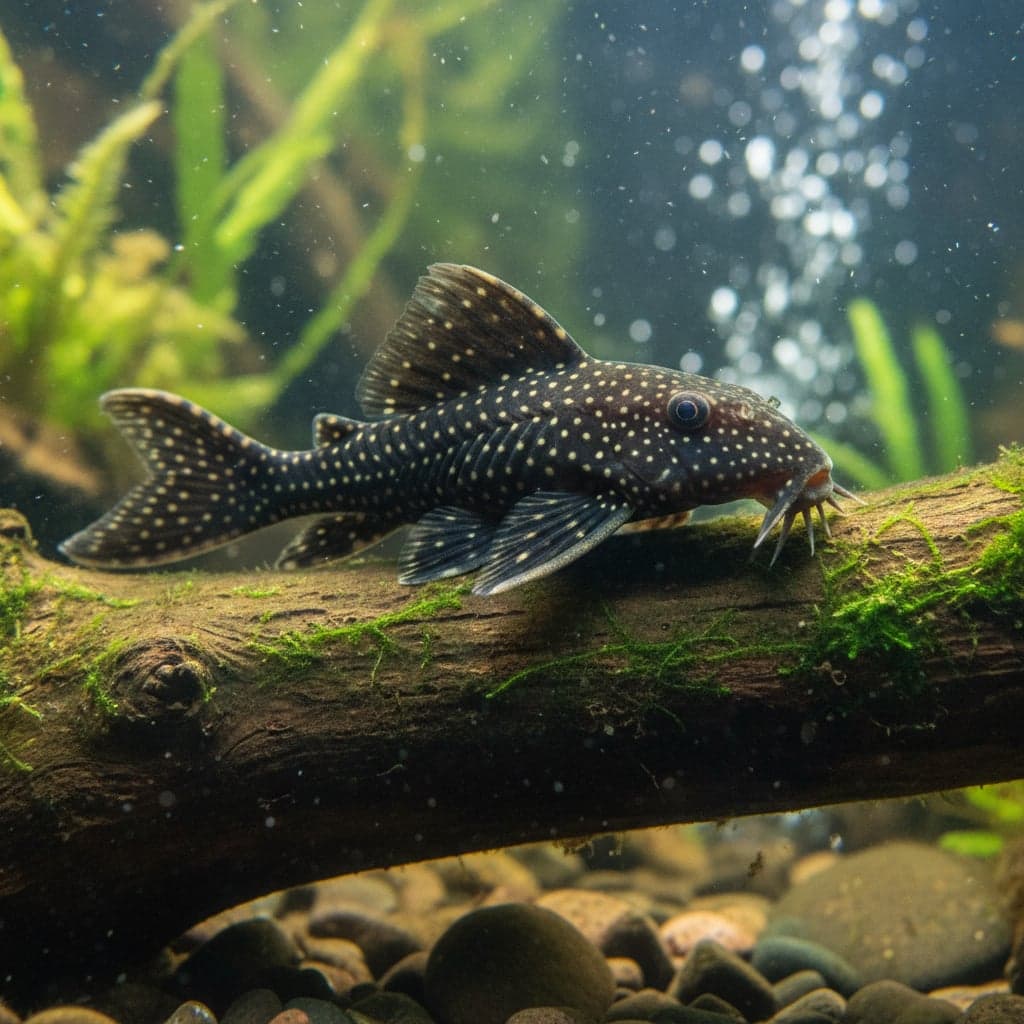
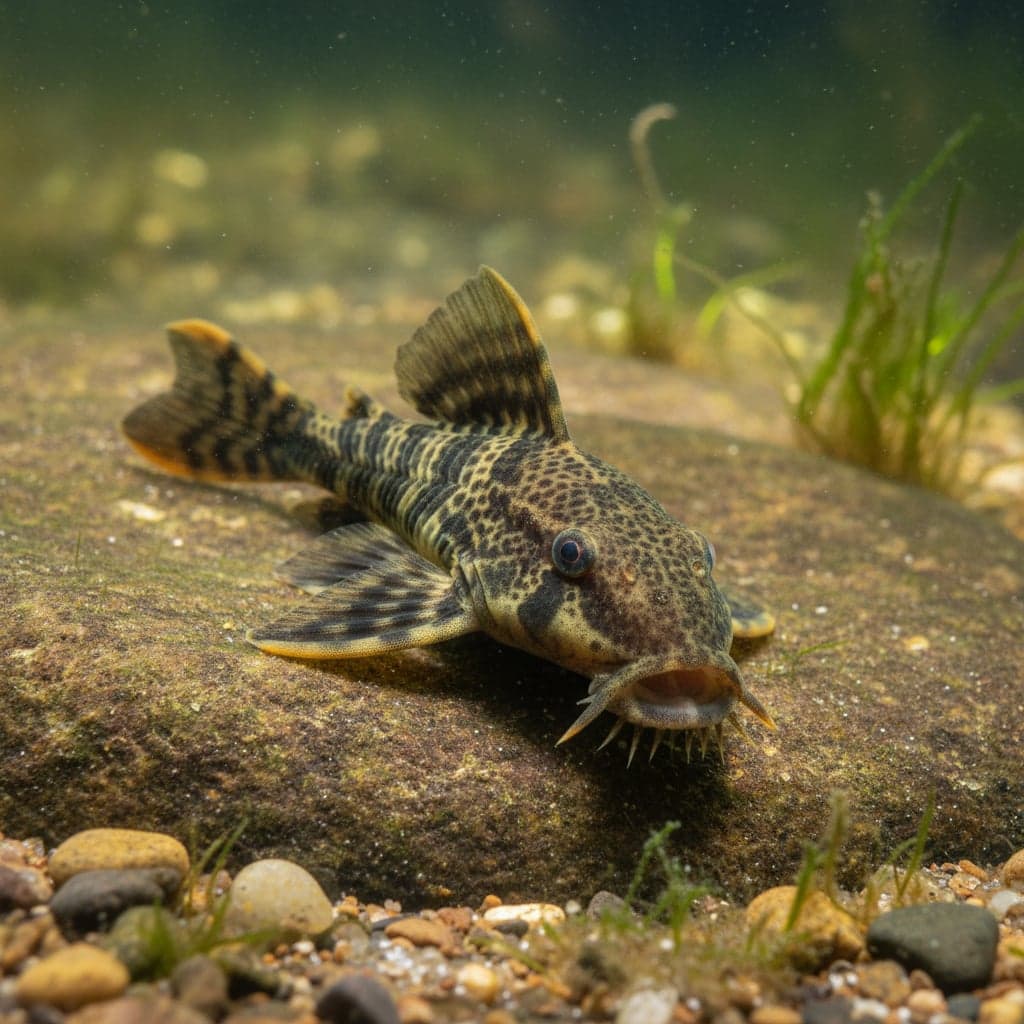
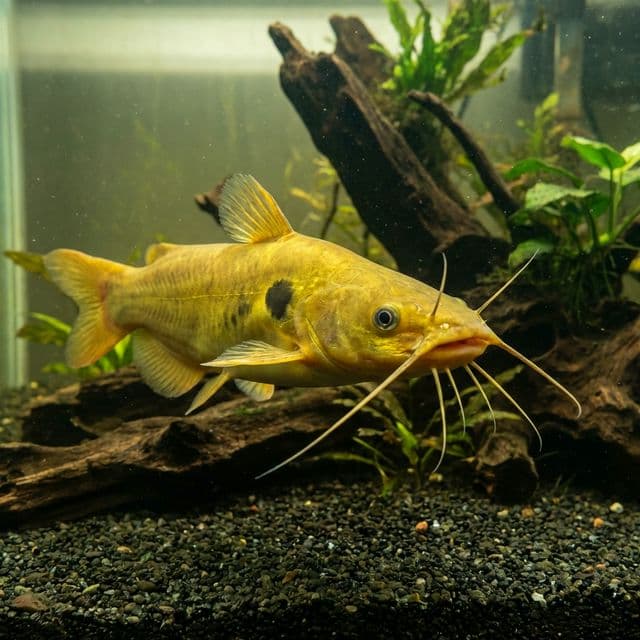
The Bristlenose Catfish, scientifically classified as Ancistrus sp., is a remarkable and popular freshwater fish among aquarists. Highly sought after for its unique appearance, this species is characterized by its distinctive bristly growths on the males' snouts, giving them their common name. These delicate features not only add visual appeal to aquarium habitats but also signify their maturity and play a role in their breeding behavior. With a robust body and a palette of colors ranging from brown to olive green, often highlighted with striking patterns of spots or stripes, Bristlenose Catfish provide both aesthetic value and an engaging presence in community tanks.
In the aquarium hobby, the Bristlenose Catfish holds significance for several reasons. First, it plays a crucial role as an algae eater, helping maintain tank cleanliness by consuming unwanted algae growth. This not only benefits the aquatic environment but also reinforces the natural ecosystem concept that many aquarists strive for in their setups. Additionally, their relatively small size (often reaching around 4-5 inches) makes them suitable for a wide range of aquarium sizes, from nano to larger tanks. These factors combine to enhance their popularity, cementing their status as an essential fish for both beginner and experienced enthusiasts alike.
Natural Habitat & Origin
The Bristlenose Catfish hails from the lush, waterways of South America, primarily found in countries such as Brazil, Paraguay, and Argentina. This species is frequently discovered in rivers, streams, and other freshwater environments, where they inhabit areas with dense vegetation and plenty of hiding places. Given their natural habitat preference, Bristlenose Catfish are often found in slow-moving waters that are rich in organic materials, such as leaves and debris, which create a nurturing environment for their feeding habits.
In their native ecosystems, Bristlenose Catfish thrive in water that is typically soft and acidic, characterized as blackwater or clearwater. They enjoy conditions with a pH range between 6.5 and 7.5, temperatures between 72°F and 78°F (22°C to 26°C), and moderate hardness levels. This environmental context sets the stage for understanding their needs in an aquarium setting, as replicating these natural conditions can lead to healthier and more vibrant specimens.
Care Requirements
To provide optimal care for Bristlenose Catfish, specific water parameters must be maintained. The ideal pH is between 6.5 and 7.5, with a temperature range of 72°F to 78°F (22°C to 26°C) for healthy growth. An appropriate hardness level of 4-10 dGH is recommended for these fish to thrive. Regular water changes and proper filtration are essential to uphold these parameters and ensure a healthy environment.
Tank setup for Bristlenose Catfish requires a minimum size of 20 gallons to accommodate their active nature and territorial behaviors. The substrate should be soft, allowing for burrowing and exploration, while smooth pebbles or fine gravel is ideal. Additionally, incorporating plenty of hiding places using caves, driftwood, and dense aquarium plants can mimic their natural environment and reduce stress. Lighting should be moderate, as they prefer dimly lit areas, enabling them to feel secure while engaging in their natural behaviors.
Diet & Feeding
Bristlenose Catfish are primarily omnivorous, necessitating a varied diet to ensure their health and vitality. In the wild, they primarily feed on algae, plant matter, and detritus, so a balanced diet in captivity should also reflect this. High-quality algae wafers or spirulina flakes should make up the bulk of their diet. Supplementing their diet with blanched vegetables such as zucchini, spinach, or cucumber can offer additional nutritional benefits.
In addition to plant-based foods, incorporating occasional protein sources like high-quality pellets, frozen bloodworms, or daphnia can support their growth and overall health. It's important to feed in moderation; excessive food can lead to water quality issues and health problems. Observing their feeding habits can help ensure they are receiving adequate nutrition without overfeeding.
Behavior & Temperament
Bristlenose Catfish are typically peaceful and shy, making them an excellent addition to community tanks. They exhibit social behavior, often forming loose groups, yet they are not strictly schooling fish. These catfish are primarily bottom-dwellers and can often be seen foraging along the substrate or hiding among plants and structures during the day. They are known to be fairly non-aggressive, although males can become territorial during breeding periods.
These fish prefer a vertical presence in the tank, often seen clinging to surfaces or lurking amongst foliage. Their nocturnal nature means they may be more active during twilight hours, providing a unique opportunity for aquarists to observe their interactions and behaviors as the tank lights dim.
Tank Mates
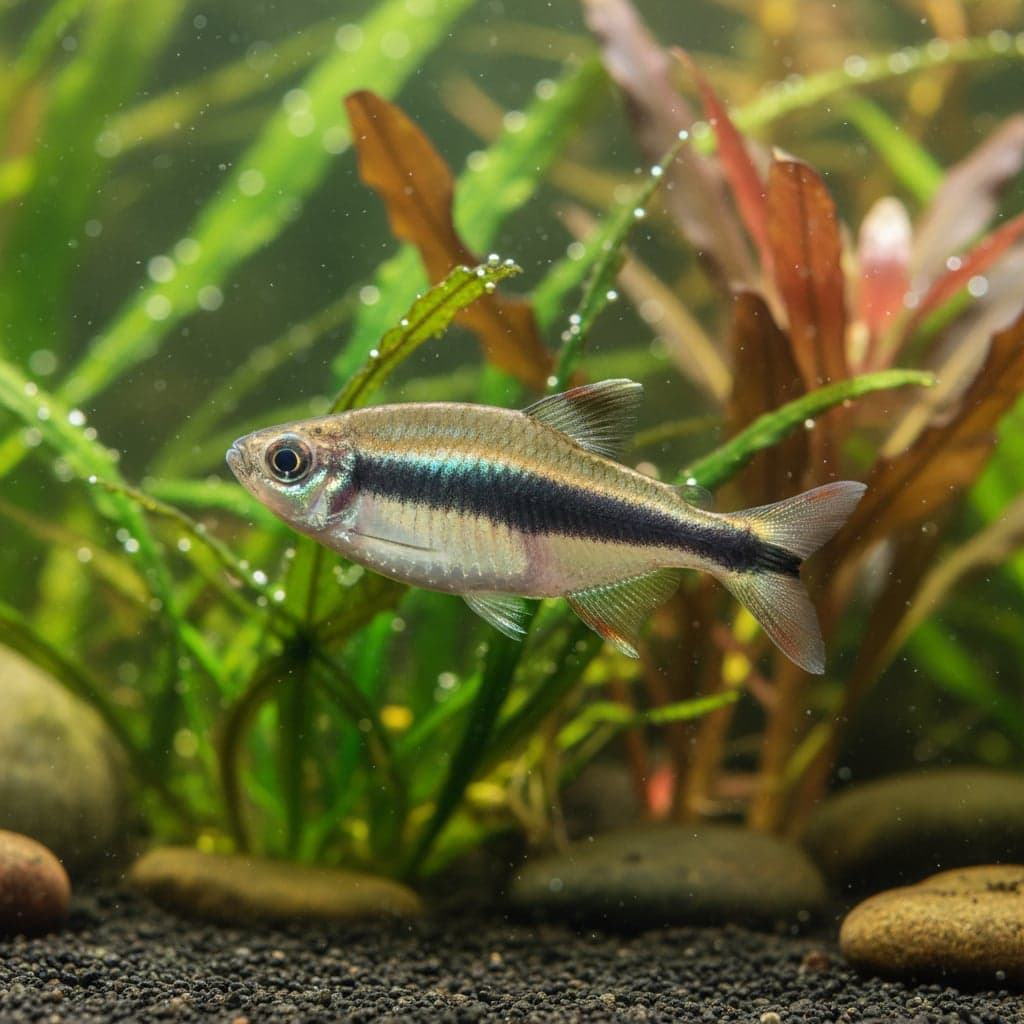
When selecting tank mates for Bristlenose Catfish, it’s crucial to choose species that are peaceful and similar in temperament. Compatible tank mates include tetras like Neon Tetras, barbs such as Cherry Barbs, and other bottom dwellers such as Corydoras catfish. Additionally, peaceful livebearers like Guppies and Platies complement their calm nature effectively.
However, caution should be exercised with certain species; avoid aggressive or territorial fish, such as Cichlids, as they may disrupt the Bristlenose Catfish’s well-being. Similarly, larger fish that may consider them as prey should be omitted from their tank. Ensuring a harmonious community will enhance the Bristlenose Catfish's longevity and health.
Breeding
Breeding Bristlenose Catfish in captivity can be a rewarding endeavor, but it requires specific conditions. Males take the lead in developing breeding territories, often creating nests within caves or crevices. The male displays his breeding readiness through bristle formations on his snout, signaling to females that he is prepared to mate.
For successful breeding, aquarists should maintain slightly elevated water temperatures around 78°F (26°C) and offer ample hiding spots for the female to lay her fertilized eggs. After mating, the female lays sticky eggs, which the male will guard and aerate until they hatch, typically within 4-7 days. Following hatching, the fry will begin to swim freely after around a week and can be fed finely crushed flake food or specialized fry food, ensuring a fertile environment for their early development.
Common Health Issues
Bristlenose Catfish are generally hardy; however, they can be prone to specific health issues. Common diseases include ich (white spot disease), bacterial infections, and fin rot. Maintaining excellent water quality and regular tank maintenance are vital for the prevention of these ailments.
To prevent ich, ensure gradual acclimation to new environments, avoid sudden temperature changes, and monitor tank parameters diligently. Regularly inspecting fish for any signs of distress or unusual behavior enables early intervention, which can help mitigate serious health problems. Additionally, providing a balanced diet enhances their immunity and resilience against potential diseases.