Bumblebee Goby: Brachygobius doriae
A tiny, striped goby. Often sold as freshwater, but thrives best in low-end brackish water.
Bumblebee Goby
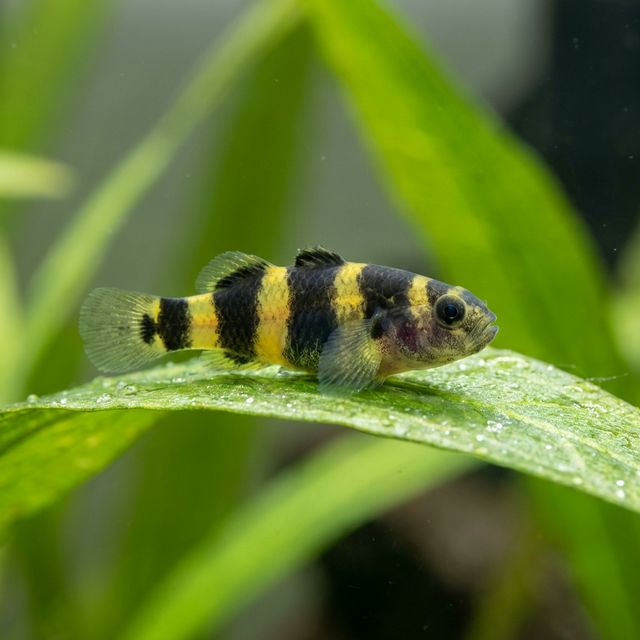
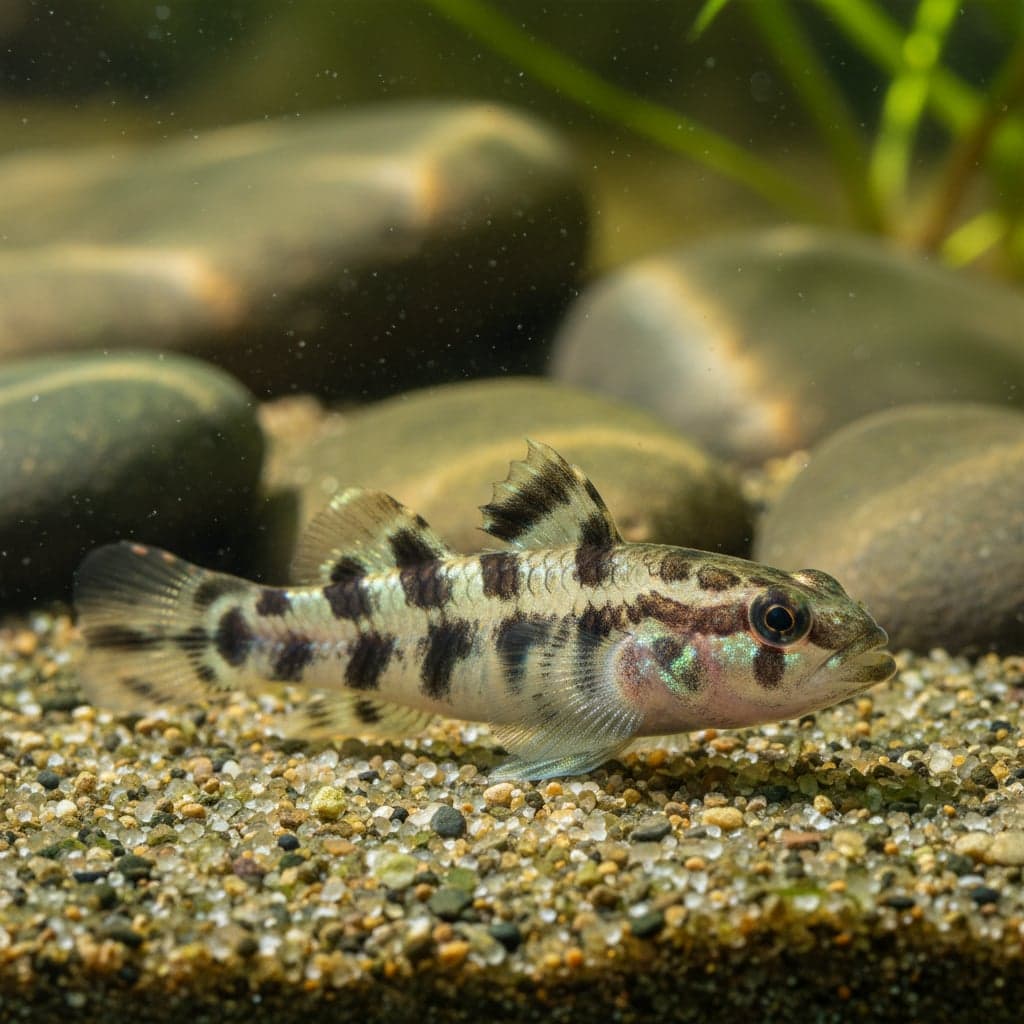
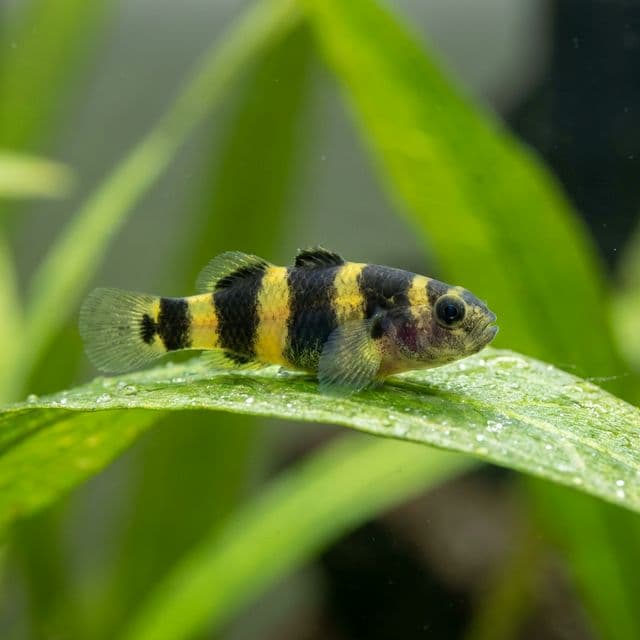
The Bumblebee Goby (Brachygobius doriae) is a small, striking freshwater fish that has garnered significant attention in the aquarium hobby for its unique coloration and lively personality. Typically characterized by its vibrant yellow and black stripes, this fish resembles a bumblebee, which has contributed to its catchy name. Ranging from 1.5 to 2.5 inches in length, its compact size makes it an excellent choice for nano aquariums. Their captivating appearance and active nature bring a lively presence to the aquarium, making them a favorite among aquarists of all skill levels.
In addition to their visual appeal, Bumblebee Gobies hold significance in the aquarium community for their interesting behaviors and adaptability. Coming from a habitat that features both brackish and freshwater conditions, these fish intrigue aquarists exploring biotope themes and unique setups. Their ease of care combined with their charming antics—such as darting among tank décor or perching on substrate—ensures that they not only thrive but also add a dynamic element to a community tank.
Natural Habitat & Origin
The Bumblebee Goby is native to Southeast Asia, particularly found in the rivers and estuaries of Indonesia, Malaysia, and parts of Thailand. They primarily inhabit brackish freshwater environments, showing a preference for areas that are slow-moving or stagnant, laden with submerged vegetation, and rich in organic detritus. The natural habitat of this fish typically features dark, tannin-stained waters, which are rich in decomposing plant materials, providing a unique ecosystem that is vital for their survival.
Understanding the environmental context of the Bumblebee Goby's natural habitat is crucial for replicating their needs in a home aquarium. These conditions are characterized by slightly acidic pH, soft water hardness, and lower light levels, which promote plant growth and support a thriving microfauna that these fish can feed on. Providing similar conditions in captivity can help ensure their health and well-being.
Care Requirements
To maintain a healthy environment for Bumblebee Gobies, specific water parameters must be closely monitored. The ideal pH level for these fish falls between 6.0 and 7.5, with a temperature range of 24°C to 28°C (75°F to 82°F). The water hardness should be kept between 5 to 15 dGH to resemble their natural habitat. Regular water changes are crucial to maintain optimal water quality, as these fish can be sensitive to poor water conditions.
For tank setup, a minimum size of 10 gallons is recommended, allowing enough space for the fish to swim freely and explore. A fine-grained substrate is ideal, resembling the muddy riverbeds they inhabit in the wild. Adding plenty of hiding spots, such as caves made from driftwood, rocks, and various aquatic plants, will not only enhance the aesthetic appeal of the tank but also provide shelter and reduce stress. Moderate lighting is also advisable to mimic their natural shaded environment, promoting a comfortable setting for the Bumblebee Goby.
Diet & Feeding
Bumblebee Gobies are omnivorous, enjoying a varied diet that mimics their natural feeding habits. In the wild, they primarily consume small invertebrates, algae, and detritus. In a home aquarium, it is essential to provide a balanced diet that includes high-quality flakes, small pellets, and frozen or live foods like brine shrimp and bloodworms. Offering a mix of these food types ensures they receive the necessary nutrients and encourages active foraging behaviors.
To optimize their health, feed the Bumblebee Goby multiple times a day in small portions rather than one large feeding, which can lead to uneaten food and water quality issues. Additionally, providing occasional vegetable matter, like blanched spinach or spirulina-based foods, can enhance their diet and satisfy their natural foraging instincts.
Behavior & Temperament
The Bumblebee Goby is known for its lively and inquisitive nature, exhibiting a playful personality that endears it to aquarists. While these fish can be territorial, especially during breeding, they generally display a peaceful temperament, making them suitable for community tanks. They are best kept in small groups of three or more, as they feel more secure and exhibit more natural behaviors in a social setting.
These fish thrive in the lower levels of the aquarium, often observed darting around the substrate and exploring their environment. They prefer calm water conditions and will usually remain close to the bottom or near hiding spots. It's essential to create a stress-free environment that encourages natural behaviors while minimizing disturbances from overly boisterous tank mates.
Tank Mates
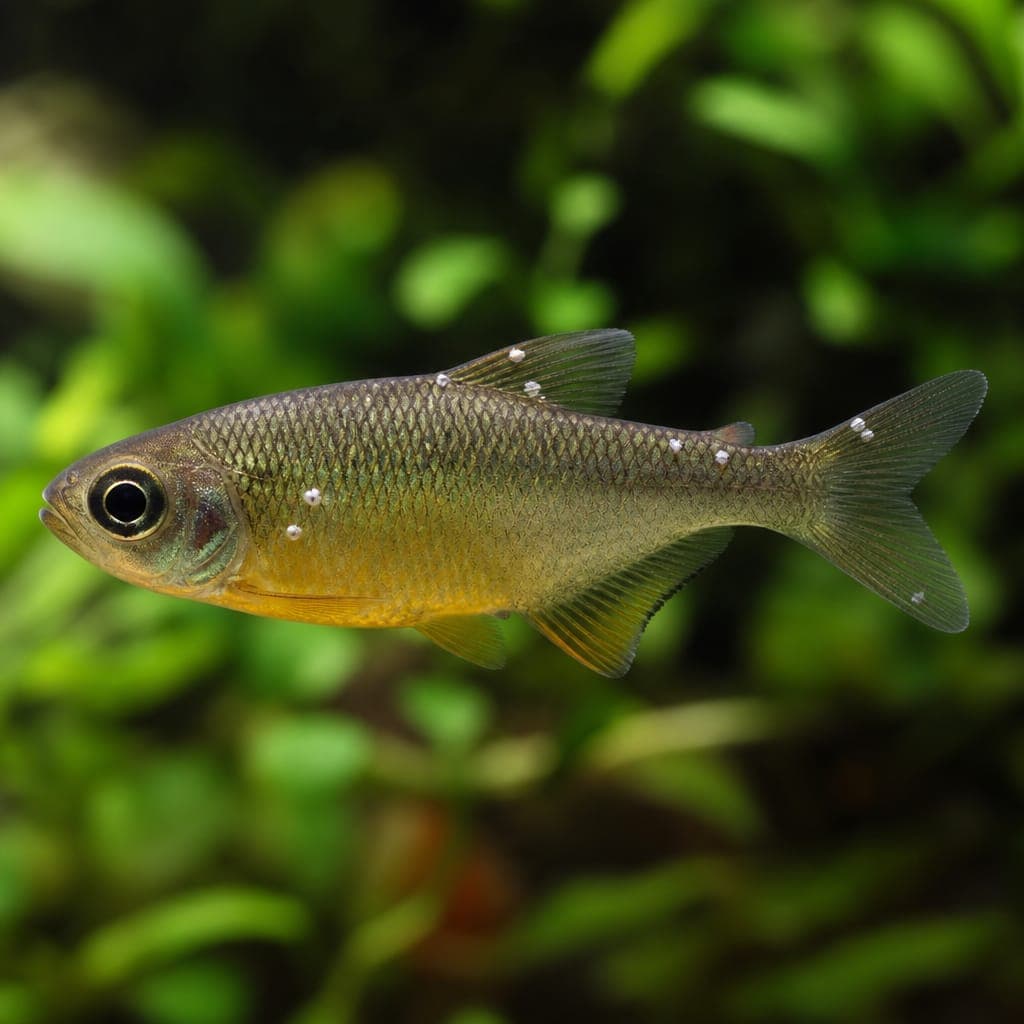
Bumblebee Gobies can coexist with a variety of peaceful species in a community tank setting, given their friendly nature. Suitable tank mates include small Characins, Rasboras, tetras, and other non-aggressive fish that thrive in similar water conditions. Shrimp species, such as cherry or ghost shrimp, along with certain snails, can also be excellent companions due to their compatible habitats.
However, it is crucial to avoid keeping Bumblebee Gobies with larger or more aggressive species, such as cichlids or larger barbs, that may view them as food or intimidate them. Additionally, boisterous species or those with high energy levels can cause undue stress to the Bumblebee Goby, so it’s best to select tank mates that maintain a similarly mellow demeanor.
Breeding
In captivity, breeding Bumblebee Gobies can be a rewarding yet challenging endeavor. These fish generally require brackish water conditions for successful spawning, with a slightly elevated salinity level around 1.005 to 1.010 specific gravity. Spawning typically occurs during a rise in temperature and improves with the introduction of finely-leaved plants or spawning mops where the female can lay her eggs.
Mature females can lay up to 100 eggs, which are adhesive and stick to the surfaces where they're spawned. The male will guard the eggs until they hatch—usually within 3 to 5 days. After hatching, fry require infusoria or finely crushed foods until they grow large enough to accept small brine shrimp. Creating a dedicated breeding tank can increase the likelihood of success and reduce stress on the potential fry.
Common Health Issues
Like many freshwater fish, Bumblebee Gobies can be susceptible to specific health issues, particularly if water conditions are not adequately maintained. Common diseases include ich (whitespot disease), flukes, and bacterial infections. Symptoms may include unusual swimming patterns, lack of appetite, or visible signs of stress.
Preventative measures are key; maintaining high water quality through regular maintenance, providing a balanced diet, and ensuring a stress-free environment will help keep these fish healthy. Quarantine any new arrivals to avoid introducing pathogens to the established tank. In case of illness, prompt treatment based on the ailment’s diagnosis is critical for recovery. Regular monitoring of fish behavior and appearance can aid in early detection and effective management of health concerns.