Bumblebee Horn Snail: Clithon corona
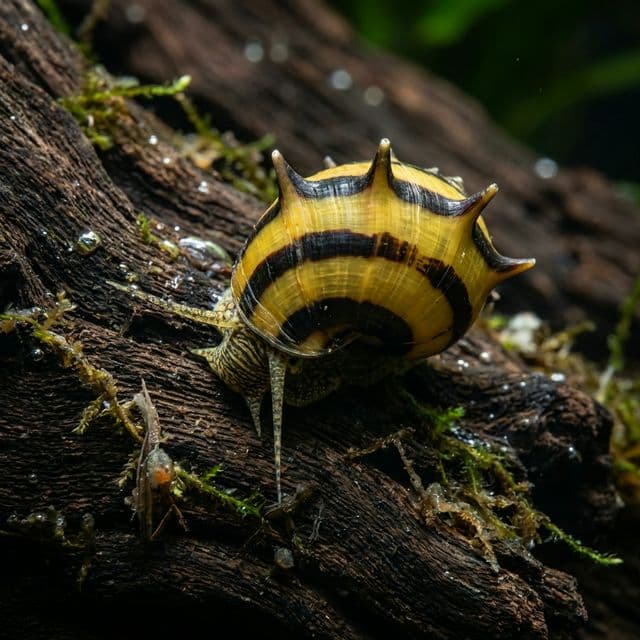
A small, beautiful nerite snail with spikes (horns) and yellow/black stripes. Excellent algae eater.
Bumblebee Horn Snail
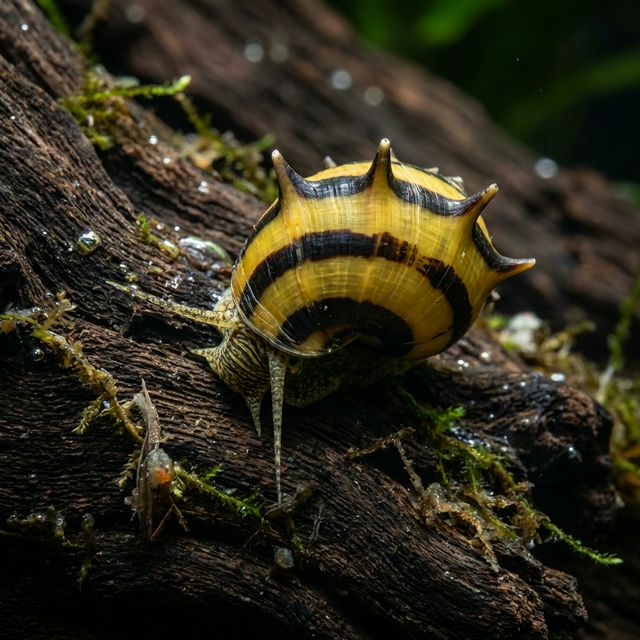
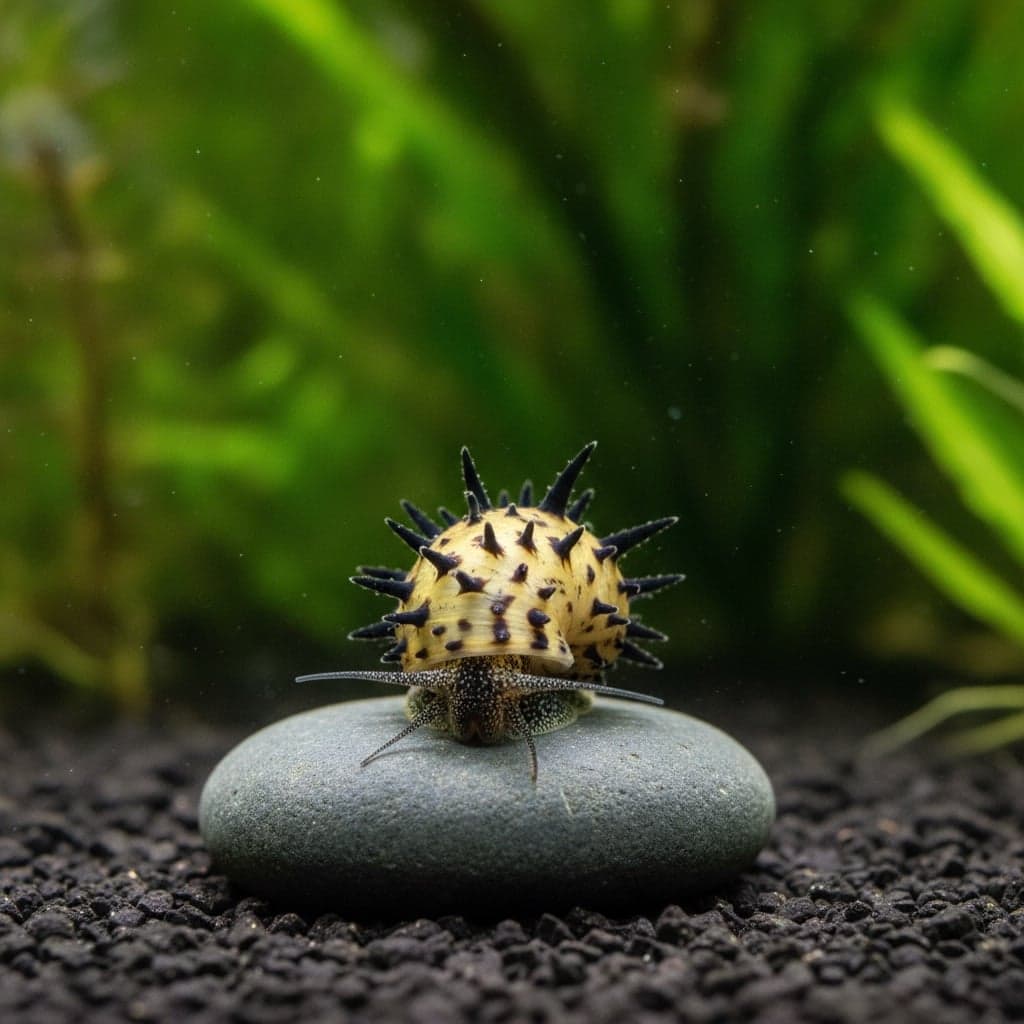
The Bumblebee Horn Snail, scientifically known as Clithon corona, is a visually striking freshwater snail that has rapidly gained popularity among aquarists due to its unique appearance and beneficial qualities in tank maintenance. Known for its vibrant yellow and black striped shell, reminiscent of a bumblebee, this snail adds a bold splash of color to any aquarium. They can grow up to 0.5-0.8 inches (1-2 cm) in diameter, and their coiled, horn-like shell structures make them a fascinating subject of observation for both novice and experienced aquarists. Beyond aesthetics, the Bumblebee Horn Snail also plays a crucial role in maintaining a healthy aquarium environment, as they consume algae and leftover organic matter, thereby contributing to the overall cleanliness and balance of the aquatic ecosystem.
In addition to their distinct look, Bumblebee Horn Snails are appreciated for their relatively easy care and hardiness, making them an excellent choice for both beginners and seasoned aquarists. Their presence adds not just visual appeal but also functional benefits, as they graze on algae and decaying plant matter, helping to keep the tank clean. Additionally, their slow movement and peaceful nature make them a perfect companion for a variety of fish and invertebrates, making them a popular addition to community tanks. Thus, the Bumblebee Horn Snail stands out not only for its stunning appearance but also for its crucial ecological contributions in aquarist settings.
Natural Habitat & Origin
The Bumblebee Horn Snail hails from Southeast Asia, specifically found in the freshwater rivers and streams of Thailand and surrounding regions. This species is commonly located in environments characterized by calm, slow-moving waters where vegetation is abundant, providing ample food sources and shelter. The natural habitat features a rich diversity of plants and substrata, often accompanied by leaf matter and organic debris, fostering the growth of algae, which Bumblebee Horn Snails thrive on.
In the wild, Bumblebee Horn Snails prefer waters that are slightly acidic to neutral (pH ranging from 6.0 to 7.5) and tend to inhabit regions with moderate hardness levels. The ecological conditions often include areas with dim lighting due to overhanging foliage that provides shade from direct sunlight and moderates water temperatures, generally ranging from 24°C to 28°C (75°F to 82°F). Understanding their natural habitat is critical for recreating a suitable environment in aquariums, which enhances their health, appearance, and overall behavior.
Care Requirements
To ensure the Bumblebee Horn Snail thrives in captivity, it's essential to replicate their natural habitat as closely as possible. The ideal tank size for a group of these snails is at least 10 gallons, allowing sufficient space for movement and grazing. A soft substrate, such as sand or fine gravel, is recommended to prevent any potential shell abrasion and to simulate their natural living conditions. Additionally, incorporating plants like Java moss, Anubias, and floating vegetation will not only provide hiding spots but also promote algae growth, a primary food source for these snails.
Water quality plays an integral role in the well-being of the Bumblebee Horn Snail. The tank should maintain a pH level between 6.0 and 7.5, temperatures ranging from 24°C to 28°C (75°F to 82°F), and a water hardness of 5-15 dKH. Regular water changes (10-20% weekly) are highly recommended to maintain clean and stable water conditions. Moderate lighting is suitable for this species, helping stimulate algae growth while providing them a comfortable living environment. Regular monitoring of water parameters is recommended to catch any fluctuations early.
Diet & Feeding
The Bumblebee Horn Snail is classified as an omnivore, having a diverse diet that includes detritus, algae, decaying plant material, and biofilm. In the home aquarium, it’s essential to provide a varied diet to keep them healthy and vibrant. High-quality algae wafers, flake foods designed for bottom-feeders, and blanched vegetables like zucchini and spinach should be included regularly. Supplementing their diet with occasional offerings of blanched or frozen foods such as brine shrimp or daphnia can enhance their nutritional intake.
While Bumblebee Horn Snails are efficient scavengers, providing a balanced diet is crucial for their growth and reproductive health. Ensure that food items are sinking, as they typically forage along the substrate. Monitor their feeding and adapt accordingly to prevent overfeeding, which can lead to water quality issues. Consistency in their diet helps maintain their color and vitality, keeping them active and thriving in an aquarium setting.
Behavior & Temperament
Bumblebee Horn Snails exhibit a calm and peaceful demeanor, making them well-suited for community aquariums. They are primarily bottom dwellers, often found grazing along the substrate or on aquarium decorations, which helps control algae growth effectively. They do not exhibit territorial behaviors and generally coexist harmoniously with other snail species, as well as small to medium-sized fish.
These snails are not a schooling species but can be kept in groups to promote natural behaviors. Their movement is slow and deliberate, and they often climb on aquatic plants and decorations, exhibiting a lovely display of their unique shells. It’s essential to provide ample hiding spaces and enriching environments in the tank to encourage their natural behaviors and reduce stress.
Tank Mates
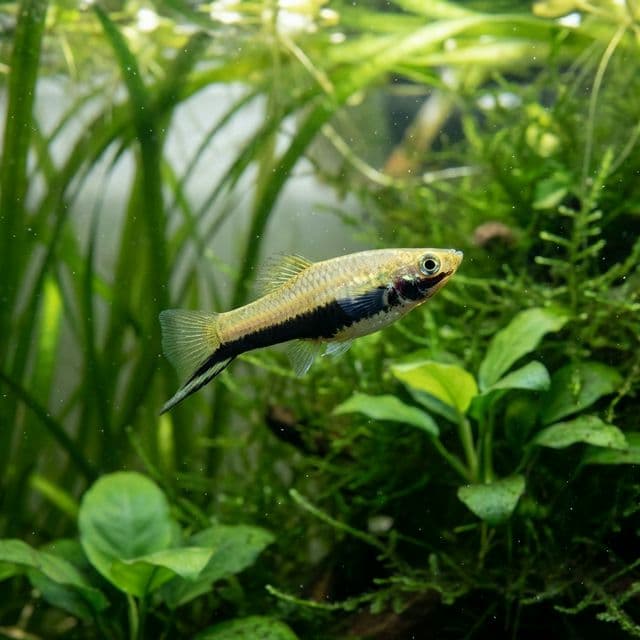
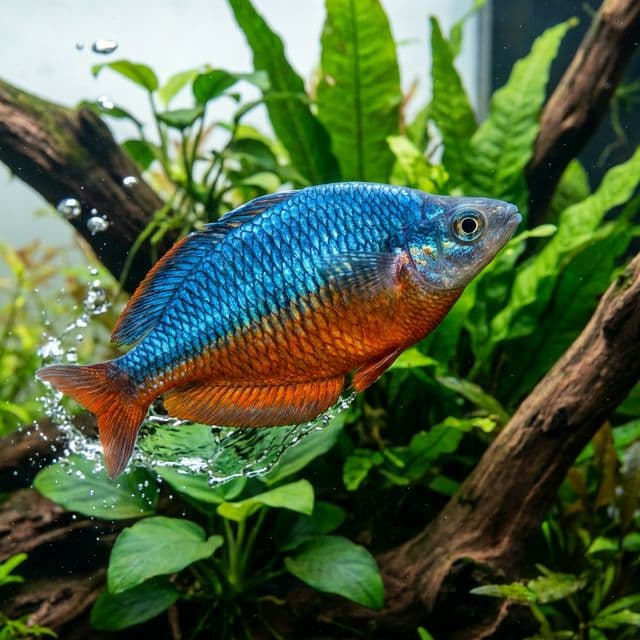
Bumblebee Horn Snails are highly compatible with various freshwater aquarium species, making them a fantastic addition to community tanks. Ideal tank mates include peaceful species such as tetras, guppies, rasboras, and small corydoras. Larger, non-aggressive fish like angelfish and gouramis can also coexist effectively. Additionally, they can pair well with other invertebrates like cherry shrimp and other peaceful snail species.
However, it is crucial to avoid aggressive or predatory species that may threaten these snails, such as cichlids or overly active fish like some barbs. Species that have a tendency to nip at snails, such as puffers or certain types of loaches, should also be kept in separate tanks to prevent harassment and potential harm to the Bumblebee Horn Snail.
Breeding
Breeding Bumblebee Horn Snails in captivity can be a rewarding experience, though it requires specific conditions to encourage spawning. These snails are known to be prolific breeders; however, they require stable water conditions to do so. Providing a well-planted, spacious environment along with slightly higher temperatures around 26°C to 28°C (79°F to 82°F) can stimulate breeding.
During the mating ritual, a male will often attach to the female for a period, and successful fertilization can lead to the female laying jelly-like clusters of eggs on the underside of leaves or tank decor. These eggs typically hatch within a few weeks, producing miniature snails that closely resemble their parents. Ensuring a nutritious habitat is crucial for the offspring’s survival, so maintaining water parameters and availability of food resources is essential.
Common Health Issues
Bumblebee Horn Snails are generally resilient, but they can be prone to several health issues if water quality is not monitored consistently. Common problems include shell erosion, which can occur due to low calcium levels in the water. To prevent this, ensure that the tank has adequate calcium supplementation—calcium-rich foods or cuttlebone can be beneficial.
Another issue they can face is poor water quality from overfeeding or neglected maintenance, which can lead to lethargy or bacterial issues. Perform regular water changes, avoid copper-based medications, and keep calcium and pH stable. With clean water and a calcium-rich diet, Bumblebee Horn Snails remain active scavengers with strong, well-formed shells.