Burton's Mouthbrooder: Astatotilapia burtoni
A riverine haplochromine cichlid. Males are colorful but aggressive.
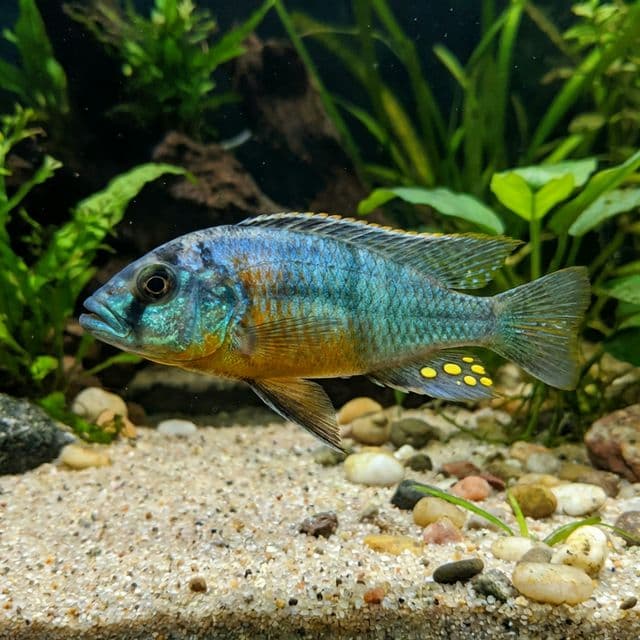
Burton's Mouthbrooder
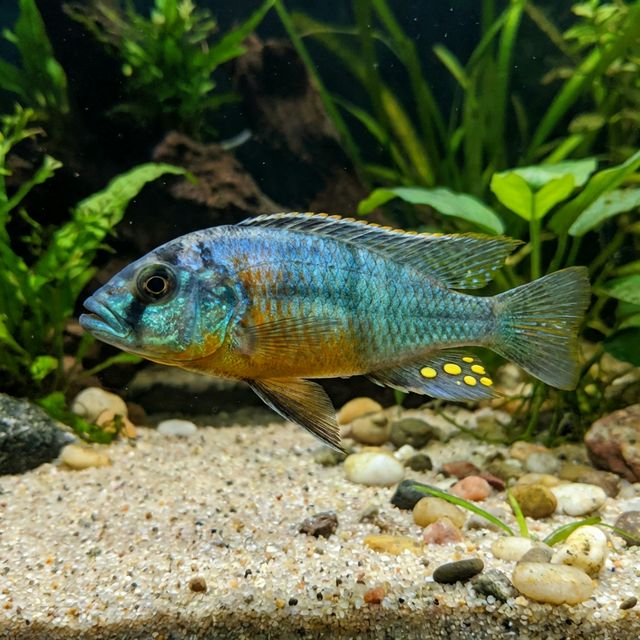
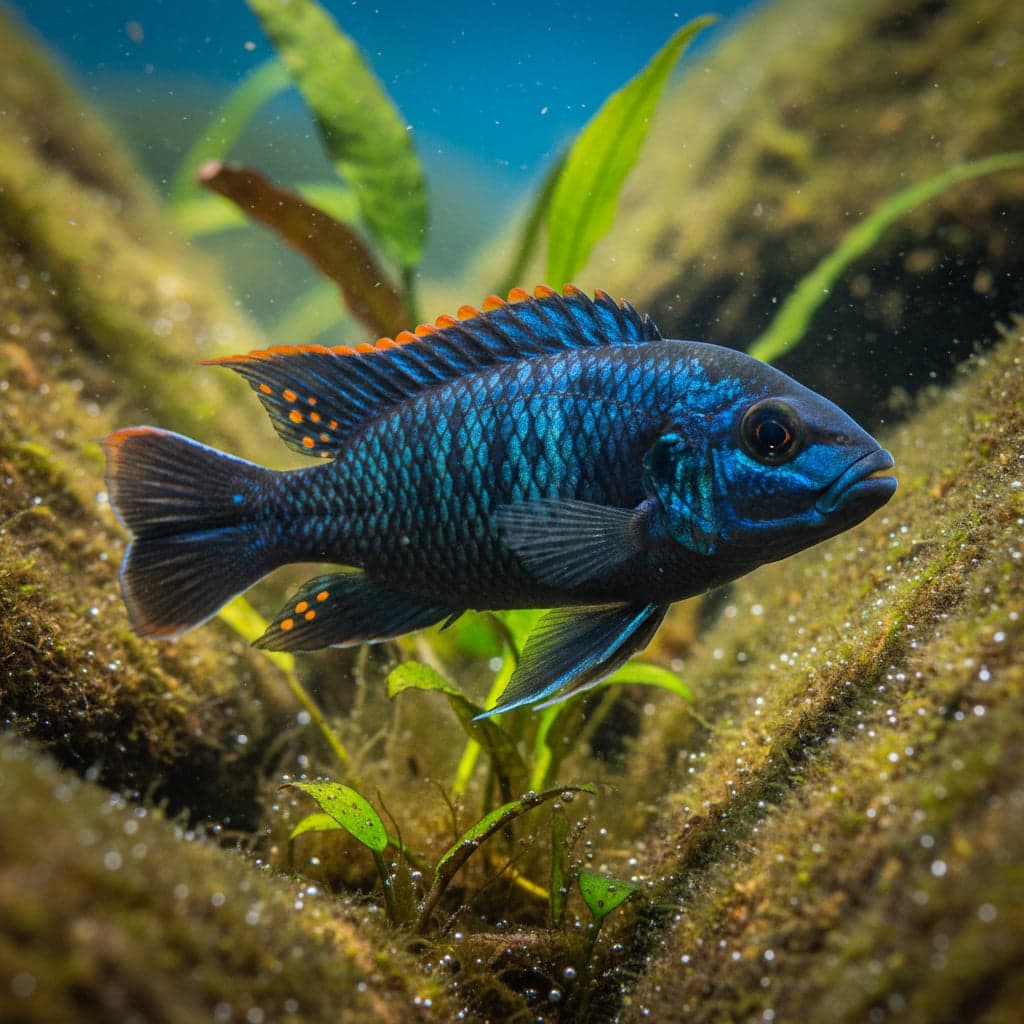
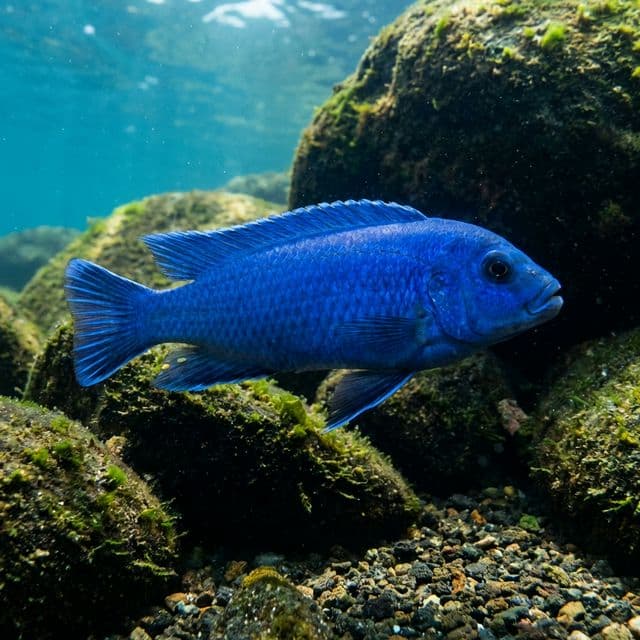
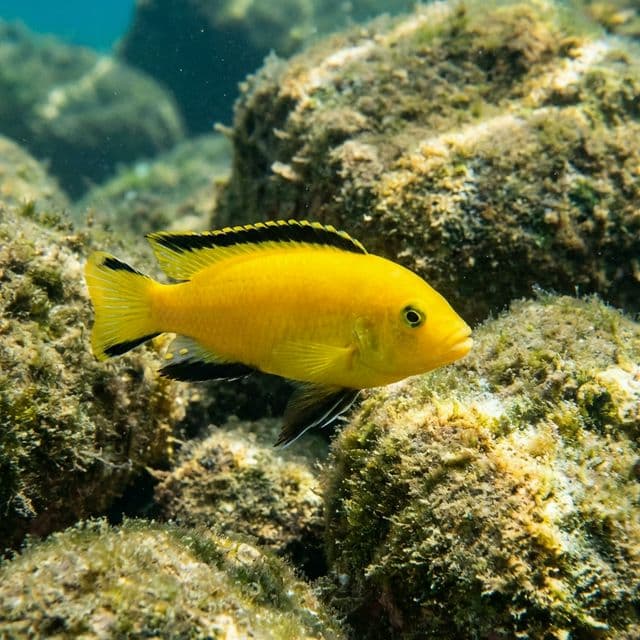
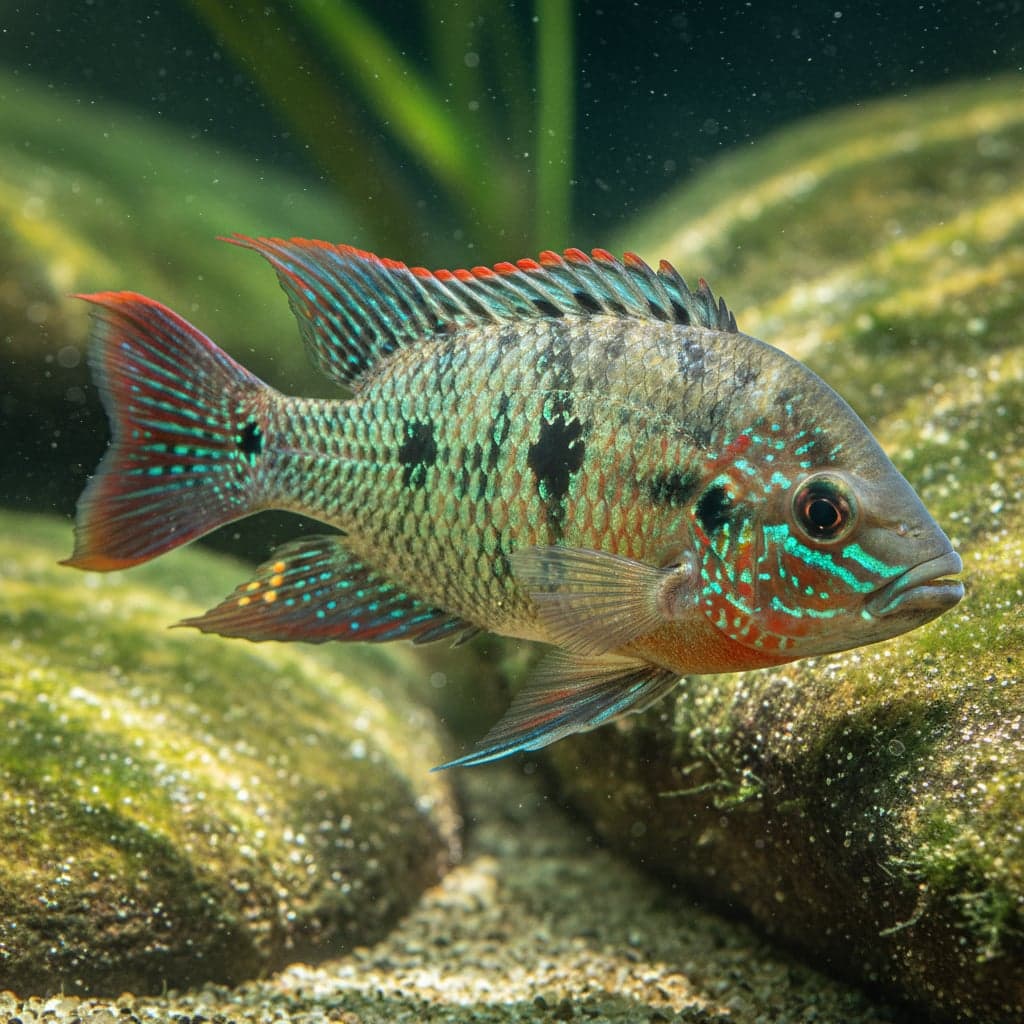
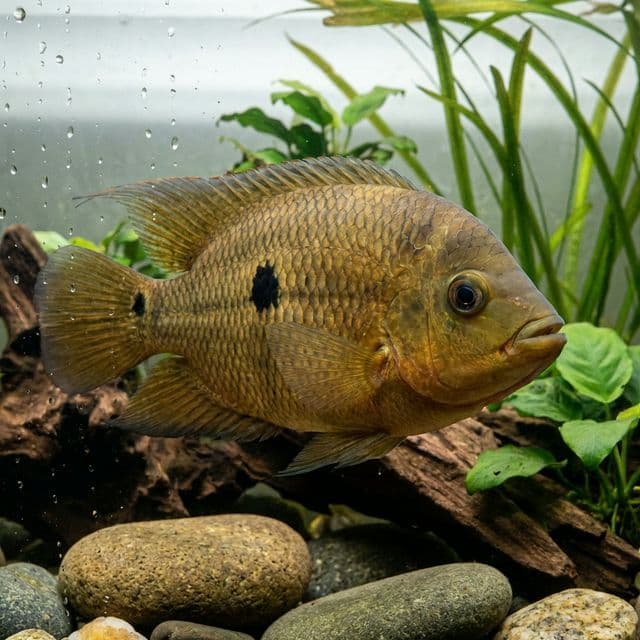
Burton's Mouthbrooder, scientifically known as Astatotilapia burtoni, is a captivating species that belongs to the cichlid family, native to East Africa's Lake Tanganyika. This visually stunning fish is celebrated for its vibrant coloration, particularly in males, which can display a brilliant blue or teal hue accented by shades of yellow and orange during breeding. Females are typically less colorful, featuring more subdued tones, but their sleek body shape and graceful swimming movements make them equally appealing. The Burton's Mouthbrooder is significant in the aquarium hobby not only for its striking appearance but also for its fascinating reproductive behaviors, such as mouthbrooding, where females incubate their young in their mouths for several weeks, providing a nurturing environment.
In the aquarium context, Burton's Mouthbrooder offers enthusiasts the opportunity to observe unique social dynamics and breeding behaviors that are characteristic of many cichlid species. The fish is well-known for its territorial nature and social interactions, making it a favorite among aquarists who appreciate the complexities of fish behavior. As such, understanding the care and social requirements of Burton's Mouthbrooder is crucial for anyone interested in these stunning cichlids, ensuring they thrive in a well-structured aquarium setup.
Natural Habitat & Origin
Burton's Mouthbrooder is indigenous to the rocky shores of Lake Tanganyika, one of the few rift lakes located in East Africa, bordered by four countries: Burundi, the Democratic Republic of the Congo, Zambia, and Tanzania. This habitat is characterized by clear, mineral-rich waters, with a pH range of 7.8 to 8.6 and temperature conditions typically between 23°C and 28°C (73°F and 82°F). The substrate is predominantly composed of fine gravel and sand, combined with rocky structures that provide shelter and breeding sites for this species. In their natural environment, Burton's Mouthbrooder thrives among crevices and caves, which are essential for both predator evasion and reproductive activities.
The waters of Lake Tanganyika are not only known for their beauty but also for their biodiversity, hosting numerous unique fish species. The impressive stability of the lake’s environment contributes to the ecological niche that Burton's Mouthbrooder occupies, showcasing an essential part of the aquatic ecosystem. This unique environmental context underscores the importance of replicating natural conditions in the aquarium to sustain the health and behavioral traits of this cichlid in captivity.
Care Requirements
To create an optimal environment for Burton's Mouthbrooder, it's crucial to maintain specific water parameters. The ideal pH should range from 7.8 to 8.6, with a temperature between 24°C and 28°C (75°F to 82°F), and water hardness ideally falls between 10 to 15 dGH. When considering tank size, a minimum of 75 gallons is recommended, as this allows sufficient swimming space and territory establishment for these moderately aggressive fish.
In terms of tank setup, a sandy substrate is preferred to simulate their natural habitat. Incorporating plenty of rocks, caves, and hiding spots is essential for providing security and breeding areas. Moderate to bright lighting can enhance the fish's colors, while plants can be included, but it’s best to choose hardy varieties that can withstand the cichlid's digging habits. Maintaining good water quality through regular changes and adequate filtration is vital for the overall health of the Burton's Mouthbrooder.
Diet & Feeding
Burton's Mouthbrooder is primarily an omnivore, feeding on a varied diet comprising both plant matter and smaller fish or invertebrates in its natural environment. In captivity, it is essential to provide a balanced diet consisting of high-quality flakes or pellets specifically designed for cichlids, supplemented with frozen foods such as brine shrimp, bloodworms, and daphnia. Moreover, live foods can encourage natural hunting behavior and enhance its coloration. While plant matter is not a staple, including spirulina flakes or blanched vegetables from time to time will ensure a well-rounded nutrition. Feeding should be done in moderate amounts, twice a day, ensuring that uneaten food is promptly removed to maintain water quality.
Behavior & Temperament
Burton's Mouthbrooder exhibits a fascinating social behavior often seen in cichlids, marked by a degree of territoriality, particularly among males. They are best kept in groups rather than alone, with mixed-gender ratios helping to reduce aggression levels. It is vital to provide enough space and structures to establish territories; males can be particularly aggressive during breeding seasons, with established areas on the substrate. When establishing a community tank, it is critical to observe the dynamics between species to prevent stress and aggression.
This species often occupies the mid and bottom levels of the aquarium, showcasing their striking colors while becoming the stars of the tank. It is essential to monitor relationships within the aquarium, ensuring that more docile species are not bullied and that there are ample hiding spots to accommodate all tank inhabitants.
Tank Mates
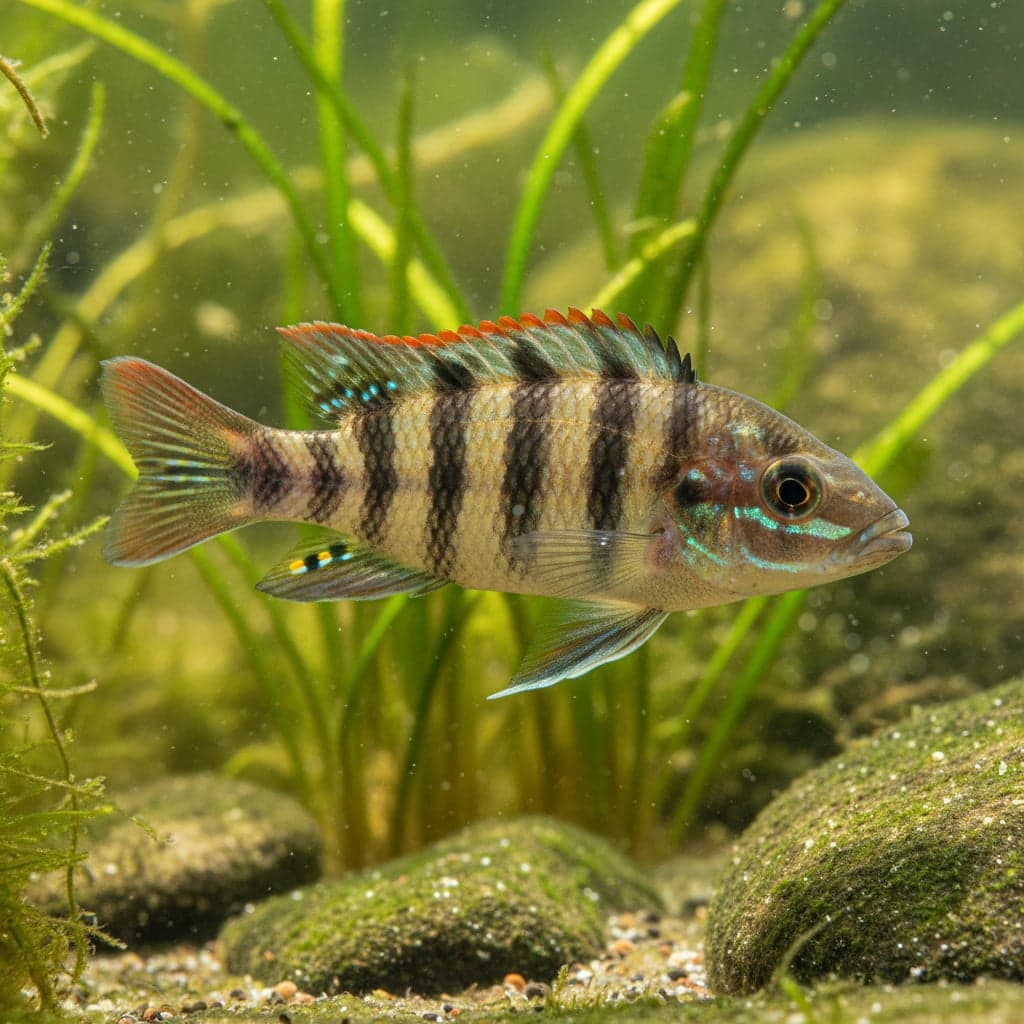
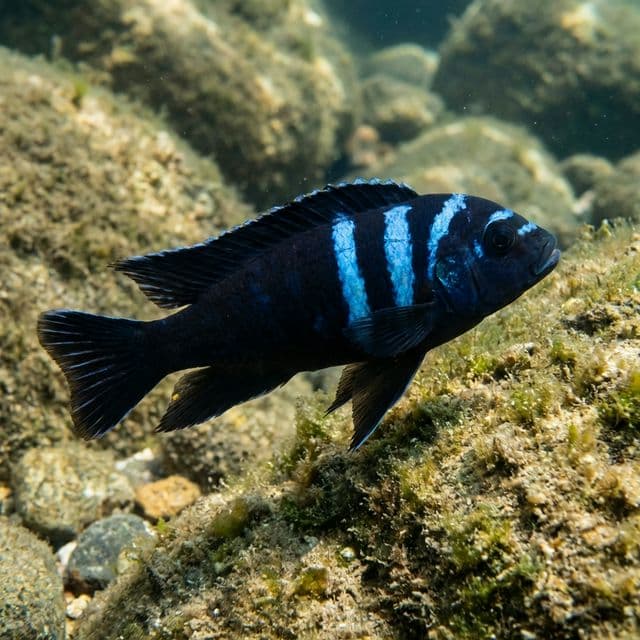
Selecting compatible tank mates for Burton's Mouthbrooder is vital to create a harmonious community. Suitable companions include other African cichlids, such as the Lamprologus species, Cyphotilapia frontosa, and smaller varieties like Neolamprologus. These species share similar water requirements and exhibit compatible temperaments. However, it is essential to avoid keeping them with overly aggressive fish or those that dwell in the same habitat zones, such as larger or more territorial cichlid varieties.
Species to avoid include slower-moving, less robust fish that may become targets of aggression, such as small tetras or guppies. It is advisable to curate a tank population that thrives in similar environmental conditions and behaviors, ensuring a balanced community for all inhabitants.
Breeding
In captivity, breeding Burton's Mouthbrooder requires specific conditions to mimic their natural spawning behaviors. Males establish territories, perform courtship displays, and entice females to lay eggs in prepared spawning sites, typically within crevices or caves. For successful breeding, a spawning environment with secluded areas, a stable temperature of around 26°C (79°F), and excellent water quality is crucial.
After spawning, females will collect the fertilized eggs in their mouths, where they incubate them for approximately two to three weeks before releasing fully developed fry. It is recommended to provide the breeding pair with a separate breeding tank to reduce stress and improve survival rates of the fry. Offering finely crushed flake food or specifically formulated fry food promotes healthy growth in the newly hatched fish.
Common Health Issues
While generally resilient, Burton's Mouthbrooder can be susceptible to specific health issues typical of cichlid species in the aquarium. Common ailments include ich (white spot disease), fin rot, and cichlid herpes virus. Preventative measures should include maintaining optimal water quality through regular water changes, monitoring tank temperature and pH levels, and avoiding overcrowding, which can lead to stress and illness.
Routine observation of fish behavior and appearance is crucial; any signs of distress, abnormal swimming patterns, or changes in coloration can indicate an underlying health issue. In case of illness, prompt treatment with appropriate medications or quarantine of affected fish can help manage health concerns and contribute to a thriving aquarium environment.