Butterfly Goodeid: Ameca splendens
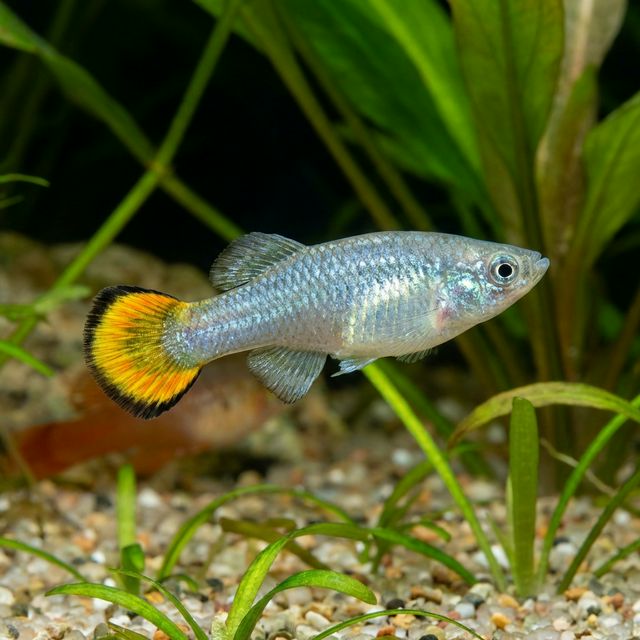
A livebearer that is now extinct in the wild (or nearly so). Males display a stunning yellow band on the tail.

Butterfly Goodeid
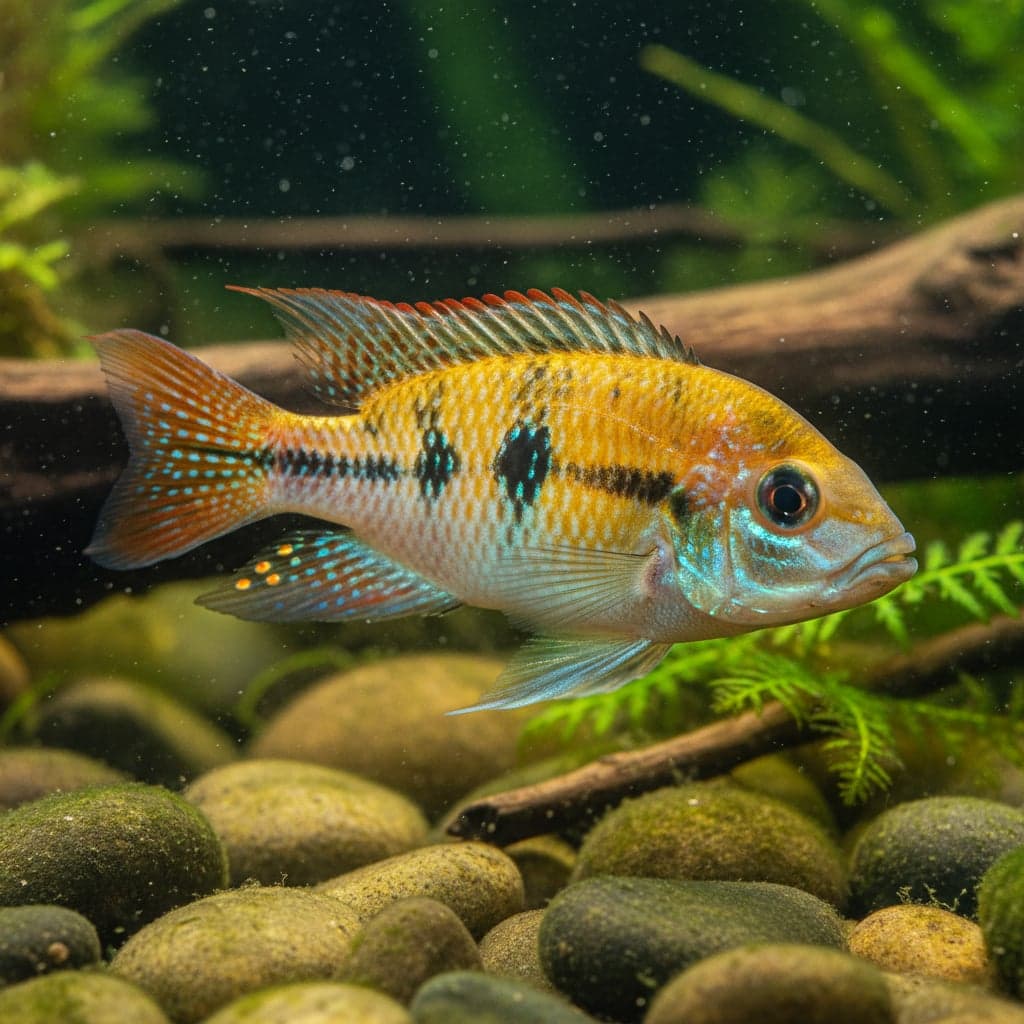
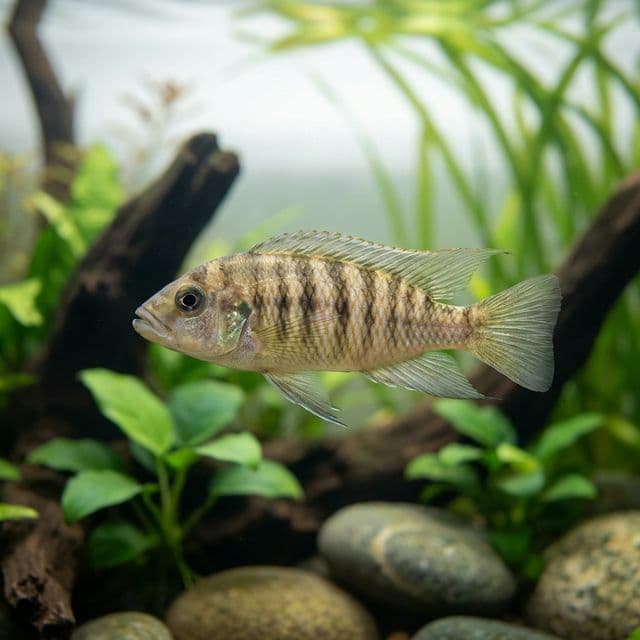
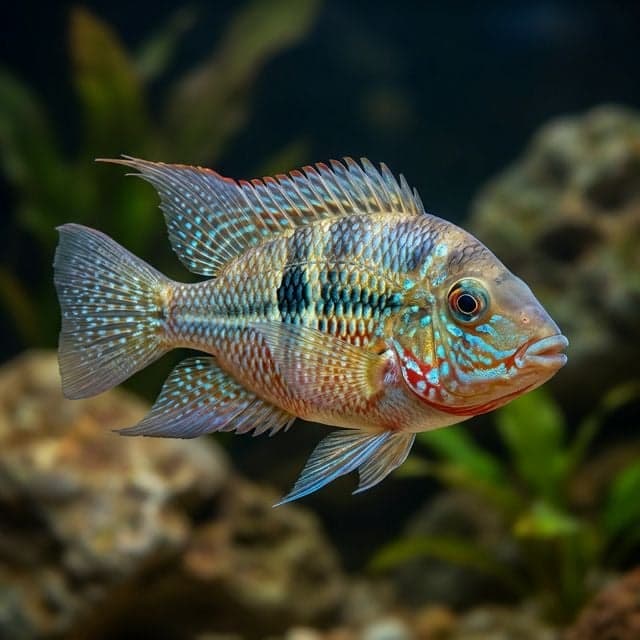
The Butterfly Goodeid, scientifically known as Ameca splendens, is a striking freshwater fish native to Mexico that has gained popularity among aquarists due to its vibrant coloration and unique body shape. Characterized by its iridescent blue-green body adorned with gold and yellow accents, the Butterfly Goodeid displays a stunning array of colors that can change based on its environment and mood. This fish features a laterally compressed body, making it visually appealing and somewhat reminiscent of a butterfly in motion, which gives it its common name. Its vivid coloration and active swimming behavior make it a captivating addition to any community aquarium.
Beyond its aesthetic appeal, the Butterfly Goodeid holds significant ecological importance. As a member of the Goodeidae family, this species can serve as an indicator of environmental health, especially in the freshwater ecosystems of Mexico, where it is endemic. The Butterfly Goodeid is associated with the conservation of aquatic biodiversity, as many species within its family are threatened due to habitat loss and pollution. By keeping this species in the aquarium hobby, enthusiasts not only appreciate its beauty but also contribute to increasing awareness about the importance of preserving fragile aquatic habitats.
Natural Habitat & Origin
The Butterfly Goodeid is native to the warm, freshwater rivers and ponds of central and western Mexico, particularly around the watershed of the Río Lerma. This species typically inhabits shallow waters with lush vegetation, offering ample cover against predators and opportunities for foraging. The natural habitat of the Butterfly Goodeid includes both clear and slightly turbid waters, which provide a mix of moderate to slow flow. The water conditions are relatively stable, featuring a neutral to slightly acidic pH range and consistent temperatures between 20°C to 28°C (68°F to 82°F). The presence of plant life such as aquatic grasses and floating leaves is essential for their well-being, mimicking their natural environment.
As Butterfly Goodeids are found in a versatile range of habitats, they adapt well to different water types, although they thrive best in soft, slightly acidic to neutral conditions. Maintaining clean water is critical, as this species is sensitive to pollutants and deteriorating water quality. Understanding their natural habitat helps aquarists replicate the right conditions to achieve the best health and coloring in their Butterfly Goodeids.
Care Requirements
To provide optimal care for the Butterfly Goodeid, attention to specific water parameters is crucial. The recommended pH range is between 6.5 and 7.5, with a water temperature maintained at 22°C to 26°C (72°F to 78°F). Hardness should ideally be in the range of 5 to 15 dGH. When setting up the tank, a minimum size of 75 liters (20 gallons) is advisable to ensure ample swimming space, as Butterfly Goodeids are active swimmers. Substrate options include fine gravel or sand, which mimics their natural riverbed environment.
In terms of tank setup, ensuring plenty of hiding spots is essential for the comfort of the Butterfly Goodeid. Live plants such as Java moss, Hornwort, and Anubias will provide cover and contribute to water quality. Adequate lighting should be utilized, preferably moderate to low, to prevent algae overgrowth while supporting plant health. Adequate filtration is also essential to maintain stable water conditions, along with routine water changes of approximately 15% to 20% weekly to support the fish’s health and vitality.
Diet & Feeding
The Butterfly Goodeid is an omnivore that thrives on a varied diet in captivity. A balanced nutrition plan is crucial to maintain their vibrancy and overall health. They can thrive on quality flakes and pellets formulated for tropical fish, but it is essential to supplement their diet with live or frozen foods such as brine shrimp, daphnia, and bloodworms. Vegetables like blanched zucchini or spinach can also be offered occasionally, providing a comprehensive nutrient profile.
Daily feeding should consist of small amounts, given multiple times to prevent overfeeding and water quality issues. A diet rich in protein will promote healthy growth and vibrant colors. Providing variety in their diet not only helps in maintaining their health but also encourages natural foraging behavior, which is important for their mental stimulation.
Behavior & Temperament
The Butterfly Goodeid is generally a peaceful fish with a lively demeanor. Known for its sociable nature, it thrives best in small groups of at least five to six individuals, allowing for natural social interactions. This schooling behavior helps reduce stress and enhances their vibrancy. While they are non-aggressive, it is important to monitor their interactions with smaller or more timid species, as Butterfly Goodeids can at times exhibit mild territorial behavior, especially during breeding season.
In terms of tank placement, Butterfly Goodeids prefer the mid to top levels of the tank, where they can swims actively in search of food. They do enjoy some vertical swimming space and require an environment that mimics their natural habitat to exhibit their most natural behaviors.
Tank Mates
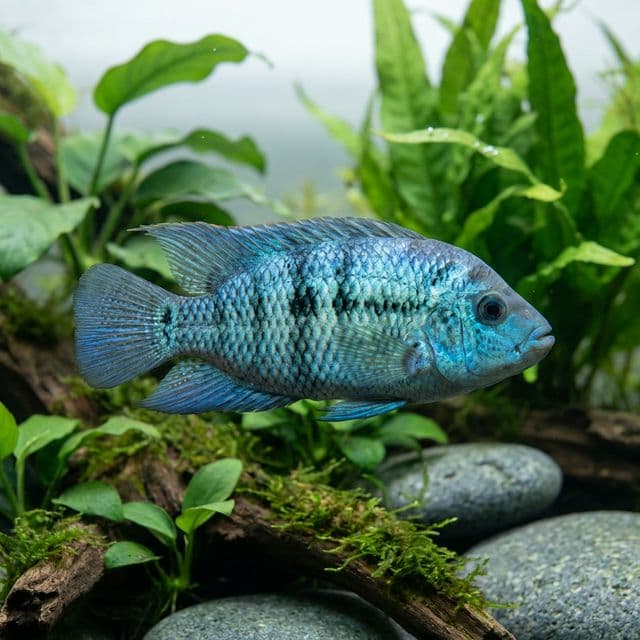
Butterfly Goodeids are fairly adaptable and can coexist peacefully with many community fish species. Suitable tank mates include other peaceful species such as guppies, endler's livebearers, small tetras, rasboras, and certain types of catfish. It is essential to avoid larger or more aggressive fish, as they may injure the Butterfly Goodeid or compete for resources. Species such as cichlids or larger barbs should be avoided, as they may pose a threat to their peaceful nature.
Maintaining a balanced community not only enhances the visual appeal of the aquarium but also fosters a harmonious environment that encourages the natural behaviors of all species involved. When selecting tank mates, always consider their size, temperament, and environmental requirements to ensure compatibility.
Breeding
Breeding the Butterfly Goodeid in captivity can be a rewarding experience, but it requires specific conditions and attention to detail. This species is a livebearer, meaning females give birth to free-swimming fry rather than laying eggs. For successful breeding, it is vital to maintain a separate breeding tank with a soft substrate and plenty of vegetation for hiding places, as the fry are vulnerable to predation from the adults.
To initiate breeding, ensure that the male and female are in good health, with well-fed conditions and the appropriate water parameters. Males can be distinguished by their more brilliant coloration and elongated fins, whereas females tend to be rounder with a larger gravid spot when pregnant. Once the female is ready to spawn, she may give birth to 10 to 30 fry every few weeks. Providing proper care for the fry includes offering finely crushed flakes or specialized fry food to ensure healthy growth and development.
Common Health Issues
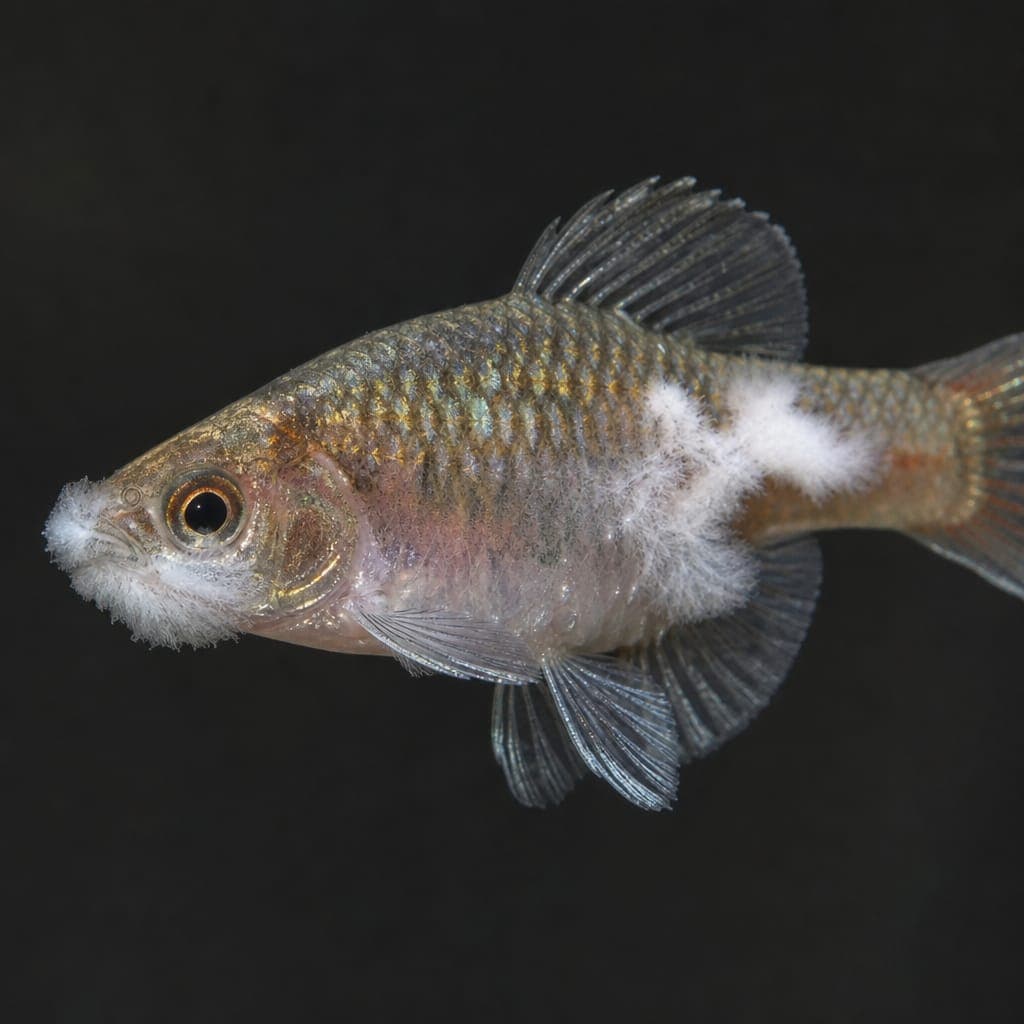
Like many aquarium fish, Butterfly Goodeids may be susceptible to certain health issues. Common ailments include ich (Ichthyophthirius multifiliis), fin rot, and fungal infections, all of which can often be mitigated with good tank maintenance and water quality. Maintaining stable water conditions and ensuring a balanced diet helps in the prevention of these health issues.
Regular monitoring of fish behavior and appearance, along with prompt treatment for any signs of distress or illness, is essential. Quarantine new additions to the aquarium to prevent introducing diseases. Additionally, keeping tank residents stress-free and ensuring adequate hiding places and suitable swimming space will significantly reduce their susceptibility to health-related problems.