C102 Leopard Cory: Brochis sp. CW102
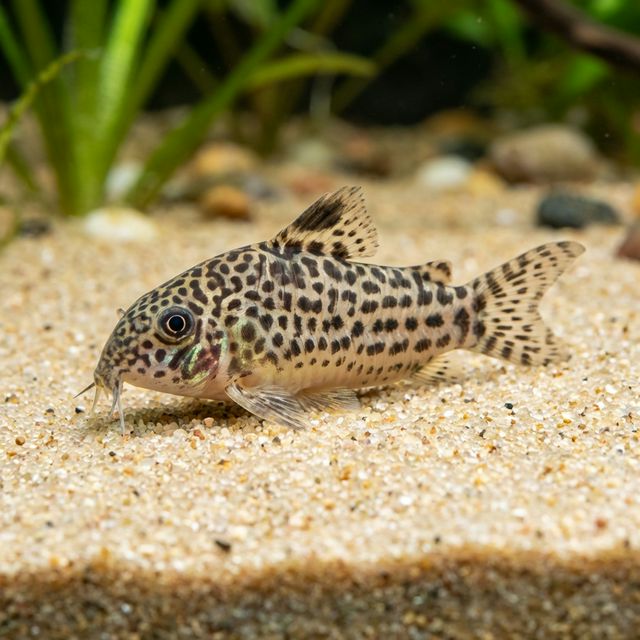
A striking, spotted corydoras species. Often confused with the standard Leopard Cory but distinct in pattern.
C102 Leopard Cory
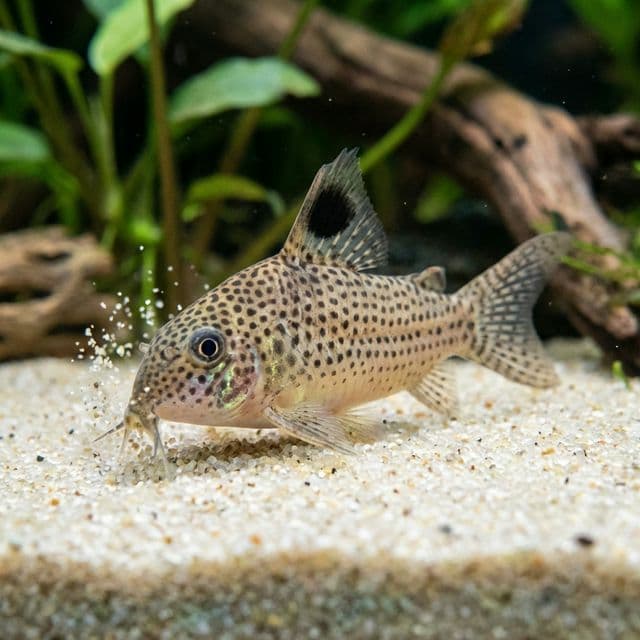
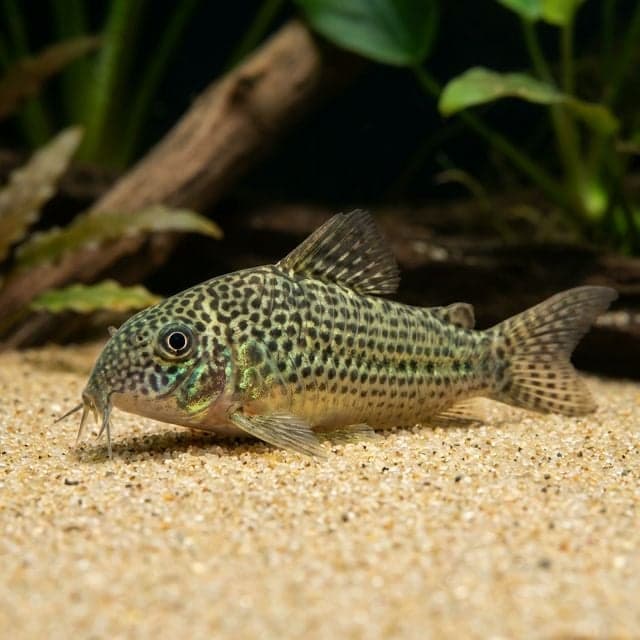
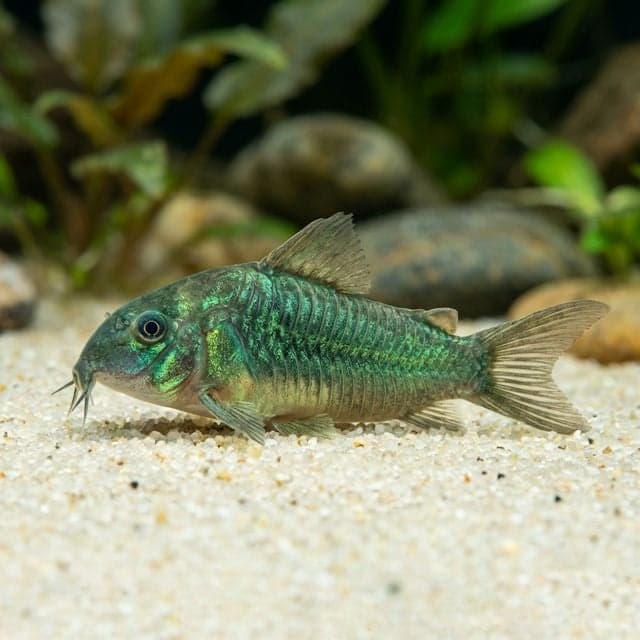
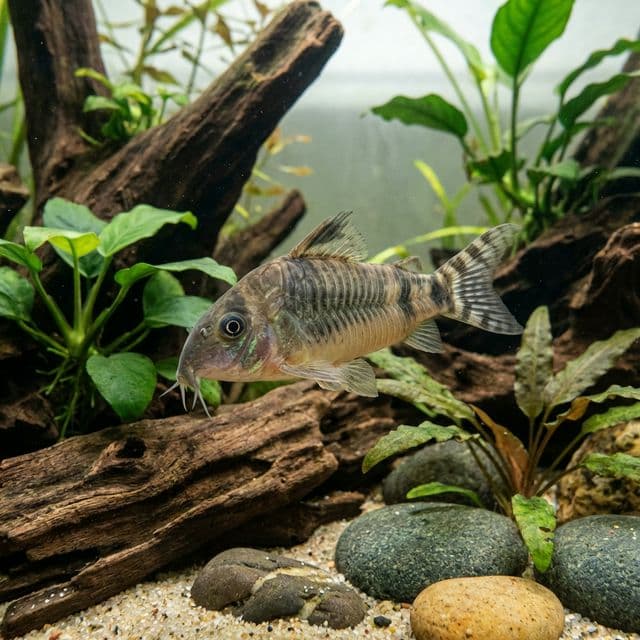
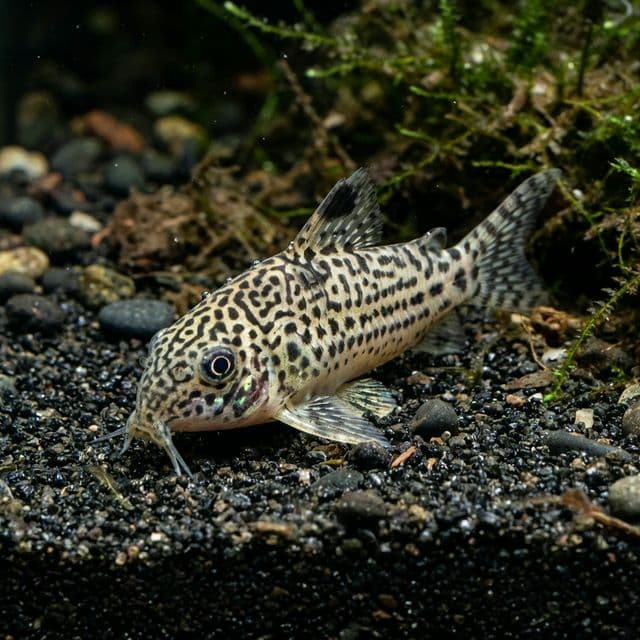
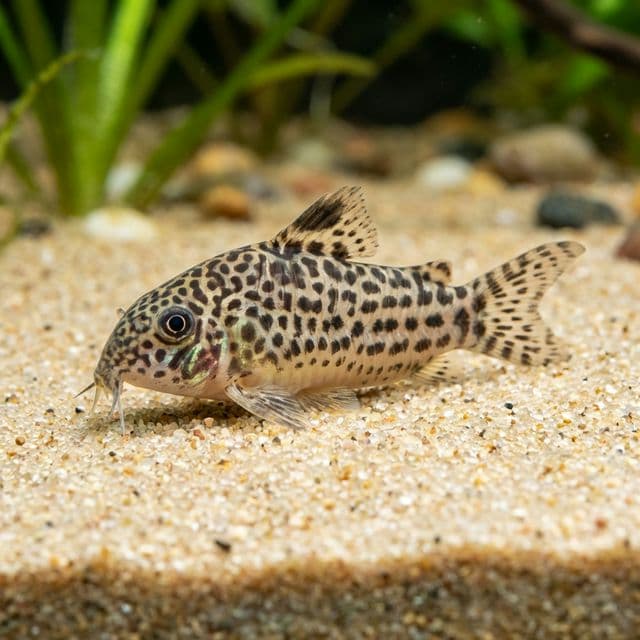
The C102 Leopard Cory, scientifically designated as Brochis sp. CW102, is a captivating catfish native to the rivers and streams of South America. Renowned for its stunning leopard-like patterns, this species features a sleek, elongated body adorned with dark spots on a lighter backdrop that can range from beige to a soft green hue. Its unique color pattern not only provides aesthetic appeal but also serves as a fantastic addition to community aquariums, attracting both novice and experienced aquarists. The C102 Leopard Cory's striking appearance and generally tranquil demeanor contribute to its growing popularity in the aquarium hobby.
Beyond its visual allure, the C102 Leopard Cory holds significance in the ecosystem of freshwater bodies where it thrives. These fish play a crucial role in maintaining tank health as scavengers, consuming detritus and uneaten food. This behavior aids in the overall cleanliness of the aquatic environment and promotes a balanced ecosystem, making the C102 Leopard Cory not just a decorative element but also a valuable resident of community tanks. Their friendly disposition and schooling nature enhance the aquarium experience, encouraging hobbyists to create vibrant aquatic setups.
Natural Habitat & Origin
The C102 Leopard Cory is predominantly found in the lush river basins of Colombia, particularly near the Orinoco River and its tributaries. These waters typically exhibit characteristics of blackwater environments, which are enriched with tannins, decaying plant matter, and organic compounds, leading to a lower pH and darker coloration. The natural habitat is often studded with submerged vegetation, root systems, and leaf debris, creating a complex network of hiding places and breeding grounds. This ecological setting is critical to the C102 Leopard Cory's well-being, as it reflects the environmental conditions needed for optimal growth and behavior in captivity.
Observing the natural environment of this fish is essential for enthusiasts looking to replicate conditions in their home aquariums. The waters where the C102 Leopard Cory resides are generally soft and acidic, making it imperative to consider both the chemical and physical aspects of their habitat when setting up a suitable aquarium. Mimicking these conditions can lead to healthier fish and a more enjoyable aquarium experience.
Care Requirements
To create an ideal habitat for the C102 Leopard Cory, aquarists should consider essential water parameters. A slightly acidic pH range of 6.0 to 7.2 is optimal, with temperatures ideally set between 24°C to 28°C (75°F to 82°F). The hardness of the water should remain low to moderate, ideally under 10 dGH. Implementing a high-quality filtration system is crucial to maintain water clarity and quality, given the C102 Leopard Cory's preference for clean, well-oxygenated environments.
Aquarium size plays a vital role in ensuring the health of these sociable fish. A minimum tank of 20 gallons is recommended for a small group of C102 Leopard Corys, ideally with plenty of horizontal swimming space. A soft substrate, such as fine sand or smooth gravel, is ideal, as it prevents injury to their delicate barbels when foraging for food. For lighting, providing a subdued atmosphere with floating plants or tall decor mimics their natural habitat while promoting a sense of security. Incorporating live plants can further enhance their environment, offering additional hiding spots and promoting a healthier tank ecosystem.
Diet & Feeding
C102 Leopard Corys are classified as omnivores, making them relatively easy to feed. In nature, their diet consists primarily of detritus, plant matter, and small invertebrates, which indicates a need for a well-rounded diet in captivity. They thrive on high-quality flake food, sinking pellets, and specialized catfish foods that include a mix of protein and plant-based content. Frozen or live foods such as brine shrimp, daphnia, and bloodworms can be offered to enhance their diet and encourage natural foraging behavior.
To maintain their health and vitality, it's important to feed C102 Leopard Corys a balanced diet with appropriate portion sizes, typically 2-3 times a day. Ensuring that any uneaten food is promptly cleared away helps maintain water quality and prevents potential health issues. A varied diet not only promotes overall health but also enriches their environment by encouraging natural behaviors.
Behavior & Temperament
The C102 Leopard Cory is known for its peaceful demeanor and sociable nature, making it an excellent addition to community tanks. These fish thrive in groups and should ideally be kept in schools of at least six individuals; this encourages natural schooling behavior and reduces stress, which can occur when they are kept alone or in small numbers. Their social interactions often include playful swimming, gentle nudging, and a tendency to explore their environment together.
In terms of vertical placement within the tank, C102 Leopard Corys tend to remain in the lower to mid-levels of the aquarium. They prefer to scavenge along the substrate and explore plants and decorations, but they also exhibit playful behavior by darting to mid-water levels during feeding. With a peaceful disposition and minimal aggression, they are compatible with many species, fostering a serene community atmosphere.
Tank Mates
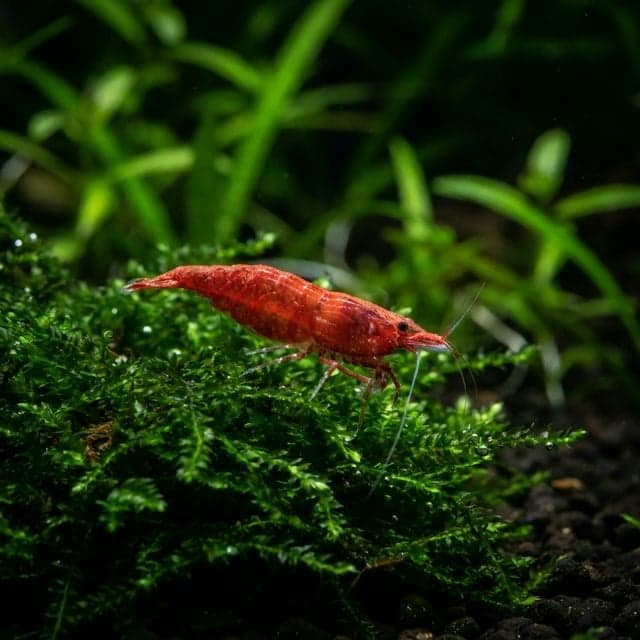
When selecting tank mates for the C102 Leopard Cory, choose peaceful species that occupy different levels of the aquarium. Ideal companions include various types of tetras (such as Neon Tetras), rasboras, dwarf cichlids, and peaceful barbs. Other suitable species include small corals, guppies, and various species of shrimp such as Amano or Cherry Shrimp.
It is important to avoid pairing C102 Leopard Corys with aggressive or larger fish that may see them as prey or compete for food, such as larger cichlids or certain types of barbs. Additionally, avoid highly territorial species that may disrupt the peaceful nature of the aquascape, ensuring a harmonious living environment for all inhabitants.
Breeding
Breeding the C102 Leopard Cory can be rewarding but requires careful attention to the right conditions. This species is a substrate spawner, preferring to lay eggs on flat surfaces such as broad leaves or specific spawning mats. Creating breeding conditions involves maintaining optimal water parameters with a slightly cooler temperature (around 22°C or 72°F) and ensuring high water quality through frequent water changes.
To encourage spawning, providing a separate breeding tank with gentle filtration and abundant hiding spots is advisable. It is recommended to condition the breeding pair with high-quality food in the weeks leading up to breeding. Once eggs are laid, they typically hatch within 3-5 days, and the fry should be fed infusoria or finely crushed flakes until they are large enough to accept powdered foods. Successfully breeding C102 Leopard Corys can significantly enhance the hobbyist’s experience and contribute to preserving this remarkable species.
Common Health Issues
C102 Leopard Corys are generally hardy fish; however, they can be prone to specific health problems, most notably ich (Ichthyophthirius multifiliis), fin rot, and bacterial infections brought on by stress or poor water quality. Maintaining excellent water conditions and regular tank maintenance can effectively prevent these common issues.
Additionally, it's critical to watch for symptoms of stress or disease, such as changes in swimming behavior, loss of appetite, or abnormal gill movement. Prompt treatment with appropriate medications, as well as quarantining affected individuals, can prevent the spread of diseases. Regular check-ups for any signs of osmotic distress or parasitic infections are recommended, especially after water changes or new additions. Quarantine newcomers, keep soft sand substrate clean, and maintain stable parameters with regular changes. A varied sinking diet supports immunity. Watch for white spots, frayed fins, clamped fins, or laboured breathing, and treat promptly. With excellent water quality, a proper-sized group, and early intervention, C102 Leopard Corys remain hardy, active bottom dwellers in the community aquarium.