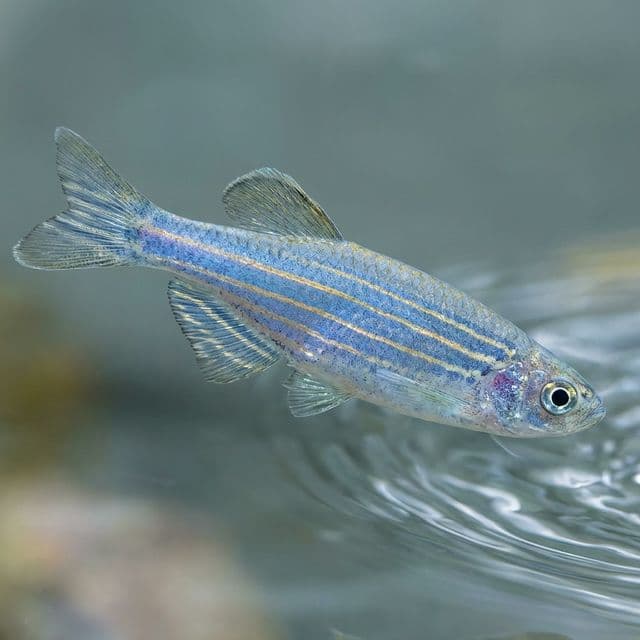
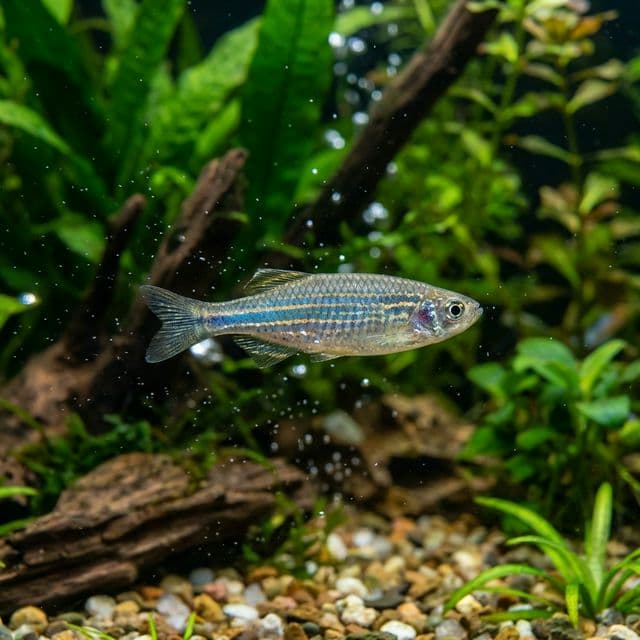
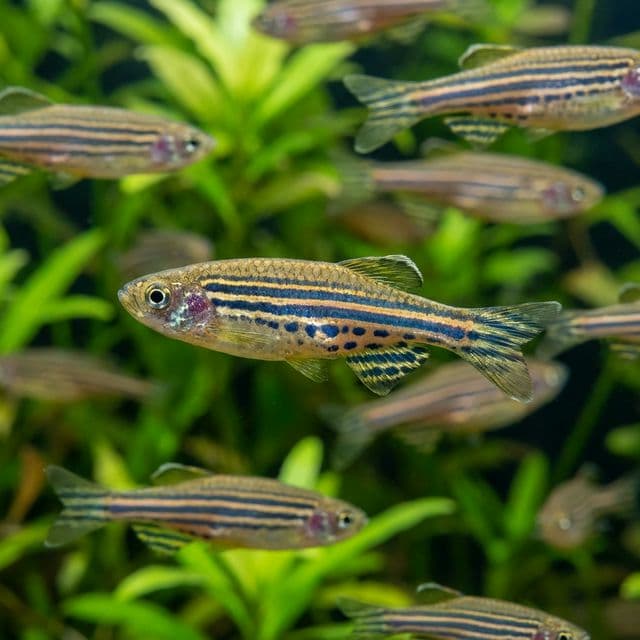
Canara Pearlspot Chromide: Etroplus canarensis
A rare Indian cichlid. Unlike its brackish cousins, this species is strictly freshwater.
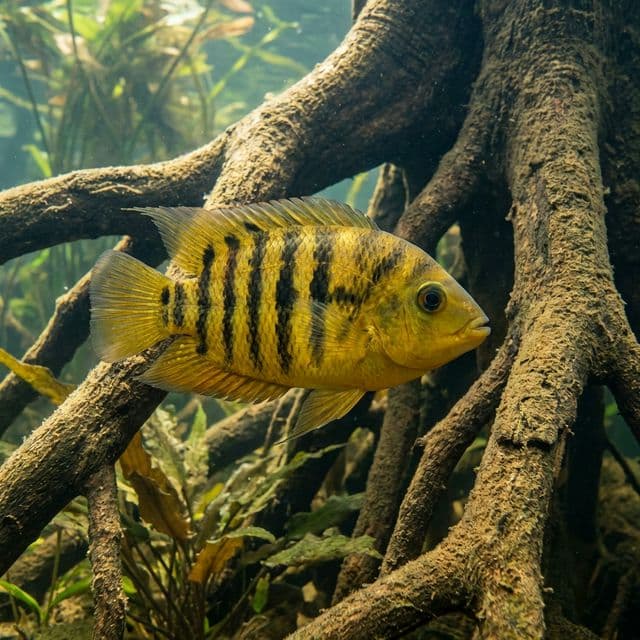
Canara Pearlspot Chromide
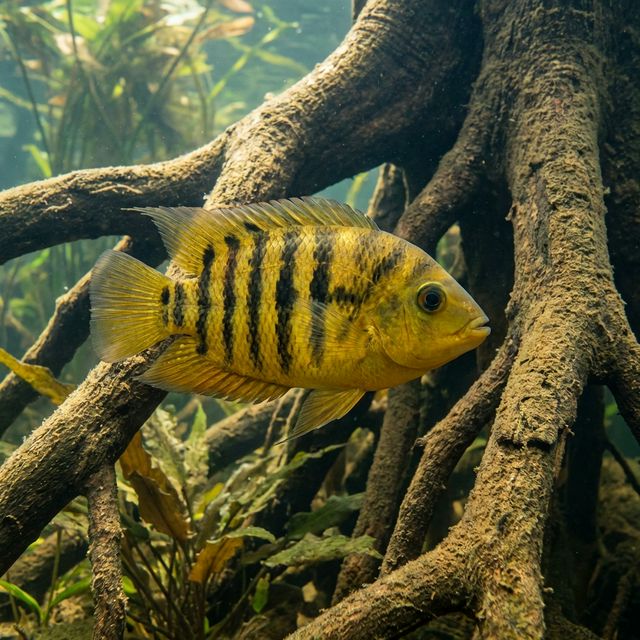
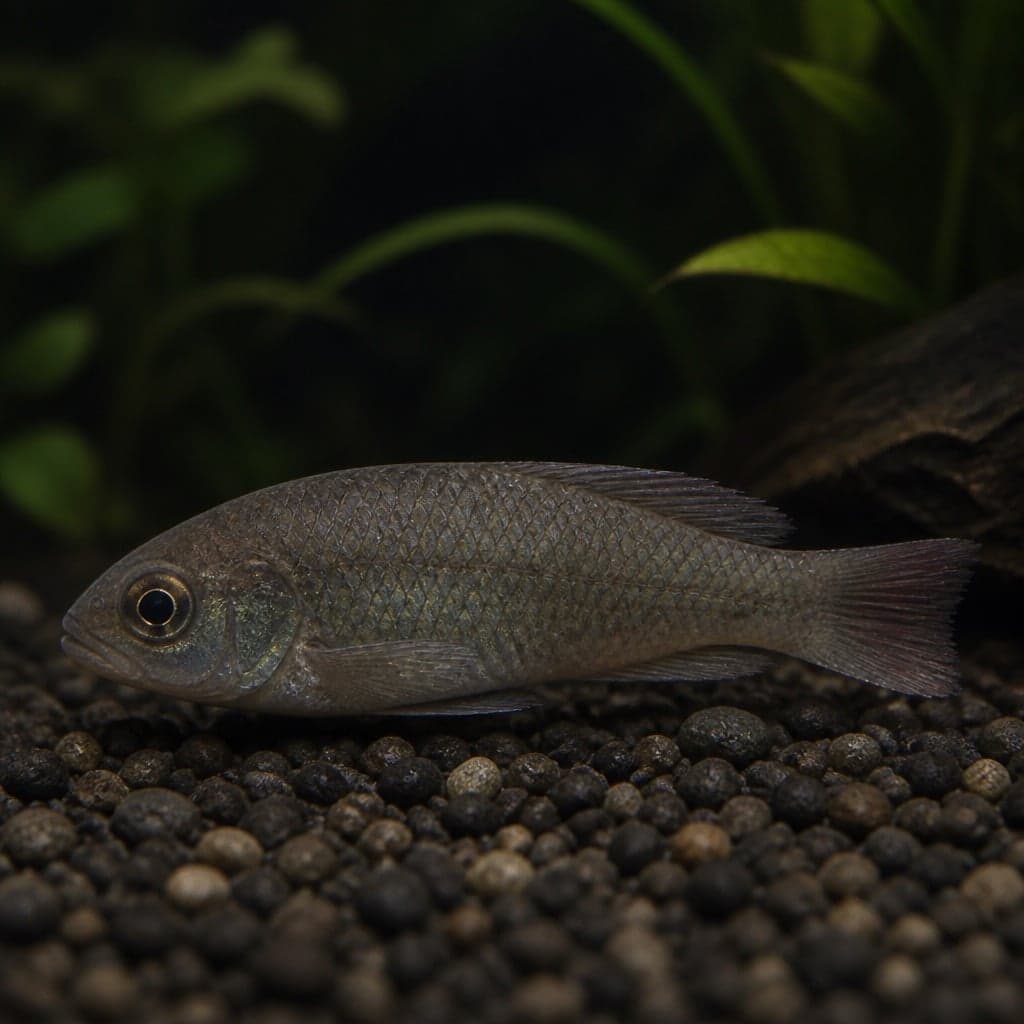
The Canara Pearlspot Chromide, scientifically known as Etroplus canarensis, is a captivating freshwater fish native to the lush coastal areas of India, particularly around the Canara region of Karnataka. Its striking appearance, characterized by a pearlescent sheen and a blend of vibrant greens and blues with intricate markings, makes it a favored choice among aquarists. This species can exhibit a stunning color transition based on mood, health, and environmental conditions, which adds a level of dynamism to any aquarium setting. Its beauty is further enhanced by its small size, usually reaching about 4 to 5 inches in length, making it an appealing addition for both novice and experienced fish keepers.
Beyond its visual appeal, the Canara Pearlspot Chromide holds cultural significance in its native habitat, often being associated with sustainable aquaculture practices. These fish are not only enjoyed for their aesthetic quality but are also an important part of local ecosystems, contributing to the biodiversity of freshwater habitats. This dual role—both as ornamental and ecological contributors—highlights the significance of promoting responsible breeding and care in the aquarium hobby.
Natural Habitat & Origin
The Canara Pearlspot Chromide is primarily found in the freshwaters of the Western Ghats, a UNESCO World Heritage site that boasts a variety of habitats. The species thrives in a mix of water types, including both clear and slightly stained, blackwater environments typically filled with dense vegetation and submerged flora. The water in these regions is often soft and slightly acidic, with a pH range typically between 6.0 to 7.5. It is in such habitats that the Canara Pearlspot Chromide has adapted to make the most of the rich biodiversity, spending time among roots and debris where it searches for food and shelter.
The ecological context of the Canara Pearlspot Chromide's habitat is crucial for understanding its needs in captivity. This fish has evolved in an environment featuring slow-moving and sometimes stagnant waters, which are complemented by plenty of hiding spots and intricate structures. Such an ecological backdrop shapes its behaviors and social interactions, making it vital for aquarists to replicate these conditions to ensure the well-being of their fish.
Care Requirements
To successfully keep Canara Pearlspot Chromides, it is essential to replicate their natural habitat as closely as possible. Ideal water parameters include a temperature range of 75°F to 82°F (24°C to 28°C), a pH of around 6.0 to 7.5, and hardness levels between 5 to 15 dGH. A minimum tank size of 30 gallons is recommended, as these fish appreciate space for swimming and exploring. It is crucial to have a well-planted tank, with plenty of hiding spots provided by caves, driftwood, and rocky decor to promote a sense of security.
As for the substrate, a fine-grained one is preferable, mimicking the riverbed where they are often found. Lighting should be moderate to subdued to allow for the growth of plant life and to recreate the dappled sunlight effect found in their natural habitat. Aquatic plants such as Java Fern, Amazon Sword, and Cryptocoryne can be excellent additions that not only enhance aesthetic appeal but also serve as hiding spots for these fish.
Diet & Feeding
The Canara Pearlspot Chromide is an omnivorous species, which means its diet consists of both plant and animal matter. In captivity, they thrive on a varied diet that includes high-quality flakes, pellets, and live or frozen foods. Recommended staple foods include spirulina-based flakes, which provide essential nutrients and promote bright coloration. Additionally, offering a range of protein-based options such as brine shrimp, bloodworms, and daphnia can help ensure optimal health and vitality.
It's essential to feed these fish in moderation, providing small amounts that can be consumed within a few minutes, as overfeeding can lead to health issues such as obesity or water quality problems. A balanced diet will help maintain their natural beauty and ensure they thrive in the aquarium environment.
Behavior & Temperament
In terms of behavior, Canara Pearlspot Chromides are generally social and can be kept in small groups. They display a level of curiosity and are active swimmers, often exploring various areas of the tank. While they are not overly aggressive, they can exhibit territorial behavior, particularly during breeding seasons or if they feel their space is threatened. It's advisable to provide sufficient room and hiding spots to reduce any potential aggression, especially in smaller tanks.
These fish typically stay in the middle to lower levels of the aquarium, often found near vegetation or structures. It is important to observe their social dynamics; keeping them in groups of six or more can help diffuse any aggression as they establish social hierarchy, thus reducing stress levels in the tank.
Tank Mates
Choosing compatible tank mates for the Canara Pearlspot Chromide enhances the aquarium's vibrancy and stability. Suitable companions include peaceful species such as neon tetras, guppies, otocinclus, and corydoras. In a community tank, avoid aggressive fish or larger predatory species that may pose a threat to the Canara Pearlspot Chromide or outcompete them for resources.
Species to avoid include larger cichlids, as well as fin-nippers like barbs and certain aggressive territorial species that might intimidate or harm the Canara Pearlspot Chromide. Focusing on a peaceful community setup will aid in fostering a harmonious environment for all inhabitants.
Breeding
Breeding Canara Pearlspot Chromides in captivity can be a rewarding experience, although it requires careful attention to environmental conditions. To encourage spawning, they need a breeding tank set up with high-quality water parameters, preferably soft and acidic water (6.0 to 6.5 pH), and a temperature of around 78°F to 80°F (25°C to 27°C). The presence of flat surfaces, such as tiles or broad leaves, provides perfect spawning sites for the female, who lays sticky eggs that adhere to the chosen surfaces.
During courtship, males will display their vibrant colors and perform elaborate fin displays to attract females. After spawning, the adults should be removed to prevent them from eating the eggs or fry. The incubation period for eggs is typically 3 to 4 days, after which the fry will become free-swimming, and they can be fed infusoria or finely crushed flakes until they are large enough to accept larger food items.
Common Health Issues
Despite their hardiness, Canara Pearlspot Chromides can be susceptible to certain health issues if not provided with proper care. Common diseases include ich, fin rot, and bacterial infections, often exacerbated by poor water quality or stress. Regular water changes, proper filtration, and maintaining stable water parameters can help prevent these problems.
Additionally, monitoring their diet and ensuring their social environment is not stressful will reduce the risk of health issues. If a fish appears lethargic or shows signs such as clamped fins or discoloration, it is vital to take immediate action by assessing water conditions and potentially treating the fish with appropriate medications. Regular health checks and preventative care will keep your Canara Pearlspot Chromides thriving in a vibrant aquarium setting.