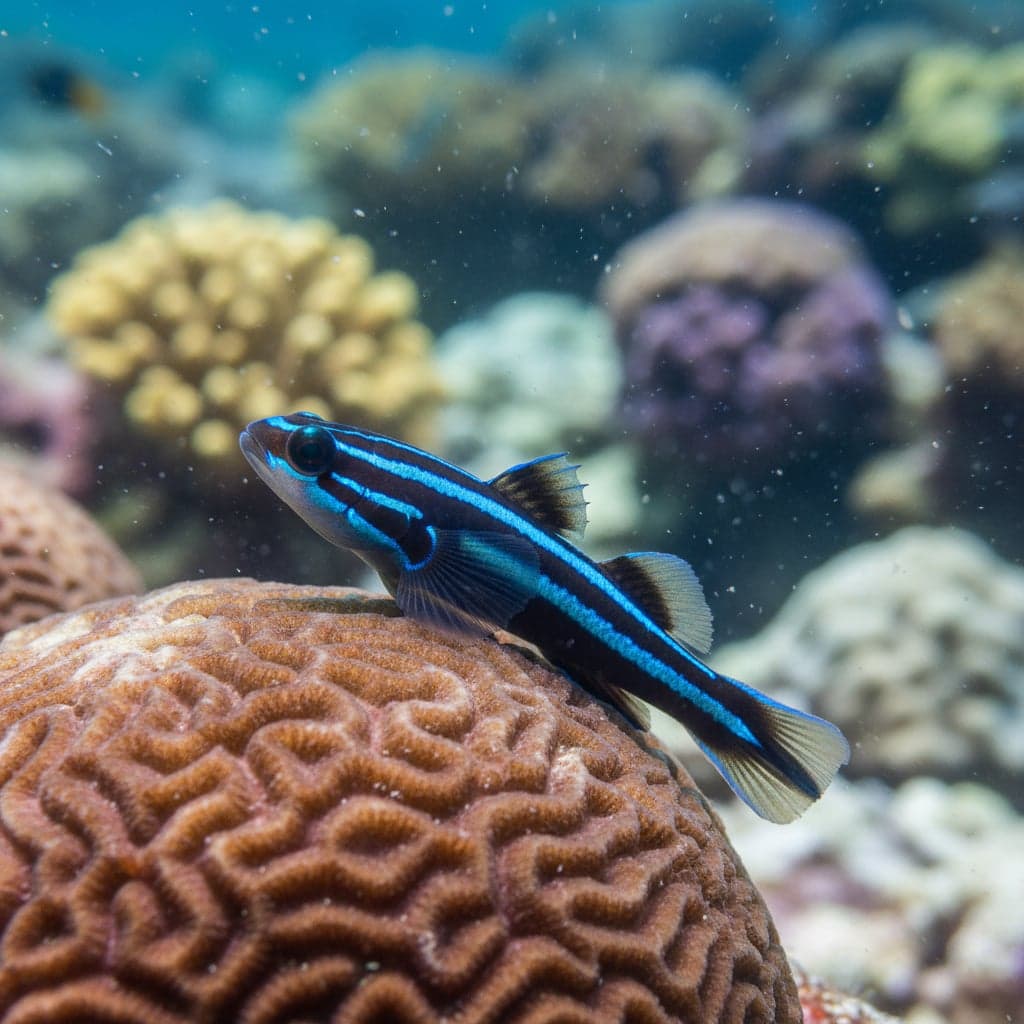
Carpenter's Flasher Wrasse: Paracheilinus carpenteri
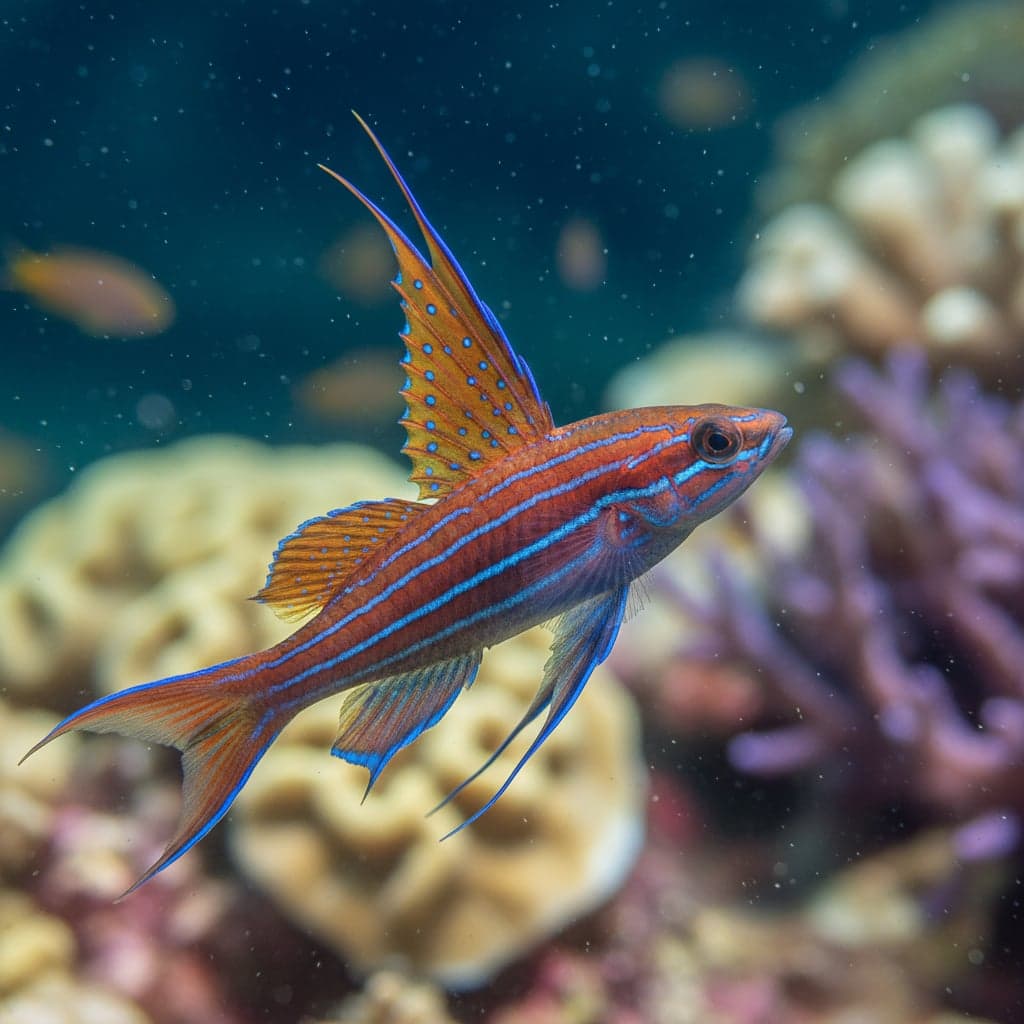
A peaceful planktivore wrasse. Males perform an electric blue "flashing" display to impress females, making them one of the most exciting reef fish.
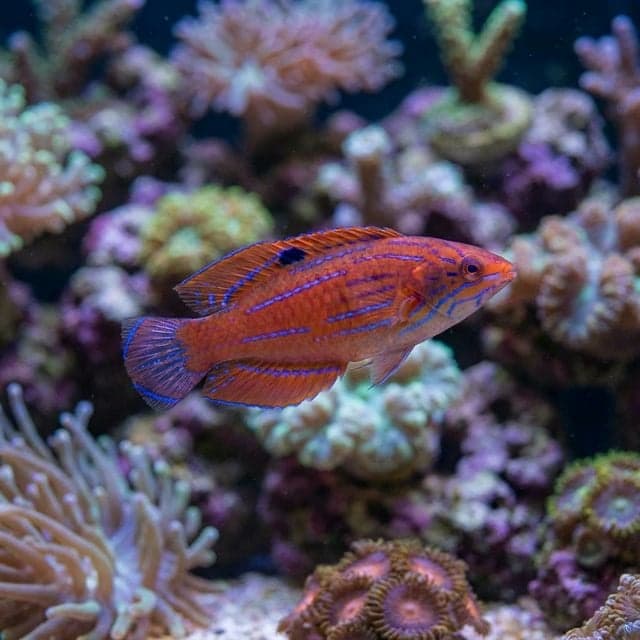
Carpenter's Flasher Wrasse
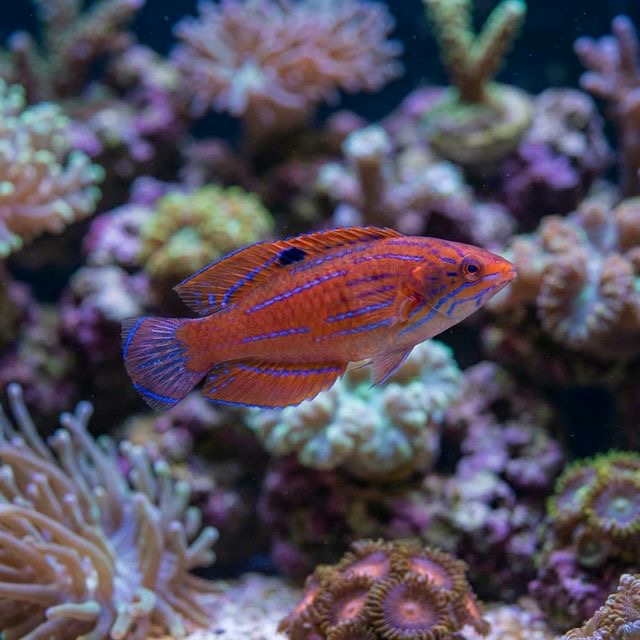
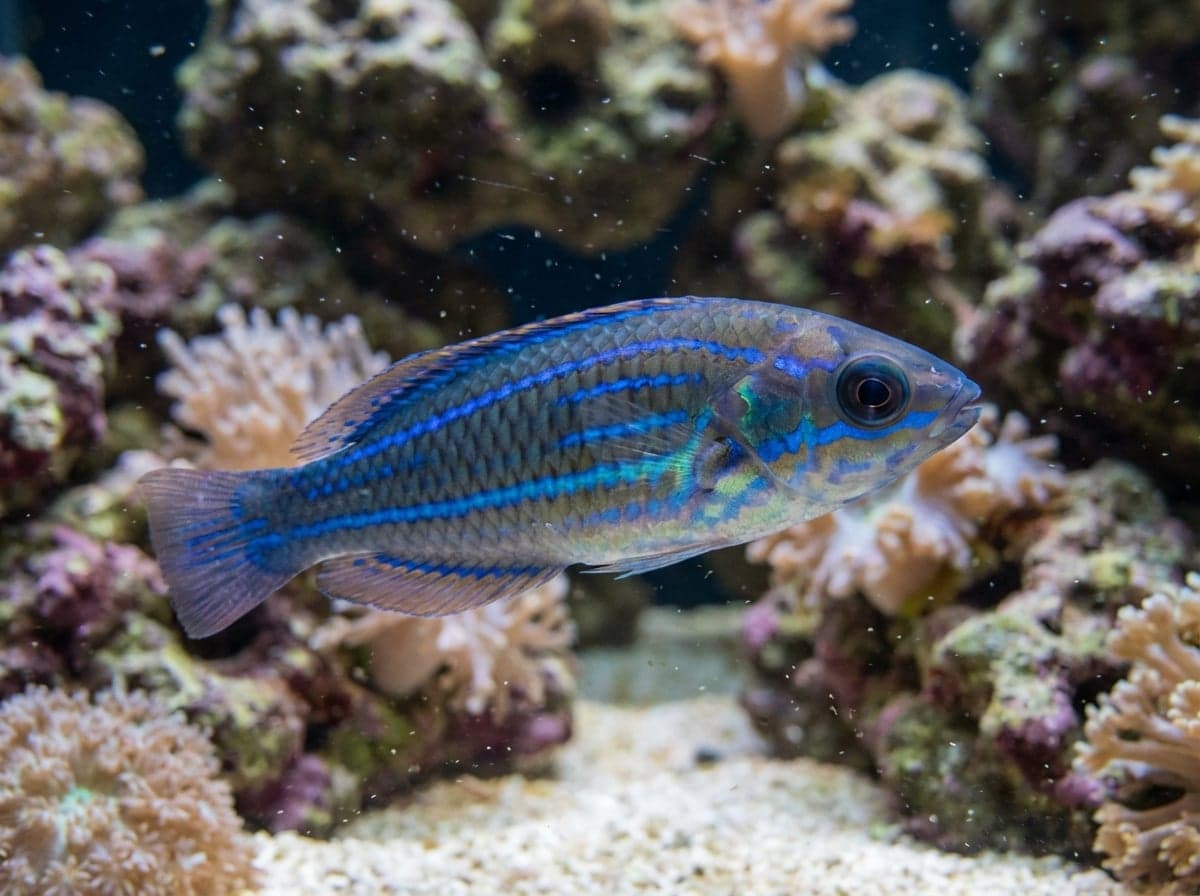
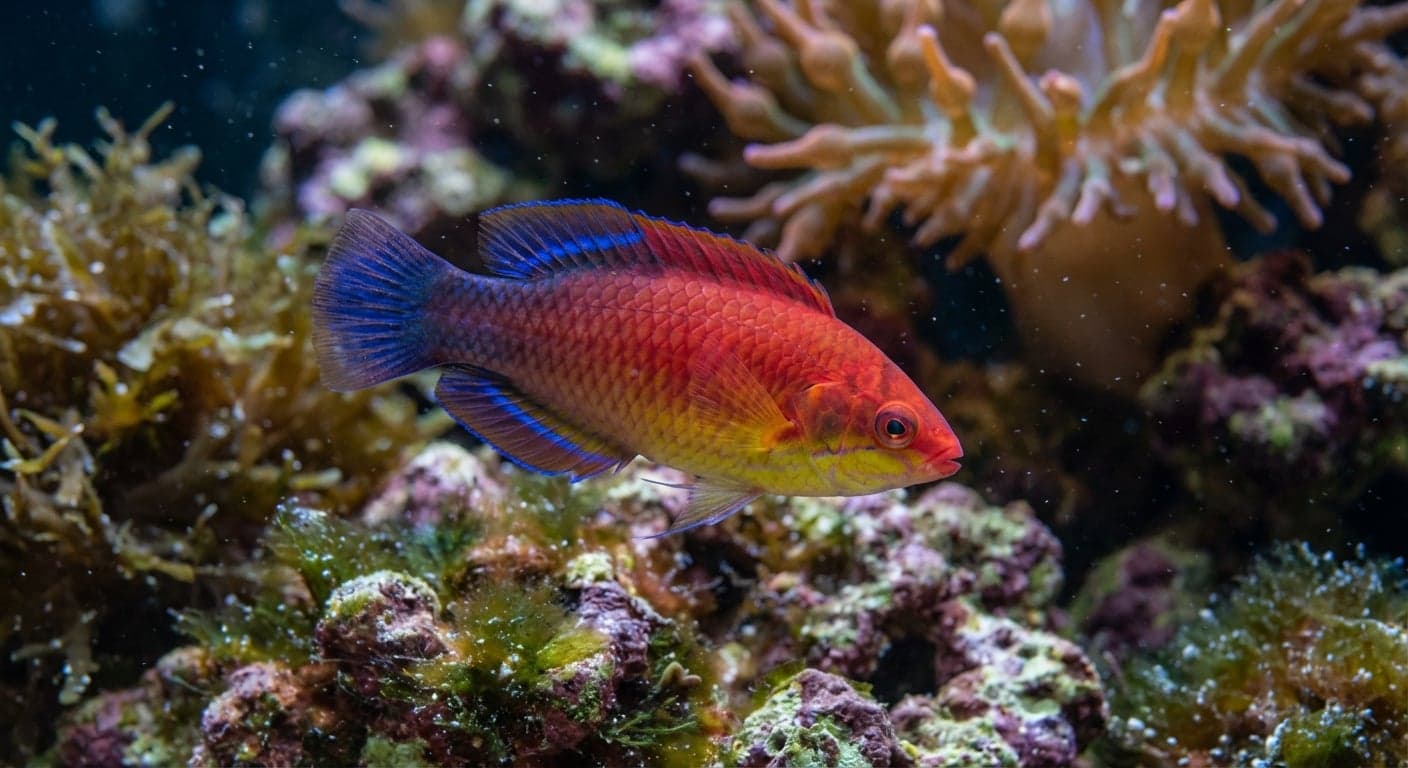
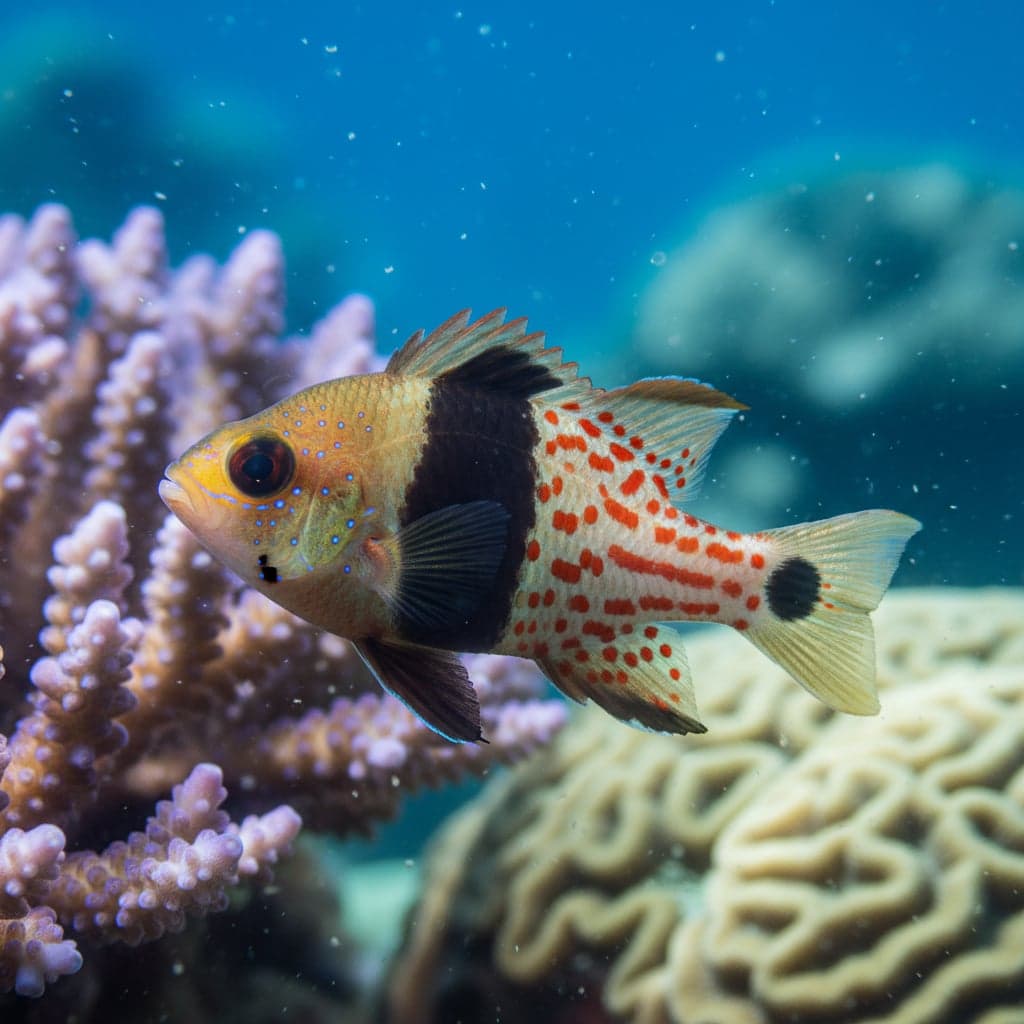
The Carpenter's Flasher Wrasse, scientifically known as Paracheilinus carpenteri, is a stunning species that captivates aquarists and fish enthusiasts alike. Known for its vibrant and dynamic coloration, this small, yet striking fish features a blend of iridescent blues, yellows, and pinks, particularly pronounced in males, who display dramatic flashing displays during courtship - a behavior that gives the species its common name. This chromatic brilliance not only makes the Carpenter's Flasher Wrasse a visual centerpiece in aquariums but also serves as a significant attraction for marine hobbyists. Their playful and active nature further enhances their charm, making them suitable for both novice and expert aquarists alike.
In the aquarium hobby, the Carpenter's Flasher Wrasse holds a prestigious place due to its captivating display behaviors and its relatively manageable care requirements. These fish are known for their shy temperament, often darting into hiding spots when first introduced to their environment. However, with time, they become more accustomed to their surroundings and can exhibit remarkable interactions, especially during feeding or when showing off their dazzling colors. Being one of the more visually appealing wrasses, the Carpenter's Flasher Wrasse is not just a fish; it embodies the diversity and beauty of marine ecosystems that enthusiasts strive to replicate in their home aquariums.
Natural Habitat & Origin
The Carpenter's Flasher Wrasse is primarily found in the coral reefs of the Indo-Pacific region. This species has been notably documented around the islands of Palau, Fiji, and the Solomon Islands, thriving among the vibrant corals and structures that provide both shelter and hunting grounds. Typically inhabiting clear, warm waters at depths ranging from 10 to 70 meters, the Carpenter's Flasher Wrasse is often spotted in sandy areas adjacent to corals and rocky substrates. These environmental contexts are crucial for their survival and social interactions, as they rely on the reef's structure for protection from predators and as a platform to display their courtship rituals.
The waters in which the Carpenter's Flasher Wrasse resides are generally characterized by moderate salinity and crystal-clear visibility, ideal conditions for these fish that rely on light and visual cues for communication. The environmental health of these ecosystems is paramount, as alterations in water quality can directly impact the subtle behaviors and health of the inhabitants, including the Carpenter's Flasher Wrasse.
Care Requirements
To successfully maintain Carpenter's Flasher Wrasse in a home aquarium, specific water parameters must be met. The ideal pH range for this species is between 8.1 and 8.4, with a temperature that can fluctuate between 24°C to 28°C (75°F to 82°F). The hardness of the water should remain between 8 to 12 dGH for optimal health. It is recommended to keep the aquarium at a minimum size of 75 gallons to accommodate their swimming habits and territorial nature, providing ample space for them to establish territories without undue stress.
The tank setup should mimic their natural habitat, emphasizing a sandy substrate with plenty of hiding spots created by live rock or structured decor. Lighting should be moderate to bright, emulating shallow reef conditions, which aids in the coloring and health of these fish. Additionally, including live plants or corals can enhance the environment, but ensure they are hardy species that can tolerate the dynamic swimming of the wrasse. Regular water changes and monitoring of parameters are essential to provide a stable, healthy environment for the Carpenter's Flasher Wrasse.
Diet & Feeding
Carpenter's Flasher Wrasses are omnivorous by nature, consuming a varied diet that includes live foods, frozen options, and high-quality flakes or pellets designed for marine fish. In captivity, it is essential to replicate their natural feeding habits to maintain their vibrancy and health. A staple diet should consist of high-quality marine flakes or pellets supplemented with frozen foods such as brine shrimp, mysis shrimp, and other types of small marine organisms. Live foods can also be periodically offered to stimulate natural hunting behaviors and promote the fish's overall health.
To ensure optimal nutrition, it's advised to feed the Carpenter's Flasher Wrasse multiple small meals throughout the day rather than one large feeding. This not only mimics their natural foraging behavior but also prevents the risk of overfeeding, which can lead to health issues. Maintaining a balanced and varied diet will enhance their coloration and vitality, making them a stunning addition to your aquarium.
Behavior & Temperament
The social behavior of the Carpenter's Flasher Wrasse is one of its most enchanting traits. Generally diurnal, these fish are most active during the day, often seen darting about the tank with a lively demeanor. Males are particularly known for their flashy displays, which serve to attract potential mates and assert territorial dominance. They exhibit a hierarchy within their social structure, where a dominant male establishes territory among a group of females. The presence of multiple males in a confined space may lead to aggressive interactions, hence it is advisable to keep only one male per aquarium to minimize conflict.
In terms of tank placement, Carpenter's Flasher Wrasses tend to occupy the mid to upper regions of the tank. They require vertical swimming space to exhibit their natural behavior, so ensuring the tank has enough height is beneficial. These fish prefer having plenty of hiding spots, such as caves or overhangs, to retreat to when they feel threatened. Their somewhat shy nature makes acclimatizing them to community tanks an interesting process, but with patience, they can become a vibrant addition to any aquatic environment.
Tank Mates
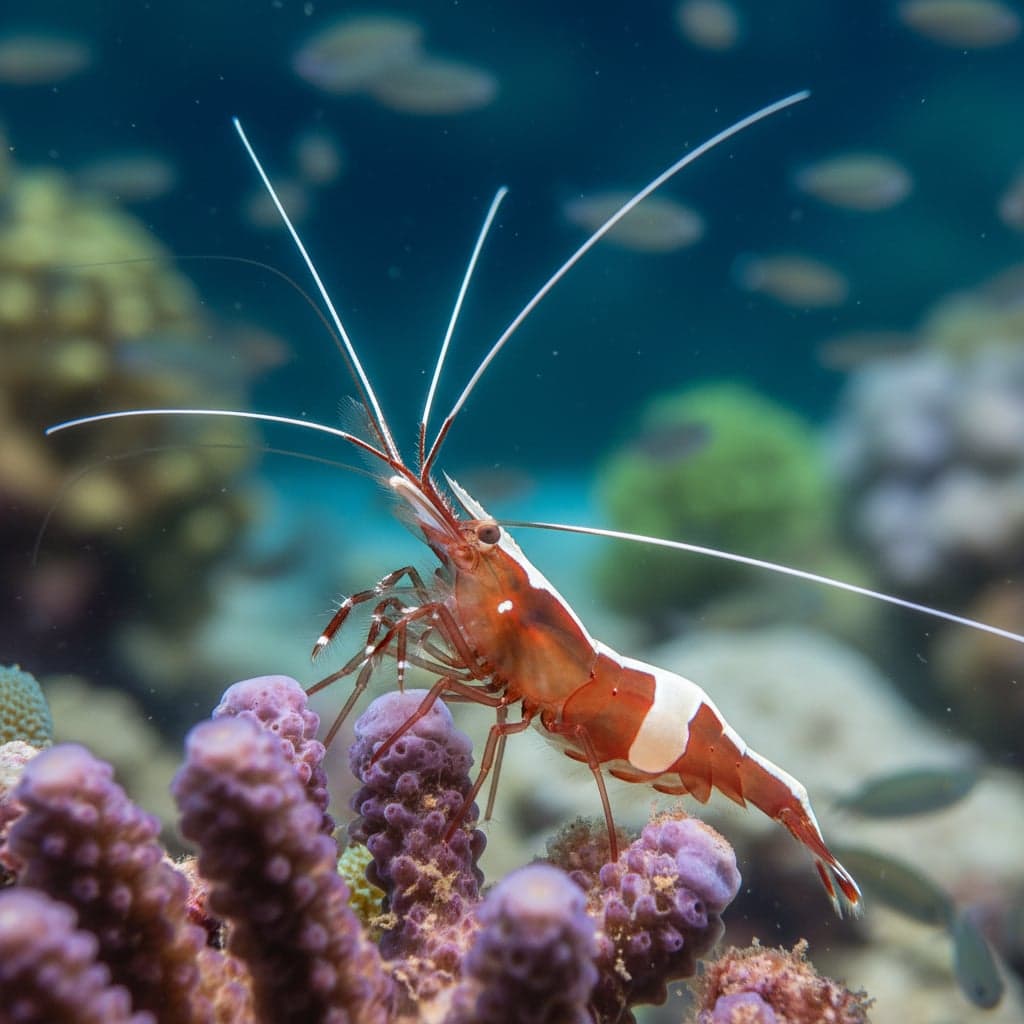
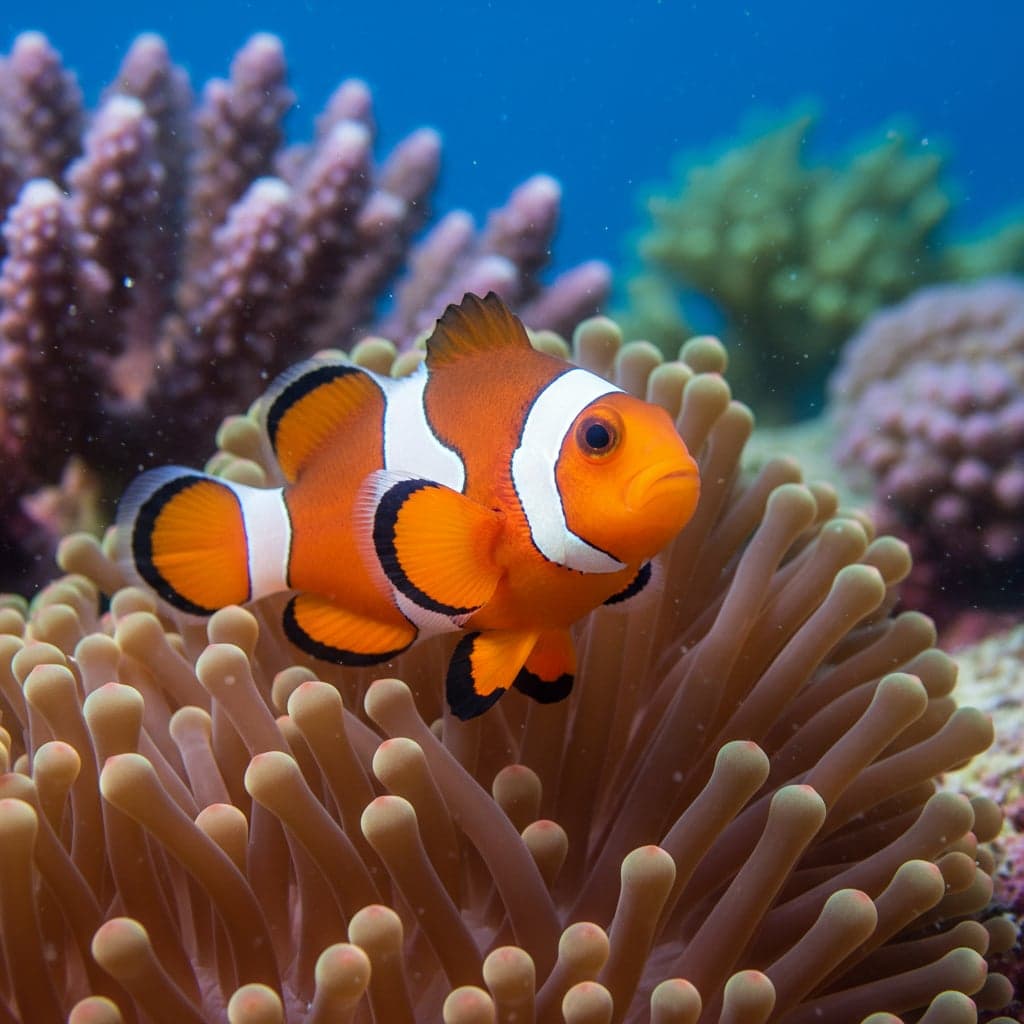
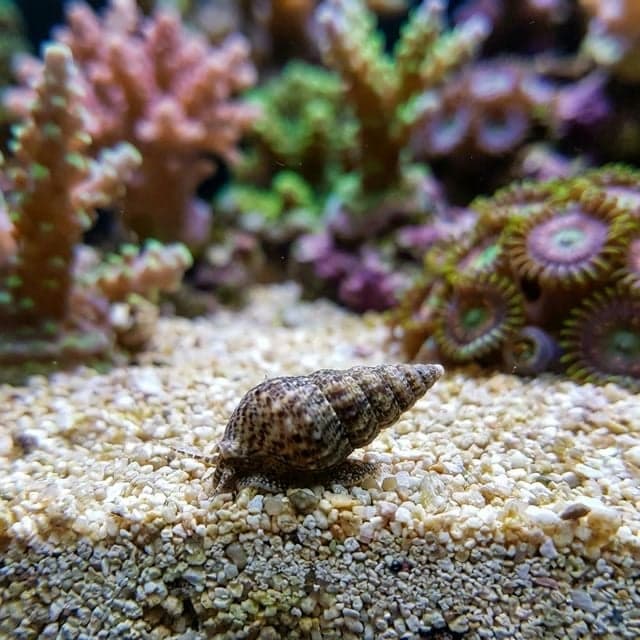
When considering compatible species for the Carpenter's Flasher Wrasse, it's important to select tank mates that are similarly sized and possess non-aggressive temperaments. Ideal tank mates include small-to-medium reef-safe fish such as clownfish, gobies, and some species of tangs. Other suitable companions might include peaceful wrasses and various invertebrates like cleaner shrimp and hermit crabs, which can contribute to the cleaning of the tank without posing threats.
Conversely, avoid housing the Carpenter's Flasher Wrasse with aggressive or larger fish, such as triggerfish or larger wrasse species, which could intimidate or harm them. In addition, pairing them with overly territorial species can lead to stress and disruptions within the aquarium. Selecting the right tank mates will not only promote a harmonious community but also ensure the Carpenter's Flasher Wrasse thrives in its environment.
Breeding
Captive breeding of the Carpenter's Flasher Wrasse can be an intricate process that requires specific conditions. In the wild, these fish exhibit spawning behaviors during the daytime, typically involving a male courting a female with vibrant displays. To encourage breeding in captivity, a breeding pair should be provided ample space with enriched environments, including hiding places and ample open swimming areas. Maintaining ideal water conditions, along with a diet rich in protein, can help stimulate breeding behaviors.
Spawning typically occurs in the early morning hours, with the male leading the female to a designated area where they release eggs and sperm into the water column. After fertilization, it is crucial to maintain optimal water quality and minimize disturbances, as fertilized eggs can be sensitive to changes in their environment. While raising fry can be complex and requires specific care, successful breeding can contribute to the overall conservation of the species and allow enthusiasts to enjoy this captivating fish even more.
Common Health Issues
Like many marine wrasses, Carpenter's Flasher Wrasses can develop marine ich, flukes, or bacterial infections when stressed or when water quality slips. Maintain stable salinity and temperature, strong filtration, and a sandy bed for burying. Quarantine new arrivals and watch for rapid breathing, flashing against rock, or faded colour. A varied diet and a peaceful reef community help them stay healthy and vivid.