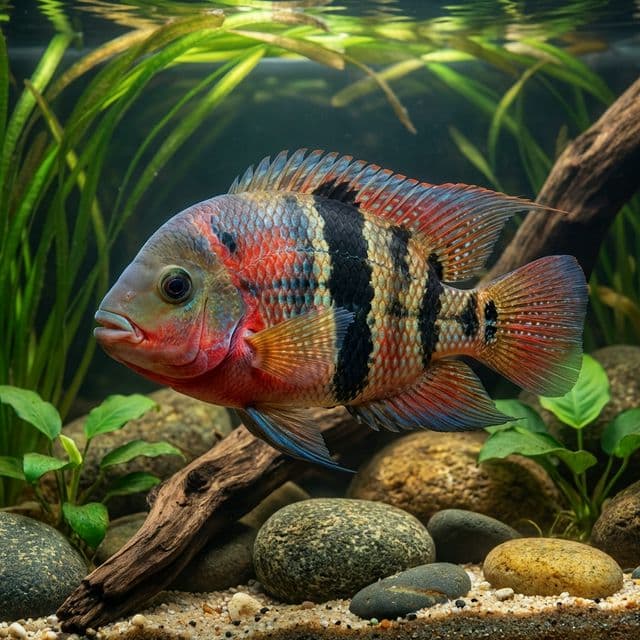
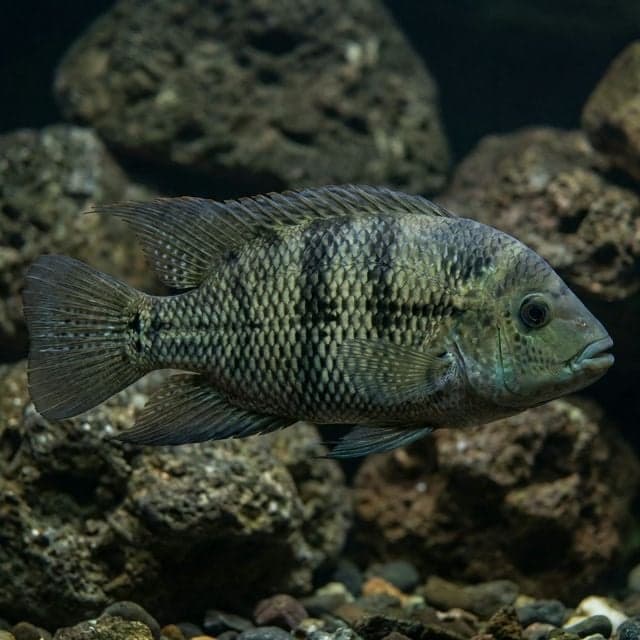
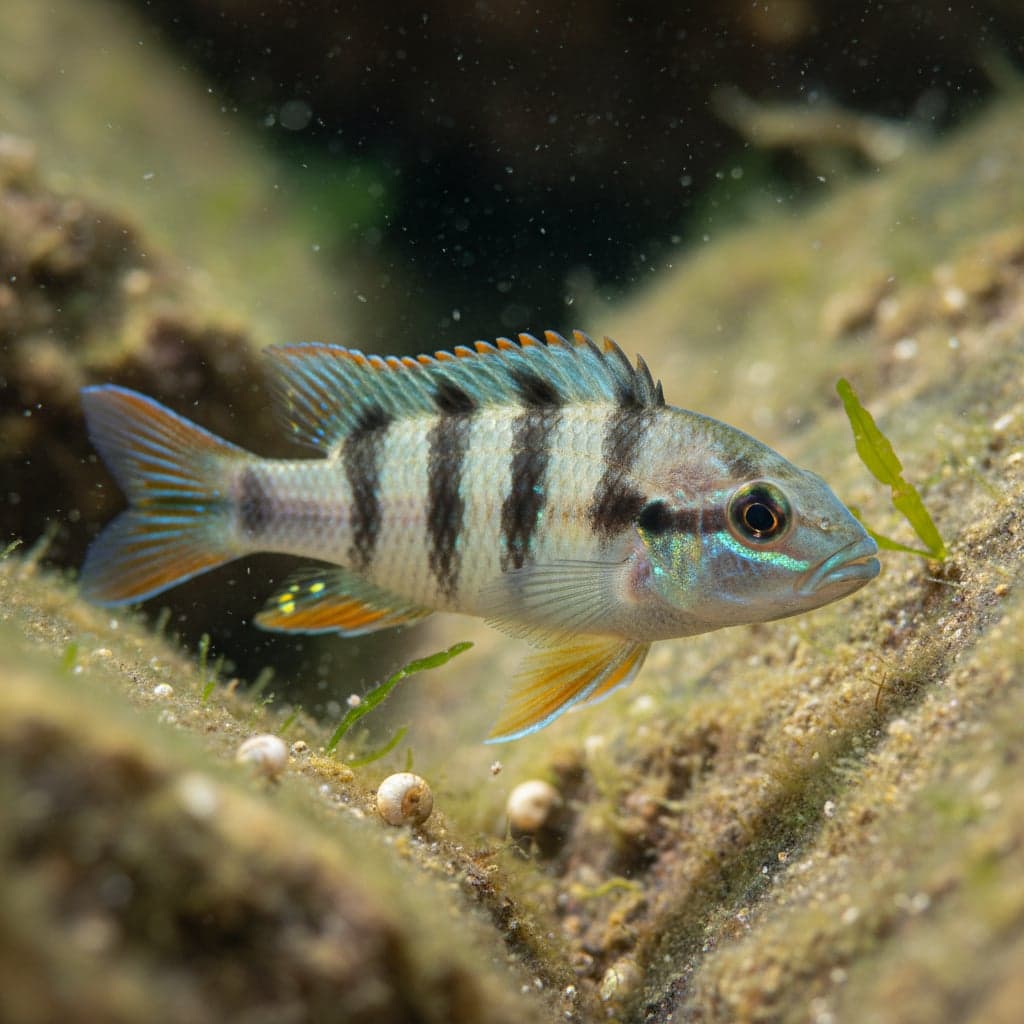
Carpintis Texas Cichlid: Herichthys carpintis
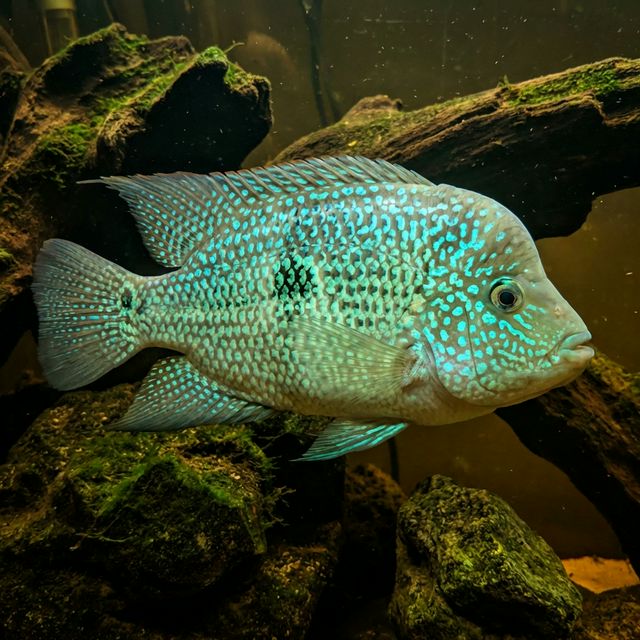
Also known as the Green Texas Cichlid or Pearlscale Cichlid. Features stunning turquoise spots.
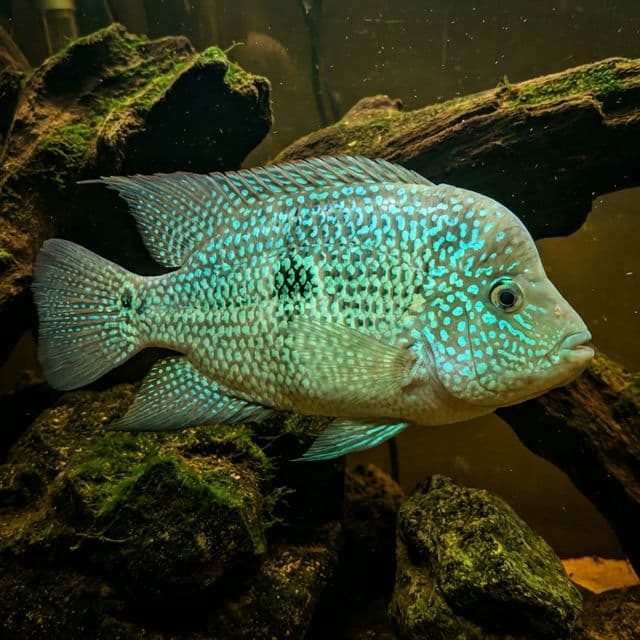
Carpintis Texas Cichlid
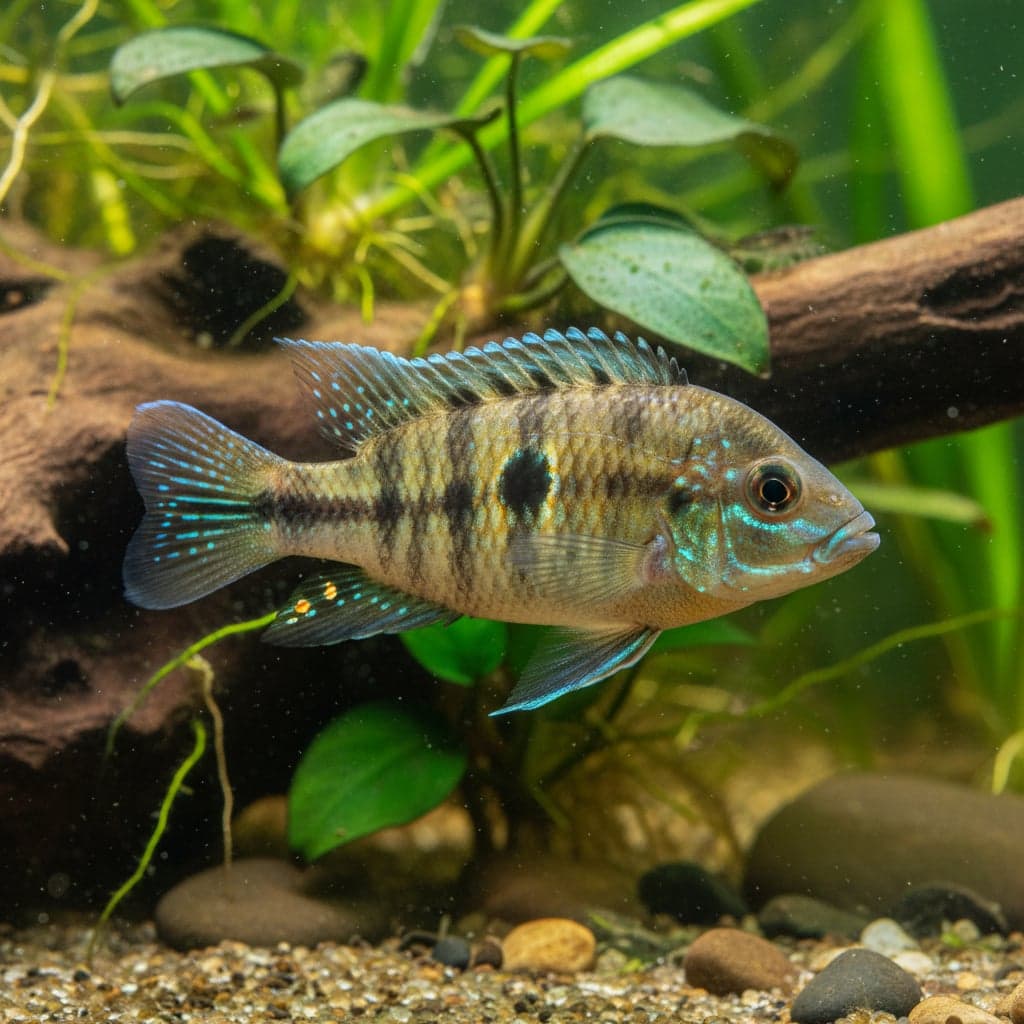
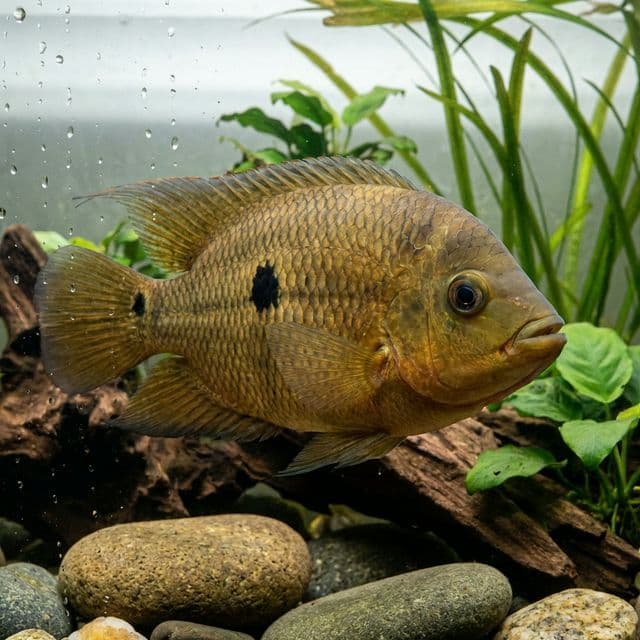
The Carpintis Texas Cichlid, scientifically known as Herichthys carpintis, is a striking freshwater fish indigenous to the waters of North America, particularly found in the rivers and tributaries of Texas and parts of Mexico. This species is recognized for its vibrant coloration and distinctive patterns, which can range from deep iridescent blues and greens to bright yellows and oranges, often embellished with dark markings. The visual appeal of the Carpintis Texas Cichlid is further enhanced by its unique body shape, which is more elongated compared to many other cichlid species, giving it a graceful yet robust presence in any aquarium setup. Its vivid appearance coupled with its engaging behavior makes it a prized specimen among aquarists, leading to its popularity in the home aquarium market.
In the aquarium hobby, the Carpintis Texas Cichlid holds considerable significance not only because of its aesthetic qualities but also due to its hardiness and adaptability to various water conditions. As a relatively versatile species, it thrives in diverse settings and can be a great choice for both novice and experienced fish keepers. Their resilience makes them a suitable candidate for community tanks as well as biotope displays, provided the appropriate companions are selected. The Carpintis Texas Cichlid’s robust nature, combined with its dynamic behavior, ensures that it captures the interest of aquarium enthusiasts, creating an enriching experience when kept in captivity.
Natural Habitat & Origin
The Carpintis Texas Cichlid naturally inhabits the freshwater systems of the Rio Grande and surrounding areas, primarily in the southern United States and northern Mexico. This species is found in a variety of aquatic environments, including rivers, lakes, and reservoirs, where the waters are typically clear or slightly turbid. The ecosystem often consists of sandy substrates interspersed with rocky areas, providing ample hiding spots and breeding substrates that the cichlid prefers. The water temperature in its native habitat typically remains within a warm range (75°F to 85°F), while the pH levels are generally neutral to slightly alkaline (6.5 to 8.0), making it important for aquarists to replicate these conditions to ensure the health and well-being of their fish.
With a preference for slow-moving waters, the Carpintis Texas Cichlid often resides in areas enriched with vegetation and natural debris, providing an ideal place for foraging and nesting. The organic matter in these environments offers a rich microbial landscape, which is vital for the fish's feeding habits. Understanding the natural habitat of the Carpintis Texas Cichlid is essential for aquarists striving to recreate a suitable environment that fosters not only the physical well-being of the fish but also encourages natural behaviors that can enrich their lives.
Care Requirements
To keep the Carpintis Texas Cichlid healthy and thriving, it is essential to maintain appropriate water parameters in their aquarium. Ideal water conditions include a pH range of 6.5 to 8.0, a temperature between 75°F and 85°F, and a hardness level of 10 to 20 dGH. An ample aquarium size is crucial, with a minimum tank volume of 55 gallons recommended for a single specimen, enabling adequate swimming space while providing territories necessary for this territorial species.
The tank setup should incorporate a sandy substrate to simulate its natural environment and to facilitate digging behavior. Additionally, providing rocks and driftwood will create hiding spots, while live plants such as java ferns and anubias can enhance aesthetics and provide further cover. Lighting should be moderate, allowing for plant growth without stressing the fish. Regular water changes of 20-30% weekly will help maintain optimal water quality, which is critical for the Carpintis Texas Cichlid's long-term health.
Diet & Feeding
The Carpintis Texas Cichlid is considered an omnivore, benefiting from a varied diet that includes both plant matter and protein sources. In captivity, a well-balanced diet should consist of high-quality cichlid pellets or flakes that are specifically formulated for cichlids, ensuring they receive the necessary nutrients. A mixture of frozen foods, such as brine shrimp and bloodworms, or live food like daphnia can supplement their diet and encourage natural hunting behaviors.
Incorporating vegetable matter is also important; offering blanched spinach, zucchini, or spirulina flakes will fulfill their herbivorous needs and promote gastrointestinal health. It is advisable to feed the Carpintis Texas Cichlid two to three times per day, providing only as much food as they can consume within a few minutes to avoid overfeeding and maintaining tank cleanliness.
Behavior & Temperament
The Carpintis Texas Cichlid is noted for its dynamic and expressive behavior in the aquarium, showcasing a mix of territoriality and curiosity. While they do exhibit some degree of aggression, especially during breeding periods or when establishing their territory, they can coexist peacefully with appropriately sized tank mates. Younger Carpintis Texas Cichlids are generally more social, often displaying schooling behaviors, whereas adults may become more solitary and dominant.
In terms of tank placement, these cichlids often prefer the mid to bottom layers of the aquarium where they can explore substrate and utilize caves for cover. Given their territorial nature, it’s important to create an environment that minimizes aggressive interactions, ensuring that each fish has enough space to establish its territory without constant conflict with others.
Tank Mates
When selecting tank mates for the Carpintis Texas Cichlid, it is essential to consider species that can thrive in similar water conditions and possess comparable temperaments. Compatible tank mates include larger-bodied cichlid species, such as the Green Terror or the Convict Cichlid, as well as robust community fish like rainbowfish, larger danios, and some species of catfish. However, care must be taken to avoid smaller, more peaceful fish which could become targets of aggression or bullying.
Conversely, species to avoid include highly territorial or similarly aggressive fish like most members of the African cichlid family, as these interactions can lead to stress and aggression. Additionally, fragile species, such as smaller tetras or guppies, should be excluded from the tank, as they are not equipped to handle the aggressive tendencies exhibited by the Carpintis Texas Cichlid during dominance displays or territorial disputes.
Breeding
Breeding Carpintis Texas Cichlids can be an exciting project for experienced aquarists. This species tends to exhibit a strong nesting behavior, typically spawning on flat surfaces or caves in their environment. For successful breeding, it’s crucial to provide a spawning site, such as a flat rock or a specially designed breeding cone within the tank that is well-maintained with stable water conditions.
Preparation for breeding should include ensuring that both the male and female are conditioned with a high-quality diet, as this promotes health and increases spawning success. Once courtship behaviors begin, the pair will display their readiness through vibrant colors and increased territoriality. After spawning, the female care for the eggs, which usually hatch in about 3-5 days, while both parents may protect the fry once they begin swimming.
Common Health Issues
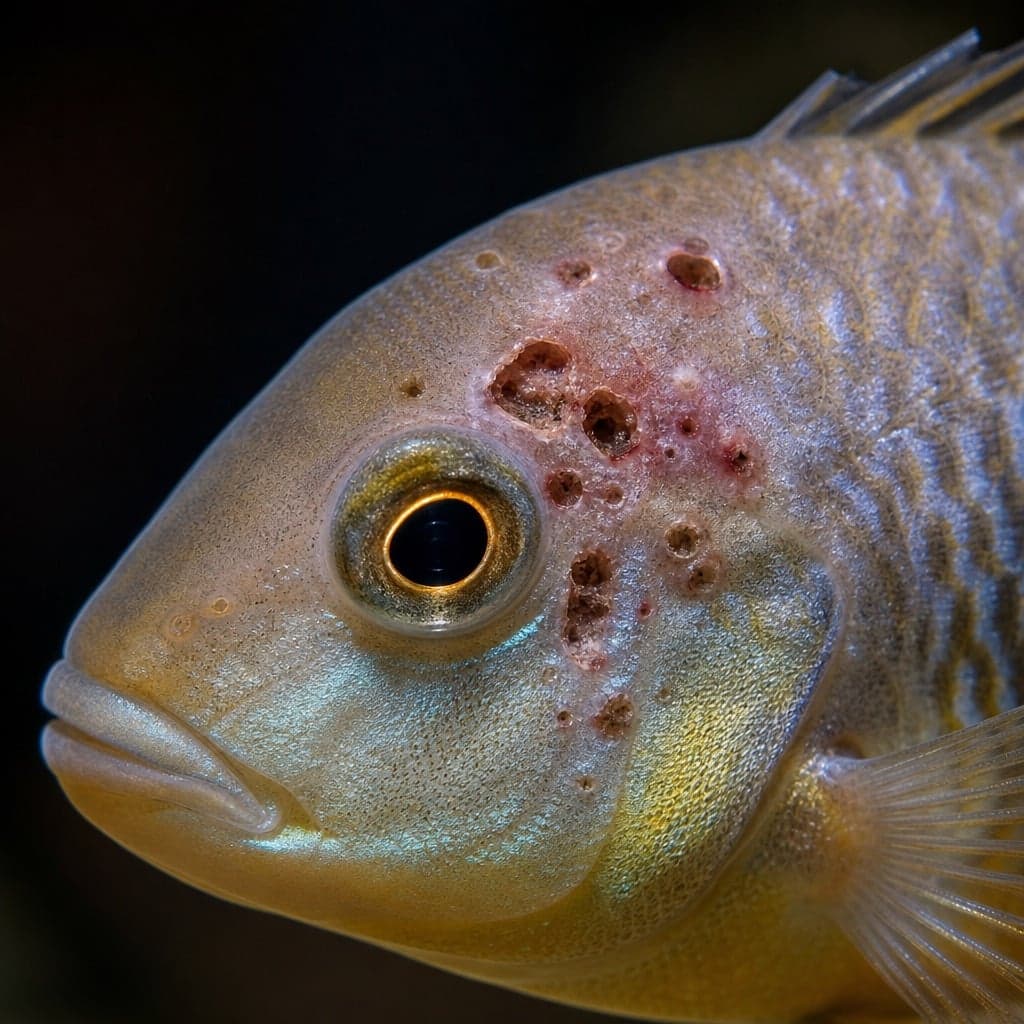
While generally hardy, the Carpintis Texas Cichlid can be susceptible to some common aquarium ailments. These include ich (Ichthyophthirius multifiliis), a parasitic infection often linked to temperature swings or poor water quality, as well as fin rot and hole-in-the-head disease when organic waste builds up. Stable parameters, regular water changes, and a varied diet go a long way toward keeping these robust cichlids healthy.