Cerith Snail: Cerithium
The versatile jack-of-all-trades snail. Cerith snails eat algae, detritus, and burrow in the sand, covering every zone of your reef tank.
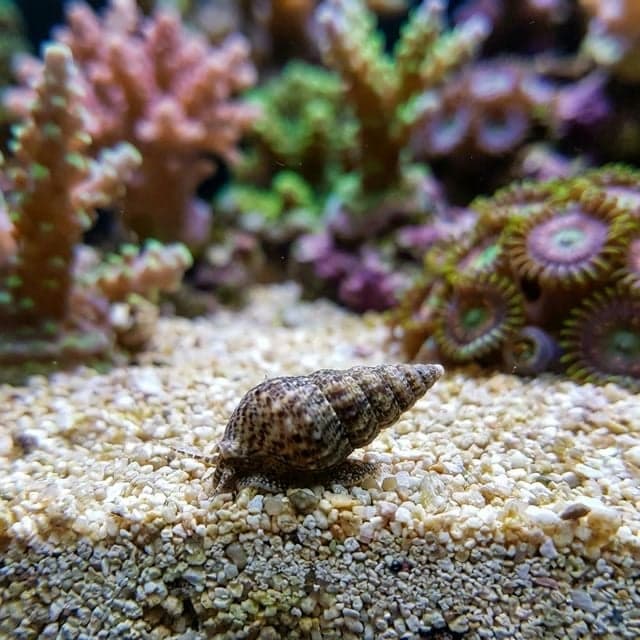
Cerith Snail
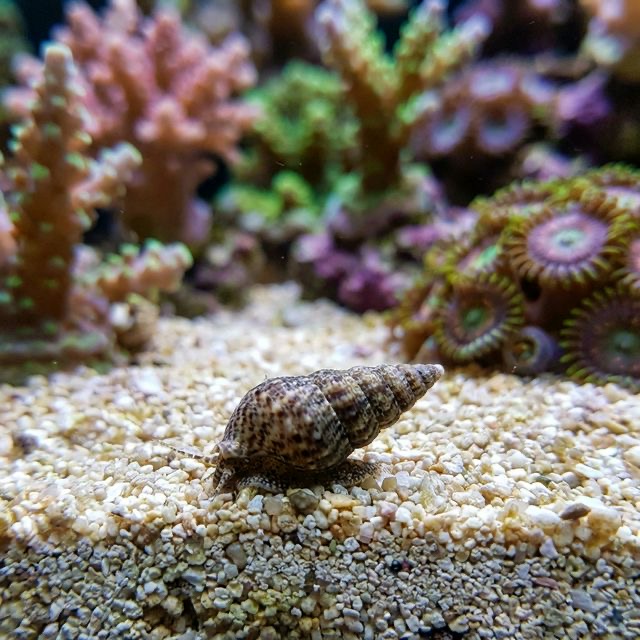
The Cerith Snail, scientifically classified as Cerithium, is a fascinating marine gastropod that captivates aquarists with its unique appearance and functional role within aquarium ecosystems. Its slender, elongated shell spirals upward, often displaying beautiful patterns that range from muted earth tones to striking bands of color. These snails can grow up to 2 inches in length and feature a pointed apex, which not only adds to their visual appeal but makes them well-suited for navigating the subtle nooks and crannies of live rock and sandy substrates. Beyond their aesthetic value, Cerith Snails play a significant role in maintaining the health of an aquarium by grazing on algae, detritus, and uneaten food, thus promoting biological balance and contributing to cleaner tank environments.
In the aquarium hobby, the Cerith Snail is highly regarded for its hardiness and adaptability, making it a popular choice for both beginner and experienced aquarists. These snails are not only visually appealing but serve as efficient scavengers that process organic waste. As part of a balanced cleanup crew, they help manage excess algae and uneaten food, preventing water quality issues and promoting better overall tank health. With their intriguing behaviors and positive contributions to aquariums, Cerith Snails are undoubtedly a valuable addition to many aquatic systems.
Natural Habitat & Origin
Cerith Snails are primarily found in shallow waters across various tropical and subtropical regions, including the Caribbean, the Mediterranean, and parts of the Indo-Pacific. They thrive in sandy substrates and areas rich in detritus, often residing in intertidal zones where they can access both fresh and saltwater influxes. Their natural habitats are typically characterized by moderate to strong water movement, which helps facilitate their constant foraging and prevents stagnation. The environments they inhabit vary from coral reefs to seagrass beds, providing these snails with plenty of grazing opportunities on algae and other organic materials.
In the wild, Cerith Snails contribute to the natural ecosystem’s health and stability, playing a vital role in nutrient cycling and biofiltration. By understanding their natural habitat, aquarists can better replicate these conditions in captivity, ensuring that these snails not only survive but thrive within the confines of a home aquarium.
Care Requirements
To ensure that Cerith Snails thrive in captivity, it's essential to maintain specific water parameters. Ideal conditions include a pH range of 7.5 to 8.5, a water temperature between 72°F to 78°F (22°C to 26°C), and a hardness level of around 8 to 12 dGH. A stable saline environment is also crucial, as these snails are marine species. For tank setup, a minimum size of 20 gallons is recommended, providing enough space for foraging and movement. A substrate of fine sand or crushed coral is ideal for mimicking their natural environment while promoting burrowing behavior.
Lighting should be moderate, as Cerith Snails do not require intense lighting conditions. Rather, including live plants or macroalgae can enhance the escape routes and feeding opportunities available for these snails while positively impacting overall water quality. Regular maintenance, including water changes and substrate vacuuming, will ensure a thriving environment that supports the health and well-being of these beneficial gastropods.
Diet & Feeding
Cerith Snails are primarily herbivorous scavengers, existing on a diet comprised of detritus, algae, and decaying plant matter. However, they will also consume uneaten fish food, making them versatile grazers. To provide optimal nutrition, high-quality algae flakes and sinking pellets can be introduced into their diet. Supplementing with calcareous materials and occasional treats of blanched vegetables, such as zucchini or spinach, can further support their health.
Additionally, incorporating small quantities of frozen or live food, like brine shrimp or daphnia, can enhance their diet and stimulate natural foraging behaviors. It is crucial to ensure that food is readily available to prevent stress and promote healthy growth, particularly during molting periods.
Behavior & Temperament
Cerith Snails are generally peaceful creatures known for their docile nature. They spend most of their time foraging on substrate, making them excellent scavengers that contribute positively to aquaria cleanliness. While they do not exhibit schooling behavior like some fish species, they are often found in groups grazing together, creating a visually appealing scene within the tank.
These snails typically occupy the lower and middle layers of the aquarium, navigating around rocks and plants. They are non-aggressive and can coexist harmoniously with a variety of tank mates, making them an excellent choice for community setups.
Tank Mates
When selecting tank mates for Cerith Snails, it's essential to consider their peaceful temperament. Suitable companions include peaceful species such as small marine fish, other invertebrates like hermit crabs, and similarly sized snails (e.g., Nerite Snails, Astrea Snails). Key tank mates can include:
- Clownfish (Amphiprioninae)
- Gobies (Gobiidae)
- Cardinalfish (Apogonidae)
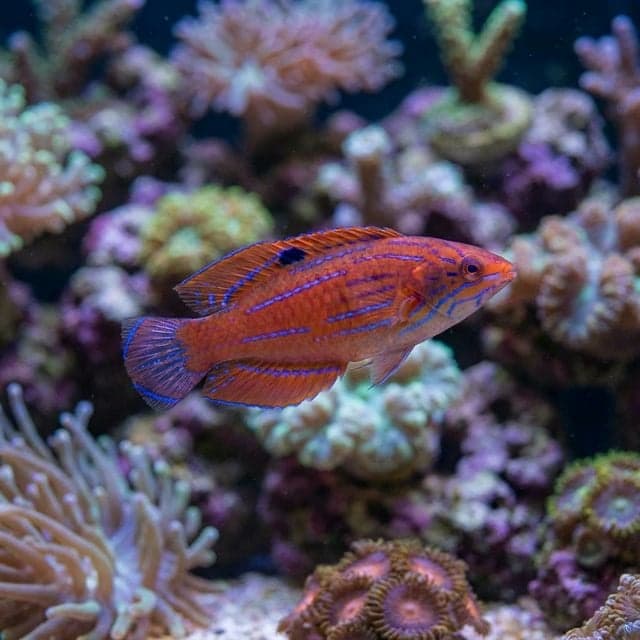
- Reef-safe wrasses (Labridae)
- Other small invertebrates
Species to avoid include aggressive or large predatory fish that may predate on snails or disrupt tank harmony. This includes larger cichlids, lionfish, and triggers, as they may snack on Cerith Snails or disrupt the peaceful environment they thrive in.
Breeding
Breeding Cerith Snails in a home aquarium can be challenging as they are dioecious, meaning they require both male and female individuals for reproduction. Typically, in captivity, they do not breed as readily as in the wild due to the absence of specific environmental cues. When spawning does occur, it usually involves the female laying egg clutches on hard surfaces or tank walls.
For successful breeding, maintaining pristine water conditions, providing ample algae for grazing, and ensuring adequate space for the snails to explore can foster reproductive behaviors. However, it is worth noting that the young snails (larvae) will require a specialized brackish environment to grow, making raising them in aquaria quite difficult.
Common Health Issues
Cerith Snails are relatively hardy; however, they can be prone to certain health issues if not properly cared for. Common concerns include shell erosion, which can occur due to poor water quality or insufficient calcium in the diet. Additionally, they may be affected by pest infestations, typically from flatworms or parasites that can hinder their mobility and feeding abilities.
To prevent these health issues, regular water testing, and maintenance are essential, ensuring optimal water parameters and calcium levels. Providing a varied diet rich in calcium, avoiding overcrowding, and keeping tank conditions stable will also help maintain the health of Cerith Snails and promote a thriving aquarium environment.