Checkered Barb: Oliotius oligolepis
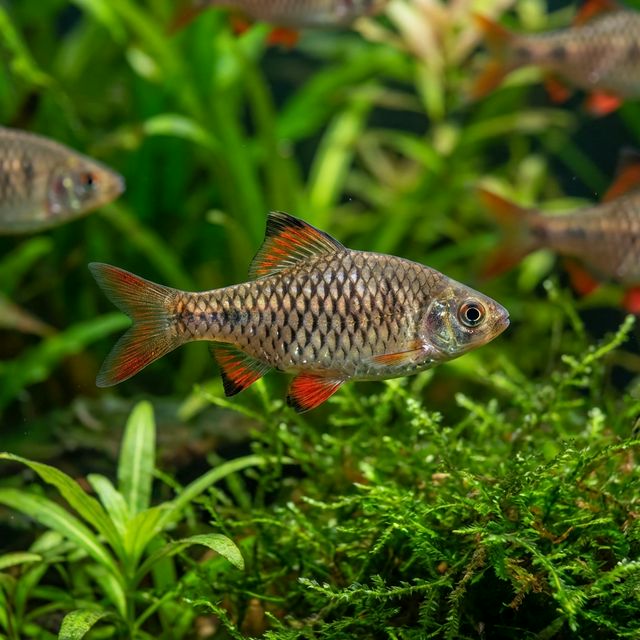
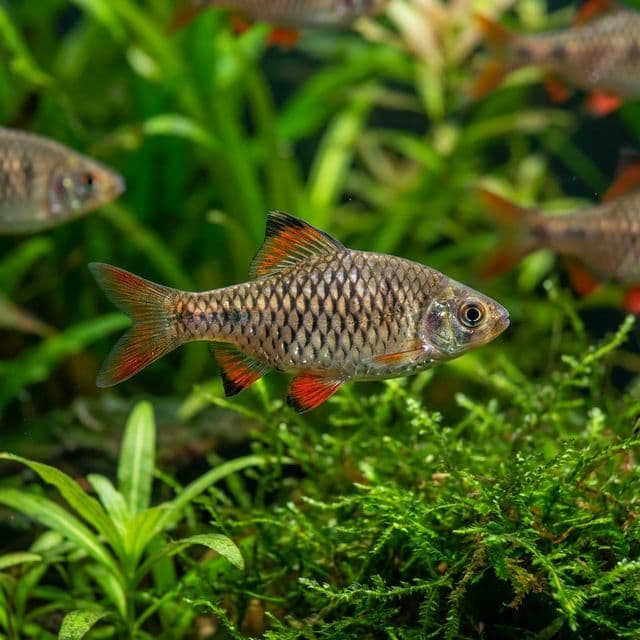
A small, peaceful barb with large black spots on a silver body and orange fins.
Checkered Barb
The Checkered Barb, scientifically known as Oliotius oligolepis, is a captivating freshwater fish that has gained popularity among aquarium enthusiasts due to its striking appearance and lively behavior. With a body adorned in a unique pattern reminiscent of a checkered flag, this fish displays shimmering scales that can shift in hues from silvery-white to a rich golden tone, accented by dark, bold markings. Its presence in an aquarium not only adds visual complexity but also brings a dynamic personality, as Checkered Barbs are known for their swimming agility and playful antics.
In the aquarium hobby, the Checkered Barb holds significance not just for its aesthetic appeal but also for its relatively hardy nature, making it a suitable choice for both novice and experienced aquarists alike. Its active nature encourages community interaction, fostering an engaging environment within a well-stocked tank. As such, the Checkered Barb is a revered addition to community tanks, often serving as a bridge species that brings various other species together.
Natural Habitat & Origin
The Checkered Barb hails from the tranquil waters of Southeast Asia, specifically prevalent in regions of Borneo and Sumatra. They are predominantly found in shallow freshwater rivers and streams that exhibit a diverse array of aquatic vegetation. These habitats typically present a mix of clear and slightly tannin-stained waters, which can fluctuate in current year-round. The fish thrive in warm, slow-moving waters that feature ample hiding spots, such as submerged roots and lush aquatic plants, creating a complex physical environment essential for their survival.
These waters are often characterized by a soft and acidic composition, reflecting a rich ecosystem where phytoplankton and organic debris populate the environment. While Checkered Barbs can adapt to various water conditions, they naturally favor slightly warmer temperatures, frequently ranging between 24-28°C (75-82°F). Understanding their native habitats helps aquarists replicate similar conditions, fostering healthier and more vibrant specimens in captivity.
Care Requirements
When caring for Checkered Barbs, it's essential to replicate their natural habitat as closely as possible. Optimal water parameters include a pH level ranging from 6.0 to 7.5, a temperature maintained between 24-28°C (75-82°F), and a water hardness of 5-15 dGH. The tanks should be established at a minimum size of 20 gallons to allow ample swimming space and promote school behavior.
In terms of tank setup, a sandy or fine gravel substrate is recommended, complemented by various décor options like driftwood and rock formations to provide hiding spots. Additionally, incorporating a heavy vegetation presence with leafy plants will reduce stress levels and mimic their organic environment. Moderate lighting conducive to plant growth, combined with shaded areas, will create an inviting atmosphere for Checkered Barbs to thrive.
Diet & Feeding
Checkered Barbs are classified as omnivores, enjoying a diverse diet that includes both plant and animal matter. In a captive aquarium setting, high-quality flake or pellet food can serve as a staple. It is advisable to supplement their diet with live or frozen foods such as brine shrimp, daphnia, or bloodworms to stimulate natural foraging behavior and improve overall health. Additionally, incorporating blanched vegetables like zucchini or spinach can provide the necessary nutrients and support digestive health. Regular feeding of varied diets ensures vibrant coloration and vitality in Checkered Barbs.
Behavior & Temperament
Known for their active disposition, Checkered Barbs exhibit a lively social behavior that makes them perfect for community tanks. These fish are schooling species and should always be kept in groups of five or more to reduce stress and encourage natural behaviors. While they generally exhibit a peaceful temperament, it’s crucial to monitor their interactions with other species to prevent any potential territorial disputes.
Checkered Barbs are often seen cruising at various vertical levels within the aquarium, taking advantage of open water as well as hiding among plants and decorations. This adaptability in placement enhances the tank's dynamic, allowing other inhabitants to co-exist as they navigate their habitat.
Tank Mates
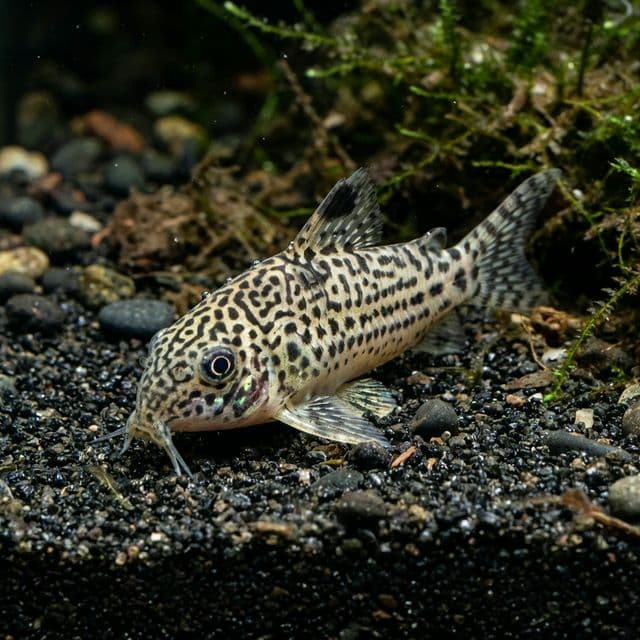
In a community aquarium setting, Checkered Barbs can coexist harmoniously with various species. Ideal tank mates include other peaceful schooling species, such as Neon Tetras, Corydoras Catfish, and Rasboras. Larger community fish like Guppies or Platies also make suitable companions, as their temperament complements that of the Checkered Barb. However, it is advisable to avoid aggressive or fin-nipping species, such as Betta fish or certain Cichlids, that may harm or stress the Checkered Barb.
Creating a balanced community is crucial; therefore, it is essential to introduce similarly sized and temperamented species, ensuring a tranquil environment that permits all inhabitants to thrive.
Breeding
Breeding Checkered Barbs in captivity can be a rewarding experience for aquarists willing to provide suitable conditions. Spawning typically occurs in the early morning hours, with the female laying eggs among fine-leaved plants or spawning mops. To encourage breeding, it is important to maintain slightly acidic water conditions, with parameters adjusted to a pH of 6.0-7.0 and elevated temperatures around 27-28°C (80-82°F).
After spawning, it is advisable to separate the parents from the eggs since Checkered Barbs may consume their eggs if left together. The fry can be fed with infusoria or finely crushed flakes once they become free-swimming, facilitating their growth and development into healthy juvenile fish.
Common Health Issues
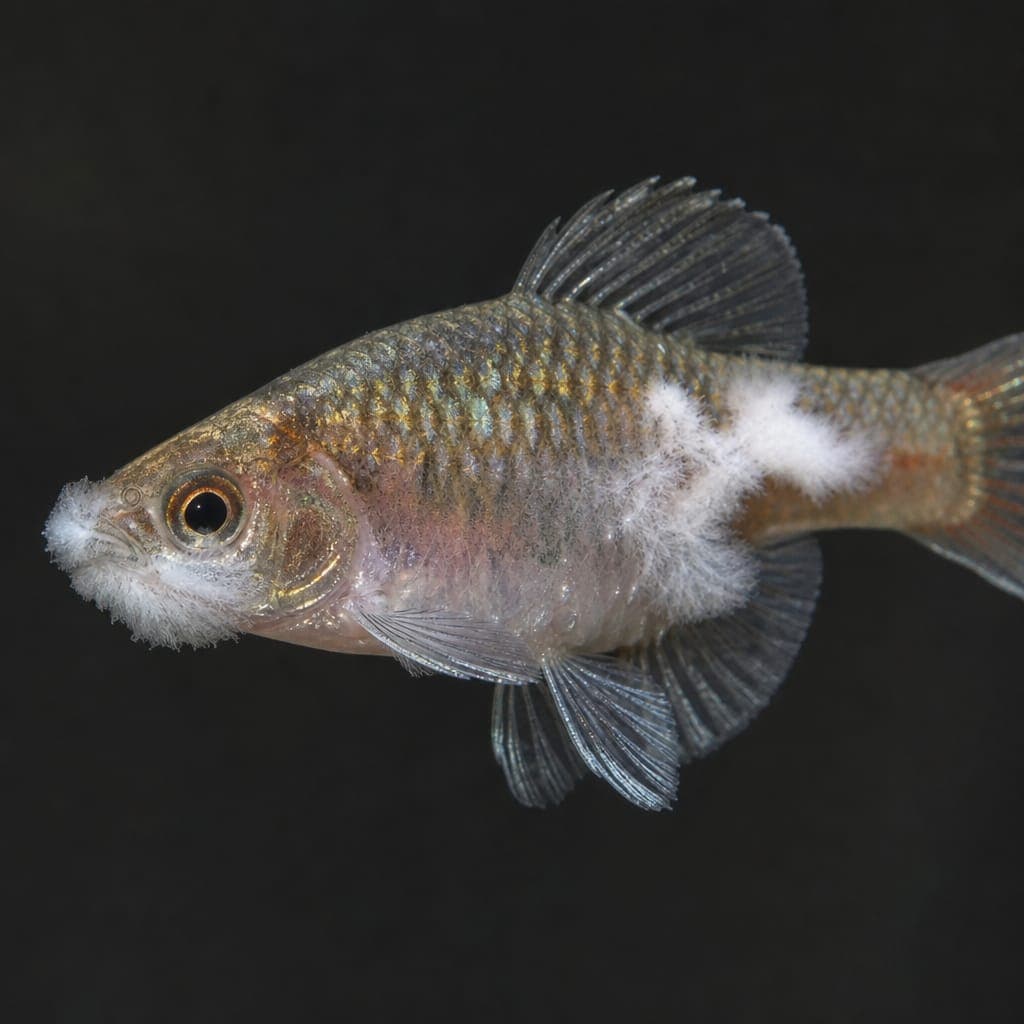
While Checkered Barbs are generally hardy fish, they may be susceptible to a few common health issues prevalent in freshwater aquariums. Ich, or "white spot disease," is a common ailment often caused by stress or poor water quality. This can be prevented by maintaining stable water parameters and ensuring regular tank cleanings. Other potential health issues include fin rot and fungal infections, frequently resulting from inadequate water conditions or injuries.
Monitoring fish health through routine observation and conducting regular water quality tests helps prevent the onset of diseases. Providing a balanced diet and avoiding overcrowding will further ensure the longevity and well-being of Checkered Barbs in an aquarium setup. Regular health checkups can assist in early detection and proactive intervention against potential issues.