The Cherry Barb: Puntius titteya
A peaceful, hardy barb with stunning cherry-red breeding colors. Unlike most barbs, it thrives in planted tanks without nipping fins.
Cherry Barb
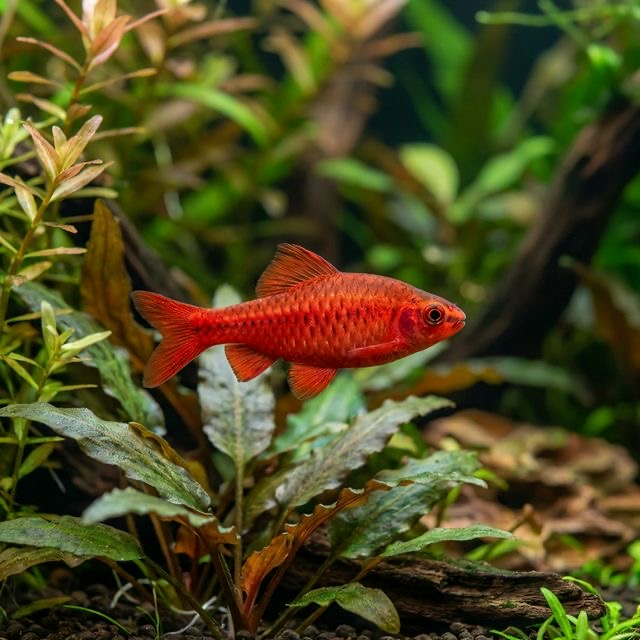
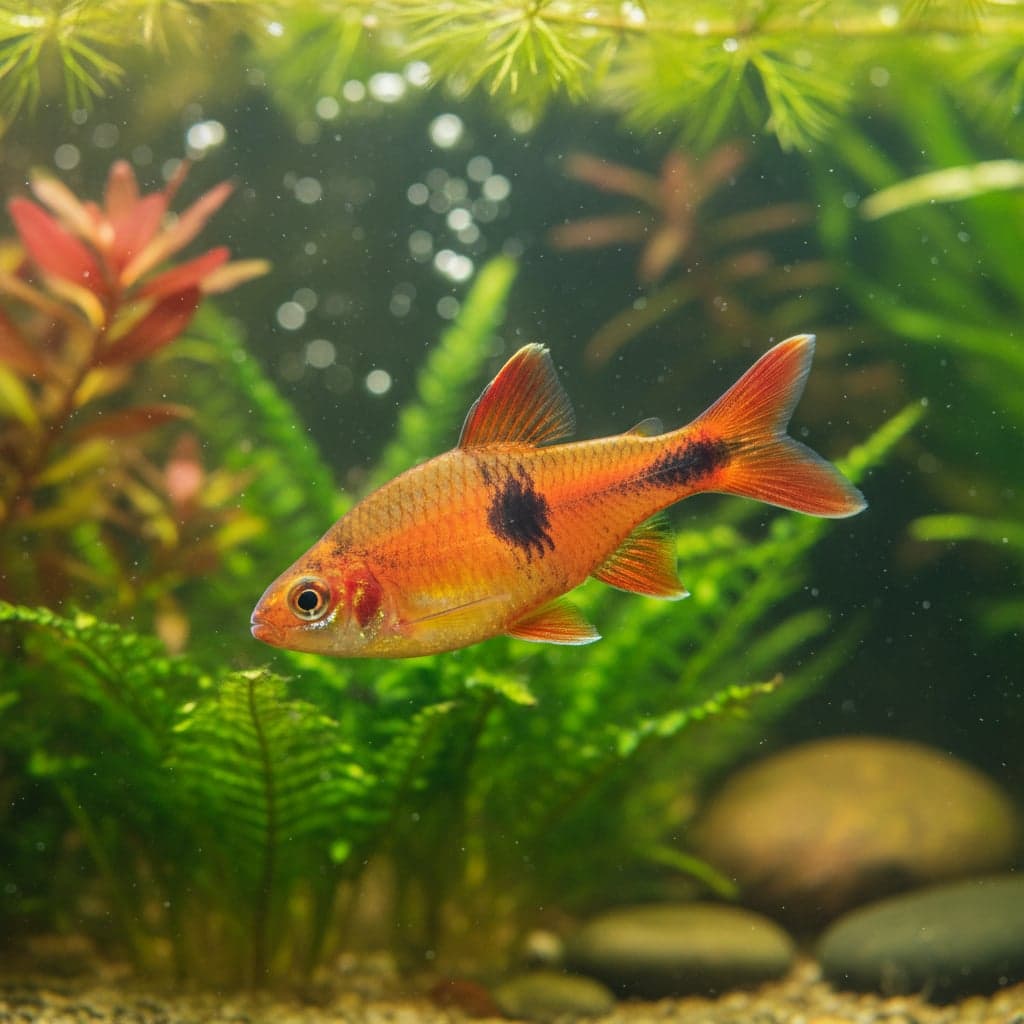
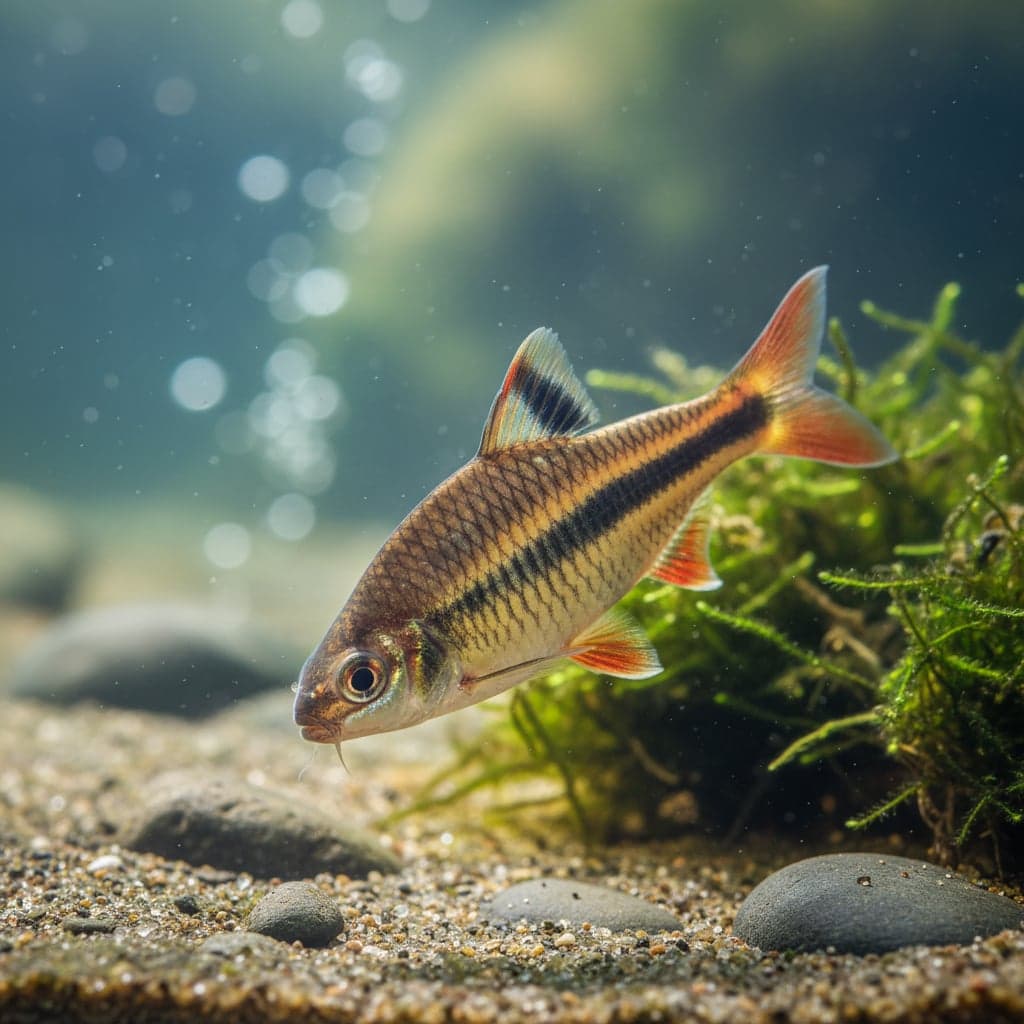
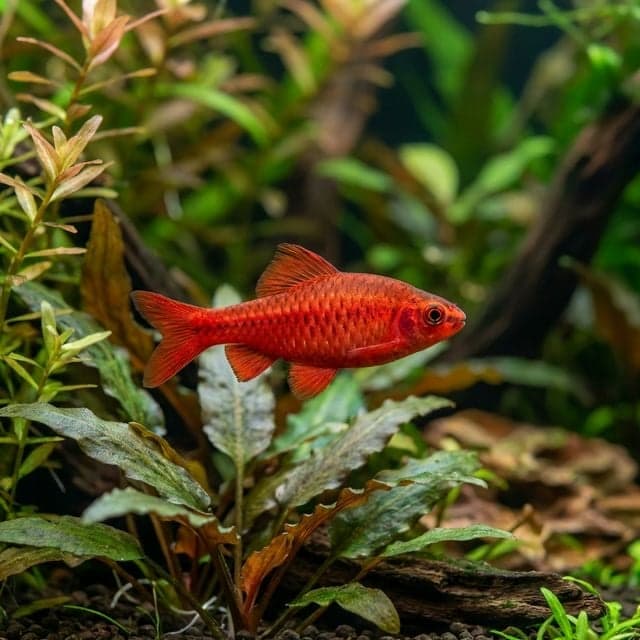
The Cherry Barb (Puntius titteya) is a small, vibrant freshwater fish that captivates aquarists with its bright coloration and playful demeanor. Native to the streams and rivers of Sri Lanka, the Cherry Barb is characterized by its striking cherry-red body which is particularly pronounced in males, especially during breeding season. This rich hue is complemented by delicate horizontal lines that run along its flanks, with females exhibiting a lighter coloration. These visual features not only make them a centerpiece in community tanks but also highlight their importance in the aquarium hobby, where enthusiasts seek out visually stunning yet relatively hardy species for their aquascapes.
In addition to their aesthetic appeal, Cherry Barbs have garnered attention due to their ease of care and sociable nature. They are known for their lively activity and school together, often adding movement and dynamics to the aquatic environment. The Cherry Barb is ideal for both novice and seasoned aquarists who appreciate a species that is not only beautiful but also contributes to a peaceful community tank. Therefore, their popularity has surged, making them a staple in many aquarium setups around the globe.
Natural Habitat & Origin
The Cherry Barb is indigenous to the freshwater streams and rivers of Sri Lanka, primarily found in the southwestern region of the island. Their natural habitat consists of slow-moving water with dense vegetation near the banks, providing ample hiding spots and feeding opportunities. These waters are typically rich in organic nutrients and tend to be soft and slightly acidic, creating an ideal environment for the species to thrive. The bending currents and the abundance of debris and leaves contribute to the 'blackwater' ecosystem, where the dissolved tannins from decaying plant matter give the water a tea-like color.
Cherry Barbs prefer environments with abundant aquatic plants, as well as shaded areas created by overhanging foliage. This ecological context influences their behavior, as they tend to school tightly in these natural settings, hiding among the vegetation to evade predators and secure food. By mimicking these conditions in captivity, aquarists can enhance the health and happiness of their Cherry Barb populations.
Care Requirements
To ensure a thriving environment for Cherry Barbs, certain water parameters and tank setups must be maintained. The ideal pH level for this species ranges from 6.0 to 7.5, while the water temperature should be kept between 24°C to 27°C (75°F to 81°F). As for water hardness, a range of 5 to 15 dGH is optimal. Regular water changes and good filtration are also crucial to maintain water quality and replicate their natural habitat.
For tank setup, a minimum tank size of 20 gallons is recommended, especially if housing a small school of Cherry Barbs. The substrate can be fine gravel or sand, which allows the plants to root effectively. Adding live plants such as Java Fern, Anubias, and floating plants will not only provide cover and mimic their natural habitat but also help in maintaining water quality. Additionally, aquarium lighting should be moderate, promoting plant growth without overwhelming the fish, complementing their need for shaded areas.
Diet & Feeding
Cherry Barbs are omnivorous, and their diet should be varied to ensure optimal health and coloration. High-quality flake food or slow-sinking pellets formulated for community fish can serve as the cornerstone of their diet. Complementing their main diet with frozen or live foods like brine shrimp, daphnia, and bloodworms will enhance their vibrancy and activity levels. It is essential to offer diverse food options to simulate their natural feeding behavior, encouraging foraging and social interactions within the school.
Feeding should occur two to three times a day, with portion sizes appropriate for their small mouths. Care should be taken not to overfeed, as excess food can degrade water quality, leading to potential health issues.
Behavior & Temperament
Cherry Barbs are known for their peaceful and friendly demeanor, often forming tight-knit schools of around six or more individuals. They exhibit relaxed social behavior and thrive in the company of their own kind, with males displaying increased vibrant coloration when in the presence of females, especially during breeding. While generally non-aggressive, Cherry Barbs can exhibit slight territorial behavior, primarily during mating seasons or in confined spaces.
In terms of vertical placement within the tank, Cherry Barbs often swim in the mid to upper levels of the aquarium but will frequently dart down to the substrate to forage. Their active swimming nature brings life to aquascapes, making them delightful to observe.
Tank Mates
Cherry Barbs are compatible with a wide range of community fish species due to their non-aggressive nature. Excellent tank mates include other similarly sized barbs, tetras, danios, and peaceful cichlids like the dwarf cichlids. Here are some recommended tank companions:
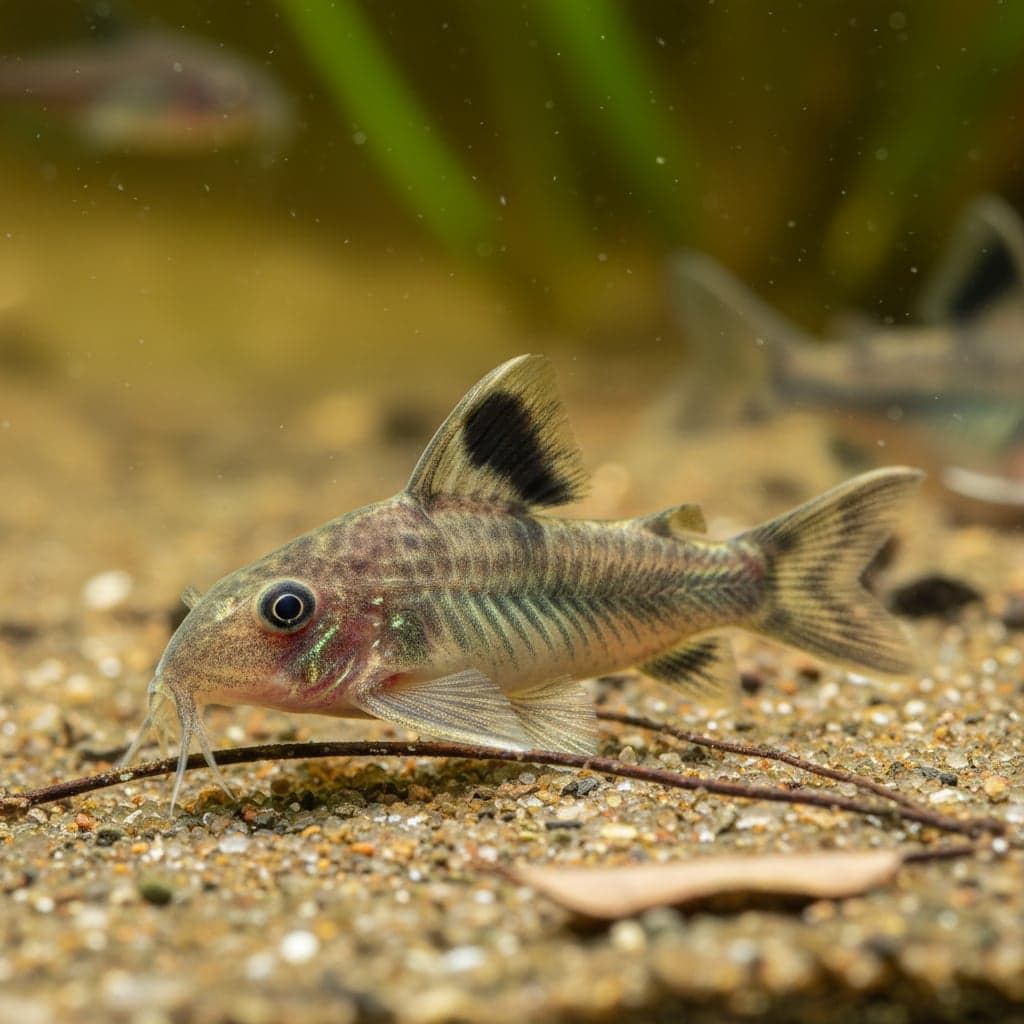
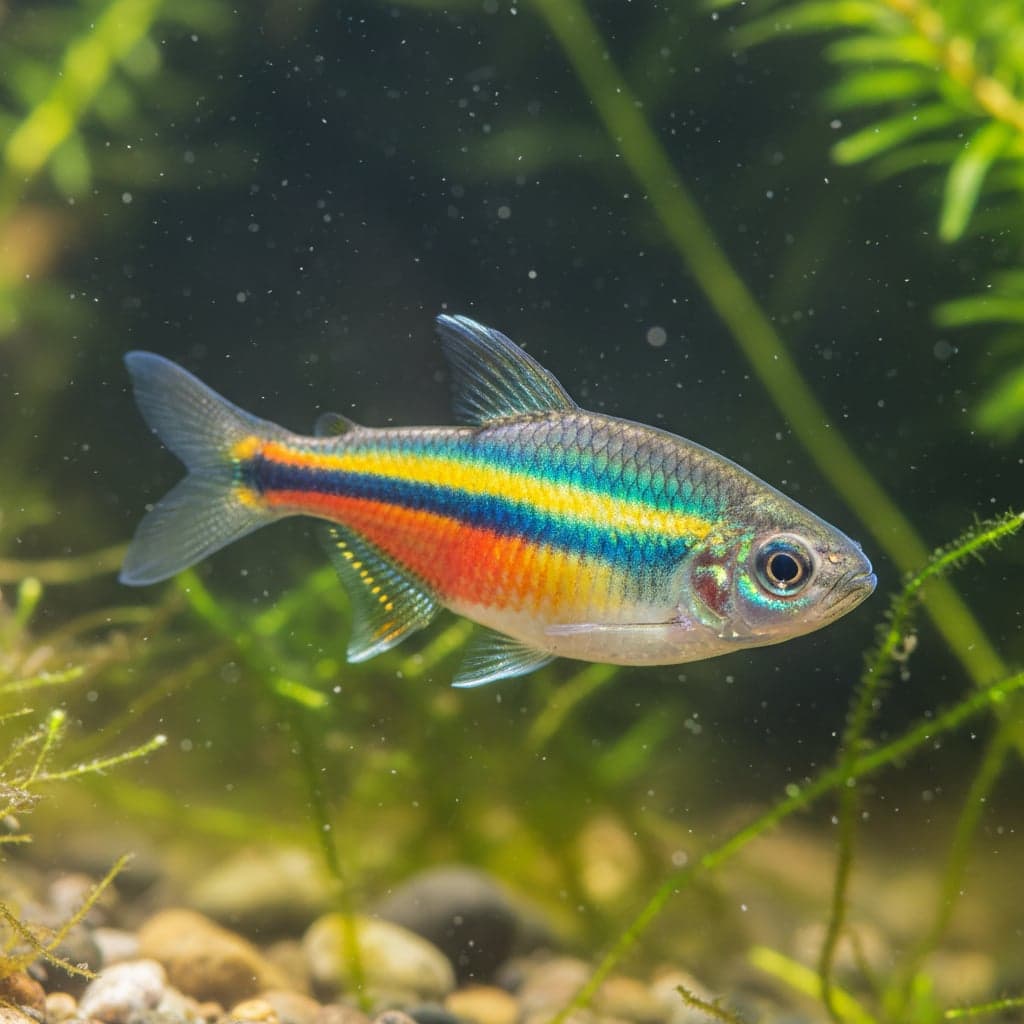
- Compatible Species: Neon Tetras, Corydoras Catfish, Rasboras, Platies, Guppies, and Swordtails.
- Species to Avoid: Aggressive fish such as Cichlids (not including dwarf types), Betta fish, and larger barbs may stress or harm Cherry Barbs due to their gentle nature.
Providing a well-balanced community tank with compatible inhabitants promotes harmony, allowing Cherry Barbs to thrive and display their playful behaviors.
Breeding
Breeding Cherry Barbs in captivity can be an enjoyable venture, as they are relatively easy to spawn under the right conditions. Prior to spawning, it is beneficial to segregate a breeding pair or group in a separate tank with soft, acidic water (pH around 6.0-6.5) and a temperature between 25°C to 27°C (77°F to 81°F). Providing spawning mops or dense vegetation allows the female to deposit eggs, usually in the early morning hours.
After spawning, parents should be removed to prevent them from eating the eggs, as breeding is typically non-productive in parental care. The eggs will hatch within 24 to 36 hours, depending on water conditions. The fry can be fed infusoria or finely crushed flake food until they are large enough to consume newly hatched brine shrimp.
Common Health Issues
While Cherry Barbs are generally hardy fish, they may succumb to some common health issues prevalent in freshwater aquariums. Some of these include:
- Ichthyophthirius multifiliis (Ich): A parasitic infection that can cause white cysts on the skin and gills. Prevention includes maintaining optimal water quality and avoiding stress.
- Fin Rot: Caused by bacterial infections due to poor water conditions. Regular water changes and maintaining a clean tank can prevent this illness.
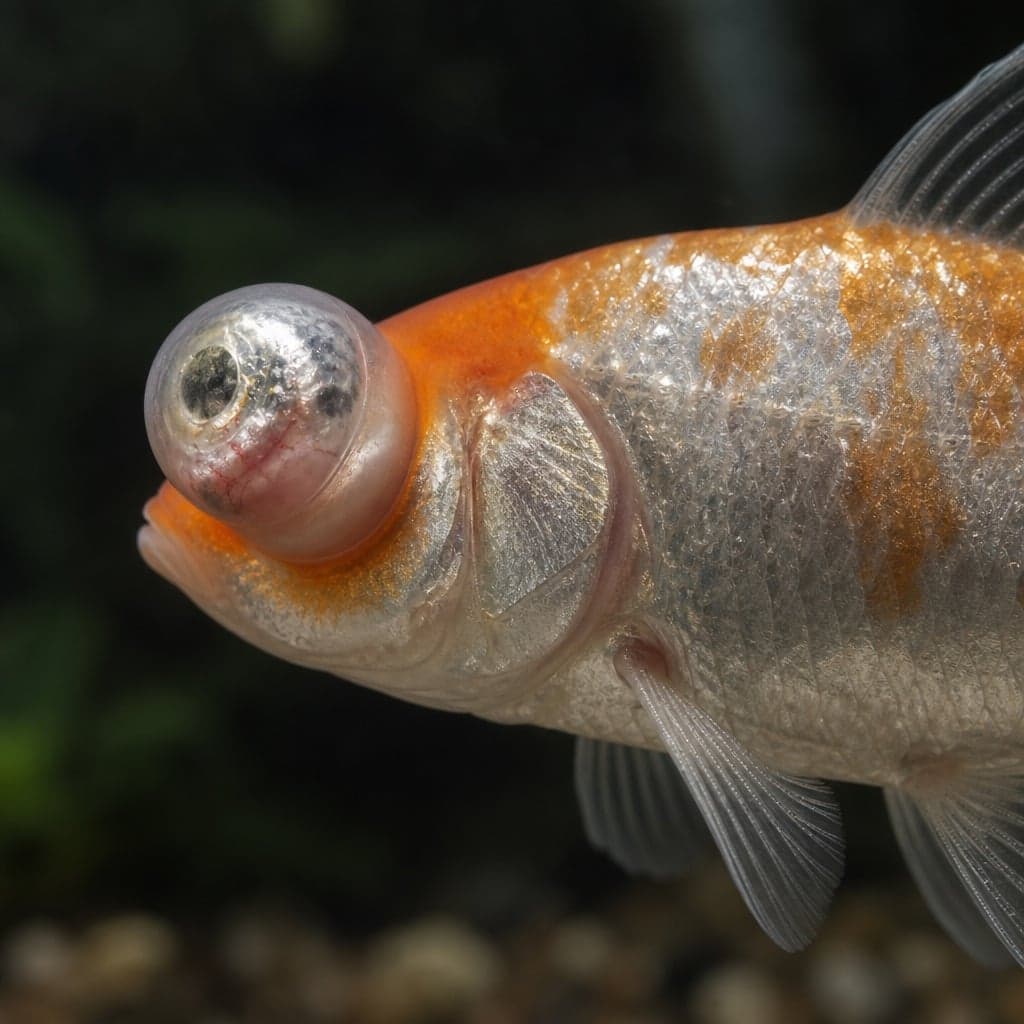
- Popeye (Exophthalmia): Often a sign of poor water quality, this condition can be mitigated through consistent maintenance and stress reduction.
Regular observation and immediate treatment can help mitigate these health concerns, ensuring your Cherry Barbs remain vibrant and active members of your aquarium community.